
What Is the Best Planter for a Fiddle Leaf Fig?
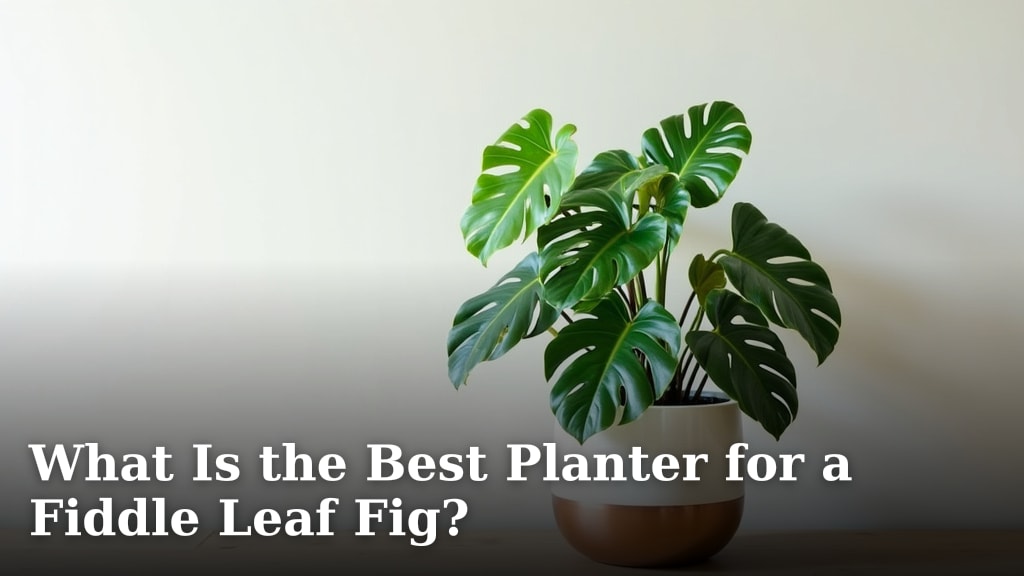
The best planter for a fiddle leaf fig is one that allows for excellent drainage and is slightly larger than your plant’s root ball. A terracotta pot or a ceramic pot with drainage holes is usually your best bet. This helps prevent root rot, a common problem for these finicky plants. We’ve found that proper drainage is key.
Choosing the right planter can make a huge difference in your fiddle leaf fig’s health and happiness. You want a pot that complements your home’s style but also prioritizes the plant’s needs. Finding the right size and material is more important than the pot’s color or decorative features. This decision directly impacts how well your fig tree will thrive.
- Drainage is non-negotiable for fiddle leaf figs.
- Terracotta and ceramic pots with holes are excellent choices.
- Pot size should be just slightly larger than the root ball.
- Avoid pots that are too large; they hold too much moisture.
- The planter’s material matters more than its aesthetic appeal.
Let’s walk through exactly what makes a planter ideal for your fiddle leaf fig and how to choose one to keep your leafy friend happy and healthy.
You’ve got a fiddle leaf fig, and you’re wondering about the perfect home for it. It’s a great question! Choosing the right planter is like picking the right bed for a very particular sleeper. Get it wrong, and you might have a grumpy plant on your hands. Get it right, and your Fiddle Leaf Fig will be reaching for the sky.
Choosing the Right Pot for Your Fig Tree
Finding the best planter for your fiddle leaf fig is all about a few key things. You want a pot that supports healthy root growth. It needs to manage moisture well. And yes, it should look good in your space! But prioritize the plant’s needs first. We’ve found that what works best for these popular plants is simple: good drainage and the right size.
Drainage: The Non-Negotiable Foundation
Let’s talk about drainage. This is where many fiddle leaf fig parents run into trouble. These trees come from tropical environments. They like moisture, but they hate sitting in soggy soil. Think of it like this: would you like to stand in a puddle all day? Probably not. Your fiddle leaf fig feels the same way about its roots.
Why Drainage Holes Are Essential
Drainage holes are your first line of defense against root rot. This is a fungal disease that attacks the roots when they’re constantly wet. Over time, it can kill your plant. Research from horticultural sites consistently points to adequate drainage as the most critical factor for fiddle leaf fig health. Without holes, water has nowhere to go. It just accumulates at the bottom of the pot.
What Happens Without Good Drainage
When water can’t escape, the soil stays too wet. This deprives the roots of oxygen. Roots need oxygen to function and absorb nutrients. Soggy soil can also encourage fungal and bacterial growth. These invaders can attack weakened roots. This leads to yellowing leaves and eventually, a struggling plant. Many plant care guides stress this point.
The Right Size for Success
Size matters when it comes to planters for fiddle leaf figs. Too small, and the roots become cramped. They can’t grow properly. Too big, and the soil stays wet for too long. This brings us back to that dreaded root rot. You want a pot that is just right.
How to Determine the Correct Pot Size
The general rule of thumb is to choose a pot that is 2 to 4 inches wider in diameter than your plant’s current root ball. When you repot your fiddle leaf fig, gently remove it from its old container. Look at the roots. If they are tightly wound around the soil mass, it’s time for a bigger home. If there’s plenty of loose soil around the edges, it can stay put for a while longer.
The Dangers of an Overly Large Pot
A common mistake is to put a small plant into a huge pot. You might think it gives the plant “room to grow.” However, this extra soil holds a lot more moisture than the roots can absorb. This excess water can linger for weeks. This creates the perfect environment for root rot. Many horticulturalists advise against this. It’s better to size up gradually.
Repotting Frequency
Fiddle leaf figs don’t need to be repotted every year. They are relatively slow growers. You’ll likely find yourself repotting them every 18 to 24 months. Signs that it’s time include roots growing out of the drainage holes or water draining through almost immediately. Observe your plant closely for these cues.
Popular Planter Materials for Fiddle Leaf Figs
The material of your planter plays a role in how it interacts with moisture. Some materials breathe better than others. This impacts the soil’s drying rate. Let’s look at the most common options and how they stack up.
Terracotta: The Breathable Champion
Terracotta pots are often considered the gold standard for plants that dislike wet feet. These unglazed clay pots are porous. This means they allow air and water to pass through the sides of the pot. It helps the soil dry out more evenly. This is fantastic for fiddle leaf figs!
Pros of Terracotta
The main advantage of terracotta is its breathability. It naturally helps prevent overwatering. The porous nature allows excess moisture to evaporate. This creates a healthier environment for the roots. They also tend to be quite sturdy and reasonably priced. We find they are a reliable choice for beginners and experienced plant parents alike.
Cons of Terracotta
Terracotta pots can dry out quite quickly, especially in warm, dry climates. This might mean you need to water a bit more frequently. They can also develop a white, chalky residue over time. This is just mineral buildup from the water and soil. It doesn’t harm the plant but can affect the pot’s appearance.
Ceramic: Stylish and Functional
Ceramic pots are a popular choice because they come in so many beautiful designs. They offer a more decorative look than plain terracotta. However, not all ceramic pots are created equal when it comes to your fiddle leaf fig.
Glazed vs. Unglazed Ceramic
It’s important to note whether a ceramic pot is glazed or unglazed. Unglazed ceramic pots behave similarly to terracotta, offering some breathability. Glazed ceramic pots, on the other hand, have a non-porous coating on the inside and outside. This coating seals the material. This means less air circulation and slower drying times.
Choosing Glazed Ceramic Wisely
If you opt for a glazed ceramic pot, make sure it has ample drainage holes. Because the sides don’t breathe, the drainage holes become even more critical. You’ll need to be extra careful with your watering schedule. Monitor the soil moisture closely. Many plant experts suggest using a moisture meter for these types of pots.
Plastic: The Budget-Friendly Option
Plastic pots are lightweight and inexpensive. They are readily available and come in various shapes and sizes. However, they offer very little breathability. This means the soil retains moisture for a long time.
Plastic Pot Considerations
If you choose a plastic pot, ensure it has at least one large drainage hole, or several smaller ones. You will need to be very diligent about not overwatering. Some people like to use plastic pots as nursery pots inside decorative cachepots. This allows for easy monitoring of moisture levels.
Other Materials to Consider
While terracotta and ceramic are often favored, other materials exist. Concrete pots are very heavy and durable. They offer good insulation but minimal breathability. Fiberglass and resin pots are lightweight and come in many styles. Their breathability varies greatly by brand and finish.
Planters to Avoid for Fiddle Leaf Figs
Some planters are best left on the shelf for your fiddle leaf fig. Knowing what to steer clear of can save you a lot of heartache and help your plant thrive.
Self-Watering Pots: A Potential Pitfall
Self-watering pots have a reservoir at the bottom that wicks water up into the soil. While convenient for some plants, they can be a disaster for fiddle leaf figs. The constant moisture available from the reservoir can keep the soil too wet. This promotes root rot. Many plant enthusiasts have found them problematic for this specific plant. We found that manual watering control is often better. Our guide to the best self-watering pots explains why they might not be ideal for this plant.
Pots Without Drainage Holes: A Hard No
We cannot stress this enough: never use a pot without drainage holes for your fiddle leaf fig. Even if you’re very careful with watering, accidents happen. A momentary lapse in attention can lead to waterlogged soil. This is a recipe for disaster. If you fall in love with a decorative pot that has no holes, you have a couple of options. You can drill holes yourself, or use it as a cachepot for a planter with drainage. Many gardeners prefer the latter.
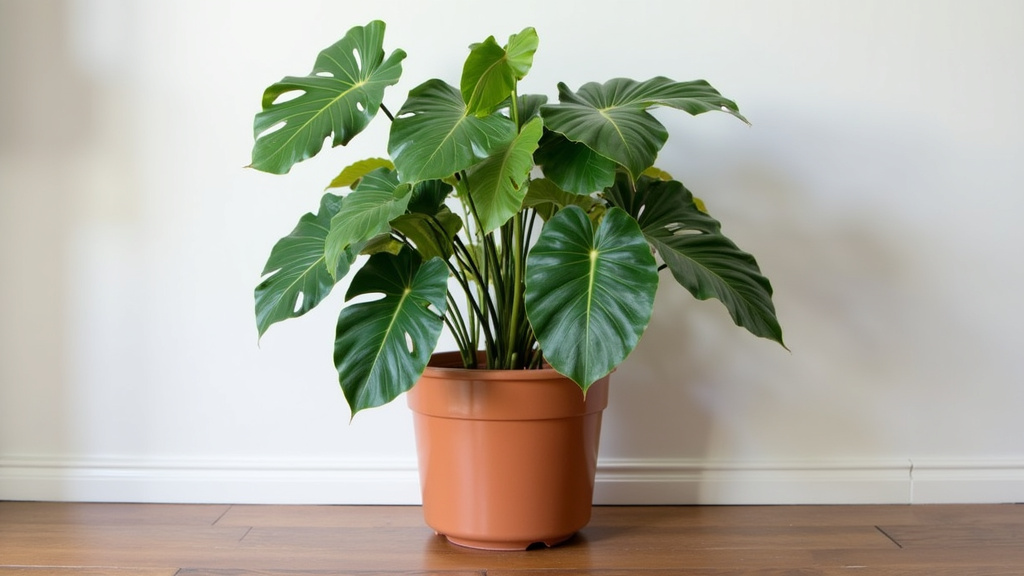
Quick Checklist for the Best Fiddle Leaf Fig Planter
Here’s a quick rundown of what to look for:
- Drainage Holes: Absolutely essential.
- Size: 2-4 inches wider than the root ball.
- Material: Terracotta or breathable ceramic are great.
- Stability: Pot should be sturdy enough to support the plant.
- Water Management: Avoid self-watering mechanisms for this plant.
- Aesthetics: Choose a style you love, but prioritize plant health!
By focusing on drainage and the right size, you’re setting your fiddle leaf fig up for a long and happy life. It’s amazing how much difference the right pot can make!
Conclusion
You’ve learned that the best planter for your fiddle leaf fig hinges on two main factors: excellent drainage and the right size. We’ve seen how terracotta and breathable ceramic pots shine because they allow your plant’s roots to dry out properly, preventing root rot. Remember to choose a pot that’s only 2-4 inches wider than its current root ball to avoid waterlogged soil. Prioritizing these practical needs over pure aesthetics will set your fiddle leaf fig up for robust growth and a long, healthy life in your home. Now, go find that perfect pot!
Frequently Asked Questions
Can I use a decorative pot without drainage holes?
While tempting, it’s generally best to avoid decorative pots without drainage holes for fiddle leaf figs. These plants are very susceptible to root rot, and pots without holes make overwatering almost inevitable. If you love a pot without holes, consider drilling your own or using it as a cachepot for a planter that does have drainage.
How often should I repot my fiddle leaf fig?
Fiddle leaf figs are not heavy feeders and grow at a moderate pace. You’ll typically need to repot them every 18 to 24 months. Look for signs like roots growing out of the drainage holes or water draining through the pot very quickly. This indicates it’s time for a slightly larger home.
What kind of soil is best for a fiddle leaf fig in a pot?
A well-draining potting mix is essential for fiddle leaf figs. You can use a standard houseplant potting mix amended with perlite or coarse sand. This helps improve aeration and prevents the soil from becoming too compacted, which can lead to root issues.
Will a terracotta pot dry out my fiddle leaf fig too quickly?
Terracotta pots do allow moisture to evaporate more quickly than plastic or glazed ceramic. In very warm, dry climates, you might need to water a bit more frequently. However, this breathability is often a benefit, helping to prevent the overwatering that many fiddle leaf figs struggle with.
Is it okay to use a plastic pot for my fiddle leaf fig?
Yes, you can use a plastic pot, but you must ensure it has adequate drainage holes. Plastic pots retain moisture longer than terracotta, so you’ll need to be more mindful of your watering schedule. Always check the soil moisture before watering to avoid waterlogged conditions.
