
What Is the Best Humidity Level for Indoor Plants?
The best humidity level for most indoor plants falls between 40% and 60%. This range mimics the humid environments many tropical plants thrive in. You can help your plants by aiming for this sweet spot.
Too dry air can stress your plants, leading to brown leaf tips and stunted growth. Too humid, and you risk inviting fungal diseases. Finding the right balance is key to helping your leafy friends flourish indoors.
- Most houseplants prefer 40%-60% humidity.
- Low humidity causes brown leaf tips.
- High humidity can lead to fungal issues.
- Tropical plants often need higher humidity.
- Adjustments can be made with simple tools.
Ready to create the perfect humid oasis for your plants? Let’s dive into how you can achieve and maintain ideal humidity levels.
Finding the Ideal Humidity for Your Indoor Greenery
The sweet spot for most houseplants lives between 40% and 60% relative humidity. Think of it as a happy medium. This range mirrors the conditions found in many tropical rainforests. These are the native homes for a vast number of popular houseplants.
When your home’s air is too dry, your plants can show it. You might notice crispy brown tips on their leaves. Their overall growth might also slow down. On the flip side, too much humidity can also cause problems. It can create a breeding ground for unwanted fungal diseases. Finding that perfect balance is key to happy, healthy plants.
Why Humidity Matters So Much to Plants
Plants “breathe” through tiny pores called stomata. These are usually on the underside of their leaves. Through these pores, they release water vapor. This process is called transpiration. It’s like a plant’s personal cooling system.
In their natural habitats, plants are surrounded by moist air. This means there’s less of a difference between the water inside their leaves and the air outside. So, they don’t lose water too quickly. This helps them stay hydrated and healthy.
When the air in your home is very dry, the water inside the plant’s leaves wants to escape faster. It’s like when you feel thirsty on a hot, dry day. This is especially true for plants native to humid regions. Their systems aren’t built for arid conditions.
Understanding the Symptoms of Low Humidity
Dry air is a common issue, especially during winter months when heating systems are running. You might see several signs your plants are thirsty for more moisture in the air. Pay close attention to your plant’s leaves.
- Brown Leaf Tips and Edges: This is perhaps the most common sign. The tips and edges of the leaves dry out and turn brown or crispy. It’s like the plant is trying to conserve moisture.
- Yellowing Leaves: While yellowing can mean many things, in low humidity, it can indicate the plant is stressed. It’s struggling to keep its leaves hydrated.
- Wilting or Drooping: Even if you’re watering regularly, the plant might still droop. This happens because it’s losing water through its leaves faster than it can absorb it through its roots.
- Stunted Growth: If your plant isn’t putting out new leaves or growing as much as it used to, low humidity could be a culprit.
- Increased Susceptibility to Pests: Weakened plants are more attractive to pests like spider mites. These tiny pests thrive in dry conditions.
The Dangers of Excessive Humidity
While many plants love humidity, too much of a good thing can be bad. Very high humidity levels can create an environment ripe for fungal and bacterial diseases. This is especially true if there’s poor air circulation.
- Fungal Diseases: Powdery mildew is a common culprit. It looks like white, powdery patches on leaves. Root rot can also occur if the soil stays too wet, often exacerbated by high humidity.
- Root Rot: This is a serious issue. Overly wet conditions, often worsened by high humidity and poor drainage, suffocate the plant’s roots.
- Mold and Mildew: You might notice mold growing on the soil surface or even on decorative elements in the pot.
Humidity Needs Vary by Plant Type
Not all plants have the same humidity requirements. It’s important to know where your plant comes from. This gives you a clue about its ideal environment.
Tropical Plants: The Humidity Lovers
Plants like ferns, calatheas, monsteras, and orchids are native to tropical rainforests. These environments are often very humid, sometimes reaching 70-80% or even higher. These plants will generally thrive in the higher end of the typical houseplant humidity range, ideally 50-60%.
If you have these types of plants, you might need to provide extra humidity. They will thank you with lush, vibrant foliage. Without it, they might struggle. You might see brown, crispy edges on their delicate leaves.
Cacti and Succulents: The Dry Air Dwellers
On the other end of the spectrum, you have cacti and succulents. Many of these plants come from arid deserts or dry regions. They are adapted to low humidity. In fact, they can often suffer if the humidity is too high.
For these desert dwellers, average household humidity (around 30-50%) is usually perfectly fine. If your home is naturally drier, that’s even better for them. Overwatering is a much bigger concern for these plants than low humidity.
The Majority: Standard Houseplants
Most common houseplants fall somewhere in the middle. Plants like pothos, snake plants, peace lilies, and spider plants are generally happy with average room humidity. The 40%-60% range is usually ideal for them.
If your home typically falls within this range, you’re likely in good shape. You might only need to intervene if you notice signs of dryness. Or if you’re seeing issues related to overwatering and high humidity.
Measuring Your Home’s Humidity Level
How do you know what your home’s humidity level is? You need a tool to measure it. A hygrometer is your best friend here. It’s a small, inexpensive device that measures relative humidity.
You can find hygrometers online, at garden centers, or even at some hardware stores. They are easy to use. Just place one in the room where your plants live. Many digital models will also show the current temperature.
Keep a few hygrometers in different rooms. This helps you understand humidity variations. For example, bathrooms and kitchens might be more humid. Bedrooms and living rooms might be drier. You can then adjust your approach based on these readings.
Simple Ways to Boost Indoor Humidity
Once you know your humidity levels, you can take action. Luckily, there are several easy ways to increase humidity for your plants. You don’t need fancy equipment for most of these.
1. Group Your Plants Together
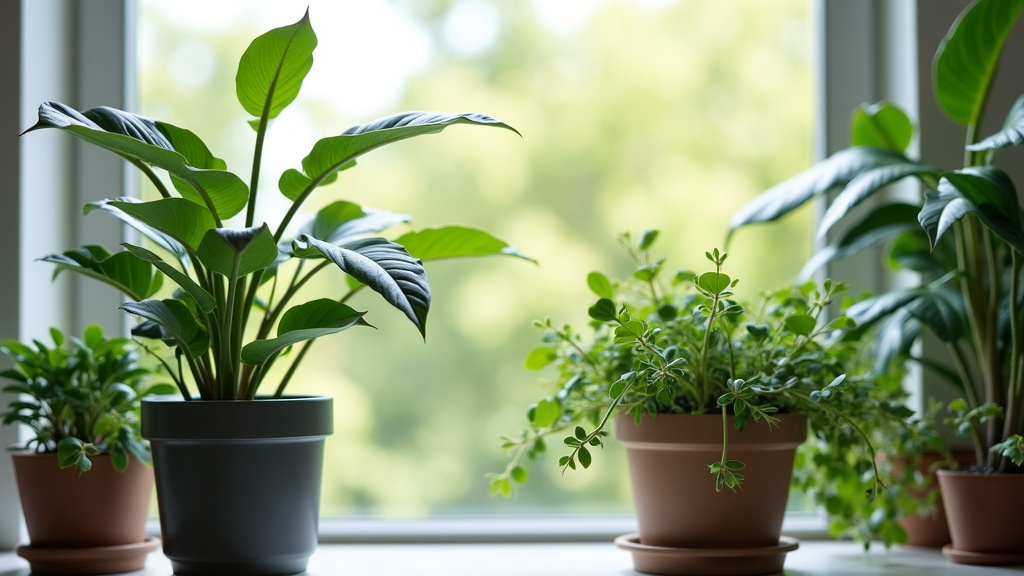
Plants release moisture through transpiration. When you group them together, they create a microclimate. This humid little pocket of air benefits all the plants in the group. It’s like they’re all sharing their “breath.”
This is a natural way to increase humidity around them. Plus, a collection of plants often looks quite beautiful!
2. Use Pebble Trays
A pebble tray is a shallow dish filled with pebbles and water. You place your potted plant on top of the pebbles, making sure the bottom of the pot isn’t sitting directly in the water. As the water evaporates from the tray, it increases the humidity around the plant.
It’s a simple yet effective method for individual plants or small groupings. Just remember to replenish the water regularly. You don’t want the tray to dry out completely.
3. Misting Your Plants (Use with Caution!)
Misting involves spraying water onto your plant’s leaves. While it provides a temporary boost of moisture, it’s often not enough to significantly change the overall room humidity. Some experts even suggest it can be counterproductive.
The water droplets on the leaves can evaporate quickly. They might also encourage fungal growth if the leaves stay wet for too long, especially in low-airflow environments. If you choose to mist, do so in the morning. This allows the leaves to dry before evening. It’s not the most efficient method for long-term humidity solutions (NCBI).
4. Consider a Humidifier
For a more consistent and significant increase in humidity, a humidifier is your best bet. These devices add water vapor directly into the air. They are especially useful for homes with very dry air or for plant enthusiasts with many humidity-loving plants.
There are various types of humidifiers available. Cool-mist humidifiers are generally safer and more energy-efficient. You can set them to your desired humidity level. Remember to clean your humidifier regularly. This prevents mold and bacteria buildup. Following manufacturer instructions is key.
5. Strategic Placement
Think about where moisture naturally collects in your home. Bathrooms and kitchens tend to be more humid environments. If you have plants that love humidity, consider placing them in these areas, provided they get adequate light.
Even placing plants near a fish tank can help. The evaporation from the water adds moisture to the air.
Maintaining the Right Balance: A Quick Checklist
Keeping your plants happy with the right humidity doesn’t have to be complicated. Here’s a simple checklist to help you maintain that perfect environment:
- Get a hygrometer to measure your home’s humidity.
- Know the specific needs of your plant types.
- Group humidity-loving plants together.
- Use pebble trays for added moisture.
- Consider a humidifier for persistent dryness.
- Watch for signs of too much or too little humidity.
By understanding your plants’ needs and your home’s environment, you can create a little oasis. Your plants will thank you with vibrant growth and beautiful foliage.
Conclusion
You’ve learned that the ideal humidity for most houseplants is between 40% and 60%. This range supports healthy growth and prevents common issues like brown tips or fungal problems. Understanding your plant’s origin helps determine its specific needs. Don’t guess; use a hygrometer to measure your home’s air. You can easily boost humidity with simple methods like grouping plants, using pebble trays, or a humidifier. Take the next step by grabbing a hygrometer today. Start monitoring your home’s humidity and make small adjustments to help your green friends thrive!
Frequently Asked Questions
How do I know if my plant needs more humidity?
Look for signs like brown, crispy leaf tips and edges. Your plant might also droop or show stunted growth, even with regular watering. These are clear indicators that the air around it is too dry for its liking.
Is misting plants really effective for humidity?
Misting offers only a temporary moisture boost and is often not enough for significant humidity changes. It can also sometimes lead to fungal issues if leaves stay wet too long. It’s generally less effective than other methods for sustained humidity.
Can I put a humidifier directly next to my plants?
Yes, placing a humidifier near your plants is an excellent way to increase ambient humidity. Ensure it’s not so close that it directly wets the leaves or soil constantly. A moderate distance is usually best.
What humidity level is too high for indoor plants?
Humidity above 60-70% can encourage fungal diseases like powdery mildew and root rot, especially with poor air circulation. Plants like succulents and cacti actually prefer drier air, typically between 30-50%.
Do different rooms in my house have different humidity levels?
Absolutely. Bathrooms and kitchens are often more humid due to showers and cooking. Bedrooms and living rooms can be drier, especially in winter when heating systems run. Using multiple hygrometers helps you see these variations.
