
What Is the Best Grow Light Spectrum for Vegetative Growth?
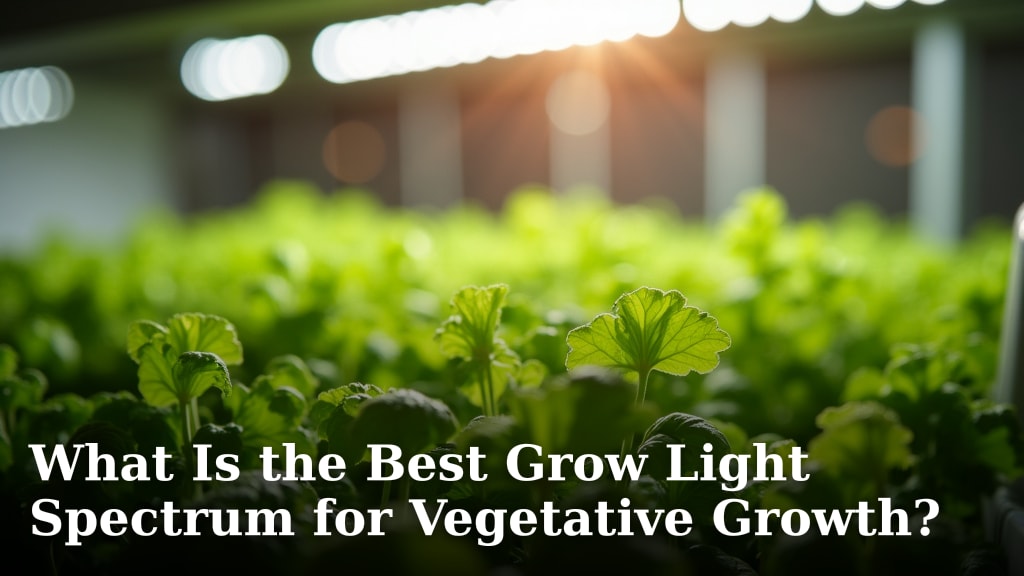
For vigorous vegetative growth, you’ll want a grow light spectrum that’s rich in For vigorous vegetative growth, you’ll want a grow light spectrum that’s rich in blue light, as explained in our guide on how to choose the right grow light.blue light. This specific light is crucial for healthy leaf development and sturdy stem growth in your plants. Many growers find that a spectrum leaning towards the cooler, blue end promotes the most robust vegetative stages. It’s like giving your plants a concentrated shot of energy for building their structure.
While blue light is the star player for vegetative growth, a well-rounded spectrum is still important. Including some red light can also be beneficial, though less dominant than blue. Think of it as a supporting cast that helps with overall plant health during this foundational phase. Research suggests that balancing these colors helps plants thrive before they enter their flowering period.
- The best grow light spectrum for vegetative growth is high in blue light.
- Blue light promotes strong leaf and stem development.
- A balanced spectrum with some red light also supports overall health.
- This focus prepares plants for the later flowering stage.
Let’s dive into why this specific light blend works so well and what to look for in your grow lights.
“`htmlFinding the Right Light Spectrum for Vegetative Plant Growth
You’re wondering about the best light spectrum for your plants’ vegetative phase. We’ve found that a spectrum rich in blue light is the general consensus among growers and researchers. This blue light plays a vital role in developing strong, healthy plants. It’s like giving them the building blocks they need to grow tall and sturdy.
During this stage, your plants are focusing on building their root systems, stems, and leaves. Think of it as their teenage years – lots of growth spurts and a need for the right nutrients. Blue light helps guide this growth. It signals to the plant to focus on developing its structure. This sets the stage for future flowering and fruiting. Many experts say that a light that mimics a clear, sunny sky will provide ample blue light.
The Science Behind Blue Light for Veggies
So, why is blue light so important for your plants’ vegetative stage? It all comes down to photosynthesis and plant hormones. Blue light is efficiently absorbed by chlorophyll, the pigment that makes plants green and drives photosynthesis. This absorption fuels the plant’s energy production.
How Blue Light Influences Plant Hormones
Beyond photosynthesis, blue light has a direct impact on plant hormones. Specifically, it influences hormones like auxins. Auxins are key regulators of plant growth. They play a role in cell elongation and differentiation. When plants receive enough blue light, they tend to grow more compact and bushy. This is often desirable in the vegetative stage.
Research and found that blue light can inhibit stem elongation. This means your plants won’t stretch out too much. Instead, they’ll focus energy on developing more leaves and stronger stems. This leads to a more robust plant structure. It’s the opposite of what you might want during flowering, where you often aim for taller plants.
Blue Light and Leaf Development
Have you ever noticed how leafy a plant becomes under good lighting? Blue light is a major contributor to this. It encourages the development of larger, thicker leaves. These leaves are the plant’s solar panels. They are responsible for capturing light energy. More efficient leaves mean a more efficient plant overall. This vigorous leaf growth is a hallmark of a healthy vegetative stage.
We found that adequate blue light exposure results in better stomatal density. Stomata are tiny pores on the leaf surface. They control gas exchange, like taking in carbon dioxide and releasing oxygen. Denser stomata can lead to improved photosynthetic rates. This further supports robust growth. So, more blue light often means a leafier, more productive plant.
The Role of Red Light in Vegetative Growth
While blue light is the primary driver, it’s not the only color that matters. Red light also plays a supporting role during the vegetative phase. Think of red light as a helpful assistant to the star player, blue light. Together, they create a more balanced and effective spectrum.
Balancing Blue and Red Light
Many growers and researchers suggest a light spectrum that includes a good amount of both blue and red light. While vegetative growth favors blue, some red light can help. It can contribute to overall plant health and development. It’s about creating a complete light recipe for your plants.
We found that a spectrum with a blue-to-red ratio leaning towards blue is often optimal for vegetative growth. For example, some light manufacturers recommend a ratio of around 4:1 or 5:1 blue to red light. This ratio provides the dominant blue light needed for structure. It also offers enough red light to support essential plant processes. This balance helps prevent plants from becoming too short and stunted while still encouraging bushy growth.
Red Light’s Impact on Photosynthesis
Red light is also a critical component of photosynthesis. Chlorophyll absorbs red light very efficiently. This means red light contributes significantly to energy production in the plant. While blue light is more influential in controlling plant morphology during veg, red light is essential for the fundamental process of converting light into energy.
Including red light in your vegetative spectrum ensures that your plants have access to a full range of photosynthetically active radiation (PAR). This is the portion of the light spectrum that plants use for photosynthesis. Having both blue and red light available ensures that the plant’s photosynthetic machinery runs smoothly. This is important for maximizing growth rates.
Understanding Full Spectrum Grow Lights for Vegetative Growth
When you see “full spectrum” on a grow light, what does that really mean for your vegetative plants? It generally implies that the light includes a range of colors, mimicking natural sunlight. For vegetative growth, a full spectrum light should have a noticeable peak in the blue range. It will also contain other wavelengths, including red.
What to Look for in a “Full Spectrum” Veg Light
If you’re choosing a full spectrum light for vegetative growth, pay attention to its color temperature. Look for lights with a cooler color temperature, often described as “daylight” or around 5000K to 6500K. This temperature range typically indicates a higher output of blue light. These lights often appear a crisp white or slightly bluish-white to the human eye.
Many LED grow lights offer a full spectrum. Some are designed with specific ratios of LEDs to target different growth stages. For vegetative growth, you’ll want to see a good concentration of cool white or blue LEDs. These are often paired with some warm white or red LEDs to provide balance. Always check the manufacturer’s specifications to understand the light’s spectral output.
| Light Spectrum Type | Primary Benefit for Veg Growth | Considerations |
|---|---|---|
| High Blue Spectrum | Promotes compact, bushy growth and strong stems. | May need some red light for optimal photosynthesis. |
| Balanced Blue/Red Spectrum | Supports photosynthesis and healthy overall growth. | Ensure blue light is still dominant. |
| “Daylight” Full Spectrum (5000K-6500K) | Mimics natural sunlight, rich in blue hues. | Ensure it has adequate PAR output. |
The Case for Specific Blue Spectrum Lights
Some growers opt for lights that are specifically designed for vegetative growth. These lights often have an even higher concentration of blue light. They might appear quite blue to your eyes. These lights are excellent for getting very compact, dense plants.
We found that using a dedicated blue spectrum light in the early stages can be very effective. It helps establish a strong foundation. However, it’s important to transition to a spectrum that includes more red light when you move into the flowering stage. This transition is key for maximizing flower production later on. Always remember that plants have different needs at different times.
Why Other Light Colors Matter Less for Veggies
You might be curious about green, yellow, or far-red light during the vegetative stage. While plants do absorb these wavelengths to some extent, their impact on vegetative growth is generally less pronounced compared to blue and red light. They play more significant roles in other plant processes or later growth stages.
Green Light’s Subtlety
Green light is mostly reflected by plant leaves, which is why plants appear green to us. However, research has shown that green light can penetrate deeper into plant canopies. It can reach lower leaves that might not get direct light. This can contribute to overall plant health and growth, though it’s not the primary driver for vegetative development.
The Role of Far-Red Light
Far-red light (just beyond the visible red spectrum) can influence plant stretching. Too much far-red light relative to red light can signal the plant to elongate its stems rapidly. This is often undesirable during the vegetative phase. Therefore, while some far-red is present in most full-spectrum lights, it’s not a primary focus for promoting bushy vegetative growth.
Putting It All Together: Your Vegetative Light Checklist
Choosing the right light spectrum doesn’t have to be overwhelming. Focus on providing your plants with the light they need to build a strong foundation. Here’s a quick checklist to help you decide:
- Prioritize lights with a strong output in the blue light spectrum.
- Look for lights with a cooler color temperature (5000K-6500K) if choosing full spectrum.
- Ensure the spectrum includes some red light for balanced photosynthesis.
- Avoid lights that are excessively high in far-red light for vegetative growth.
- Check manufacturer specifications for spectral output if available.
- Consider lights specifically designed for vegetative growth for optimal results.
By understanding these principles, you can confidently select the best grow lights to support your plants’ vigorous vegetative development. This focus on blue light will help you grow healthier, sturdier plants, ready for their next stage of life.
“`Conclusion
You’ve learned that a grow light spectrum rich in blue light is your best bet for vigorous vegetative growth. This focus helps your plants build strong stems and develop lush leaves, creating a solid foundation for future flowering. Remember, while blue is key, a touch of red light aids overall plant health and photosynthesis. By understanding these spectral needs, you’re well-equipped to choose lights that will help your plants thrive. Now, go ahead and select the perfect spectrum to get your plants growing strong!
Frequently Asked Questions
Is a full spectrum light always best for vegetative growth?
A full spectrum light can be excellent for vegetative growth, especially if it has a cooler color temperature (5000K-6500K) which indicates more blue light. However, the key is ensuring there’s a dominant blue light output, rather than just a general mix of all colors.
Can I use a flowering light spectrum for vegetative growth?
While technically a plant will grow under a flowering spectrum, it’s not ideal. Flowering lights have a higher proportion of red light, which can cause plants to stretch excessively and become less bushy during the vegetative stage.
How much blue light is too much for vegetative growth?
Generally, it’s hard to have too much blue light during the vegetative phase if it’s balanced with other necessary spectrums. Your plants need ample blue light to develop sturdy structures, and most dedicated veg lights provide this sufficiently.
Will my plants grow slower with a spectrum that isn’t blue-heavy?
Yes, plants may grow slower and exhibit more stretching if the light spectrum is lacking in blue light during the vegetative stage. This can lead to weaker stems and fewer leaves, impacting the plant’s overall health and readiness for flowering.
Do I need to switch lights when my plants go from vegetative to flowering?
Yes, it’s highly recommended. For vegetative growth, you want more blue light to encourage compact, bushy plants. For flowering, you’ll want a spectrum with more red light to support bud development and increase yields.
