What Plants Grow Best Under LED Grow Lights?
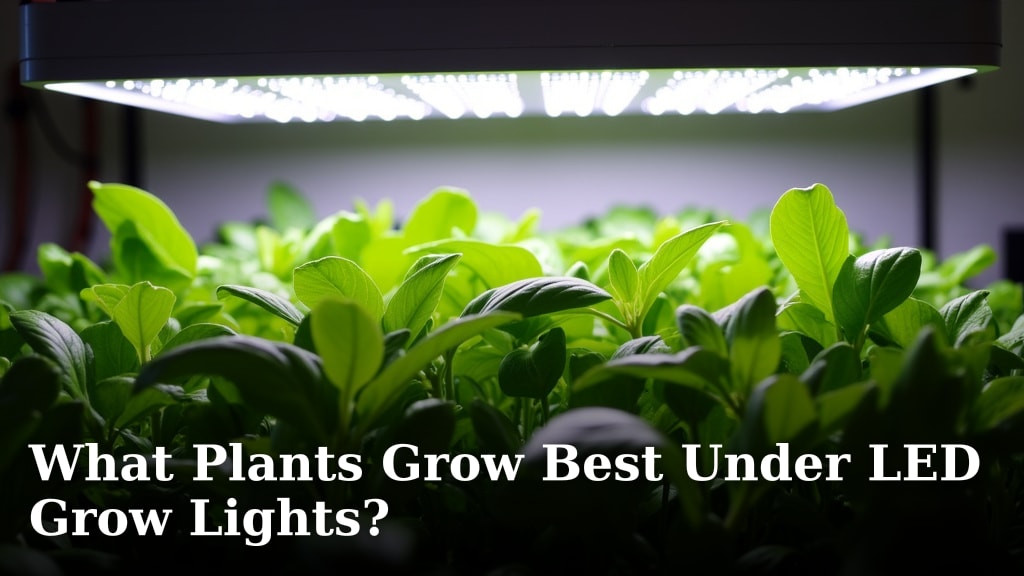
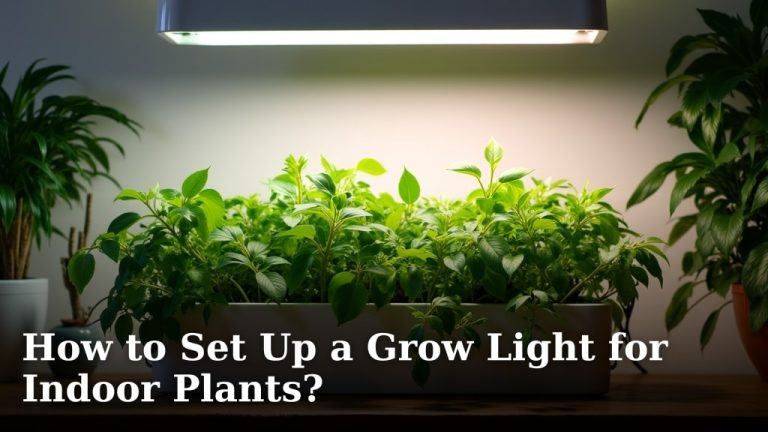
Many plants thrive under LED grow lights, making them a fantastic choice for indoor gardening. Leafy greens like lettuce and spinach, herbs such as basil and mint, and even flowering plants like tomatoes and peppers grow exceptionally well. The adjustable spectrum and intensity of LEDs allow you to tailor the light to your plant’s specific needs throughout its life cycle.
You’ll find that LEDs are incredibly versatile, supporting everything from tiny seedlings to mature fruit-bearing plants. We found that LEDs are energy-efficient and produce less heat, which is a huge plus for your grow space. This means you can often grow a wider variety of plants with greater control over their environment.
TL;DR:
- LEDs are great for many plants.
- Leafy greens and herbs love LED lights.
- You can grow flowering plants and vegetables too.
- LEDs save energy and produce less heat.
- Control light for different growth stages.
Are you ready to discover which plants will flourish under your LED setup? Let’s dive into the best choices for your indoor garden and how to help them thrive.
Understanding LED Grow Lights and Plant Needs
You’re probably wondering what makes LEDs so special for growing plants. It’s all about how they deliver light. Traditional lights often give off a broad spectrum, but LEDs can be finely tuned. This means they can provide exactly the colors of light your plants need, when they need them (NASA).
Think of it like a specialized diet for your plants. You wouldn’t feed a carnivore vegetables, right? Similarly, plants use different light wavelengths for specific growth processes. We found that LEDs can optimize this “diet” for them.
The Science Behind LED Plant Growth
Plants primarily use two colors of light for photosynthesis: blue and red. Blue light helps with vegetative growth, producing strong stems and leaves. Red light encourages flowering and fruiting.
LEDs allow you to adjust the balance of these colors. This is called spectrum tuning. For example, seedlings might benefit from more blue light. Flowering plants need more red light. This flexibility is a huge advantage for indoor growers like you.
Why LED Technology Excels for Indoor Gardening
Beyond spectrum control, LEDs offer other important benefits. They are very energy-efficient, saving you money on your electricity bill. They also produce far less heat than older grow light technologies.
Less heat means you have more control over your grow room temperature. You might not even need as much cooling equipment. This makes for a more stable and cost-effective growing environment (DOE).
Leafy Greens and Herbs: A Perfect Match for LEDs
If you’re just starting with LED grow lights, leafy greens and herbs are fantastic choices. They generally have lower light requirements compared to fruiting plants. This makes them easy to grow and very rewarding.
Imagine fresh lettuce, spinach, or basil anytime you want it. With LEDs, this dream is easily within your reach.
Top Leafy Greens to Grow Under LEDs
- Lettuce (Romaine, Butterhead, Loose Leaf): Grows quickly and consistently. You can harvest outer leaves continuously.
- Spinach: Another fast-growing leafy green. It thrives in cooler temperatures, which LEDs help maintain.
- Kale: A nutrient powerhouse. It’s quite resilient and produces abundant leaves.
- Swiss Chard: Offers beautiful colors and a mild, earthy flavor. It’s also very productive.
- Arugula: For those who love a peppery kick. It grows super fast from seed.
We found that these greens benefit greatly from a light spectrum that leans a bit more towards blue. This encourages strong, bushy leaf development.
Your Go-To Herbs for LED Growing
- Basil: A kitchen staple that loves consistent light. Pinch off the tops to encourage bushier growth.
- Mint: Grows like crazy! Be careful, it can take over your space, even in a pot.
- Cilantro: Best grown from seed. It prefers slightly cooler conditions to prevent bolting.
- Parsley: Both flat-leaf and curly varieties do well. It’s a consistent producer.
- Thyme and Rosemary: These woody herbs appreciate plenty of light. They grow slower but are very hardy.
Growing herbs under LEDs means you’ll always have fresh ingredients for your cooking. You’ll notice a difference in flavor compared to store-bought herbs, we bet!
Fruiting Vegetables That Flourish Under LEDs
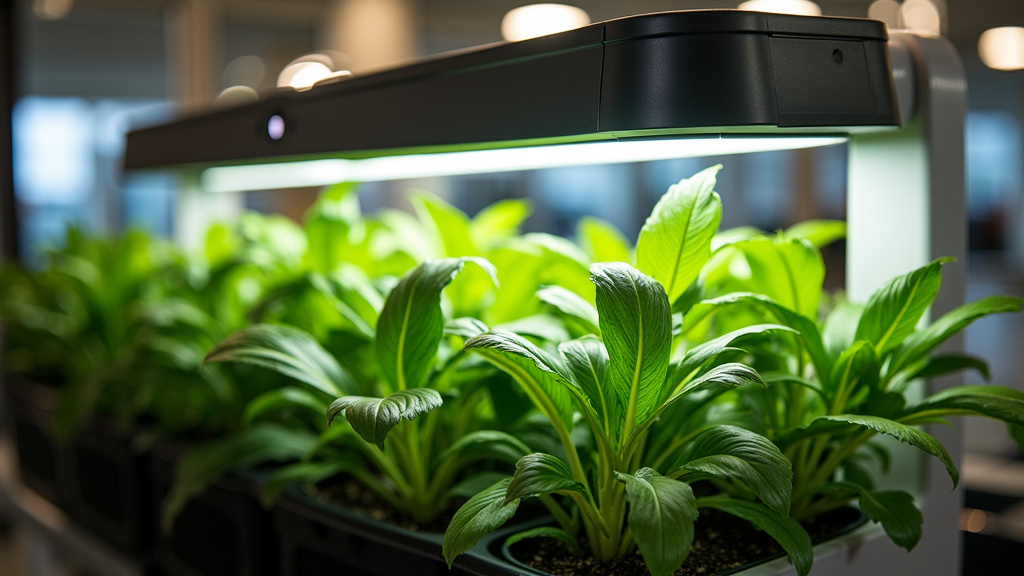
Ready to move beyond greens? Many popular fruiting vegetables also thrive under LED grow lights. These plants typically need higher light intensity and a spectrum adjusted for flowering and fruiting stages.
This means you’ll want an LED system that allows for good control over intensity and spectrum. Investing in a good quality LED will pay off here.
Successful Fruiting Plants for Your Indoor Garden
- Tomatoes: Choose determinate (bush) varieties for smaller spaces. They need strong light and consistent feeding.
- Peppers (Bell, Chili): Also love strong light. They come in many varieties, from mild to fiery hot.
- Strawberries: An incredibly rewarding crop to grow indoors. Everbearing varieties are best.
- Cucumbers: Bush
Conclusion
You’ve seen that LED grow lights offer incredible flexibility for your indoor garden. From quick-growing leafy greens and herbs to more demanding fruiting vegetables like tomatoes and peppers, the possibilities are vast. By understanding their light needs and leveraging the adjustable spectrum of LEDs, you can create the perfect environment for almost any plant. We found that investing in quality LEDs allows you to truly master your indoor growing space. So, choose your favorite plants, set up your lights, and get ready to enjoy fresh, homegrown produce all year round.Frequently Asked Questions
Can I use the same LED light for all plant growth stages?
Yes, you can often use the same LED light. Many modern LED grow lights allow you to adjust the light spectrum and intensity. You can provide more blue light for vegetative growth and then switch to more red light for flowering and fruiting stages.How far should my LED grow light be from my plants?
The ideal distance varies significantly based on your specific LED light’s power and the plant’s needs. A good starting point for many plants is 12-24 inches from the canopy. Always check your light manufacturer’s recommendations and watch your plants for any signs of stress.Do all plants need the same amount of light duration under LEDs?
No, different plants have different photoperiod requirements. Most leafy greens and herbs prefer 14-16 hours of light per day. Fruiting plants often need 12-16 hours, depending on their growth stage. We found that consistency is key for plant health.Are LED grow lights expensive to run?
Compared to older grow light technologies, LEDs are very energy-efficient. While the initial cost of an LED fixture might be higher, you’ll save money on your electricity bill over time. They also produce less heat, potentially reducing your cooling costs.Can I grow root vegetables like carrots or potatoes under LED lights?
While possible, root vegetables typically require deeper containers and can be more challenging to grow indoors than leafy greens or fruiting plants. They also need sufficient light to develop strong foliage, which in turn helps develop the root.