
How to Grow Peppers Indoors Under Grow Lights?
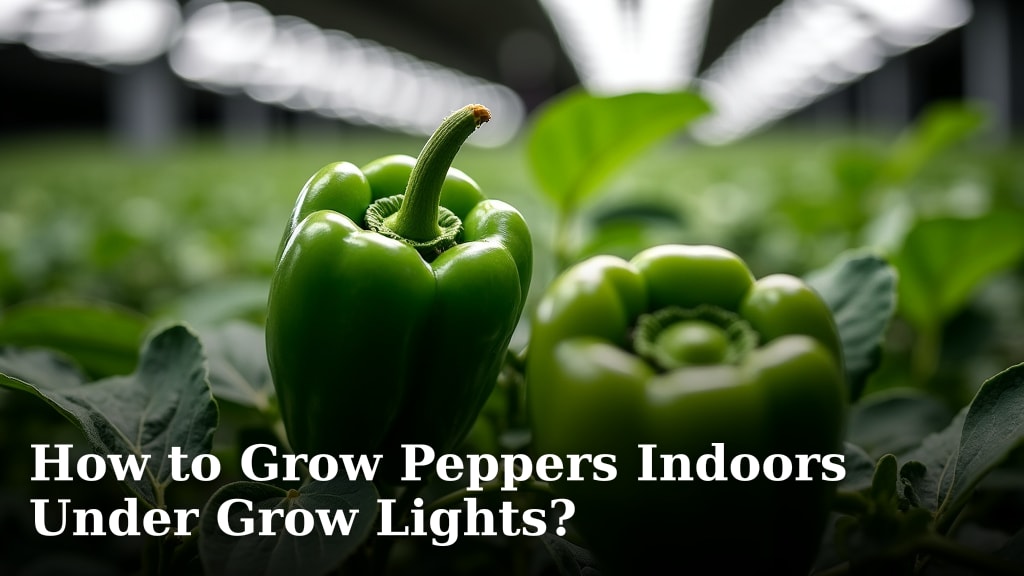
Yes, you can absolutely grow peppers indoors using grow lights! It’s a fantastic way to enjoy fresh peppers year-round, even without a sunny windowsill. With the right setup, you can achieve a healthy harvest of your favorite pepper varieties. We found that proper lighting is key to success.
Growing peppers indoors requires more than just a spot on the counter. You’ll need to consider the type of grow light, its placement, and the duration it’s on each day. Many gardeners successfully grow everything from sweet bell peppers to fiery habaneros inside, thanks to modern grow light technology. This method brings the garden right into your home, offering convenience and control.
- Grow peppers indoors with grow lights for year-round harvests.
- Choose the right grow light and place it correctly.
- Mimic natural sunlight for optimal plant growth.
- Consider pepper varieties suitable for indoor growing.
Let’s walk through exactly how to set up your indoor pepper garden for the best results.
Bringing the Garden Indoors: Your Guide to Growing Peppers with Grow Lights
You might be wondering if it’s truly possible to grow peppers inside your home. The answer is a resounding yes! With the right knowledge and equipment, you can enjoy a bountiful harvest of fresh peppers all year long. Growing peppers indoors under grow lights isn’t just a novelty; it’s a practical and rewarding way to garden.
Choosing the Right Grow Lights for Your Peppers
The type of grow light you select is arguably the most important decision you’ll make. Different lights have different strengths. We’ve found that understanding the spectrum of light is key. Peppers, like most plants, need specific wavelengths to thrive.
Understanding Light Spectrum and Types
Plants primarily use the blue and red parts of the light spectrum. Blue light helps with vegetative growth, keeping your plants bushy and strong. Red light is essential for flowering and fruiting, meaning it helps your peppers actually grow!
You’ll see a few main types of grow lights on the market. Each has its pros and cons for indoor pepper growing.
LED Grow Lights
LEDs are incredibly popular for a reason. They are energy-efficient, produce less heat than other options, and can be customized to emit specific light spectrums. Many newer LEDs offer full-spectrum light, mimicking natural sunlight. This makes them a versatile choice for all stages of pepper growth. LED grow lights are a popular and efficient choice for indoor gardening.
Fluorescent Grow Lights
Fluorescent lights, particularly T5 High Output (T5 HO) fluorescents, are another good option. They provide a decent spectrum and are less expensive upfront than LEDs. However, they can be less energy-efficient and produce more heat. You’ll need to position them closer to your plants to be effective.
HID Grow Lights (MH/HPS)
High-Intensity Discharge (HID) lights, like Metal Halide (MH) and High-Pressure Sodium (HPS), are very powerful. MH lights are great for vegetative growth, while HPS lights are best for flowering. However, they generate a lot of heat and use more electricity. For most home growers, LEDs or fluorescents are a more practical choice due to heat management and energy costs.
Wattage and Lumens: What Do They Mean?
When looking at grow lights, you’ll see wattage and lumens mentioned. Wattage tells you how much electricity the light uses. Lumens measure brightness, but they are designed for human vision, not plant growth. For plants, you’ll want to look at the light’s PAR (Photosynthetically Active Radiation) output or its spectrum specifications. Many manufacturers will provide this information.
Research and found that focusing on the light spectrum and PPFD (Photosynthetic Photon Flux Density) is more helpful than just lumens for plant growth. PPFD tells you how much usable light your plants are actually receiving.
Setting Up Your Indoor Pepper Garden
Once you have your lights, it’s time to set up your growing space. This involves choosing a location, deciding on your containers, and preparing your soil. Think of it as building your pepper’s personal sunroom.
Location, Location, Location (Even Indoors!)
You can set up your indoor pepper garden in a spare room, a closet, or even a corner of your living area. The key is to control the environment. You’ll want a space where you can easily manage temperature, humidity, and light. Many gardeners find that a dedicated grow tent is an excellent investment. It helps contain light, manage humidity, and keep pests out.
Containers and Potting Mix
Peppers do well in containers. For most pepper varieties, a pot that’s at least 5 gallons (about 20 liters) in volume is recommended. This gives the roots enough space to grow. You can use fabric pots, plastic pots, or ceramic containers. Whatever you choose, ensure it has good drainage holes. Soggy soil is a pepper plant’s worst nightmare!
For your potting mix, avoid heavy garden soil. We found that a high-quality potting mix designed for containers works best. You can amend it with perlite or vermiculite to improve drainage and aeration. A good mix should feel light and airy.
Seed Starting vs. Buying Seedlings
You have two main routes for starting your pepper plants: from seed or by purchasing seedlings. Starting from seed gives you access to a wider variety of peppers, including heirloom and less common types. However, it requires more patience and a few extra supplies, like seed-starting trays and heat mats.
Buying seedlings is quicker and easier. You can often find them at local nurseries or garden centers. Just ensure they look healthy and are not root-bound in their containers.
Optimizing Light for Pepper Growth
Getting the light just right is where the “under grow lights” part really shines. Your peppers need a specific amount of light each day. Mimicking their natural environment is your goal.
Light Duration: How Many Hours?
Peppers are sun-lovers. During their active growing season, they need about 14 to 16 hours of light per day. Many gardeners use a timer to automate this. This ensures consistency, which plants love. Too little light and they won’t produce much; too much and they can become stressed.
When peppers are flowering and setting fruit, they still need that 14-16 hour cycle. Some growers adjust slightly, but consistency is generally more important than minor adjustments. We found that a simple outlet timer is a gardener’s best friend for this task.
Light Height and Distance
The distance between your grow lights and your pepper plants is critical. If the lights are too far away, the plants won’t get enough intensity. If they are too close, they can scorch the leaves. The ideal distance varies by light type and wattage.
For LEDs, you might be able to place them closer, often 12-24 inches (30-60 cm) above the plants. Fluorescent lights often need to be closer, perhaps 6-12 inches (15-30 cm). Always check the manufacturer’s recommendations for your specific light. You can adjust the light’s height as your plants grow. Understanding the distance between your grow lights and plants is crucial for optimal growth.
A good rule of thumb we’ve seen is to watch your plants. If they start stretching tall and thin (etiolation), the light is likely too far. If the leaves look bleached or burnt, it’s too close.
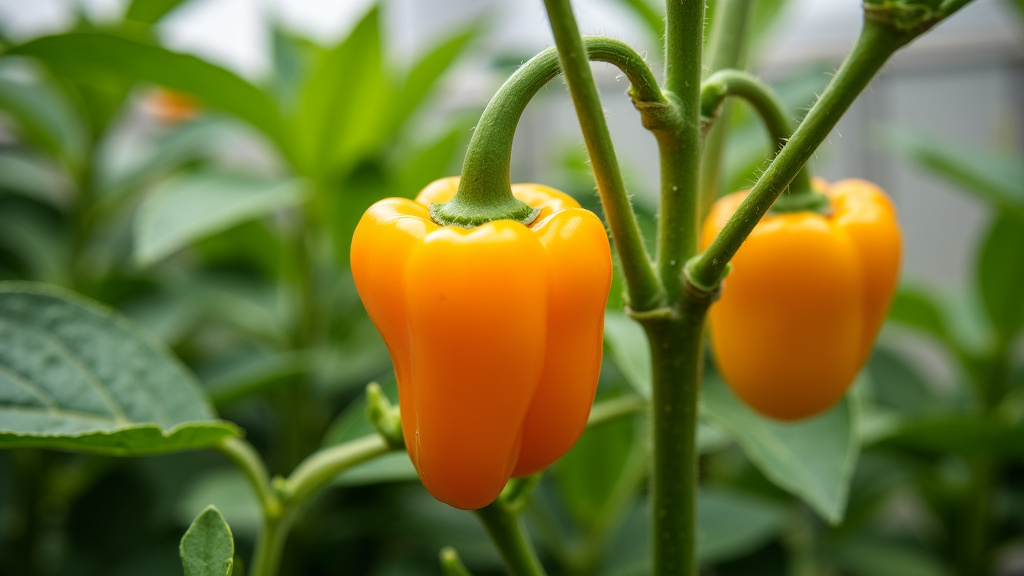
Essential Care for Indoor Peppers
Beyond light, your indoor peppers need consistent watering, feeding, and a bit of pruning. Think of these as the supporting cast that helps your pepper stars shine.
Watering and Feeding Your Plants
Watering is a balancing act. Allow the top inch or two of soil to dry out before watering again. Stick your finger into the soil to check. It’s better to underwater slightly than to overwater. Good drainage is your first line of defense against root rot.
Peppers are heavy feeders, especially when they start producing fruit. Use a balanced liquid fertilizer that’s formulated for vegetables or fruiting plants. Follow the package directions, but many growers choose to feed every other watering. We found that a fertilizer with a higher phosphorus and potassium content can be beneficial during flowering and fruiting.
Pollination: Helping Your Peppers Set Fruit
This is a fun one! In nature, wind and insects help pollinate pepper flowers. Indoors, you’ll need to lend a hand. When your pepper plants start to flower, gently shake the plants or use a soft brush or cotton swab to transfer pollen from one flower to another.
Some growers even use a small fan to create gentle air movement around the plants. This mimics the wind and helps with pollination. Don’t be afraid to get a little hands-on with your plants; they’ll thank you with peppers!
Temperature and Humidity Control
Peppers prefer warm temperatures, ideally between 70-80°F (21-27°C) during the day and slightly cooler at night. Avoid drastic temperature fluctuations. If your home gets very cold at night, consider placing your plants in a more insulated area.
Humidity levels are also important. Most houseplants prefer moderate humidity. If your home is very dry, especially in winter, a small humidifier or a pebble tray filled with water can help. Many experts suggest aiming for 40-60% humidity for optimal growth (National Gardening Association).
Troubleshooting Common Indoor Pepper Issues
Even with the best setup, you might encounter a few hiccups. Don’t get discouraged! Most common problems have simple solutions.
Pests and Diseases
Indoor plants are less prone to pests than outdoor ones, but they’re not immune. Aphids, spider mites, and whiteflies can sometimes show up. Inspect your plants regularly, especially the undersides of leaves.
If you spot pests, try a gentle approach first. Wiping them off with a damp cloth or using insecticidal soap is often effective. For more persistent issues, neem oil is a popular organic option. The key is to catch problems early.
Yellowing Leaves and Other Signs
Yellowing leaves can be a sign of several things. It could mean overwatering, underwatering, or a nutrient deficiency. If the lower leaves are yellowing, it might be a nitrogen deficiency. If the whole plant looks sickly, check your watering habits first. Always ensure good drainage.
We found that by paying attention to your plants’ signals, you can usually figure out what they need. It’s like having a conversation with your garden!
Quick Checklist for Success
- Choose the right grow lights (LEDs are a great choice).
- Use a quality potting mix and well-draining pots.
- Provide 14-16 hours of light daily.
- Adjust light height as plants grow.
- Water when the top inch of soil is dry.
- Fertilize regularly during the growing season.
Conclusion
You now have all the tools to start growing your own peppers indoors with grow lights. We’ve seen how choosing the right lights, setting up your space, and providing consistent care can lead to a successful harvest. Remember, patience and observation are your best allies. Don’t be afraid to adjust your setup as you learn what your pepper plants prefer. Your journey to year-round pepper deliciousness begins now. Go ahead and pick out your favorite pepper seeds and get started!
Frequently Asked Questions
How many hours of light do pepper plants really need?
Peppers need a good amount of light to grow and produce fruit, typically 14 to 16 hours per day. Using a timer is an excellent way to ensure they get consistent light. Too much or too little light can affect their growth.
Can I use regular house lamps for growing peppers?
Regular household lamps usually don’t provide the right spectrum or intensity of light that peppers need to thrive. Grow lights are specifically designed to mimic sunlight and deliver the necessary wavelengths for plant growth, flowering, and fruiting.
What’s the best way to pollinate pepper flowers indoors?
Since there are no bees or wind indoors, you’ll need to help. You can gently shake the plants or use a soft brush or cotton swab to transfer pollen between flowers. A small fan creating air movement can also help.
How often should I fertilize my indoor pepper plants?
Peppers are hungry plants, especially when fruiting. A good rule of thumb is to fertilize every other time you water. Use a balanced liquid fertilizer designed for vegetables, and follow the package instructions carefully.
My pepper leaves are turning yellow, what does this mean?
Yellowing leaves can signal a few issues, such as overwatering, underwatering, or a nutrient deficiency. Check your watering habits first, ensuring the soil drains well. If the lower leaves are yellowing, it might indicate a lack of nitrogen.
