Grow Tent vs Grow Room: Which Should You Choose? (November 2026)
Choose a grow tent for a contained, easier-to-start setup, or choose a grow room for a larger permanent space. Your available room, equipment plan and need for flexibility should guide the decision.
On this page (9 sections)
- Grow tent vs grow room: which fits your space?
- Which option gives you better light control?
- How do airflow and climate controls differ?
- Which is easier to assemble and change?
- How much growing area do you need?
- Which option is easier to clean and maintain?
- What safety equipment should you plan for?
- Which products fit each setup?
- Grow tent vs grow room: which should you choose?
Choose a grow tent for a contained, flexible setup, or choose a grow room for a larger permanent growing area. In a grow tent vs grow room comparison, the best choice depends on your available space, equipment plan and willingness to modify a room.
A grow tent gives you a defined enclosure with reflective walls, a frame, doors and openings for ducts and cables. See how to build a grow tent for a closer look at the setup.
A grow room gives you more freedom to arrange several zones, but you must create the light control and working layout yourself.
This comparison looks at setup, space, light control, airflow, maintenance and daily access. We checked the supplied product specifications and matched each product to the part of the decision it can help with.
 Best for larger tent setups
VIVOSUN S448 4x4 Grow Tent 48"x48"x80" Mylar

Grow tent vs grow room: which fits your space?
A grow tent suits a limited or shared room, while a grow room suits a dedicated area that can stay arranged for plants. Measure the full working space before choosing either option.
The VIVOSUN S448 measures 48 x 48 x 80 inches. Its 4 x 4 footprint is large enough to require planning around doors, storage and access paths.
Leave additional room around the tent for ventilation and routine work.
The VIVOSUN S425 measures 48 x 24 x 60 inches. Compare other options in the best 2x4 grow tent guide.
Its 2 x 4 footprint is half as wide as the S448, so it can fit better along a wall, in a laundry area or in another narrow indoor space.
A grow room has no single standard size. You choose the room, then decide where plants, lights, fans, cords and work surfaces will go.
The extra freedom helps with larger plans, but it also creates more measurements and setup decisions.
Use painter's tape to mark the tent footprint on the floor. If you are considering a smaller enclosure, compare 2x2 grow tents against that space.
For a room, mark the growing zone rather than assuming the whole room will remain usable after equipment and access space are added.
Grow tent vs grow room for a first setup
A grow tent is easier to define because the enclosure already sets the growing boundary. This can make it simpler to decide where the light, plants and airflow equipment belong.
The S448 has a metal frame, 1680D Oxford fabric, a Mylar interior, duct ports and cable openings. The S425 has a metal frame, 600D Oxford canvas, reflective Mylar walls and equipment openings.
A grow room may need a separate wall treatment. The grow tent material guide explains how reflective surfaces and fabric choices affect the enclosure decision.
If you are still deciding whether an enclosure is necessary, read Do You Need a Grow Tent for Indoor Gardening? before planning a full room.
Which option gives you better light control?
A grow tent gives you reflective walls and a defined light zone, while a grow room needs wall coverage and careful light placement. The goal is to keep useful light around the plants without creating unwanted bright or dark areas.
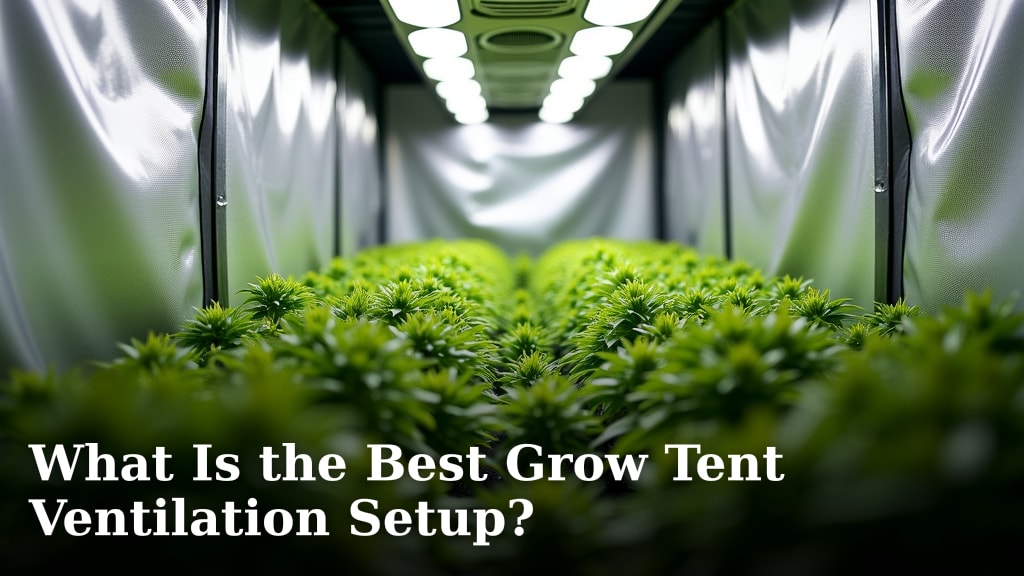
The S448 uses a hexagon-pattern Mylar interior designed to diffuse light from multiple angles. The S425 uses reflective Mylar walls and a black inner zipper lining to help create a lightproof enclosure when closed.
A room can use reflective film on selected walls or other surfaces. The VIVOSUN Mylar film comes as a 4 ft x 50 ft roll with 200 square feet of material and 95% reflectivity.
It can be cut to different sizes, which makes it more adaptable to an irregular room.
Room treatment takes more planning than closing a tent. You must decide which surfaces need coverage, how to attach the material and how to keep the growing area accessible.
For a ready-made enclosure, compare the best indoor grow tent options by footprint, height, material and equipment access.
How do airflow and climate controls differ?
A grow tent gives you built-in openings for planned airflow, while a grow room gives you more freedom but requires a complete ventilation layout. Neither option manages temperature or humidity by itself.
The S448 has multiple duct ports and flexible cable openings for equipment such as inline fans, humidifiers, heaters and air-conditioning units. The S425 also has openings for duct fans, lamps and electrical cords.
A room can fit larger or differently placed equipment, but the airflow path must be planned across the whole space. Consider where fresh air enters, where warm air leaves and how you will reach filters, cords and controls.
Leave access around every connection. A setup that works on paper can become difficult if a fan, cable or filter is pressed against a wall or blocked by storage.
A hygrometer can help you monitor the room or tent environment. The best hygrometer for a grow tent guide covers the type of measurement to consider when checking humidity.
Which is easier to assemble and change?
A grow tent is easier to assemble and move, while a grow room is easier to customize after the basic preparation is complete.
The S448 and S425 both use metal frames and corner connectors. The S448 includes hanging bars, hanging straps and a removable floor tray.
The S425 includes hanging bars, hanging straps, a removable floor tray and instructions.
The S425 has a 100 lb maximum weight capacity per top hanging bar. That figure helps you plan equipment placement, but you should still follow the assembly instructions and distribute equipment carefully.
A grow room does not have a single frame or ceiling bar system unless you add one. You may need separate supports for lights, filters and other equipment, plus a plan for protecting walls and floors.
Choose a tent when you want to start with a defined structure and change locations later. Choose a room when you are comfortable creating a long-term layout and keeping the area dedicated to plants.
For a simpler first purchase, compare the best grow tent kit options after deciding how much of the setup you want included together.
How much growing area do you need?
Choose the S425 for a narrow 2 x 4 area, the S448 for a larger 4 x 4 area, or a grow room when your plan exceeds one tent footprint.
The S425's 48 x 24 x 60 inch size suits a compact growing zone. Its lower height can also matter if the room has shelves, a low ceiling or limited vertical clearance.
The S448's 48 x 48 x 80 inch size gives you a larger square footprint and more height. Measure from the floor to the highest planned equipment, then add the clearance required for safe access and airflow.
A grow room becomes more useful when you need different areas for propagation, growing and storage. It can also help when one fixed tent shape leaves unused space around the edges.
Do not choose a room only because it sounds larger. A room takes more time to prepare, and unused growing space still needs cleaning, monitoring and airflow planning.
Which option is easier to clean and maintain?
A grow tent usually makes routine cleaning more contained, while a grow room can be easier to reconfigure but has more surfaces to maintain.
The S448 and S425 both include removable floor trays. These trays can help collect small spills and make routine cleaning more manageable, especially when you water or check plants during daily work.
The S448 has a transparent window and a lower window for observation and heat dissipation. The S425 also has a visible window, a lower window and a removable floor tray, which helps you check growth without opening the whole tent.
A grow room may have exposed walls, floor edges and equipment bases that need regular inspection. Reflective film can be wiped clean, but it must remain secure and free of folds or loose sections that interfere with access.
Keep cords, ducts and equipment reachable so cleaning does not become a struggle. Clean spills promptly, check zippers and openings, and inspect any surface that can collect dust or moisture.
For a tent, a regular wipe of the interior and tray is often enough to keep the space tidy. For a room, you may need to plan more time for walls, corners and the area around fans or filters.
The trade off is simple to see in daily use. A tent limits the area you must maintain, while a room gives more freedom but asks for a wider weekly routine.
What safety equipment should you plan for?
Plan light safety, electrical access and clear working space for either option. An enclosure does not remove the need to follow equipment instructions or keep cables and airflow paths organized.
The VIVOSUN indoor hydroponics glasses are designed for LED, HPS and MH lighting systems. They have clear glass lenses, a plastic full-rim frame, a wrap-around design and a weight of 2.4 oz.
That light weight matters when you inspect plants beyond a quick glance. A pair you will actually wear makes it easier to check leaves, growth and equipment without squinting under bright lights.
The glasses block UVA and UVB rays and help reduce glare and eye strain. That suits routine work in a tent or a room where you may open doors, move pots and check progress several times a week.
They are one size and suited to adults, so fit can vary from person to person. If you wear prescription glasses, check how the wrap-around shape sits over your normal pair before relying on it for longer checks.
Use suitable electrical connections and keep cords away from water in both setups. Follow each light, fan and climate control unit instructions for placement, clearance and operation.
Label cords and keep switches easy to reach. Leave clear space to open doors fully, reach duct ports and move a tray or pot without leaning across lights or pulling on a cord.
Use suitable electrical connections and keep cords away from water. Follow each light, fan and climate-control unit's instructions for placement, clearance and operation.
A grow room may have more equipment spread across a larger area, so label cords and leave a clear path to switches and access points. A tent may be smaller, but crowded equipment can still make maintenance difficult.
Which products fit each setup?
The S448 and S425 are complete enclosure choices, the Mylar roll supports room treatment, and the glasses support safer light checks during routine work.
The S448 at 48 x 48 x 80 inches suits a larger contained setup. The S425 at 48 x 24 x 60 inches suits a narrow space where a smaller footprint matters more.
The 4 ft x 50 ft Mylar film roll suits a grow room that needs cut to size reflective coverage. It does not provide a frame or enclosure on its own.
The clear one size glasses suit plant checks under LED, HPS or MH lighting. They support daily work in either a tent or a room, but they do not replace ventilation or light planning.
Our scores weigh the listed specs and features against the needs of a grow tent vs grow room comparison.
Grow tent vs grow room: which should you choose?
Pick a grow tent for a contained setup, or a grow room for a larger permanent area. Choose the S425 for a narrow 2 x 4 space, or the S448 for a larger 4 x 4 enclosure with 80 inches of height.
A tent helps you decide where plants, lights and airflow equipment belong before you start. That clear boundary can make a first setup easier to measure, arrange and keep tidy in a shared room.
Pick a grow room if you need a flexible layout that can cover more than one tent zone. Use reflective film where it helps, plan airflow before adding lights and leave enough access for cleaning and equipment checks.
A room suits a dedicated area that can stay arranged for plants over time. It can hold separate areas for growing, storage and work, but it asks you to create the light control and layout yourself.
Measure the room or mark the tent footprint on the floor before you commit. Leave extra space around a tent for ventilation, door access and routine work, and mark a growing zone in a room rather than assuming the whole floor will stay usable.
Think about height as well as floor area. The S425 lower height may suit a room with limited vertical clearance, while the S448 taller frame needs clear space above and around equipment.
For a first enclosure, the best grow tents for beginners guide can help you compare size, access and setup needs. It is useful when you want a defined space without preparing a full room.
Consider cleaning and daily access as part of the choice, not an afterthought. A tent can keep routine cleaning more contained, while a room may be easier to reconfigure but has more walls and surfaces to inspect.
Plan safety equipment for either option and keep it practical. Clear lenses can help during plant checks under grow lights, and clear paths to switches, cords and filters make maintenance safer and less rushed.
The right choice is the one you can measure, ventilate, maintain and use comfortably every day. If the space fits a tent footprint, a tent is often the simpler start, while a dedicated room suits a plan that needs more room.
Frequently asked questions
Is a grow tent better than a grow room?
A grow tent is usually better for a first indoor setup because it creates a defined space without requiring permanent room changes. A grow room can be better when you need more floor area, want to cover several growing zones or already have a suitable room for wall treatment, ventilation and equipment.
Can a grow tent be inside a grow room?
Yes, a grow tent can sit inside a dedicated grow room when its footprint, ventilation and access space fit the room. The tent can create a smaller controlled zone inside the larger space, but you still need to plan airflow, electrical access and enough working room around the enclosure.
What is the main difference between a grow tent and grow room?
A grow tent is a ready-made enclosure with reflective walls, a frame and access openings. A grow room is a permanent or semi-permanent room that you prepare for growing with its own wall treatment, light control, airflow plan and equipment layout.
Is a grow room more expensive than a grow tent?
A grow room often needs more preparation because you may need reflective wall material, ventilation changes, electrical planning and room protection. A grow tent can reduce that setup work, but the total cost for either option depends on the lights, fans, climate equipment and size you choose.