
Can You Use Regular Potting Soil for Succulents?
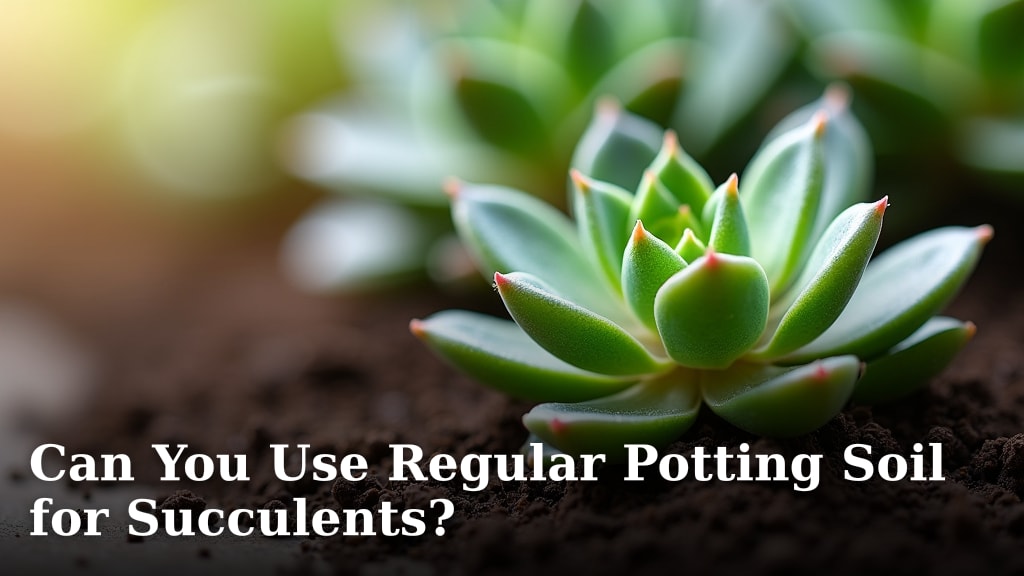
No, you generally cannot use regular potting soil for succulents. Regular potting soil holds too much moisture, which can lead to root rot. Succulents need well-draining soil to thrive.
This is a common mistake for new plant parents. Your lovely little succulents deserve the best. We found that using the right soil is key for their survival and happiness. This means letting excess water drain away quickly.
- Regular potting soil is too wet for succulents.
- Succulents need fast-draining soil.
- Root rot is a major risk with the wrong soil.
- Look for cactus or succulent-specific potting mixes.
Let’s walk through exactly why this is so important and what you should be looking for to keep your succulents happy and healthy.
Understanding Why Regular Potting Soil is Risky for Succulents
So, you’re curious if your go-to potting soil will work for your little succulent friends? It’s a very common question! We found that while it seems like a good idea, using regular potting soil for succulents is generally not recommended. This is because it holds too much water, which can spell disaster for these desert dwellers.
The Moisture Problem: Why Succulents Hate Wet Feet
Succulents are amazing plants. They’ve evolved to store water in their leaves, stems, and roots. This means they can go a long time without a drink. Because of this, they need a soil that dries out quickly. Regular potting soil is designed for plants that love consistent moisture. It often contains ingredients like peat moss and coco coir. These materials are great at holding water. For a succulent, this means their roots can stay wet for too long. Because of this, they need a soil that dries out quickly, and knowing how to water your succulents correctly is key.
Root Rot: The Silent Killer of Succulents
When succulent roots sit in soggy soil, they can’t breathe. This environment is perfect for the growth of fungi and bacteria. These pathogens attack the roots, causing them to rot. This condition is known as root rot. You might first notice it as yellowing leaves or a mushy stem. Sadly, once root rot takes hold, it can be very difficult to save the plant. We found that preventing root rot is much easier than treating it, and the right soil is your first line of defense.
What Makes Succulent Soil Different?
Succulent-specific potting mixes are designed to mimic the arid, rocky conditions where these plants naturally grow. They are formulated for excellent drainage and aeration. This allows water to flow through the pot quickly, preventing the soil from becoming waterlogged. It also means air can reach the roots, keeping them healthy.
Key Components of Well-Draining Soil for Succulents
You might be wondering what goes into a good succulent soil. It’s all about creating a mix that allows water to escape easily. We found that a good mix provides both drainage and some ability to retain a little moisture, but not too much.
The Role of Inorganic Amendments
Many succulent soil recipes rely heavily on inorganic materials. These materials don’t break down over time like organic matter does. This keeps the soil structure open and airy. Common inorganic amendments include:
- Perlite: These are small, white, volcanic glass pellets. They look like little Styrofoam balls. Perlite is very lightweight and creates air pockets in the soil. This significantly improves drainage.
- Pumice: Similar to perlite, pumice is also a volcanic rock. It’s a bit heavier and has a rougher texture. Pumice is excellent for drainage and aeration. It also helps prevent soil compaction.
- Coarse Sand: Not the fine sand you find at the beach! We’re talking about horticultural or builder’s sand. It needs to be gritty and coarse. This helps add weight and improve drainage. Be careful with fine sand, as it can actually clog up the soil.
- Gravel or Small Rocks: Sometimes, small pebbles or gravel are added to the mix. These also help create space for water to drain away quickly.
Organic Components in Moderation
While inorganic materials are key, a small amount of organic matter is still beneficial. This provides some nutrients for your plants. However, it should be used sparingly in succulent mixes.
- Compost or Potting Soil: A small portion of a good quality compost or regular potting soil can be included. This helps the soil retain a tiny bit of moisture and provides nutrients. We found that typically, this makes up no more than 30-50% of the total mix.
- Coco Coir: Sometimes used as a peat moss alternative. While it holds water, it’s generally less prone to becoming waterlogged than peat moss when used in a well-balanced succulent mix.
How to Tell if Your Potting Soil is Suitable
You’ve got a bag of potting soil. How do you know if it’s okay for your succulents? It’s good to do a little test. We found that a simple “squeeze test” can give you a clue.
The “Squeeze Test” for Drainage
Take a small handful of the potting soil and dampen it slightly. Now, squeeze it tightly in your hand. If you squeeze it and water drips out, or if it forms a dense, muddy ball that stays together, it’s likely too wet for succulents. A good succulent mix, when squeezed, will crumble apart easily after the initial moisture is gone. You want soil that feels gritty and airy, not dense and soggy.
What to Look for on Product Labels
When you’re out shopping for soil, keep an eye out for specific labels. Many brands now offer specialized potting mixes. Look for bags that are clearly marked as “Cactus Mix” or “Succulent Mix.” These have already been formulated with the right balance of ingredients for excellent drainage. If you can’t find a specific succulent mix, you can always buy a good quality cactus mix and amend it further by adding more perlite or pumice.
DIY Succulent Soil Mixes: Your Best Bet
Many plant enthusiasts, and we’ve found this to be very effective, prefer to make their own succulent soil. This gives you complete control over the ingredients and ensures the perfect balance for your plants. It’s also often more cost-effective in the long run.
A Simple Recipe for Success
Here’s a straightforward recipe that many find works wonders. You can adjust the ratios slightly based on your climate and watering habits. The goal is always to prioritize drainage. We recommend this starting point:
- 2 parts potting soil (a good quality, peat-free one if possible)
- 1 part perlite
- 1 part pumice
Mix these ingredients thoroughly. You want to see a good distribution of the perlite and pumice throughout the soil. This mix provides a great balance of aeration, drainage, and a little bit of nutrient retention.
When to Use Different Ratios
If you live in a very humid or rainy climate, you might want to increase the amount of perlite and pumice. Perhaps try 1 part potting soil to 2 parts perlite and 2 parts pumice. If you’re in a very dry area and tend to underwater, you might get away with a slightly higher ratio of potting soil, but always err on the side of more drainage. Many experts suggest starting with a 50/50 mix of potting soil and inorganic materials (like perlite or pumice) and adjusting from there.
When It’s Okay to Use Regular Potting Soil (with a Caveat!)
Okay, so we’ve established that regular potting soil is generally a no-go. But are there any exceptions? We found that in some very specific circumstances, you might be able to make it work, but it requires significant modification.
Amending Regular Potting Soil for Drainage
If you absolutely must use regular potting soil and have no other options, you can try to amend it heavily. The goal is to break up the dense structure and introduce as much drainage as possible. You would need to add a substantial amount of inorganic material. Think about adding at least 50% perlite, pumice, or coarse sand to your existing potting soil. Some gardeners even suggest adding up to 75% amendments. Mix it thoroughly. Even then, you’ll need to be extremely careful with watering. You’ll likely have to water much less frequently than you would with a proper succulent mix.
The “Emergency” Potting Soil Mix
Let’s imagine you’re in a pinch. You have a succulent that needs repotting right now, and all you have is regular potting soil. In this emergency situation, you can make it usable. Grab whatever gritty material you have on hand – perlite, coarse sand, even small gravel. Aim to fill at least half, preferably more, of your mix with these drainage enhancers. It won’t be ideal, but it’s far better than plain, wet potting soil. You’ll need to monitor your plant very closely for signs of overwatering.
Choosing the Right Pot for Your Succulent
The type of pot you use also plays a role in how well your soil drains. We found that pot material and drainage holes are super important! The type of planter pots for succulents you choose also plays a role in how well your soil drains.
The Importance of Drainage Holes
This is non-negotiable for succulents! Always use pots that have at least one drainage hole at the bottom. If a pot doesn’t have drainage holes, water has nowhere to go. It will just sit at the bottom, creating that soggy environment succulents hate. Even with the best well-draining soil, a pot without drainage holes is a recipe for disaster.
Terracotta vs. Glazed Pots
Terracotta pots are unglazed and porous. This means they allow moisture to evaporate through the sides of the pot. They tend to dry out faster than glazed ceramic or plastic pots. This can be a big help, especially if you tend to overwater or if your soil mix isn’t as gritty as you’d like. Glazed pots, on the other hand, don’t allow for much evaporation through the sides. You’ll rely more heavily on the drainage hole and your soil mix to keep things from getting too wet.
A Quick Checklist for Happy Succulent Soil
Here’s a simple checklist to make sure you’re on the right track:
- Check the bag: Does it say “Cactus Mix” or “Succulent Mix”?
- Feel the texture: Is it gritty, airy, and lightweight?
- Perform the squeeze test: Does it crumble apart easily when wet?
- Look for drainage holes: Does your pot have them?
- Consider your climate: Adjust amendments for humidity or dryness.
- When in doubt, add more grit: Perlite or pumice are your friends!
Conclusion
You’ve learned that regular potting soil is generally not the best choice for your succulents. Its tendency to hold too much moisture puts your plants at risk of root rot. We found that the key to happy succulents is a well-draining soil mix that allows for quick drying and good airflow. Whether you choose a store-bought cactus mix or create your own DIY blend with ingredients like perlite and pumice, prioritizing drainage is essential. By giving your succulents the right soil foundation and pairing it with pots that have drainage holes, you’re setting them up for a long and thriving life. Make the switch to a gritty, airy mix, and watch your succulents flourish!
Frequently Asked Questions
Can I just add perlite to regular potting soil for my succulents?
Yes, you can significantly improve regular potting soil by adding perlite. We found that adding at least 50% perlite to your existing potting soil will create a much grittier, better-draining mix. This helps prevent the soil from staying too wet. It’s a great way to make do if you don’t have a specific succulent mix on hand.
How often should I water my succulents if I use a gritty soil mix?
With a proper gritty succulent mix, you’ll water much less frequently than with regular potting soil. We found that you should wait until the soil is completely dry before watering again. This often means watering only every 2-4 weeks, depending on your environment and the season. Always check the soil moisture before watering.
What if my pot doesn’t have a drainage hole? Can I still use it for succulents?
We strongly advise against using pots without drainage holes for succulents. Even with the best gritty soil, water will collect at the bottom. This creates a soggy environment that leads to root rot. If a pot has no drainage holes, it’s best to choose another vessel or to carefully transplant your succulent into a pot with them.
Can I use sand in my succulent soil mix?
Yes, but be cautious! We found that horticultural sand or coarse builder’s sand can be used. Avoid fine play sand or beach sand, as these can compact and clog the soil, hindering drainage. The goal is to add grit, and coarse sand helps with that. Ensure it’s a gritty texture.
What are the signs my succulent is getting root rot from the soil?
Look for yellowing leaves, mushy stems, or leaves that fall off easily. If the soil stays wet for a long time after watering, that’s also a strong indicator of poor drainage. We’ve seen that these are early warning signs that your soil might be too dense and holding too much moisture.
