
Why Are My Succulent Leaves Shriveling?
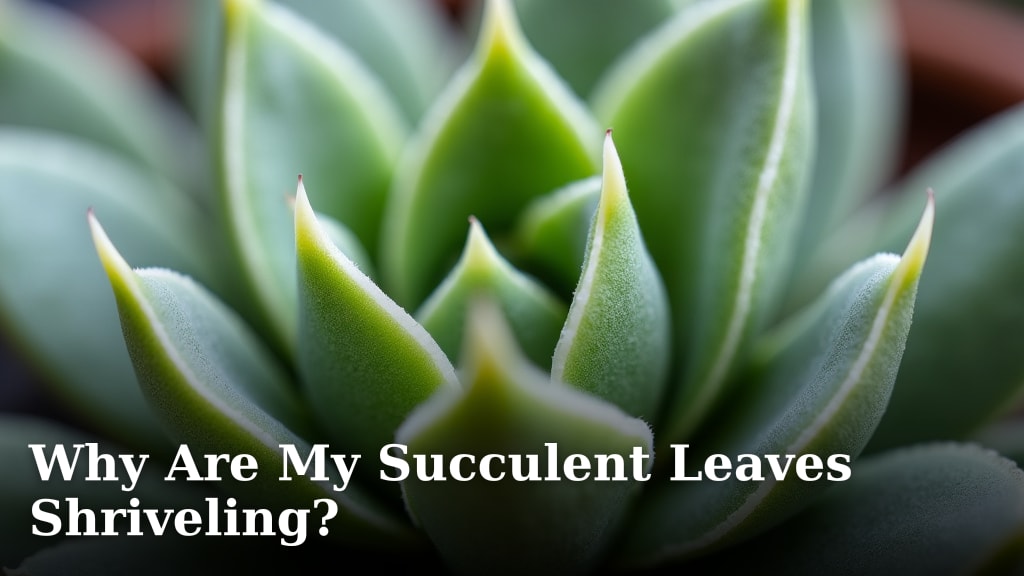
Shriveled succulent leaves usually mean your plant is either thirsty or getting too much sun. When a succulent’s leaves wrinkle and dry out, it’s a cry for help. It’s your plant’s way of telling you something needs to change, and thankfully, it’s often an easy fix. This common problem points to issues with water or light.
Underwatering is the most frequent culprit behind shriveling leaves. Your plant is literally using up the water stored in its leaves. However, too much direct sunlight can also cause leaves to dry out and appear shriveled. It’s a delicate balance to get right for your happy, healthy succulent. We found that understanding these two key factors can save your plant.
- Underwatering: The most common reason for shriveled leaves.
- Too much sun: Can cause leaves to dry out and shrink.
- Check soil moisture: Before watering, feel the soil.
- Adjust light exposure: Move your succulent if it’s in harsh sun.
Let’s dive into why your succulent’s leaves might be looking a little sad and what you can do to bring them back to life.
Common Reasons for Your Succulent Leaves Shriveling
Seeing your succulent’s leaves wrinkle and dry out can be a bit alarming. You might wonder, “Why are my succulent leaves shriveling?” This common issue usually boils down to a couple of key factors. Your plant is trying to tell you something! Let’s figure out what your little green friend needs.
Understanding Succulent Water Needs: The Thirst Trap
Your succulent’s leaves are like tiny water storage tanks. When they look sad and shriveled, it often means they’ve used up their reserves. This is the most **frequent reason** for this problem.
The ‘Thirsty’ Signs: What to Look For
When a succulent is thirsty, its leaves will start to lose their plumpness. They become soft, thin, and begin to wrinkle. Sometimes, they might even feel a bit papery. You’ll notice this shriveling usually starts from the bottom leaves and works its way up. The plant is trying to conserve what little water it has left. This is a **clear sign** your plant is dehydrated.
How Much Water is Enough?
Succulents are desert plants, so they don’t need constant watering. Overwatering is a common mistake, but underwatering is just as detrimental. The key is to water thoroughly only when the soil is completely dry. We found that checking the soil moisture is the **best way** to know when to water.
The Finger Test: Your Best Friend
Stick your finger about an inch or two into the soil. If it feels dry, it’s likely time to water. If you feel any moisture, hold off. You can also use a moisture meter for a more precise reading. This simple test prevents both over and underwatering.
Watering Techniques to Avoid Shriveling
When you do water, make sure to water deeply. Drench the soil until water runs out of the drainage holes. This encourages roots to grow deeper. Shallow watering only wets the top layer of soil, leaving the deeper roots dry. Many succulent enthusiasts agree that **complete soil saturation** is crucial.
When Overwatering Mimics Underwatering
This might sound confusing, but sometimes overwatering can lead to shriveled leaves too! How? When the soil stays wet for too long, the roots can rot. Damaged roots can’t absorb water, even if there’s plenty in the soil. This lack of water absorption makes the leaves shrivel, just like they would if they were truly thirsty.
Signs of Root Rot
Besides shriveling, watch out for yellowing leaves, mushy stems, and a foul smell from the soil. These are all indicators of root rot. If you suspect root rot, you’ll need to act quickly. This requires a different approach than simply giving your plant more water.
What to Do About Root Rot
If you see signs of root rot, gently remove the succulent from its pot. Trim away any rotten, mushy roots with a clean knife or scissors. Let the plant dry out for a few days, then repot it in fresh, well-draining soil. Ensure the pot has drainage holes. This allows the plant to recover from the **stress of rot**.
The Impact of Too Much Sunlight
While succulents love sun, too much of a good thing can be bad. Intense, direct sunlight can scorch and dry out your succulent’s leaves, making them appear shriveled. This is especially true for succulents that are new to a spot or during particularly hot weather.
Sunburn vs. Thirst: Spotting the Difference
Sunburn usually shows up as brown or reddish spots on the leaves, along with the shriveling. The shriveling from sunburn is often more localized to the parts of the plant facing the sun. Thirsty leaves tend to shrivel more uniformly and feel dry and papery all over. We found that observing the pattern of damage helps distinguish between these issues.
Protecting Your Succulent from Harsh Rays
If your succulent is in a spot that gets intense afternoon sun, consider moving it. A location that gets bright, indirect light is often ideal. Think about placing it behind a sheer curtain or on an east-facing windowsill. This provides ample light without the risk of sunburn. Research from horticulturalists suggests that most succulents thrive in **bright, filtered light**.
Acclimatizing Your Plant to New Light Conditions
When you move a succulent to a sunnier spot, do it gradually. Start with a few hours of direct sun each day and increase the exposure over a week or two. This process, known as acclimatization, helps the plant adjust its defenses against the sun. It’s like helping a friend get used to a new routine.
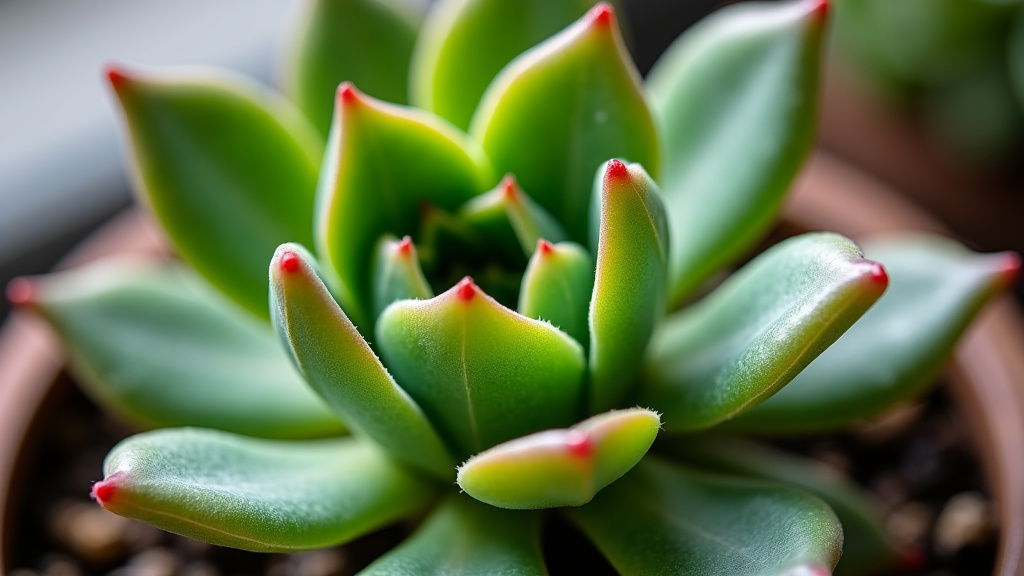
Environmental Factors Affecting Leaf Health
Beyond just watering and sunlight, other environmental factors can influence your succulent’s leaf appearance. Temperature, humidity, and even pests can play a role.
Extreme Temperatures and Their Effects
Succulents are generally hardy, but extreme heat can cause stress. High temperatures can accelerate water loss, leading to dehydration and shriveling. Conversely, very cold temperatures can damage the cells within the leaves, causing them to soften and shrivel. We found that maintaining a **moderate temperature range** is best.
The Role of Humidity and Airflow
While succulents prefer dry conditions, very low humidity can sometimes contribute to water loss from leaves. However, high humidity combined with poor airflow can encourage fungal diseases, which can indirectly impact leaf health. Good air circulation is essential to prevent moisture buildup. This is why a well-draining soil mix is so **important for succulents**.
Pests as a Hidden Culprit
Tiny pests like spider mites or mealybugs can suck the sap from succulent leaves. This damage can cause the leaves to look shriveled, discolored, and weak. Regularly inspecting your plant for any signs of infestation is key. A close look, especially under the leaves, can reveal these tiny troublemakers.
Identifying Common Succulent Pests
Spider mites leave fine webbing and tiny brown spots. Mealybugs look like small white cottony masses, often found in leaf axils. Aphids are small, pear-shaped insects that can be green, black, or brown. Early detection is crucial to prevent them from **damaging your plant**.
Simple Pest Control for Succulents
For minor infestations, a quick spray of water can dislodge some pests. For more stubborn issues, use a cotton swab dipped in rubbing alcohol to dab away mealybugs. Insecticidal soap or neem oil are also effective options. Always follow product instructions carefully.
Troubleshooting Checklist for Shriveling Succulent Leaves
Let’s recap the key steps to diagnose and fix your shriveling succulent leaves:
- Check soil moisture: Is it bone dry or consistently wet?
- Assess sunlight exposure: Is your plant getting too much intense, direct sun?
- Inspect leaves and stems: Look for signs of sunburn, rot, or pests.
- Consider recent changes: Did you recently move the plant or change your watering habits?
- Evaluate pot and soil: Does the pot have drainage? Is the soil well-draining?
- Water correctly: Water deeply only when the soil is completely dry.
Conclusion
Seeing your succulent leaves shrivel can be concerning, but you’re now equipped to help. Remember, shriveling is your plant’s way of signaling a need for adjustment, most often related to watering or light. We’ve found that a little observation goes a long way. Before you reach for the watering can, always check the soil moisture. Likewise, assess if your plant is getting too much direct sun. By understanding these common culprits and observing your plant’s specific signals, you can bring your succulent back to its plump, happy state. Take the next step by performing a quick soil check on your plant today.
Frequently Asked Questions
Why are my succulent leaves turning yellow and shriveling at the same time?
Yellowing leaves along with shriveling can often indicate overwatering that has led to root rot. When roots are damaged, they can’t absorb water, making the plant appear thirsty. Check the soil; if it’s constantly wet, you may need to address root rot by repotting.
Can a drafty window make my succulent leaves shrivel?
Yes, extreme temperature fluctuations from drafty windows can stress your succulent. Rapid changes in temperature can cause water loss from the leaves, mimicking signs of underwatering. Try to move your plant to a more stable environment away from direct drafts.
My succulent’s newest leaves look fine, but the older ones are shriveling. What does this mean?
This often points to underwatering. Succulents use water stored in their older leaves first when they get thirsty. The newest leaves are usually the last to show signs of dehydration. Give your plant a deep watering once you confirm the soil is dry.
Is it normal for a succulent to shrivel slightly after repotting?
It can be normal for a succulent to experience a little stress after repotting, which might include some slight leaf shriveling. This is often due to disturbed roots. Ensure you’re watering correctly and provide it with appropriate light as it settles into its new home.
What is the difference between shriveling from underwatering and shriveling from too much sun?
Underwatering typically causes leaves to feel dry, papery, and shrivel uniformly, often starting from the bottom. Sunburn damage might show reddish or brown spots along with shriveling, and it usually affects the parts of the plant most exposed to intense light.
