
Can You Put a Grow Tent in a Bedroom?
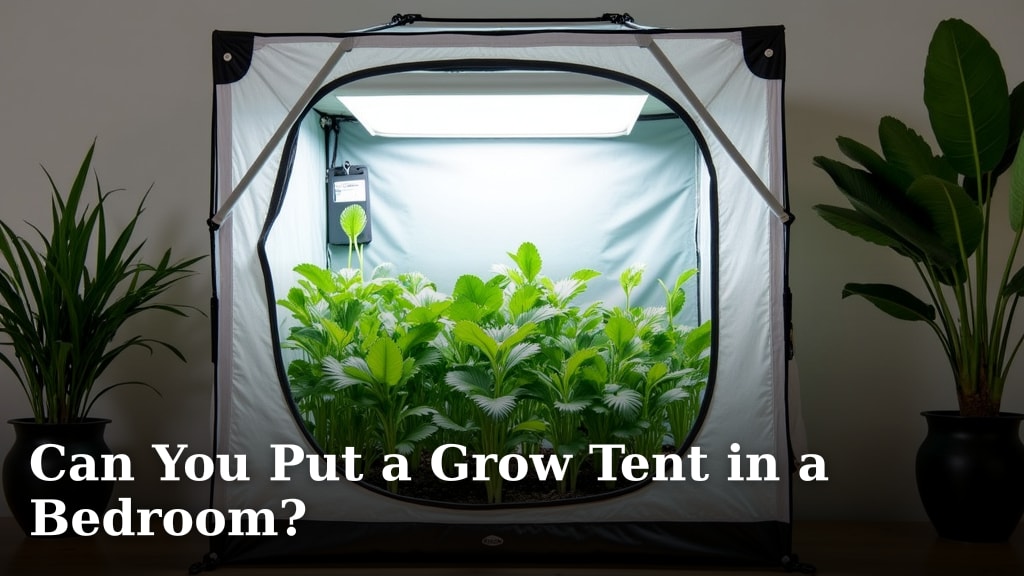
Yes, you absolutely can put a grow tent in your bedroom, but it’s not quite as simple as just setting it up. You need to be aware of a few key things like ventilation, odor control, and light leaks. Getting these right is essential for success and to keep your leafy friends happy without disrupting your own living space.
Many indoor gardeners consider their bedroom a convenient spot for a grow tent due to its privacy and accessibility. However, research and findings from experienced growers show that managing the environment inside the tent is critical. You’ll want to ensure it doesn’t negatively impact the air quality or temperature of your room.
- Yes, you can set up a grow tent in your bedroom.
- Proper ventilation is super important to avoid moisture buildup.
- Odor control is key, especially if you don’t want your room smelling like a greenhouse.
- Light leaks can be an issue for both your plants and your sleep.
- Consider the noise from fans and equipment.
Below, we’ll walk through exactly what you need to consider to make your bedroom grow tent setup work without any unpleasant surprises.
Setting Up a Grow Tent in Your Bedroom: What You Need to Know
Yes, you can definitely put a grow tent in your bedroom! It’s a popular choice for many home growers. Your bedroom offers privacy and easy access. But before you go setting it up, there are some important things to consider. We’ll walk you through making it work smoothly. You want happy plants and a comfortable room, right?
Ventilation: The Breath of Your Grow Tent
Ventilation is perhaps the most critical aspect when placing a grow tent in your bedroom. Without it, you’ll create a humid, stagnant environment. This can lead to mold and mildew issues for your plants. It can also affect the air quality in your bedroom, making it feel stuffy and damp.
Why Proper Ventilation is Key
Plants need fresh air to grow. They take in carbon dioxide and release oxygen. This process requires constant air exchange. Stagnant air also traps heat. Grow lights produce heat, and without ventilation, temperatures inside the tent can skyrocket. This is bad for plant health and could even damage your equipment. Good airflow prevents these problems.
Essential Ventilation Components
You’ll need a few key items for effective ventilation. First, an You’ll need a few key items for effective ventilation, and our guide to choosing grow lights can help.exhaust fan is crucial. This fan pulls stale, humid air out of the tent. Next, you need ducting to direct the air outside the tent. Some growers vent directly into their room, but this is not ideal for moisture and odor control. An intake vent or fan allows fresh air to enter the tent. This can be passive (just an opening) or an active intake fan.
Choosing the Right Fan Size
The size of your exhaust fan depends on the volume of your grow tent. You need to be able to exchange the air inside the tent at least once every minute. To calculate this, measure the length, width, and height of your tent in feet to get the cubic feet of space. Then, find a fan rated for that cubic feet per minute (CFM) or higher. For example, a 4x4x7 foot tent has 112 cubic feet of space. You’d want a fan with at least 112 CFM.
Carbon Filters for Odor Control
If your plants produce odors, a carbon filter is a must-have. This attaches to your exhaust fan. As the air is pulled through the filter, the activated carbon absorbs odor molecules. This keeps your bedroom smelling fresh. It’s like a sophisticated air purifier for your plants’ scent.
Managing Humidity and Temperature
Ventilation directly impacts humidity and temperature. Aim for a relative humidity (RH) between 40-60% for most plants. Temperatures should generally be between 70-80°F (21-27°C). You’ll likely need a If it’s too hot, ensure your fan is strong enough or consider LED grow lights, which produce less heat than older HID lights.thermometer/hygrometer to monitor these levels. If it’s too humid, you might need a more powerful fan or a dehumidifier. If it’s too hot, ensure your fan is strong enough or consider LED grow lights, which produce less heat than older HID lights.
Odor Management: Keeping Things Discreet
Let’s talk about smells. Some plants can have a strong aroma. If you live with others or just prefer a neutral scent in your bedroom, odor control is vital. A well-functioning carbon filter is your best friend here.
The Role of Carbon Filters
As mentioned, carbon filters are designed to remove odors. They are filled with activated carbon, which has a vast surface area. This surface traps odor particles as air passes through. For best results, ensure the filter is properly sealed to your ducting and exhaust fan. We found that replacing the carbon filter periodically (usually every 1-2 years, depending on usage) is important for maintaining its effectiveness.
Sealing Your Grow Tent
Beyond the carbon filter, sealing your grow tent properly helps contain odors. Make sure all zippers are fully closed and there are no gaps in the fabric. Sometimes, light leaks can also be odor leaks, so a good seal helps with both. Think of it as a double layer of defense.
Light Leaks: Protecting Your Plants and Your Sleep
Light management is key for plant growth, but light leaks can be a problem. Plants need specific light cycles for vegetative and flowering stages. Light escaping your tent can disrupt this. Plus, light spilling into your bedroom at night can disturb your sleep.
Understanding Plant Light Cycles
Most plants need a dark period to thrive. For example, many flowering plants need 12 hours of uninterrupted darkness each day. If your tent isn’t light-proof, ambient room light or light from outside can creep in. This can confuse your plants, leading to stress or improper growth. You want darkness when it’s dark and light when it’s light.
Ensuring a Light-Proof Tent
Modern grow tents are usually designed to be light-proof. However, you should still check for potential leaks. Inspect zippers, seams, and ventilation ports. Sometimes, small holes can form over time. You can test your tent by turning off all the lights in your bedroom and looking for any light escaping from the tent. If you find leaks, you can use black tape or patches to seal them up.
Protecting Your Sleep
On the flip side, you don’t want light from your grow tent escaping into your bedroom. Bright grow lights can make it hard to sleep. Ensure your tent is fully sealed from the inside. If you’re still experiencing light spill, consider placing the tent in a corner or using room dividers to block any stray light.
Noise Considerations: Finding Your Quiet Space
Grow tents require equipment that makes noise. Exhaust fans, oscillating fans, and sometimes even pumps can create a constant hum or whirring sound. This noise can be disruptive, especially in a bedroom where you need to relax or sleep.
Reducing Fan Noise
The primary source of noise is usually your exhaust fan. You can mitigate this by choosing a quieter fan model. Look for fans that advertise low noise levels or use sound-dampening materials in their construction. Another effective method is using silencers or mufflers designed for ducting. These attach to your fan and absorb sound waves. We found that running fans at a slightly lower speed (if they have variable speed control) can also reduce noise, but be sure it doesn’t compromise your ventilation needs.
Fan Placement and Vibration
Sometimes, noise comes from vibrations. Ensure your fans are securely mounted and not rattling against the tent poles or walls. Using vibration-dampening pads or mounts can help. Placing your grow tent away from the side of your bed can also make the noise less noticeable.
Space and Aesthetics: Making It Fit In
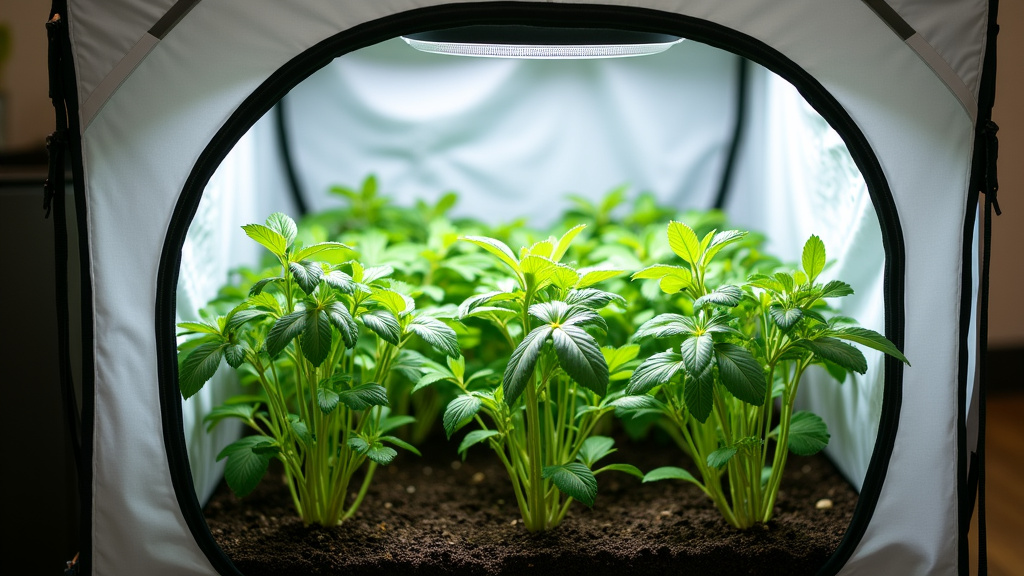
Let’s be practical. A grow tent takes up space. You need to ensure it fits comfortably in your bedroom without making it feel cramped. Consider the tent’s dimensions and where you’ll place it.
Choosing the Right Size Tent
Measure your bedroom carefully. Factor in space for walking around the tent, opening the doors, and accessing your plants. A small tent might be perfect for a few herbs, while larger plants will need more space. Many tents come in standard sizes like 2×2, 4×4, or 2×4 feet. Consider the height, too, especially if you plan on growing taller plants or using trellising.
Integrating the Tent into Your Room
A grow tent doesn’t have to be an eyesore. Many tents are a neutral black color that blends in well. If you’re concerned about aesthetics, you can place the tent in a corner or use other bedroom furniture to help camouflage it. Some growers even get creative with decorative coverings if the tent is in a less visible spot.
Power and Electrical Safety
You’ll need to power your grow lights, fans, and potentially pumps. This means running electrical cords. Safety is extremely important here.
Safe Cord Management
Never overload electrical outlets. Use a high-quality power strip with surge protection. Make sure all cords are routed safely and aren’t a tripping hazard. Avoid running cords under rugs, which can cause damage and pose a fire risk. Secure cords with zip ties or cable management sleeves. Many experts recommend using a dedicated circuit if possible for your grow setup to avoid tripping breakers (National Electrical Code guidelines).
Water and Electricity: A Dangerous Mix
Be extra careful when watering your plants inside or near the grow tent. Spills can create hazards. Keep electrical components away from any potential water sources. Ensure your hands are dry when plugging or unplugging equipment.
Checklist for Your Bedroom Grow Tent Setup
Here’s a quick rundown to make sure you’re ready:
- Have you measured your space and chosen the right tent size?
- Is your ventilation system (exhaust fan, ducting, carbon filter) properly sized and installed?
- Have you checked for light leaks inside and outside the tent?
- Is your electrical setup safe, with no overloaded outlets or tripping hazards?
- Do you have a thermometer/hygrometer to monitor temperature and humidity?
- Is there a plan for noise reduction if needed?
Conclusion
You can absolutely set up a grow tent in your bedroom, and with the right preparation, it can be a successful setup. The key is to carefully manage ventilation, odor, and light leaks to ensure a healthy environment for both your plants and yourself. By addressing these factors, you create a discreet and functional growing space. Before you finalize your setup, double-check your checklist and ensure your electrical safety measures are in place. Now, you’re ready to get growing in your personal oasis!
Frequently Asked Questions
How much noise is too much noise from a grow tent in a bedroom?
Noise is subjective, but if you find yourself unable to sleep or concentrate due to fan hum or vibrations, it’s too much. Research shows that quieter fan models and duct silencers can significantly reduce noise levels. Ensure your fans are properly mounted to minimize vibrations, which often contribute to the perceived noise.
Can a grow tent affect the air quality in my bedroom?
Yes, without proper ventilation, a grow tent can negatively impact your bedroom’s air quality. Stagnant, humid air can make your room feel stuffy and promote mold growth. A well-functioning exhaust fan and carbon filter system will exchange air and remove odors, keeping your bedroom air fresh and clean.
What happens if my grow tent isn’t light-proof?
If your grow tent isn’t light-proof, it can disrupt your plants’ natural light cycles, causing stress and affecting their growth stages. It can also lead to light leaking into your bedroom, which might interfere with your sleep. Small light leaks can usually be patched with black tape.
How often should I replace the carbon filter in my grow tent?
The lifespan of a carbon filter depends on usage and the intensity of odors. Generally, you should plan to replace your carbon filter every 1-2 years. If you notice odors escaping the tent or a decrease in airflow, it’s a good sign that your filter needs replacement.
Is it safe to run grow lights and fans off a regular bedroom outlet?
For most small setups, a standard bedroom outlet is sufficient. However, it’s essential to avoid overloading it. Use a high-quality surge protector and avoid plugging in too many high-wattage devices on the same circuit. For larger tents with powerful lights, consider consulting an electrician about a dedicated circuit.
