
Can You Overwater Plants with a Self Watering Planter?
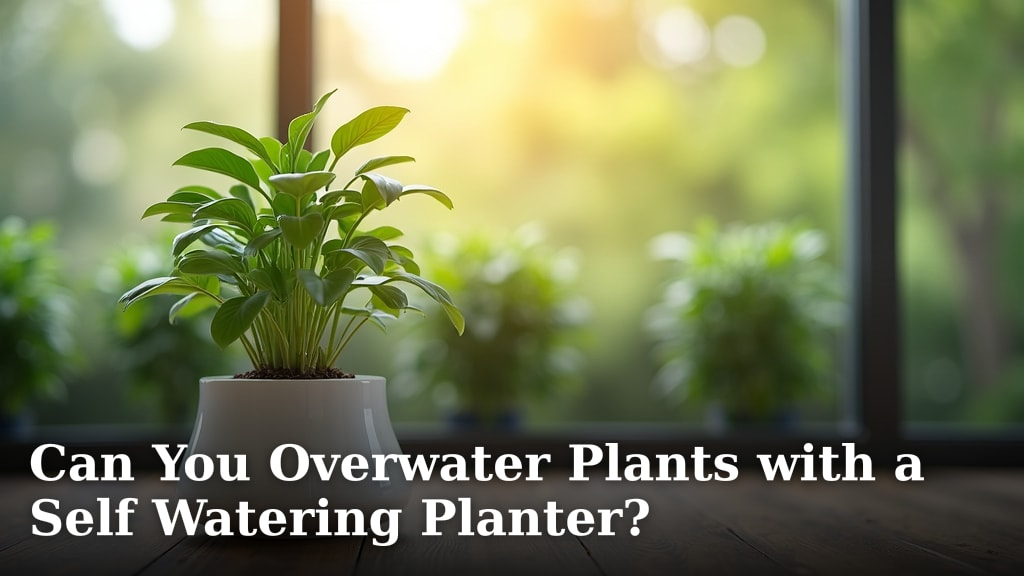
Yes, you absolutely can overwater plants with a self-watering planter. While designed to prevent under-watering, they can still lead to waterlogged soil if not used correctly. It’s a common mistake, but one that’s easy to avoid with a little understanding.
Self-watering planters work by using a reservoir to provide consistent moisture to your plant’s roots. This sounds ideal, but overfilling the reservoir or choosing the wrong plant can create conditions where the soil stays too wet. This can then lead to root rot, which is bad news for almost any plant.
- You can overwater plants using self-watering planters.
- The key is understanding how they work and matching them to plant needs.
- Overfilling the reservoir is a common culprit.
- Choosing the right plant for the planter is also important.
- It’s about balance, not just “set it and forget it.”
Let’s dive into how to make your self-watering planters work for you, not against your plants.
The Real Risk: Overwatering with Self-Watering Planters
Yes, you absolutely can overwater plants with a self-watering planter. It might seem counterintuitive, but these handy pots aren’t foolproof. They are designed to help prevent dehydration, but they can also create a swampy environment if you’re not careful. This is especially true for plants that don’t enjoy constantly wet feet. We’ll walk you through how to avoid this common pitfall and keep your green friends happy and healthy.
How Self-Watering Planters Work (and Where Things Can Go Wrong)
Understanding the basic mechanics of your self-watering planter is key. Most use a water reservoir at the bottom. A wicking system, often a rope or a porous material, draws water up from the reservoir into the soil as the plant needs it. This creates a consistent moisture level. It’s a clever system that mimics how nature might keep soil hydrated.
The potential for overwatering arises in a few ways. One common issue is simply overfilling the reservoir. If the water level sits too high, it can saturate the soil from the bottom up, leaving no room for air. Another problem is the type of plant you choose. Some plants, like succulents or cacti, *need* their soil to dry out between waterings. Forcing them to sit in consistently moist soil is a recipe for disaster.
Understanding Soil Moisture: The Goldilocks Zone
Plants need a balance of water and air in their soil. Think of it like us needing food and air to live. Roots need oxygen to breathe and function properly. When soil is constantly waterlogged, the air pockets are filled with water. This suffocates the roots, making them prone to root rot. Root rot is a fungal disease that can quickly kill your plant.
The goal with any planter, including self-watering ones, is to keep the soil moist, but not soggy. We’re aiming for that sweet spot where the soil feels like a well-wrung-out sponge. It should feel cool and damp to the touch, but not drip water when you squeeze it. This ensures your plant has access to water while still allowing its roots to breathe.
The Reservoir: Friend or Foe?
Your self-watering planter’s reservoir is its defining feature. It’s designed to provide a steady supply of water. However, it’s also the primary area where overwatering can occur. If your reservoir has a clear indicator, you can easily see when it’s full. The problem arises when you either don’t check it, or you keep topping it up even when the soil is already wet.
Many self-watering planters have a fill tube or a designated opening to add water. It’s crucial to use this opening rather than just pouring water directly into the topsoil. Pouring water on top can sometimes compact the soil and bypass the wicking system initially, leading to uneven moisture. It can also lead to a situation where the top layer is dry, but the bottom is a waterlogged mess.
Signs Your Reservoir is Too Full
How can you tell if the reservoir is contributing to overwatering? Look for visible signs around the base of your planter. If you see water pooling on the surface of the soil, or if the soil near the top consistently looks dark and wet, your reservoir is likely too full or the wicking system is too efficient for your plant.
Another indicator is the plant itself. If your plant’s leaves are turning yellow and dropping, especially the lower ones, it could be a sign of overwatering. Wilting, even when the soil is wet, can also be a symptom. This happens because damaged roots can’t absorb water effectively, even though it’s available.
Choosing the Right Plants for Self-Watering Success
Not all plants are created equal when it comes to moisture preferences. Some plants absolutely thrive in consistently moist conditions, making them excellent candidates for self-watering planters. Others, however, will suffer if their roots are kept too wet for too long. On the flip side, you should be very careful when placing plants that prefer drier conditions into a self-watering setup.
Plants that generally do well include many tropical foliage plants. Think of plants like Peace Lilies, African Violets, and many types of ferns. These plants often grow in environments where the soil stays consistently humid and moist. They can benefit greatly from the steady supply of water a self-watering planter provides.
Plants to Be Cautious With
On the flip side, you should be very careful when placing plants that prefer drier conditions into a self-watering setup. Succulents, cacti, and many herbs like rosemary and thyme fall into this category. These plants are adapted to arid environments and need their soil to dry out completely between waterings. For these types of plants, a traditional pot with good drainage is usually a better choice.
If you are determined to use a self-watering planter for a drought-tolerant plant, you’ll need to be extra vigilant. You might need to let the reservoir run completely dry for extended periods. You’ll also want to check the soil moisture directly by sticking your finger into the soil. This helps ensure the plant isn’t getting too much water.
Monitoring Your Plant: The Key to Avoiding Overwatering
The biggest mistake people make with self-watering planters is thinking they can “set it and forget it.” While they reduce watering frequency, they don’t eliminate the need for monitoring. Your plant still needs your attention!
Regularly check the soil moisture. The best way is to stick your finger about an inch or two into the soil. If it feels dry, it’s time to consider refilling the reservoir. If it feels damp or wet, hold off. This simple step can prevent most overwatering issues. Many experts recommend this tactile check as the most reliable method (University of Minnesota Extension).
When to Let the Reservoir Dry Out
For many plants, it’s beneficial to let the reservoir go completely dry occasionally. This allows the soil to dry out a bit, mimicking natural rainfall patterns. It gives the roots a chance to breathe and can help prevent fungal diseases. How often you do this depends on the plant and its environment.
For plants that prefer drier conditions, you might let the reservoir stay empty for a week or more. For plants that like consistent moisture, perhaps only let it go dry for a day or two before refilling. It’s a balancing act, and observing your plant is the best guide.
Observing Your Plant for Distress Signals
Your plant will tell you if something is wrong. Beyond yellowing leaves, watch for wilting (even with wet soil), stunted growth, or a musty smell coming from the soil. These are all signs that your plant might be struggling with too much moisture.
Conversely, if the leaves are crispy and brown, and the soil is bone dry even after the reservoir has been full, your plant might be under-watered or the wicking system isn’t working effectively. In this case, you might need to water from the top to ensure the entire root ball gets hydrated.
Troubleshooting Common Self-Watering Planter Problems
Even with the best intentions, you might run into issues. Here are a few common problems and how to solve them.
The Soil Stays Too Wet
If your soil consistently feels waterlogged, despite not overfilling the reservoir, the wick might be too absorbent, or the planter might be too large for the plant. You can try using a less absorbent wick material or a smaller planter. For some planters, you can adjust the wick length or thickness to control water flow.
The Soil Stays Too Dry
If your soil isn’t getting enough water, ensure the wick is making good contact with both the water in the reservoir and the soil. Sometimes, the wick can pull away from the soil as the plant grows. You might need to reposition it or add a second wick. Also, make sure the reservoir is actually full of water and the fill tube is clear.
Algae Growth in the Reservoir
If your reservoir is clear and exposed to light, algae can grow. This usually isn’t harmful to the plant, but it can look unsightly. Many self-watering planters have opaque reservoirs or dark coatings to prevent this. If yours is clear, you can try covering the fill tube opening or placing the planter in a location with less direct light.
A Quick Checklist for Self-Watering Planter Care
To help you keep your plants happy and avoid overwatering, follow this simple checklist:
- Check soil moisture with your finger before refilling the reservoir.
- Choose plants that enjoy consistent moisture for best results.
- Let the reservoir run dry occasionally for most plants.
- Observe your plant for signs of distress (yellow leaves, wilting).
- Ensure the wick has good contact with soil and water.
- Clean the planter and replace wicks as needed.
Conclusion
Self-watering planters are fantastic tools for plant care, but they aren’t a magic bullet against overwatering. You’ve learned that success hinges on understanding your plant’s needs and the planter’s mechanics. Keeping the reservoir topped up constantly can drown roots, especially for drought-loving species. By regularly checking soil moisture and observing your plant for distress signals, you can find that perfect balance.
Your next step? Take a moment to feel the soil of your plant in a self-watering planter. Adjust your watering habits based on what you discover, and watch your happy, healthy plant thrive!
Frequently Asked Questions
Can I use a self-watering planter for a cactus?
It’s generally not recommended to use a self-watering planter for cacti. Cacti need their soil to dry out completely between waterings to prevent root rot. A self-watering planter provides constant moisture, which goes against a cactus’s natural needs.
How often should I fill the reservoir?
The frequency of refilling depends entirely on your plant and its environment. For plants that love moisture, you might refill it every week or so. For plants that prefer drier conditions, you may let the reservoir go empty for a week or more between refills. Always check the soil moisture first.
What does it mean if my plant wilts in a self-watering planter?
Wilting in a self-watering planter, especially when the soil is wet, is a major red flag for overwatering. Damaged or suffocated roots can no longer absorb water effectively, even if it’s available in the soil. This is often a sign of root rot setting in.
Can I use any potting mix in a self-watering planter?
It’s best to use a well-draining potting mix specifically designed for containers. Avoid heavy garden soil, as it can compact easily and prevent air circulation, exacerbating moisture issues in a self-watering system. A lighter mix helps ensure roots get oxygen.
How do I know if the wick is working correctly?
A properly working wick should keep the soil consistently moist but not soggy. If the soil is too dry, the wick might not be making good contact with both the water and the soil. If the soil is constantly waterlogged, the wick may be too absorbent or the planter too large. You can test this by gently pulling the wick out to check its condition and contact points.
