
Can You Grow Herbs in a Hydroponic Tower Indoors?
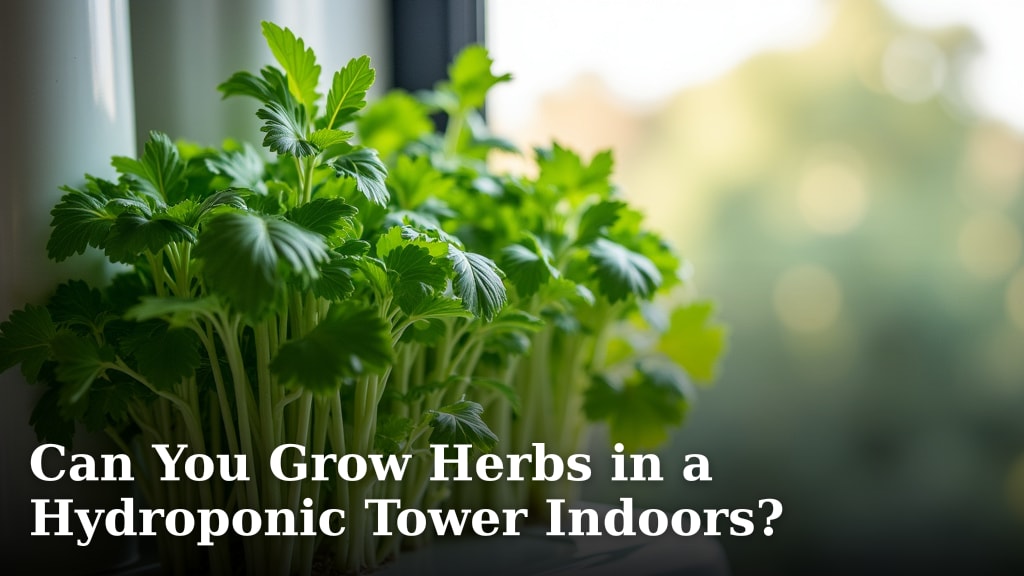
Yes, you absolutely can grow herbs in a hydroponic tower indoors! It’s a fantastic way to get fresh greens year-round, regardless of your outdoor gardening space. This method offers a controlled environment for healthy plant growth.
Hydroponic towers are designed for vertical gardening, making them perfect for small indoor spaces. They use a nutrient-rich water solution instead of soil. This means you can enjoy fresh basil, mint, or even lettuce right in your kitchen.
- Hydroponic towers let you grow herbs indoors.
- They use water and nutrients, no soil needed.
- Great for small spaces and year-round harvests.
- You can grow many types of herbs easily.
Below, we’ll walk you through exactly how to set up your indoor hydroponic herb garden and what you need to know for success.
Growing Herbs Indoors With Hydroponic Towers Is Achievable
Yes, you can absolutely grow herbs in a hydroponic tower right inside your home. It’s a super accessible way to have fresh flavors on hand. Many people think gardening requires a big backyard. That’s not the case anymore. Hydroponic towers change the game for indoor growing. You get to skip the soil and messy cleanup. This system uses water and nutrients to feed your plants.
You might be wondering how this works. A hydroponic tower uses a technique called aeroponics or nutrient film technique. Water is pumped to the top and trickles down. It nourishes the roots of plants growing in pods. This constant flow ensures your herbs get everything they need. It’s efficient and clean. It’s also a great project for beginners. You’ll be surprised how quickly your herbs grow.
Your Indoor Hydroponic Herb Garden: What You Need to Get Started
Setting up your hydroponic herb garden is simpler than you might think. You don’t need to be a tech whiz or a master gardener. Most hydroponic towers come as a complete kit. This makes the initial setup a breeze. Let’s look at the essential components you’ll want to have.
The Hydroponic Tower Itself
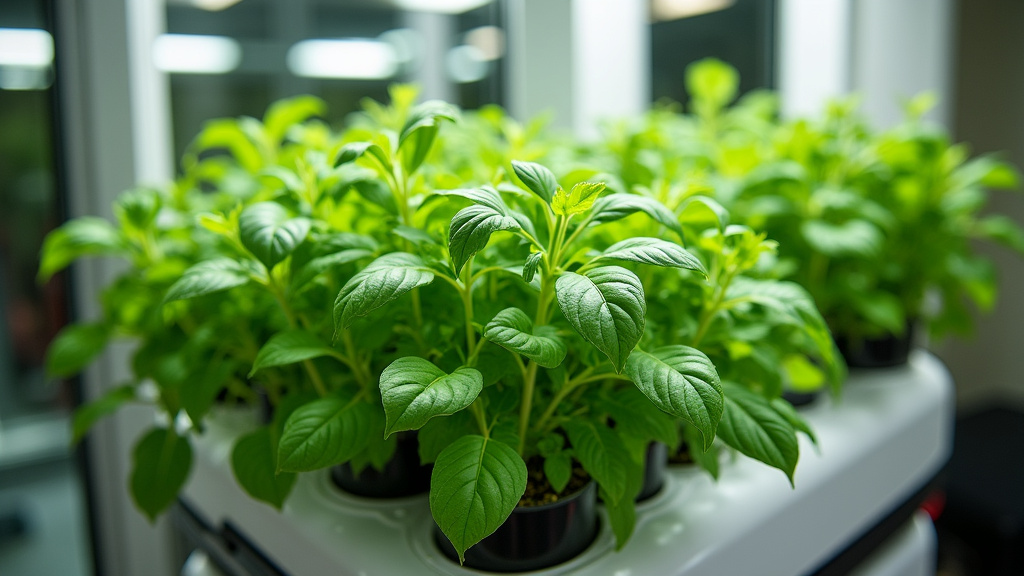
This is the central piece of your setup. Hydroponic towers are designed vertically. This saves a lot of floor space. They have multiple openings or pods where you’ll place your plants. Many towers come with built-in LED grow lights. This is a huge plus for indoor growing. It ensures your herbs get the right spectrum of light. Some models are basic towers, while others are more automated. You can find towers that fit almost any budget.
Nutrients and Water
Instead of soil, your herbs will live in a nutrient-rich water solution. You’ll need to purchase a hydroponic nutrient solution. These are specially formulated liquids. They contain all the minerals your plants need to thrive. Most kits will recommend a specific type. You’ll also need a water reservoir. This is usually at the base of the tower. It holds the water and nutrient mix.
Growing Medium and Seeds/Seedlings
Since there’s no soil, you’ll use a soilless growing medium. Rockwool cubes are very common. They provide a stable base for seeds or small seedlings. You can also use coco coir or peat moss plugs. These hold moisture well. Then, you’ll need your herb seeds or small seedlings. For beginners, starting with seeds is often more economical. You can find pre-started seedlings too, if you want to speed things up.
Lighting Considerations
If your tower doesn’t come with integrated lights, you’ll need separate grow lights. Herbs, like most plants, need adequate light to grow. A full-spectrum LED grow light is ideal. It mimics natural sunlight. You’ll want to place the light close enough to the plants. This ensures they get the full benefit. Many grow lights have timers. This helps automate the lighting schedule. If your tower doesn’t come with integrated lights, you’ll need a full-spectrum LED grow light.
pH and TDS Meters (Optional but Recommended)
To get the best results, consider investing in a pH meter and a TDS (Total Dissolved Solids) meter. A pH meter tells you the acidity or alkalinity of your water. Most herbs prefer a pH between 5.5 and 6.5. A TDS meter measures the concentration of nutrients in your water. These tools help you keep your plants healthy. They aren’t strictly necessary for basic herb growing, but they help a lot.
Choosing the Right Herbs for Your Hydroponic Tower
Not all herbs are created equal when it comes to hydroponic growing. Some are superstars, while others might be a bit more challenging. For your first indoor garden, stick with the easy wins. These herbs are forgiving and grow quickly.
Top Herb Choices for Beginners
Research suggests that leafy herbs tend to do very well in hydroponic systems. They don’t require deep root systems. This makes them perfect for the limited space in a tower. Here are some excellent choices to start with:
- Basil: This is a crowd-pleaser. It grows fast and smells amazing.
- Mint: Be warned, mint can be a vigorous grower. It loves moisture.
- Lettuce and Leafy Greens: While not technically herbs, lettuce varieties are perfect. Think romaine or butter lettuce.
- Parsley: Flat-leaf or curly parsley does great. It has a slightly peppery taste.
- Cilantro: This herb can be a bit finicky with heat. It does well in cooler indoor temperatures.
- Chives: These oniony greens add a nice kick to dishes.
- Oregano: A hardy herb that tolerates varying conditions.
Herbs That Might Need More Attention
Some herbs have larger root systems or different needs. You can still grow them, but they might require more monitoring. These include rosemary, thyme, and sage. These woody herbs prefer a slightly drier environment. They might need a bit more careful watering management in a hydroponic setup.
Step-by-Step Guide to Setting Up Your Hydroponic Tower
Ready to get your hands (a little bit) dirty? Let’s walk through the setup process. We’ll break it down into easy steps.
Assembly and Initial Fill
First, follow the manufacturer’s instructions to assemble your tower. It’s usually pretty straightforward. Once assembled, fill the reservoir with clean water. Consult your nutrient solution’s packaging for the correct mixing ratio. Add the nutrients to the water. Mix it thoroughly. Ensure the pump is submerged and connected.
Planting Your Seeds or Seedlings
If you are starting from seeds, place them in your chosen growing medium, like rockwool cubes. Soak the cubes in plain water or a very diluted nutrient solution. Once your seeds have sprouted and have a small root showing, they are ready. Gently place these cubes into the designated spots on your tower. If you are using seedlings, carefully remove as much soil as possible from the roots. Then, place the seedling and its remaining root ball into the tower opening.
Setting Up Lighting and Timers
Position your grow light above the plants. The ideal distance varies by light type, so check the manufacturer’s guide. Set your light timer. Most herbs need about 12-16 hours of light per day. This mimics a good amount of sunshine. Ensure the lights aren’t shining directly into your eyes for too long! Some plants might grow better with slightly different light cycles.
Monitoring and Maintenance
This is where the magic happens. Regularly check your water level. Top it off with plain water as needed. Check the nutrient solution every week or two. You’ll likely need to empty and refill the reservoir periodically. This prevents nutrient imbalance and buildup. We found that changing the water every two weeks is a good rule of thumb for most systems.
Monitor the pH and TDS if you have meters. Adjust them as necessary. Keep an eye out for any signs of stress on your plants. This might include yellowing leaves or wilting. These are often signs that something needs adjustment in the nutrient solution or lighting.
Tips for Maximizing Your Indoor Herb Harvest
Want to get the most out of your hydroponic herb tower? A few simple practices can make a big difference. Think of it like giving your plants a little extra TLC. They’ll reward you with lush growth and abundant harvests.
Regular Harvesting Techniques
Don’t be afraid to harvest your herbs! Regular trimming actually encourages more growth. For leafy herbs like basil and lettuce, pinch or snip off the top leaves. This prevents the plant from getting too tall and leggy. For herbs like chives, cut them near the base. Always leave some leaves on the plant so it can continue to photosynthesize. We found that harvesting a little bit every few days keeps the plant producing.
Pruning and Plant Health
Remove any yellowing or dead leaves promptly. This prevents disease and directs energy to healthy growth. If a plant seems to be taking over, prune it back gently. Ensure good airflow around your plants. This helps prevent mold and fungal issues. A small fan can be beneficial if your growing area is very still.
Nutrient Management Best Practices
Use the nutrient solution recommended for your specific system. Follow the dilution instructions carefully. Over-fertilizing can harm plants. Under-fertilizing will stunt growth. Keep a log of when you change the water and nutrients. This helps you stay organized. Many experts suggest using filtered or RO water if your tap water is very hard. Hard water can affect nutrient availability.
Here’s a quick checklist to keep your hydroponic herb garden thriving:
- Check water levels daily.
- Top off reservoir with plain water as needed.
- Monitor nutrient levels weekly.
- Change nutrient solution every 1-2 weeks.
- Check pH and TDS levels regularly (if using meters).
- Harvest herbs regularly to encourage growth.
Troubleshooting Common Hydroponic Herb Issues
Even with the best intentions, you might run into a few hiccups. Don’t get discouraged! Most common issues have straightforward solutions. It’s all part of the learning process.
Yellowing Leaves
Yellow leaves can signal a few things. It might be a nutrient deficiency. Check your nutrient solution. Is it mixed correctly? Has it been too long since you changed it? It could also be a pH imbalance. If the pH is too high or too low, plants can’t absorb nutrients properly. Another common cause is insufficient light. Ensure your grow light is adequate and positioned correctly.
Wilting Plants
Wilting often points to problems with water uptake. First, check your pump. Is it running and circulating water properly? Is the water level in the reservoir sufficient? If the roots have become root-bound, this can also impede water absorption. You might need to prune the roots gently or transplant to a larger system if this happens with mature plants.
Pests and Diseases
Indoor gardens are less prone to pests than outdoor ones. However, they can still happen. Small flying insects like fungus gnats can be an issue. They are attracted to moist conditions. Ensure good airflow and avoid overwatering the growing medium. If you spot pests, try natural solutions first. Insecticidal soap or neem oil can be effective. Keep your growing area clean. This is your best defense against most problems.
Slow Growth
If your herbs aren’t growing as quickly as you’d hoped, consider these factors. Are they getting enough light? Check the duration and intensity. Is the nutrient solution balanced and at the correct concentration? Too much or too little can slow growth. Ensure the temperature in your growing area is stable. Extreme temperatures can stress plants.
It’s helpful to keep a simple log of your hydroponic system’s parameters. Record when you change the water, nutrient levels, and pH. This makes troubleshooting much easier. You can quickly see if a change corresponds with a plant issue. Many gardeners find this method surprisingly rewarding. You get delicious fresh herbs year-round!
Conclusion
Growing herbs in a hydroponic tower indoors is completely achievable and incredibly rewarding. You’ve learned how simple it is to set up your own indoor garden, choosing the best herbs for beginners and understanding the basic needs of your plants. With a little attention to nutrient levels, lighting, and regular harvesting, you’ll soon be enjoying fresh, homegrown herbs year-round. Ready to start your journey? Your first hydroponic tower is waiting – pick out your favorite herbs and get planting!
Frequently Asked Questions
How often do I need to change the water in my hydroponic tower?
We found that changing the nutrient solution every one to two weeks is generally best for most hydroponic herb towers. This helps prevent nutrient imbalances and keeps your plants healthy. Always check your system’s specific recommendations.
Can I grow herbs that need less water, like rosemary, in a hydroponic tower?
While possible, woody herbs like rosemary and thyme can be a bit trickier. They prefer drier conditions than many leafy greens. You’ll need to monitor them closely to ensure they don’t become overwatered in a hydroponic system.
What happens if my hydroponic tower doesn’t have a built-in grow light?
No worries! If your tower doesn’t include a light, you’ll need to get a separate full-spectrum LED grow light. Position it close to your plants, typically providing 12-16 hours of light per day using a timer.
How do I know if my nutrient solution is correct?
Using a TDS meter is the easiest way to check nutrient concentration. If you don’t have one, carefully follow the nutrient manufacturer’s instructions for mixing. We also recommend checking the pH level regularly, aiming for 5.5-6.5 for most herbs.
My basil plant is growing very tall and leggy. What should I do?
This usually means your plant needs more light or it’s time for a good harvest. Regularly pinch or snip the top leaves off your basil plant. This encourages bushier growth and prevents it from getting too leggy.
