Indoor Planters and Supports
A cachepot is a decorative outer pot that holds a plant in its own nursery pot. For direct planting, choose a pot with drainage and a saucer, or use a liner inside a decorative planter.
On this page (11 sections)
- What is a cachepot, and when should you use one?
- Should an indoor planter have drainage holes?
- How should you match planter size and shape to a plant?
- How do you set up a planter liner or insert?
- How do you choose a stand, shelf or hanging planter?
- When is a self-watering planter useful?
- What supports help climbing or top-heavy plants?
- Which pots suit orchids and other specialist plants?
- How can you keep pets from digging in planter soil?
- Explore indoor planters and supports by topic
- Which indoor planter setup should you choose?
A cachepot is a decorative outer pot for a plant growing in a separate nursery pot. Choose one when you want to change a plant’s look without repotting; for direct planting, use a container with drainage and a way to catch runoff.
The right setup depends on the plant, the way you water, and where the pot will sit. This guide covers cachepots, draining planters, liners, saucers, stands and plant supports, with links to focused guides for each choice.
What is a cachepot, and when should you use one?
A cachepot is an outer container that hides a nursery pot. It lets you swap the display pot or move the plant for watering without disturbing its roots.
Learn more about what a cachepot planter is before deciding between an outer pot and a container for direct planting. Cachepots often have no drainage hole, so remove the plant’s inner pot to water and let it drain before putting it back.
Measure the nursery pot’s widest point and height. Leave enough clearance to lift it out, but avoid a very loose fit that lets it tip or sit unevenly.
Choose a cachepot for easy changes and contained watering. Choose a draining planter if you want to plant directly into the container.
How do you choose a cachepot material and color?
Choose a cachepot by the fit, weight and finish that suit the room. Ceramic can give a substantial decorative look, while lightweight materials may be easier to move when the plant needs watering.
A black planter can blend into dark furniture or make green foliage stand out. Compare shapes and finishes in our guide to the best black indoor planter.
Ceramic is one common choice for a decorative outer pot. See our ceramic plant pot covers guide for cachepots, and compare large white indoor planters if you want a lighter accent.
Should an indoor planter have drainage holes?
Use a pot with drainage holes when planting directly into it. For steps, see our ceramic pot planting guide.
Holes let excess water escape, while a saucer or tray protects the surface underneath.
A decorative planter without holes can still work if you use it as a cachepot. Keep the plant in a removable inner pot, and empty any water that collects in the outer container.
If you do plant directly into a decorative container, confirm that it has drainage and plan how to catch water. Our indoor plant pots with drainage guide covers this setup, and our guide to large indoor planters with drainage focuses on bigger containers.
How do you keep a planter from leaking?
Catch runoff with a saucer sized to the pot’s base. The saucer should hold water without making the container unstable or hard to move.
A liner can protect a decorative outer planter from minor drips, but it does not replace a drainage hole in the inner planting pot. Compare best indoor planter liners and best plant saucers for indoor pots for these two roles.
Check the saucer after watering and empty standing water. If the pot base sits in water, lift it with pot feet or a raised insert so it can drain.
How should you match planter size and shape to a plant?
Choose a container that fits the plant’s root ball and the place where it will sit. A pot that is too large can hold more wet soil than the roots can use, while a tight pot can limit room for growth.
Measure the plant’s current pot and check the new container’s inside dimensions. Outside height and width can differ from the usable planting space, especially when the pot narrows toward its base.
Large round planters suit plants that need a broad visual base. Compare large round indoor planters and large tall indoor planters for different proportions.
For a modern look, see large modern indoor planters. If you want several matching containers, compare an indoor planter set of 3.
What should you check before choosing a large planter?
Check the planter’s dimensions, weight and placement before filling it. A heavy pot is harder to move, and a large container needs room for the plant’s canopy as well as its base.
The Veradek Mason Series Demi Planter is a round, 18.5 in wide and 20 in high planter with pre-drilled drainage holes. Its plastic-stone composite and textured finish suit buyers looking for a substantial modern planter.
The SnugNiture Set of 2 Round Tall Planters measures 22.2 in high, with a 12.8 in top diameter. Each has a removable insert shelf with drainage holes, which separates the plant from the bottom of the container.
Use either planter only after checking the available space and the plant’s needs. A planter’s size alone does not tell you how much soil the roots require.
How do you set up a planter liner or insert?
Use a liner or insert to separate the plant’s soil from a decorative outer pot. Check that the inner pot fits and can be removed for watering or care.
Some planters have a removable insert shelf. The SnugNiture set includes an insert shelf with drainage holes, while other containers may need a separate nursery pot or liner.
Avoid sealing water between the liner and outer pot. After watering, check the bottom and empty any collected water so the plant is not left sitting in it.
Should you use filler in a deep planter?
Use filler only when it suits the planter design and leaves enough room for the roots and soil. A deep decorative pot can look oversized around a small nursery pot, but adding material underneath can also make the plant harder to water or remove.
Keep the plant’s root ball in the growing medium recommended for it. Our indoor planter fillers guide can help you compare ways to fill empty space without confusing decorative support with root space.
How do you choose a stand, shelf or hanging planter?
Choose a support that matches the pot’s base, weight and location. Measure the footprint and check stability before putting a plant on a stand, shelf or hanging hook.
A planter with legs lifts the pot off the floor and makes its shape part of the display. Compare indoor planters with stands if you want a raised pot.
Use a corner stand when floor space is limited, or a wall shelf when the floor needs to stay clear. See indoor corner plant stands and indoor wall shelves for plants for those layouts.
A bamboo stand can bring a natural material into the room. Review bamboo plant stands for indoors and check that each pot sits securely on its support.
Hanging planters keep pots above the floor, but water control matters. A hanging planter with a drainage tray can help catch runoff; check the ceiling or wall mount’s suitability before installation.
How can you move a heavy indoor planter?
Move a heavy planter only when you can keep it stable and protect the floor. Emptying the pot first can reduce the load, and a plant caddy may help with containers that need regular moving.
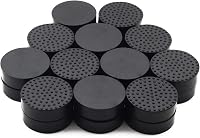
For a large pot that stays in one room, compare a heavy duty rolling plant caddy. If the planter should remain slightly raised and stationary, plant pot feet may suit the setup.
When is a self-watering planter useful?
A self-watering planter can suit a plant and routine that work with its water reservoir system. Check how the pot separates water from soil and follow its setup instructions for the plant you grow.
These planters do not remove the need to check moisture. Water needs vary by plant, light, room temperature and season, so use the reservoir as part of a routine rather than assuming every plant needs the same schedule.
Compare large indoor self-watering planters if you want a larger reservoir-style container. For a long, low arrangement, see indoor planter boxes.
What supports help climbing or top-heavy plants?
Use a trellis or stake when a plant’s stems need help staying upright or climbing. Choose a support that fits the pot and can be placed without damaging roots.
A trellis gives a climbing plant a surface to attach to. See indoor plant trellises for climbing plants for options, and use plant support stakes for indoor plants when a stem needs a simpler upright guide.
For a Monstera, place support where it can guide the plant’s growth and secure stems without binding them tightly. Our guide explains how to support a Monstera plant.
Which pots suit orchids and other specialist plants?
Choose a specialist pot based on the plant’s roots and care needs. Orchids may benefit from a pot that lets you see the roots and provides airflow, while other plants may need a different container.
Compare clear orchid pots with holes if root visibility and drainage are priorities. A nursery pot can also sit inside a cachepot, which lets you remove it for watering.
For a simple lightweight container with drainage, see plastic nursery pots with drainage holes. For a contained display, use one inside a cachepot sized to hold it securely.
A terracotta pot is porous and can dry differently from a glazed or plastic pot. Read whether terracotta pots are good for indoor plants before choosing one, and compare large terracotta plant pots or ceramic plant pots with drainage for direct planting.
How can you keep pets from digging in planter soil?
A fitted grid cover can make the soil surface harder for small animals to reach while still allowing water through. Measure the pot and leave room for stems before trimming or securing a cover.
The ducyak 6 Pack 11.8" Cuttable Plant Pot includes 6 cuttable grids and 18 stakes. Its grid can be trimmed to fit different pot sizes, and water can pass through without removing the cover.
The Sawysine 3 Pcs Plant Pot Grid Cover includes 3 covers and 8 stakes per cover. Measure the pot and plant roots first, then cut the cover to fit.
Keep the cover clear of stems and check that watering reaches the soil. If you use mosquito control products around plants, compare Mosquito Bits vs Dunks and follow the product directions.
Explore indoor planters and supports by topic
- Best Large Indoor Planters with Saucers
- Best Terrariums with Lights in the Lid
Which indoor planter setup should you choose?
Choose a cachepot if you want a decorative outer pot that holds a removable nursery pot. Choose a draining planter with a saucer if you plan to plant directly into the container.
Match the pot’s size and shape to the plant, then choose a stand, shelf, hanger or support that fits the room and the plant’s growth. For more options across shapes and styles, browse best planters for indoor plants and best indoor planters.
Use measurements and drainage to make the final call: pick an easy-to-remove inner pot for flexible watering, a direct-planting pot with drainage for soil, and a stable support when height or climbing growth calls for it.
Frequently asked questions
What is a cachepot planter?
A cachepot is a decorative outer container that holds a plant in a separate nursery pot. It usually has no drainage hole, so remove the inner pot to water, let it drain fully, then return it.
Check the cachepot for standing water after watering to protect roots and floors.
Should indoor planters have drainage holes?
Drainage holes let excess water leave the pot, which can help you avoid waterlogged soil. Use a saucer or waterproof surface to catch runoff.
If you prefer a decorative pot without holes, keep the plant in a removable nursery pot or use a liner and empty collected water.
Can I put a nursery pot inside a cachepot?
Yes. Choose a cachepot wide and deep enough to hold the nursery pot with a little room to lift it out.
Water the plant separately or remove the inner pot to drain; don't leave it sitting in pooled water at the bottom.
How do I choose a plant stand?
Choose a stand that fits the pot's base and the plant's height, then check how much floor space it uses. Keep tall or top-heavy plants stable and away from busy walkways.
For shelves or hanging planters, check the mounting surface and follow the maker's weight limits.
What can stop pets from digging in indoor pots?
A breathable grid cover can make the soil harder for small animals to reach while still letting you water through it. Measure the pot and plant roots first, then trim the cover if needed.
Keep an eye on the plant and remove the cover if it interferes with care.