What Indoor Plants Clean the Air Best?
On this page (5 sections)
Many indoor plants help clean the air, with Our guide to the best plants for purifying your air provides a comprehensive list of top performers and how they work.Pothos, Spider Plants, and Peace Lilies standing out as top performers. These green helpers excel at filtering common household toxins, making your indoor environment healthier.
You might be surprised to learn how many common items release harmful chemicals into your home’s air. From furniture to cleaning products, these everyday culprits contribute to indoor air pollution. Bringing in certain plants offers a natural way to improve air quality and create a fresher living space.
- Many common indoor plants actively remove toxins from the air.
- NASA research helped identify the best air-purifying plants.
- Plants can help reduce pollutants like formaldehyde and benzene.
- Even small plants can make a big difference in air quality.
- Choosing the right plants is key for effective air purification.
Are you ready to discover which plants are the real MVPs for clean air? Let’s dive into the best options and help you breathe a little easier at home.
Understanding Air-Purifying Houseplants
You’re looking for the best plants to clean your home’s air, and that’s a smart move. For more help with indoor air-cleaning plants, see our guide. But what exactly are we asking these green heroes to do? It helps to understand the problem they’re solving.
Indoor air can be more polluted than outdoor air, according to the Environmental Protection Agency (EPA). We seal our homes for energy efficiency, trapping all sorts of chemical compounds inside. This collection of airborne chemicals is called Volatile Organic Compounds, or VOCs.
These VOCs come from everyday items. Think about your furniture, carpets, paints, cleaning supplies, and even personal care products. They all release tiny amounts of chemicals into the air you breathe. Over time, these can build up and affect your health.
How Do Plants Clean the Air?
It’s fascinating how plants work their magic. They don’t just look pretty; they actively improve your environment. This process is more than just photosynthesis.
Plants clean the air primarily through their leaves and roots. The leaves absorb gaseous pollutants through tiny pores called stomata. Once inside, these chemicals are transported to the plant’s root system.
In the roots, microorganisms break down the toxins into harmless byproducts. It’s like a natural filtration system, constantly working to purify your air. Even the soil itself plays a role, acting as a filter.
- Leaves absorb gaseous pollutants.
- Stomata are the tiny pores on leaves that allow absorption.
- Root systems contain microbes that break down toxins.
- The soil acts as an additional filtering medium.
- This process helps reduce VOCs in your home.
The NASA Clean Air Study
When we talk about air-purifying plants, we often reference NASA. Back in 1989, NASA conducted a study. Their goal was to find ways to clean the air in sealed space stations. What they found surprised many.
The study identified specific plants that were highly effective at removing common indoor air pollutants. These included chemicals like benzene, formaldehyde, and trichloroethylene. These are chemicals often found in building materials and household products.
This research really put air-purifying plants on the map. It showed that nature could be a powerful ally, even in high-tech environments. Their findings continue to guide us today (NASA).
Top Air-Purifying Plants for Your Home
Now, let’s get to the plants themselves! You want to know which ones will give you the most bang for your buck. We’ve compiled a list of the stars, those plants proven to make a difference.
These plants are generally easy to care for, making them perfect for beginners and seasoned plant parents alike. They’re also quite common, so you shouldn’t have trouble finding them at your local nursery.
Peace Lily (Spathiphyllum)
The Peace Lily is a beautiful plant with elegant white flowers. It’s also a powerhouse when it comes to air purification. You’ll often see it on “best of” lists for a good reason.
This plant excels at removing a wide range of toxins. It targets formaldehyde, benzene, trichloroethylene, and even ammonia. That’s a serious lineup of chemical removal!
Peace Lilies prefer low to medium light and consistent moisture. Just be aware that their leaves contain calcium oxalate, which can be irritating if ingested. Keep them away from pets and small children.
Spider Plant (Chlorophytum comosum)
Spider Plants are incredibly popular, and for good reason. They are super easy to care for and look great hanging in baskets. Plus, they produce “spiderettes” – little plant babies you can propagate!
These plants are champions at filtering formaldehyde and xylene. Formaldehyde is common in glues and fabrics. Xylene is found in printing and rubber. So, a Spider Plant is a great addition to an office or craft room.
Spider Plants tolerate a variety of conditions, from bright indirect light to low light. They are also non-toxic to pets, making them a safe choice for almost any home. You really can’t go wrong with this one.
Pothos (Epipremnum aureum)
The Pothos, also known as Devil’s Ivy, is another incredibly forgiving plant. It’s often recommended for beginners because it’s so hard to kill. And it looks gorgeous cascading from shelves.
Pothos is excellent at removing formaldehyde, benzene, and carbon monoxide. It’s particularly effective in areas with car exhaust fumes nearby, or homes with gas appliances. They just keep working.
These plants can thrive in low light, but they’ll grow faster and develop more vibrant leaves in brighter, indirect light. Like Peace Lilies, Pothos leaves are toxic if ingested, so place them carefully.
Snake Plant (Sansevieria trifasciata)
The Snake Plant, or Mother-in-Law’s Tongue, is a true survivor. It’s famous for its upright, sword-like leaves and its ability to withstand neglect. It’s also an air-cleaning superstar.
What makes the Snake Plant extra special is its ability to convert carbon dioxide into oxygen at night. Most plants do this during the day. This makes it a fantastic choice for bedrooms.
Snake Plants are highly effective at filtering out formaldehyde, benzene, trichloroethylene, and xylene. They prefer dry conditions and can handle very low light, making them incredibly versatile.
Dracaena (Dracaena species)
There are many varieties of Dracaena, all with beautiful foliage patterns. From the Dracaena fragrans (Corn Plant) to the Dracaena marginata (Dragon Tree), you have plenty of choices for aesthetics.
These plants are fantastic at removing benzene, formaldehyde, trichloroethylene, and xylene. They’re particularly good at targeting pollutants found in lacquers, varnishes, and gasoline.
Dracaenas generally prefer bright, indirect light and consistent moisture, but don’t like to sit in soggy soil. Be aware that Dracaenas can be mildly toxic to pets if consumed.
Boston Fern (Nephrolepis exaltata ‘Bostoniensis’)
Boston Ferns are classic houseplants known for their lush, feathery fronds. They bring a touch of the tropics indoors. And yes, they’re also fantastic air purifiers.
This fern is especially good at removing formaldehyde and xylene from the air. They’re also known to help humidify indoor environments, which can be a bonus in dry climates or during winter.
Boston Ferns love humidity and bright, indirect light. They need consistent moisture and appreciate regular misting. They are also non-toxic to pets, making them a safe and beautiful choice.
Maximizing Your Plant’s Air-Purifying Power
Having a few air-purifying plants is great, but how can you make sure they’re doing the best job possible? It’s not just about picking the right plant; it’s also about placement and care.
Think of your plants as living air filters. Just like any filter, they need to be in the right place and properly maintained to work effectively. A little planning goes a long way.
Placement and Quantity
Where you put your plants matters. The closer they are to sources of pollution, the better they can filter the air. Consider placing them near furniture, electronics, or in rooms where you use cleaning products often.
How many plants do you need? While even one plant helps, the general recommendation for noticeable air quality improvement is one plant per 100 square feet. For a typical room, this might mean 3-5 medium-sized plants.
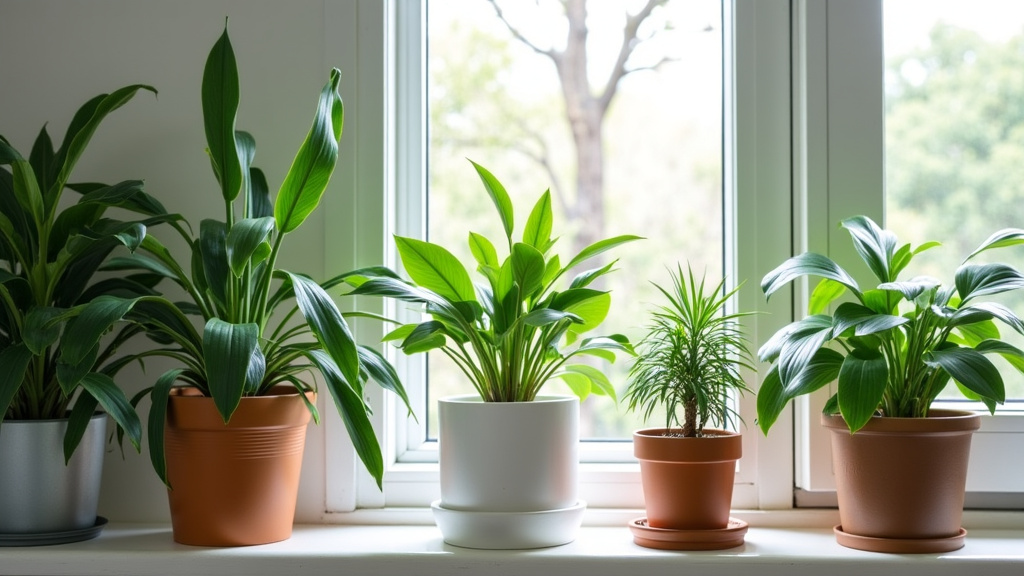
Don’t be afraid to group plants together. They often thrive in clusters due to increased humidity. Plus, a collection of plants looks beautiful and creates a calming atmosphere.
Essential Care Tips for Healthy Air Purifiers
A happy plant is a hard-working plant! Keeping your plants healthy ensures they can continue to filter your air effectively. Here are some basic tips: Our guide on how to keep indoor plants alive in winter offers additional tips for year-round plant health.
- Provide Adequate Light: Most air-purifying plants prefer bright, indirect light.
- Water Properly: Avoid overwatering, which can lead to root rot. Check soil moisture before watering.
- Dust Leaves Regularly: Dust can block stomata, reducing the plant’s ability to absorb toxins. Gently wipe leaves with a damp cloth.
- Fertilize Sparingly: Most houseplants only need fertilizer during their growing season (spring and summer).
- Repot When Necessary: As plants grow, they may need larger pots to allow their roots to spread and continue working efficiently.
You can make a real difference in your indoor air quality with these simple steps. Your plants will thank you, and so will your lungs!
| Plant Name | Key Pollutants Removed | Care Level | Pet Friendly? |
|---|---|---|---|
| Peace Lily | Formaldehyde, Benzene, Trichloroethylene, Ammonia | Medium | No |
| Spider Plant | Formaldehyde, Xylene | Easy | Yes |
| Pothos | Formaldehyde, Benzene, Carbon Monoxide | Easy | No |
| Snake Plant | Formaldehyde, Benzene, Trichloroethylene, Xylene | Very Easy | No |
| Dracaena (various) | Benzene, Formaldehyde, Trichloroethylene, Xylene | Medium | No |
| Boston Fern | Formaldehyde, Xylene | Medium | Yes |
A Quick Checklist for Better Air Quality with Plants
Ready to get started? Here’s a quick checklist to help you improve your indoor air quality with plants:
- Identify high-traffic or high-pollution areas in your home.
- Choose plants that target specific pollutants you’re concerned about.
- Ensure you have enough plants for the size of your space (1 plant per 100 sq ft is a good guide).
- Learn the basic care requirements for each plant you choose.
- Dust your plants’ leaves regularly to keep them efficient.
- Consider your pets’ safety when selecting plants.
Conclusion
You now have a solid understanding of how indoor plants naturally purify your air. From filtering VOCs to breaking down toxins, these green companions are more than just decor. We covered top performers like the Peace Lily, Spider Plant, and Snake Plant, each targeting specific pollutants to make your home healthier.
Remember, proper placement and consistent care ensure your plants work their magic efficiently. By integrating a few of these powerful air purifiers into your living space, you’re investing in cleaner air and a more vibrant home environment. Choose your favorites and start breathing easier today!
Frequently Asked Questions
How many plants do I need for effective air purification in a room?
For noticeable improvements in air quality, a good guideline is to aim for one medium-sized plant per 100 square feet of space. For an average room, this might mean having anywhere from 3 to 5 plants strategically placed.
Do air-purifying plants work instantly, or does it take time?
Plants begin working to purify the air as soon as they are introduced into your home. However, significant changes in air quality are gradual. Consistent placement and healthy plant care will lead to continuous, long-term benefits.
Are there any air-purifying plants that are safe for pets?
Yes, several excellent air-purifying plants are also non-toxic to pets. The Spider Plant and Boston Fern are great choices if you have curious cats or dogs. Always double-check a plant’s toxicity if you have pets.
Can plants really remove all the toxins from my home’s air?
While plants are powerful natural air purifiers, they are most effective when used as part of a broader strategy for good indoor air quality. They significantly reduce common toxins, but it’s also helpful to ensure good ventilation and limit sources of pollution when possible.
Do smaller plants purify the air as well as larger ones?
Larger plants generally have more leaf surface area and more extensive root systems, allowing them to process more air. However, even smaller plants contribute to air purification. A collection of small plants can be just as effective as a few larger ones.