
Is a Hydroponic Garden Worth It?
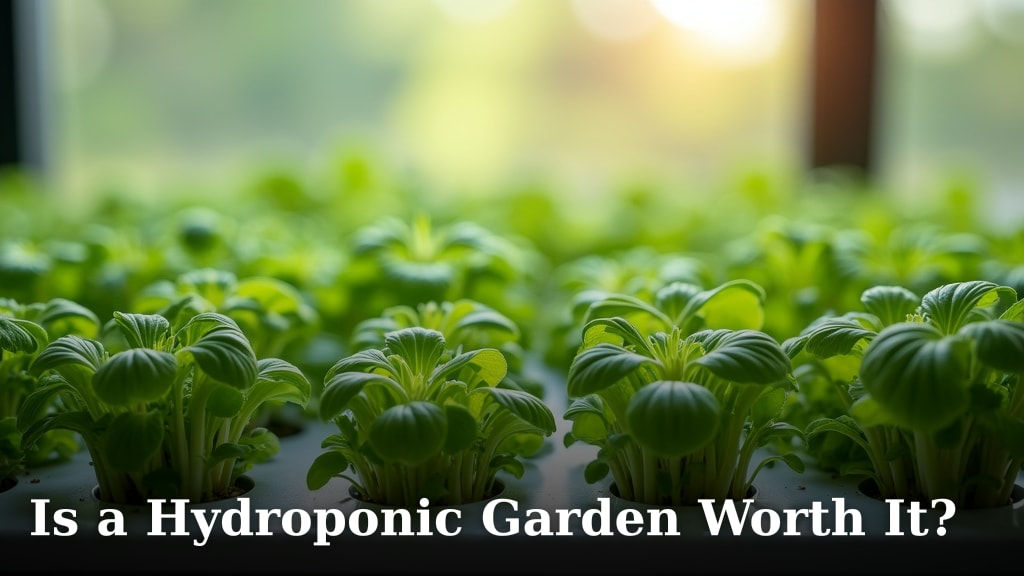
Yes, a hydroponic garden is absolutely worth it for many people, especially if you want to grow fresh produce faster, use less water, and have more control over your plants’ environment. We found that this method offers significant benefits over traditional soil gardening.
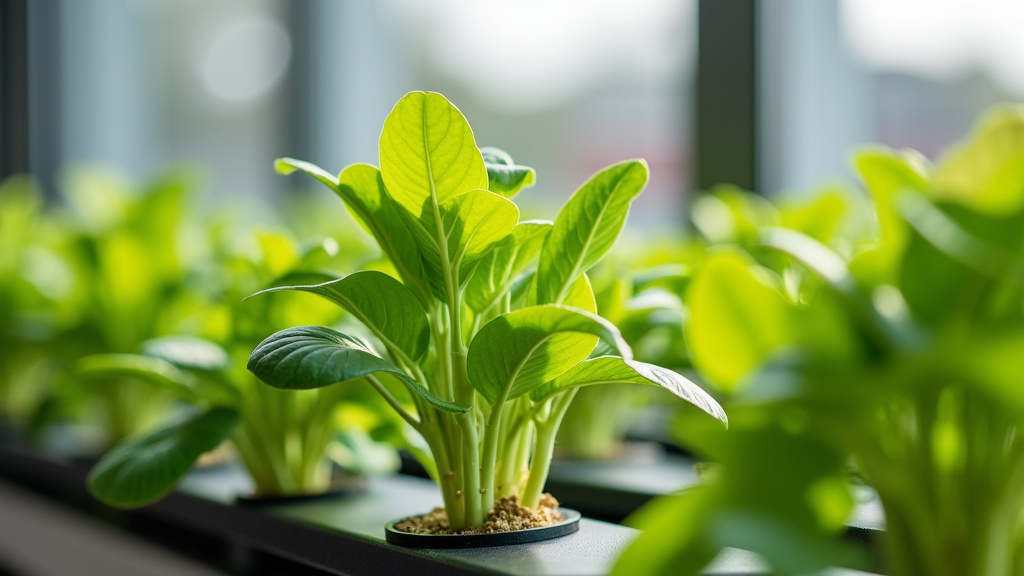
You can grow herbs, vegetables, and even some fruits right in your home, regardless of the season or outdoor space. Many gardeners find it incredibly rewarding and efficient, making it a smart investment for fresh food lovers.
- Hydroponics saves water and grows plants faster.
- You can garden indoors year-round.
- Initial setup costs can vary.
- It requires different care than soil gardening.
- The fresh produce tastes amazing.
So, is a hydroponic garden right for you? Let’s walk through everything you need to know to decide if this growing method fits your lifestyle and gardening goals.
Is a Hydroponic System a Smart Investment?
Yes, for many home gardeners, a hydroponic system is a smart investment that pays off in fresh, homegrown produce and a fascinating new hobby. You’ll enjoy the process and the delicious results.
Understanding the Benefits of Hydroponic Gardening
You’re probably wondering what makes hydroponics so special. We’ve found several compelling reasons why people choose this method over traditional soil gardening. It’s not just a trend; it’s a very efficient way to grow.
Faster Growth and Higher Yields
One of the biggest draws of hydroponics is how quickly plants grow. We found that plants in hydroponic systems often mature 25-50% faster than those grown in soil. This means you get to harvest your favorite herbs and vegetables much sooner!
This rapid growth leads to more frequent harvests and, often, a higher overall yield from your plants. Imagine having an endless supply of fresh basil or crisp lettuce right at your fingertips.
Reduced Water Usage
You might think growing without soil uses more water, but it’s actually the opposite. Hydroponic systems are designed to recirculate water, meaning very little is lost to evaporation or runoff.
We found that hydroponic gardening uses up to 90% less water than traditional farming methods (Environmental Protection Agency). This makes it an incredibly sustainable choice, especially in areas concerned about water conservation.
No Weeds, No Soil-borne Pests
Tired of battling weeds in your garden? With hydroponics, you can say goodbye to those pesky intruders. Since there’s no soil, there are no weeds to pull.
You’ll also largely avoid common soil-borne pests and diseases. This translates to healthier plants and less need for pesticides, which is great news for both you and the environment.
Initial Costs and Setup: What to Expect
Like any new hobby, there’s an initial investment. You’ll want to understand these costs upfront so you can make an informed decision.
Different Types of Systems and Their Price Points
Hydroponic systems come in various shapes and sizes, each with different price tags. You can start with something very simple or go for a more complex setup.
- Basic Starter Kits: These can range from $50 to $200. They’re great for beginners growing herbs or leafy greens.
- Mid-Range Systems: For $200 to $500, you can get larger systems capable of growing more plants or bigger vegetables.
- Advanced Setups: These can cost $500 to $1,000+ and often include automated features like nutrient dosing and pH control. They’re ideal for serious gardeners or those wanting to grow a wider variety of produce.
Consider what you want to grow and how much space you have. You don’t need to break the bank to get started.
Ongoing Expenses to Consider
Beyond the initial system cost, you’ll have some recurring expenses. These are usually much lower than the cost of buying produce at the grocery store, though.
- Nutrients: Your plants need food! Liquid or powdered nutrients are essential and will need to be replenished regularly.
- Grow Lights: If you’re growing indoors, grow lights are a must. They use electricity, so factor that into your budget.
- pH Testing Kits: Keeping the nutrient solution’s pH balanced is vital for plant health. Testing kits are inexpensive but necessary.
- Seeds or Seedlings: Just like any garden, you’ll need to buy seeds or small plants to start your journey.
While there are ongoing costs, many gardeners find the fresh, high-quality produce makes it all worthwhile. You’re investing in your health and your dinner plate!
Learning Curve: Is Hydroponics Difficult?
You might be thinking, “This sounds complicated!” And while it’s different from soil gardening, it’s certainly not too difficult to learn. We’ve found that with a little patience, anyone can become a successful hydroponic gardener.
Basic Principles are Easy to Grasp
The core idea behind hydroponics is simple: provide plants with water and nutrients directly to their roots. Once you understand this, the rest falls into place.
You’ll learn about pH levels, nutrient concentrations, and light cycles. These might sound technical, but they become second nature quickly. Many online resources and communities are ready to help you every step of the way.
What You Need to Learn (and How to Learn It)
To succeed, you’ll want to grasp a few key concepts. Think of it as learning the language of your plants.
| Hydroponic Skill | Why It’s Important | How to Learn It |
|---|---|---|
| pH Management | Ensures plants can absorb nutrients effectively. | Read beginner guides, use a simple pH test kit. |
| Nutrient Mixing | Provides plants with the food they need to grow. | Follow product instructions carefully, start with lower doses. |
| Light Cycles | Mimics natural daylight for optimal growth. | Research plant-specific light needs, use a timer. |
| System Monitoring | Catching problems early prevents plant stress. | Regularly check water levels, look for plant changes. |
You don’t need a science degree! We recommend starting with simple plants like lettuce or herbs. As you gain confidence, you can move on to more challenging crops. Many successful hydroponic gardeners started with just a single small system.
What Can You Actually Grow?
This is where the fun really begins! You might be surprised by the variety of plants that thrive in a hydroponic environment.
Leafy Greens and Herbs are Easiest
If you’re just starting out, we highly recommend focusing on leafy greens and herbs. They are generally forgiving and grow incredibly fast.
- Lettuce (all varieties): Grows quickly and tastes amazing fresh from the system.
- Spinach: A nutritious and fast-growing choice.
- Kale: Another leafy green that performs well.
- Basil: Aromatic and prolific; you’ll have more than enough for pesto.
- Mint: Grows like crazy, perfect for teas or cocktails.
- Cilantro & Parsley: Great for adding fresh flavor to your cooking.
These plants are excellent for building your confidence and seeing rapid results. Plus, they taste much better when picked just moments before dinner!
Fruiting Plants and Beyond
Once you’re comfortable, you can expand your hydroponic garden to include fruiting plants. These require a bit more attention but are incredibly rewarding.
- Tomatoes: Many varieties do exceptionally well, producing sweet, juicy fruit.
- Cucumbers: Quick growers that offer a steady supply of fresh cukes.
- Bell Peppers: You can grow colorful and delicious peppers year-round.
- Strawberries: A favorite for many, offering sweet berries in abundance.
- Beans & Peas: Some climbing varieties are suitable for hydroponic setups.
The key is to choose varieties that are suited for container or indoor growing. With the right setup, your hydroponic garden can become a miniature farm right in your home!
Checklist: Is Hydroponics Right for Your Home?
Before you jump in, ask yourself these questions to see if hydroponic gardening aligns with your goals and lifestyle.
- Do you want fresh, homegrown produce available year-round?
- Are you interested in learning a new, efficient gardening method?
- Do you have some indoor space (even a small corner) with access to electricity?
- Are you looking for a gardening hobby with less mess and fewer pests?
- Are you comfortable with a small initial investment for equipment?
If you answered “yes” to most of these, then a hydroponic garden is likely a fantastic choice for you. It offers a unique and rewarding way to connect with your food and enjoy the bounty of nature, even if you live in a city apartment.
Conclusion
So, is a hydroponic garden worth it for you? We believe it offers a truly rewarding experience. You get faster growth, huge water savings, and a year-round supply of fresh, healthy produce right at home. While there’s a learning curve and some initial costs, the benefits often far outweigh these.
By understanding the different systems and committing to a little regular care, you can transform your approach to gardening. If you’re ready for delicious, homegrown food and a fascinating new hobby, it’s time to take the plunge. Start with a simple system and enjoy the journey!
Frequently Asked Questions
Is hydroponics more expensive than traditional gardening?
Initially, a hydroponic system can cost more to set up than a traditional soil garden. However, over time, the reduced water usage, faster harvests, and higher yields can make it more cost-effective. You’ll also save money on fresh produce.
Do hydroponic plants taste different from soil-grown plants?
Many people find that hydroponically grown plants, especially herbs and leafy greens, have a very clean and vibrant flavor. Since plants receive precise nutrients, their taste can be exceptionally good. Factors like nutrient balance and light exposure play a big role.
How much maintenance does a hydroponic system require?
Hydroponic systems require regular monitoring of nutrient levels, pH, and water levels. This usually takes a few minutes each day or every other day. You’ll also need to refresh the nutrient solution periodically, typically every 1-2 weeks.
Can I grow organic produce using hydroponics?
Yes, you can grow organic produce in a hydroponic system. You’ll need to use organic-certified nutrients and organic seeds. While the term “organic” typically refers to soil, the principles of avoiding synthetic pesticides and harmful chemicals can still be applied.
What happens if the power goes out in a hydroponic system?
If the power goes out, your pumps and grow lights will stop working. For short outages, most plants will be fine. For longer periods, plants might suffer from a lack of oxygen to their roots or insufficient light. Having a battery backup for essential pumps can help.
