What Is the Best Budget Grow Light for Beginners?
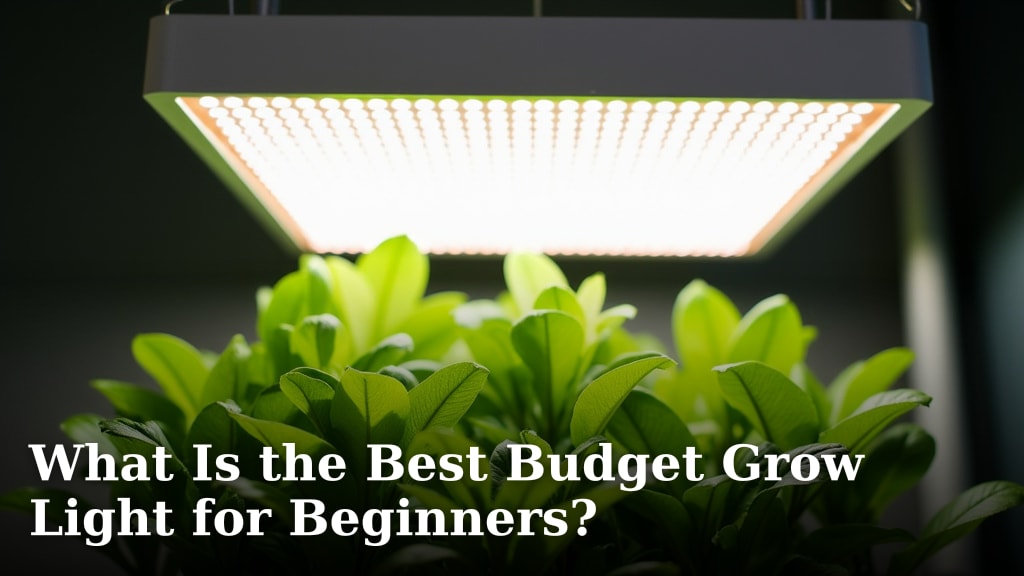
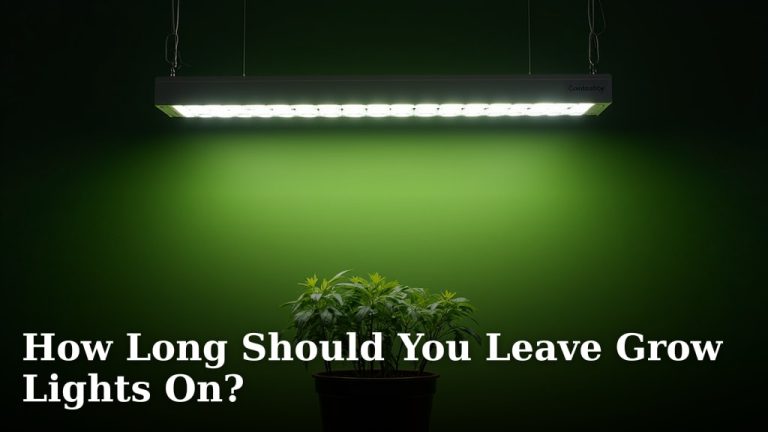
The best budget grow light for beginners is often a full-spectrum LED grow light in the 100-150W range, like the Spider Farmer SF1000 or the Mars Hydro TS 1000. These lights offer a great balance of affordability and performance, making them perfect for starting your indoor plant journey.
Choosing your first grow light can feel overwhelming, can’t it? We found that many new growers need a light that’s easy to set up, efficient, and doesn’t break the bank. These LED options give your plants the light they need to thrive without a huge initial investment or high energy bills.
- Look for full-spectrum LED grow lights.
- Aim for 100-150 watts for beginner setups.
- Spider Farmer SF1000 and Mars Hydro TS 1000 are popular, budget-friendly choices.
- LEDs are energy-efficient and easy to use.
Below, we break down everything you need to know about picking a great budget grow light and what features really matter for your plants.
Choosing Your First Grow Light: What Really Matters?
When you’re just starting out, the best grow light isn’t always the most expensive one. It’s about finding a light that gives your plants what they need without costing a fortune or being too complicated.
We’ve researched common beginner struggles and found that simple, effective, and affordable are key. You want something that you can set up quickly and trust to help your plants grow.
Understanding Grow Light Basics for Beginners
Think of your grow light as a mini-sun for your plants. Just like you need food and water, plants need light to live and grow. Not just any light, though – they need the right kind of light.
Many first-time growers often wonder, “Do I really need a special light?” Yes, you do! Regular household lights don’t have the correct light spectrum plants require for photosynthesis (NCBI). You can learn more about how indoor plants can grow with only artificial light in our detailed article.
What is “Full Spectrum” Light?
Full-spectrum grow lights try to mimic natural sunlight. This means they emit light across the entire electromagnetic spectrum that plants use. It’s like giving your plants all the colors of the rainbow they need to thrive.
Why is this important? Different colors of light help plants with different growth stages. For example, blue light is great for leafy growth, while red light helps with flowering and fruiting.
Why Watts and PPF/PPFD Matter (But Don’t Overthink It)
When you see grow light specs, you’ll often see wattage. For a beginner, think of wattage as how much electricity the light uses. A 100-150W light is a good starting point for a small setup.
Then there are terms like PPF and PPFD. These measure how much usable light actually reaches your plants. For now, just know that higher numbers usually mean more light intensity. For budget lights, focus more on user reviews and actual plant growth results than getting lost in complex numbers.
LEDs: Your Best Bet for Budget-Friendly Growing
We found that LED (Light Emitting Diode) grow lights are the go-to for most beginners, and for good reason. They’re a fantastic blend of efficiency and performance.
LEDs use less electricity than older grow light technologies. This means lower energy bills for you, which is a big win when you’re trying to keep costs down.
Efficiency and Lifespan of LEDs
LEDs convert more electricity into light and less into heat compared to other types of lights. This makes them very efficient. You won’t have to worry as much about your grow space getting too hot.
They also last a really long time. Most quality LEDs can run for 50,000 hours or more. That’s years of growing without needing to replace bulbs!
Types of Budget-Friendly LED Grow Lights
You’ll mainly come across two types of budget LEDs: “bar” style and “board” style. Board style lights, like the Spider Farmer and Mars Hydro models, are often preferred for even light distribution over a square area.
These lights usually come ready to hang and plug in. We’ve seen many growers appreciate their plug-and-play simplicity.
Key Features to Look for in a Beginner Grow Light
Beyond being an LED and full-spectrum, a few other things make a grow light really beginner-friendly.
You don’t need all the bells and whistles when you’re starting. Focus on the core functions that will ensure your plants get what they need.
Dimming Capabilities
A dimmable light is a game-changer for beginners. Why? Because young seedlings don’t need as much light intensity as mature plants. Being able to dim your light allows you to adjust the intensity as your plants grow (Cornell University).
It also means you can control the light without constantly moving the fixture up and down. This flexibility helps prevent “light burn” on delicate plants.
Coverage Area (How Big is Your Grow Space?)
Think about the size of your grow area. Are you growing one or two small plants, or a small tent full of plants? A 100-150W LED is usually perfect for a 2×2 foot or 2×3 foot space.
Matching the light’s coverage to your space prevents wasted light and ensures all your plants get enough. Don’t try to light a whole room with a small budget light; it won’t work well.
Comparing Popular Budget Grow Lights
When you start looking, you’ll see a few names pop up again and again. These brands have earned their reputation by offering good quality at an accessible price point.
We often hear positive feedback about the reliability and customer service of these companies.
| Feature | Spider Farmer SF1000 | Mars Hydro TS 1000 | Description for Beginners |
|---|---|---|---|
| Wattage (True Draw) | ~100W | ~150W | How much electricity the light uses. More watts generally means more light. |
| Recommended Coverage | 2×2 ft Veg, 1.5×1.5 ft Bloom | 2.5×2.5 ft Veg, 2×2 ft Bloom | The ideal size of your grow area for best results. |
| Dimmable | Yes | Yes | Adjusts light intensity, crucial for different plant stages. |
| Full Spectrum | Yes | Yes | Provides all the light colors plants need for healthy growth. |
| Price Range | Mid-to-Low Budget | Mid-to-Low Budget | Both are excellent budget options, check current prices. |
Setting Up Your First Budget Grow Light: A Quick Checklist
Once you have your light, getting it set up properly is the next step. Don’t worry, it’s easier than it sounds!
A little planning goes a long way to ensure your plants get the best start.
- Hang your light securely: Use the included hangers.
- Set the correct height: Start higher than recommended and slowly lower it over days.
- Check for even coverage: Make sure all your plants are under the light.
- Use a timer: Consistency is key for plants (University of California Agriculture).
- Monitor plant response: Look for healthy green growth, not yellowing or stretching.
Common Mistakes to Avoid with Budget Grow Lights
Everyone makes mistakes when they’re new, and that’s okay! We’ve identified a few common pitfalls you can easily sidestep.
Learning from others’ experiences helps you have a smoother growing journey.
Too Close or Too Far? Finding the Sweet Spot
One of the most frequent issues is placing the light at the wrong distance. If it’s too close, you risk “light burn” – your plant leaves can turn yellow or even crispy.
If it’s too far, your plants will stretch out, looking leggy and weak, searching for more light. Always refer to the manufacturer’s recommended hanging height for a starting point, then adjust based on how your plants look.
Forgetting the Timer
Plants thrive on routine. Just like you have a sleep schedule, plants need a consistent light cycle. Forgetting to use a timer can stress them out.
Most plants need 16-18 hours of light during their vegetative growth and 12 hours during flowering. A simple, inexpensive outlet timer is all you need.
When to Consider Upgrading (But Not Yet!)
For now, focus on getting your first successful grow under your belt with your budget light. There will be plenty of time to think about upgrades later.
Many beginners find that their budget light serves them well for a long time, especially for personal use or hobby growing.
You might think about upgrading if you decide to expand your grow space, grow more light-hungry plants, or want to experiment with advanced features like app control. But those are worries for another day!
Conclusion
Choosing your first budget grow light doesn’t have to be complicated. Our research shows that a full-spectrum 100-150W LED, like the Spider Farmer SF1000 or Mars Hydro TS 1000, offers the perfect starting point for beginners. These lights are energy-efficient, easy to use, and provide everything your plants need to thrive without breaking the bank. Remember to prioritize dimming features and match the light to your grow space. With these simple tips, you’re ready to confidently pick your first grow light and start your indoor gardening adventure!
Frequently Asked Questions
How far should my budget LED grow light be from my plants?
Start with the manufacturer’s recommended hanging height, usually around 18-24 inches for seedlings and young plants. As your plants grow, you can slowly lower the light. Always watch your plants for signs of stress, like leaf discoloration or stretching, and adjust accordingly.
Can I use a budget grow light for flowering plants?
Yes, most full-spectrum budget LED grow lights are perfectly capable of supporting plants through their flowering stage. The full spectrum provides the red light plants need for blooming. Ensure your light has enough intensity for the flowering period, which might mean lowering it slightly.
Do I need a grow tent with a budget grow light?
While not strictly necessary for every setup, a grow tent can greatly improve your results. It helps control temperature, humidity, and light cycles, creating a more stable environment for your plants. For small, single-plant setups, you might get by without one, but it’s a great addition if your budget allows.
How much electricity does a 100W budget LED grow light use?
A 100W LED grow light typically draws about 100 watts of power from the wall. This is quite efficient. If you run it for 18 hours a day, it would use 1.8 kilowatt-hours (kWh) per day. You can multiply this by your local electricity rate to estimate your daily cost.
What’s the main difference between Spider Farmer and Mars Hydro budget lights?
Both Spider Farmer and Mars Hydro offer excellent budget-friendly full-spectrum LED grow lights. The main differences are often minor design choices, driver brands, and slight variations in coverage area for similar wattage models. Both are very reliable choices for beginners; reviews and current pricing can help you decide.