Can You Use a Grow Light for Succulents?
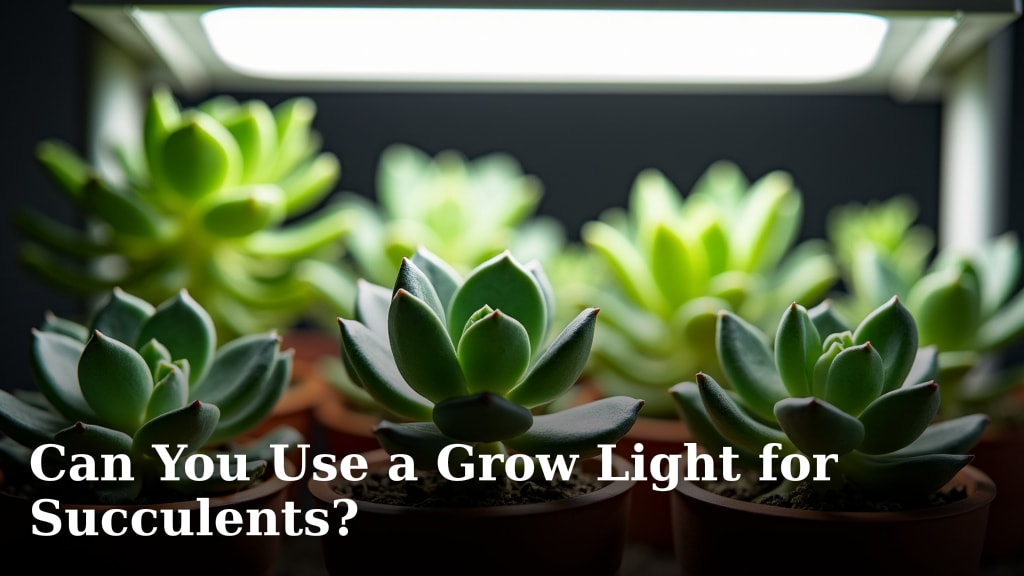
Yes, you can definitely use a grow light for succulents, and it’s often a fantastic idea. Grow lights provide the essential light spectrum these desert plants need, especially when natural sunlight is scarce.
Many succulent owners find grow lights necessary for healthy, thriving plants, particularly during darker winter months or in homes with limited sun exposure. Without enough light, your succulents can become leggy and lose their vibrant colors, a condition called etiolation.
- Grow lights are great for succulents.
- They prevent leggy growth and fading colors.
- Essential during winter or in low-light homes.
- Provides necessary light spectrum.
Let’s explore why grow lights are so beneficial for your succulents and how to choose the right one for your plant family.
Why Your Succulents Thrive Under Grow Lights
You’ve probably noticed your succulents reaching for the window, or maybe their vibrant colors start looking a bit dull. This is often a cry for more light. Grow lights are a fantastic solution, giving your plants the energy they need to grow strong and stay beautiful.
Succulents are desert plants, naturally accustomed to many hours of bright sunshine. When they don’t get enough light, they can stretch out, becoming “etiolated.” This means they grow tall and spindly, trying to find a light source, and their leaves become spaced out. Grow lights prevent this and keep them compact and colorful.
Understanding Succulent Light Needs
Just like us needing food, succulents need light to perform photosynthesis. This process converts light energy into sugars, which are their food. Without enough light, they simply can’t produce enough energy to thrive.
Different succulents have slightly different light needs, but generally, they all prefer bright, indirect light for many hours a day. Think about their natural habitat: wide-open spaces with plenty of sun.
How Light Intensity Affects Growth
Light intensity refers to how bright the light is. For succulents, higher intensity usually means better growth. Too little intensity leads to weak, leggy plants. Too much, however, can cause sunburn, especially if introduced too quickly.
When you provide proper light intensity, your succulents will exhibit tighter growth patterns and develop their beautiful stress colors. These colors appear as a natural defense mechanism when the plant is happy and getting just the right amount of light.
The Importance of Light Spectrum
Light isn’t just “bright” or “dim”; it’s made up of different colors, or wavelengths, known as the light spectrum. Plants use specific parts of this spectrum for different stages of growth.
- Blue light: Essential for healthy, compact growth and strong stems.
- Red light: Promotes flowering and overall plant development.
- Green light: Often reflected, but still plays a role in plant health.
A good grow light will provide a balanced spectrum that mimics natural sunlight, giving your succulents everything they need.
Choosing the Right Grow Light for Your Succulents
With so many options out there, selecting a grow light can feel overwhelming. Don’t worry; we’ll break it down. Your choice depends on factors like your budget, the number of plants, and your available space.
The goal is to find a light that provides adequate intensity and spectrum without breaking the bank or taking up too much room.
Types of Grow Lights
There are several types of grow lights, each with pros and cons. We found that LED grow lights are generally the best choice for most succulent enthusiasts. For specific recommendations, explore our top picks for the best grow lights for succulents.
LED Grow Lights
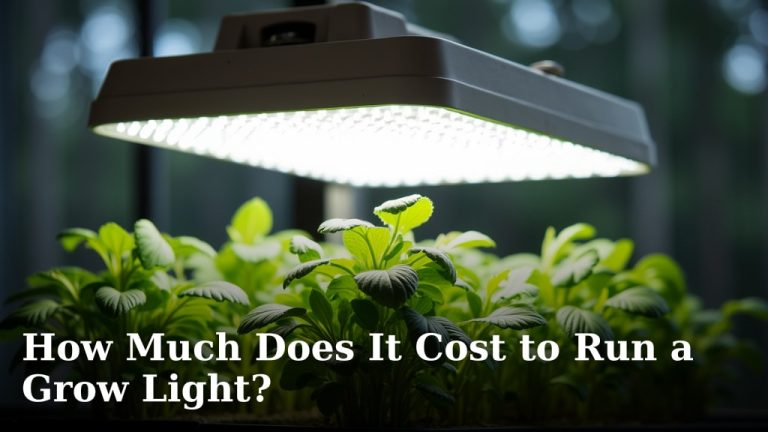
LEDs (Light Emitting Diodes) are incredibly popular for good reason. They are energy-efficient, produce very little heat, and last a long time. You can find LEDs designed specifically for plants, offering a full spectrum of light.
Many LED fixtures are compact and come in various shapes, from bar lights to panel lights. They are a great investment for long-term plant care.
Fluorescent Grow Lights (T5/T8)
Fluorescent lights, particularly T5 and T8 bulbs, are another option. They are relatively inexpensive and produce a good amount of light for their cost. However, they are not as energy-efficient as LEDs and have a shorter lifespan.
You’ll often find these in longer tube shapes, which can be great for lighting a shelf full of succulents. Just be mindful of their heat output, though it’s less than older incandescent bulbs.
Incandescent/Halogen Lights (Avoid)
You might be tempted to use regular household incandescent or halogen bulbs, but we strongly advise against this. These bulbs produce a lot of heat and very little usable light spectrum for plants. They are inefficient and can easily burn your succulents.
Here’s a quick comparison:
| Light Type | Energy Efficiency | Heat Output | Lifespan | Cost | Best For Succulents? |
|---|---|---|---|---|---|
| LED | Excellent | Low | Very Long | Moderate to High (initial) | Yes, highly recommended |
| Fluorescent (T5/T8) | Good | Moderate | Moderate | Low to Moderate | Good for budget/smaller setups |
| Incandescent/Halogen | Poor | High | Short | Very Low | No, not recommended |
Setting Up Your Grow Light for Success
Once you have your grow light, proper setup is key to healthy plants. It’s not just about turning it on; placement and timing matter greatly.
Think of it like giving your succulents a consistent, perfect day of sunshine, even when it’s dark and gloomy outside.
Optimal Distance from Plants
The distance between your light and your succulents is crucial. Too close, and you risk burning them. Too far, and they won’t get enough intensity and might etiolate. We found that most experts suggest starting with a distance of 6-12 inches (15-30 cm) for most LED and fluorescent lights.
Always monitor your plants after setting up a new light. Look for signs of stress or stretching. You might need to adjust the height slightly. A good rule of thumb is to check if the plant feels warm to the touch. If it does, raise the light a bit.
Ideal Light Duration
Succulents need a rest period, just like we do. You shouldn’t leave your grow lights on 24/7. Most research points to providing 12-16 hours of light per day for optimal growth.
Using a simple timer can make this much easier. Set it and forget it! This ensures consistency, which your plants will appreciate. It mimics the natural day-night cycle they would experience outdoors.
Signs Your Succulents Need a Grow Light
How do you know if your plants are crying out for more light? Your succulents will tell you with their appearance and growth habits.
Keep an eye out for these tell-tale signs. Catching them early can save your plants from long-term issues.
- Stretching or “Leggy” Growth: This is the most common sign. Stems become elongated, and leaves are far apart.
- Pale or Dull Colors: Vibrant succulents may lose their intensity and appear faded or light green.
- Downward-Curving Leaves: Leaves may point downwards, trying to expose more surface area to light.
- Small, Weak New Growth: New leaves will be smaller and less robust than older ones.
- Lack of Stress Colors: If your variety is known for colorful tips or edges, their absence means insufficient light.
Maximizing Your Grow Light Benefits
Getting a grow light is a great step, but a few other practices can help your succulents truly flourish under them.
It’s about creating an optimal indoor environment that supports their natural tendencies.
Rotate Your Plants
Even with a grow light, some parts of your plant might get more light than others. To ensure even growth, rotate your plants regularly, perhaps once a week. This helps all sides of the plant receive adequate light exposure.
Think of it like getting an even tan – you wouldn’t just expose one side to the sun, would you? Your succulents appreciate the same attention.
Maintain Good Air Circulation
Good airflow is important for all indoor plants, especially when grow lights are involved. It helps prevent fungal issues and keeps the leaves dry, mimicking their desert environment.
A small fan oscillating near your plants can make a big difference. This also helps to gently strengthen their stems, preparing them for better growth.
Watch for Pests
While not directly related to grow lights, a stable indoor environment can sometimes attract pests. Regularly inspect your succulents for any signs of unwanted visitors. Early detection is key!
Grow lights don’t cause pests, but they help create a consistent environment where you can easily spot any issues before they spread (Mayo Clinic).
Conclusion
Using a grow light for your succulents isn’t just an option; it’s often a game-changer for their health and beauty. You’ve seen how these specialized lights prevent leggy growth and bring out those gorgeous stress colors. By understanding light intensity, spectrum, and choosing the right LED or fluorescent option, you can create an ideal environment for your plants.
Remember to set the right distance and duration, and always observe your plants for their specific needs. Implementing a grow light, alongside good airflow and rotation, will ensure your succulent collection thrives indoors. Go ahead and give your succulents the light they deserve!
Frequently Asked Questions
Can a regular lamp be used as a grow light for succulents?
No, a regular incandescent or halogen lamp is not suitable. These bulbs produce too much heat and lack the specific light spectrum succulents need for photosynthesis. They are very inefficient and can easily damage your plants.
How do I know if my grow light is too strong for my succulents?
If your grow light is too strong, you might notice your succulents developing sunburn. This can appear as bleached, yellow, or reddish-brown spots on the leaves. If you see these signs, raise the light further away from your plants.
Do succulents need grow lights all year round?
It depends on your climate and home environment. During darker winter months or in homes with very limited natural light, grow lights are highly beneficial. If you have plenty of bright, natural sun exposure in spring and summer, you might not need them as much then.
What kind of timer should I use for my succulent grow light?
A simple mechanical or digital outlet timer works perfectly. Plug your grow light into the timer, set your desired 12-16 hour ON period, and the timer will handle the rest. This ensures consistent light cycles for your plants.
Can grow lights help succulents that are already etiolated?
While a grow light can’t reverse existing etiolation (the stretched-out growth), it can prevent further stretching. New growth under proper light will be compact and healthy. You may need to “behead” or prune the leggy parts to encourage new, compact growth from the base.