What Is the Best Grow Light for a Bedroom?
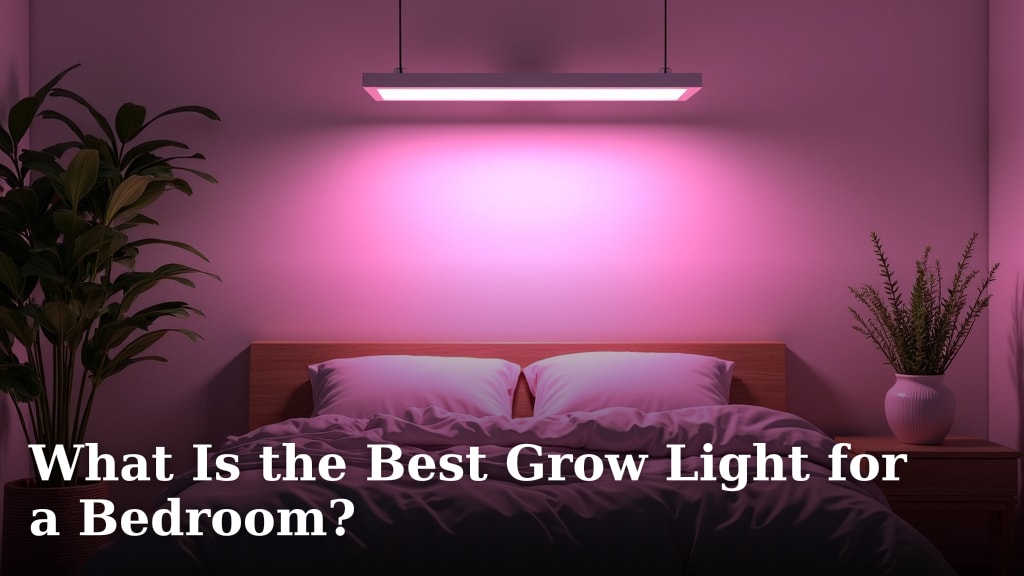
The best grow light for a bedroom needs to be quiet, energy-efficient, and emit minimal light pollution. We found that LED grow lights are usually your top choice. They offer full spectrum light without too much heat.
You want a grow light that supports healthy plant growth but doesn’t disturb your sleep. Look for features like adjustable brightness and a timer. This helps you control the light cycle for your plants and your rest.
- LED grow lights are ideal for bedrooms.
- Quiet operation is a must-have feature.
- Look for adjustable brightness and a timer.
- Full-spectrum light is good for plants.
- Minimize light pollution for better sleep.
Let’s walk through how to pick the perfect grow light for your bedroom oasis.
Picking the Right Grow Light for Your Sleeping Space
So, you want to grow plants in your bedroom without sacrificing your sleep? We understand! Finding the perfect grow light means balancing your plants’ needs with your own comfort. It’s a delicate dance, but totally achievable.
Understanding Grow Light Types
First, let’s talk about the different kinds of grow lights out there. You have a few options, but some are definitely better for a bedroom setting than others. We’ll focus on what works best for your personal sanctuary.
LED Grow Lights: Your Bedroom MVP
LED grow lights are usually the top recommendation for bedrooms. Why? They’re energy-efficient, produce very little heat, and offer a full spectrum of light. This means your plants get everything they need to thrive, from seedlings to flowering. Plus, their small size makes them easy to tuck away.
Fluorescent Lights: A Decent Alternative
Fluorescent lights, especially T5 or CFL bulbs, can also work. They’re more affordable than LEDs upfront. However, they aren’t as energy-efficient and tend to be bulkier. They also give off more heat. For a bedroom, this extra heat might not be ideal, making the room feel warmer than you like.
HID Lights: Not for the Bedroom
You’ll want to avoid HID (High-Intensity Discharge) lights like metal halide (MH) or high-pressure sodium (HPS). These are powerful, but they generate a lot of heat and light. They’re noisy, too. Think industrial growing, not cozy bedroom vibes. They’re simply too intense for a shared space with a sleeping human.
Key Features for a Bedroom Grow Light
When you’re shopping, keep these important features in mind. They’ll make a big difference in how well the light fits into your room and routine.
Quiet Operation is Non-Negotiable
Imagine trying to sleep with a buzzing or whirring noise. No thanks! Your grow light needs to be silent or nearly silent. Many LED units are fanless, which is perfect. If a light has a fan, make sure it’s a very quiet one. We found that a fan noise level below 20 dB is generally considered acceptable for bedrooms (National Sleep Foundation).
Light Pollution: Keep it Minimal
This is huge for sleep quality. A bright grow light blasting light into your room all night is a problem. Look for lights with adjustable brightness or ones that come with a hood. The goal is to direct light towards your plants and away from your eyes. You might even consider placing the plant and light inside a small grow tent or cabinet if space allows.
Full Spectrum for Healthy Plants
Your plants need a good range of light colors to grow well. Full-spectrum grow lights mimic natural sunlight. This means they emit light across the red, blue, and green wavelengths. Don’t just pick a light that looks white; make sure it’s engineered for plant growth. Healthy plants make you happy, right?
Timers and Dimmers: Your Best Friends
A built-in timer is incredibly convenient. You can set it and forget it, ensuring your plants get consistent light cycles. This means you don’t have to remember to turn it on or off every day. A dimmer function is also great. It lets you adjust the light intensity, which is useful for different plant stages or if you just need less light at certain times.
Choosing the Right Size and Placement
Once you know what kind of light you want, think about where it will go. Space is often limited in a bedroom, so planning is essential. Our guide to the best grow lights for small spaces offers more options if you have limited room.
Matching Light Size to Plant Needs
Don’t get a grow light that’s too big or too small for your plants. A small light won’t cover many plants, and a huge one will waste energy and space. Check the coverage area listed by the manufacturer. If you have one or two small herbs, a tiny clip-on LED might be enough. For a small shelf garden, you’ll need something more substantial.
Strategic Placement for Optimal Growth and Sleep
Where you put the light matters. Position it so the plants get direct light, but you don’t. A shelf above your head or in a corner might work well. Hanging lights are an option if you have the ceiling height. Always consider how the light will affect the room’s ambiance, especially when you’re trying to unwind.
Here’s a quick comparison of common grow light types for bedroom use:
| Grow Light Type | Heat Output | Noise Level | Energy Efficiency | Bedroom Suitability |
|---|---|---|---|---|
| LED | Very Low | Silent (often fanless) | Excellent | Best Choice |
| Fluorescent (T5/CFL) | Low to Medium | Low (ballast hum) | Good | Acceptable (with care) |
| HID (MH/HPS) | Very High | High (fan needed) | Moderate | Not Recommended |
Keeping Your Plants Happy and Your Sleep Sound
It’s all about finding that sweet spot where your plants get enough light, and you get enough darkness. After all, a bedroom should feel like a retreat.
Light Cycles: A Plant’s Routine
Just like you have a sleep cycle, your plants have a light cycle. Most plants need about 12-16 hours of light per day and then a period of darkness. This darkness is important for their growth processes, just as sleep is vital for yours. Using a timer makes this easy to manage.
Maintaining Humidity and Airflow
While not directly about the light, these factors are connected. Grow lights can slightly alter the air around your plants. Make sure your bedroom still has good airflow. You don’t want stale air building up. Also, check the humidity levels for your specific plants. Some plants love humidity, while others prefer it drier.
Your Bedroom Grow Light Checklist
Ready to go shopping? Use this checklist to help you pick the best grow light for your bedroom. It covers all the essential points we’ve talked about.
- Is it an LED grow light?
- Does it operate quietly (no buzzing or loud fans)?
- Does it offer full-spectrum light for healthy growth?
- Can you adjust the brightness or dim the light?
- Does it have a built-in timer or is compatible with one?
- Is its size appropriate for your plants and available bedroom space?
By following these guidelines, you’re well on your way to creating a beautiful indoor garden in your bedroom, without sacrificing your precious sleep. Happy growing!
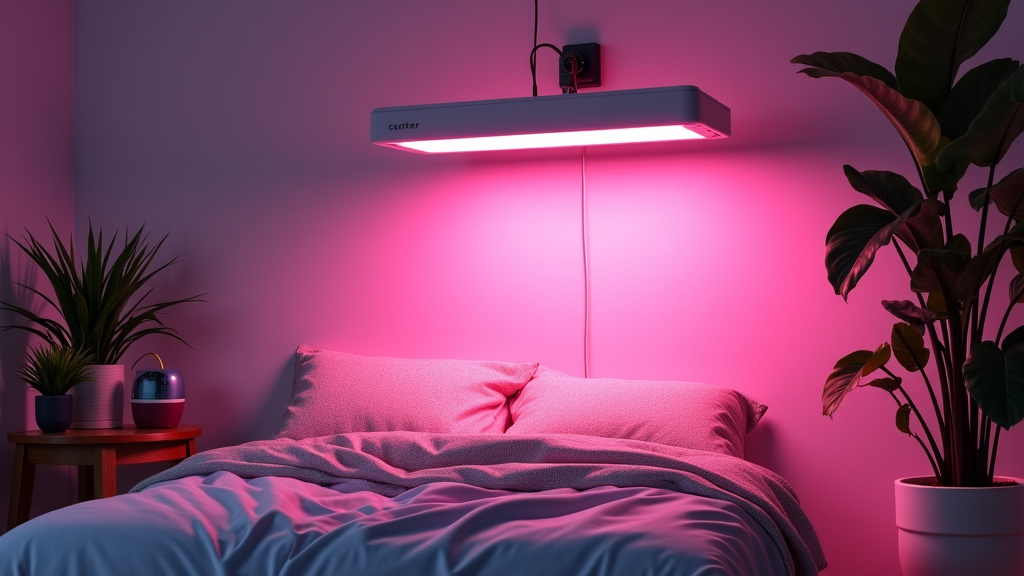
Conclusion
Choosing the best grow light for your bedroom doesn’t have to be complicated. By focusing on LED grow lights, prioritizing quiet operation, and seeking features like adjustable brightness and timers, you can create a thriving indoor garden. You’ll keep your plants happy without sacrificing your much-needed rest. Remember, the goal is balance: bright light for your plants, soothing darkness for you. Make your bedroom a peaceful sanctuary for both you and your green companions.
Frequently Asked Questions
Can a regular LED desk lamp work as a grow light?
While a regular LED desk lamp provides some light, it usually lacks the specific spectrum and intensity plants need for healthy growth. Purpose-built full-spectrum LED grow lights are engineered to mimic sunlight, offering the right wavelengths for photosynthesis.
How close should a grow light be to my plants in a bedroom?
The ideal distance depends on the light’s power and the plant type. For most bedroom-friendly LED grow lights, aim for 6-12 inches above the plant canopy. Always observe your plants; if leaves look scorched or stressed, raise the light slightly.
Will a grow light increase my electricity bill significantly?
LED grow lights are very energy-efficient, especially compared to older HID or even fluorescent options. Running a small LED grow light for 12-16 hours a day will likely add only a few dollars to your monthly electricity bill, depending on your local rates.
Do I need special glasses to look at a grow light in my bedroom?
For most residential LED grow lights, you generally don’t need special glasses for casual viewing. However, it’s always best to avoid staring directly into the light for extended periods, as the intensity can be uncomfortable for your eyes.
Can I use a grow light in a room that gets some natural sunlight?
Absolutely! A grow light can supplement natural sunlight, especially during darker winter months or if your room doesn’t get enough direct sun. This ensures your plants receive consistent light levels, promoting stronger growth and health.