Why Are Gnats Attracted to My Indoor Plants?
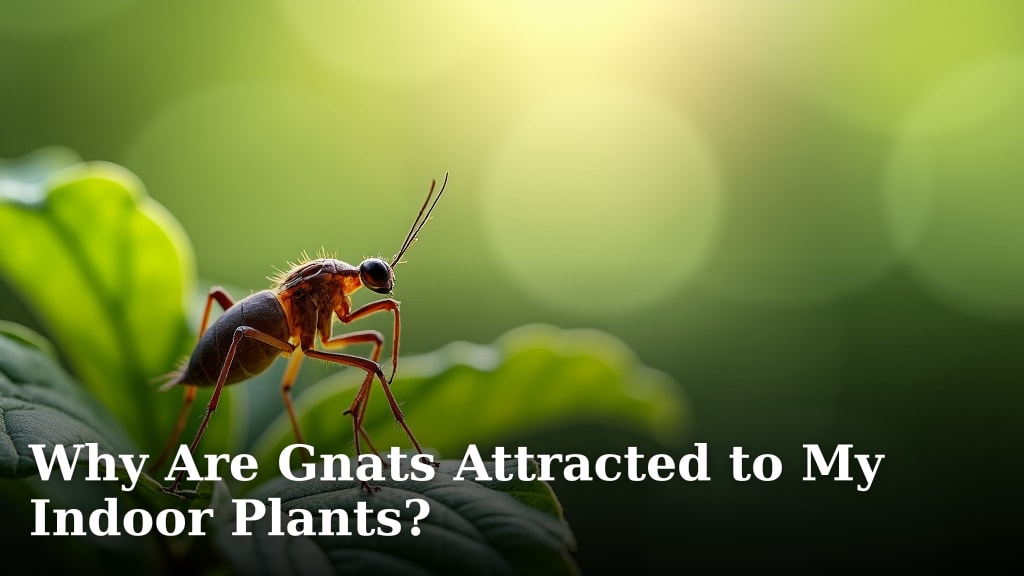
Gnats are attracted to your indoor plants primarily because they love moisture and decaying organic matter in the soil. These tiny flies find damp soil the perfect spot to lay their eggs. They also feed on fungi that often grow in overwatered plant pots.
Many plant parents eventually ask, “Why are gnats attracted to my indoor plants?” You’re not alone! These little pests can seem to appear out of nowhere, especially when you’re trying to create a healthy environment for your green friends. We found that the presence of fungus gnats often points to specific conditions in your plant care routine.
- Gnats love moist soil.
- They feed on mold and decaying plant bits.
- Overwatering is a common cause.
- Good watering habits can prevent them.
Let’s walk through exactly why these gnats show up and what you can do about them.
Understanding Gnat Attraction to Your Indoor Plants
Gnats are drawn to your indoor plants because they find ideal conditions for survival and reproduction. They are looking for moisture, food, and a safe place to lay their eggs. Your plants, especially when overwatered, often provide all three.
The Primary Culprit: Fungus Gnats
When you see tiny flying insects around your houseplants, you’re most likely dealing with fungus gnats. These small, dark flies are often mistaken for fruit flies, but they have distinct preferences. We’ve found that they thrive in specific environments that your indoor plants can accidentally create.
Life Cycle and Habitat Preferences
Fungus gnats have a relatively short life cycle, but they can multiply quickly. The adults are mostly a nuisance, but their larvae can cause damage. We found that the entire life cycle, from egg to adult, often plays out in your plant’s soil (Cornell University).
- Eggs: Laid in moist soil.
- Larvae: Hatch from eggs and feed on fungi, decaying matter, and sometimes plant roots.
- Pupae: Develop in the soil after the larval stage.
- Adults: Emerge from pupae, fly around, and restart the cycle.
This means if you’re seeing adult gnats, there are likely many more larvae hidden just beneath the surface of your potting mix.
Moisture: The Magnetic Pull
The number one reason gnats love your indoor plants is soil moisture. Fungus gnats need a consistently damp environment for their eggs to hatch and for their larvae to survive. Overwatering creates the perfect nursery for them.
The Role of Overwatering
Are you a generous plant parent? You might be giving your plants more water than they need. When you overwater, the soil stays wet for too long. This standing moisture is like a welcome sign for fungus gnats. They sense it and move in.
We found that many plant owners unknowingly create a gnat paradise. It’s often not about how much water you give, but how often. Allowing the top inch or two of soil to dry out between waterings can make a huge difference.
Food Source: Fungi and Decaying Matter
Beyond moisture, gnats are looking for something to eat. Their larvae have a particular appetite for fungi and decaying organic material. Your potting mix, especially if it’s old or too rich, can be a buffet for them.
Why Fungi Grow in Plant Soil
When soil stays damp, it creates an ideal breeding ground for various fungi and molds. These fungi break down organic matter in the soil. Guess who loves to munch on these tiny fungal strands? Fungus gnat larvae! They thrive on this food source.
Decaying leaves, old root bits, or even just rich potting mixes can contribute to this fungal growth. It’s a natural process, but one that gnats are quick to exploit.
Potting Mix Matters
The type of potting mix you use can also attract gnats. Some mixes retain too much moisture or contain too much organic material. This combination is a gnat’s dream home. Understanding the characteristics of the best soil for indoor plants can help you choose a mix that deters gnats.
| Potting Mix Characteristic | Gnat Attraction Level | Reason |
|---|---|---|
| High Peat Content | High | Retains excessive moisture, promoting fungal growth. |
| Unsterilized Soil | Medium-High | May already contain gnat eggs or larvae, or fungal spores. |
| Too Much Organic Material | High | Provides ample food source (decaying matter, fungi). |
| Well-Draining Mix | Low | Dries out quickly, less hospitable for gnats. |
Choosing a well-draining, lighter potting mix can deter these pests. We’ve seen that good soil aeration is key.
Poor Drainage and Stagnant Water
Even if you’re careful with watering, poor drainage can lead to gnat issues. If your pot doesn’t have drainage holes, or if the saucer under your pot constantly holds water, you’re inviting trouble.
The Drainage Hole Dilemma
Pots without drainage holes are beautiful, but they can be problematic for plant health and gnat prevention. Water collects at the bottom, creating a perpetually wet environment that’s perfect for gnat breeding. We always recommend using pots with drainage holes.
Similarly, if water sits in the saucer under your pot for days, it can evaporate back into the soil, keeping it too moist. Always empty excess water from saucers after watering. It’s a simple step that makes a big difference.
New Plants and Contaminated Soil
Sometimes, gnats arrive as uninvited guests with new plants or bags of potting soil. This can be frustrating, as you might not have done anything “wrong.”
Unseen Passengers
When you bring a new plant home, it might already have gnat eggs or larvae in its soil. This is why many experienced plant parents quarantine new plants for a week or two. It helps prevent any pests from spreading to your existing collection.
Even bags of potting mix, especially those left open or stored in damp conditions, can harbor gnat eggs. We’ve found that purchasing high-quality, sealed potting mix can reduce this risk.
The Allure of Plant Debris
Fungus gnats are also attracted to any decaying plant material around your pots. Fallen leaves, spent blooms, or bits of stem can become food sources for their larvae.
Keeping your plant area clean is a simple yet effective deterrent. Just a quick tidy-up can remove potential breeding sites.
Quick Checklist for Gnat Attraction Factors
Take a moment to review these points. Do any of them sound familiar?
- Is your soil consistently damp, even days after watering?
- Do you frequently overwater your plants?
- Does water sit in the plant’s saucer for long periods?
- Is there any visible mold or fungus on the soil surface?
- Do you have decaying leaves or plant debris in the pot?
- Did you recently bring home a new plant or open a bag of soil?
Understanding these attraction factors is the first step toward effective gnat control. Once you know why they’re there, you can start making changes to get rid of them for good.
Conclusion
You now understand why gnats are attracted to your indoor plants. It often comes down to moisture, food, and breeding grounds. By recognizing these factors, you can take control of your plant environment.
We’ve found that small changes in your watering habits and plant care routine make a huge difference. You can create a less inviting home for these tiny pests. Start by adjusting your watering schedule and checking for proper drainage. Your plants, and your sanity, will thank you!
Frequently Asked Questions
Can gnats harm my indoor plants?
Adult gnats are mostly just annoying. However, their larvae, which live in the soil, can feed on delicate plant roots. This feeding can stress young plants or seedlings, making them more vulnerable to disease.
Will sticky traps alone get rid of gnats completely?
Sticky traps are great for catching adult gnats and monitoring their population. But they won’t eliminate the problem entirely. You need to address the larvae in the soil to break their life cycle effectively.
Is it safe to use hydrogen peroxide on my plant soil to kill gnat larvae?
Yes, a diluted hydrogen peroxide solution can be effective and safe for your plants. We found that mixing one part 3% hydrogen peroxide with four parts water can kill gnat larvae on contact. Apply it when the soil is ready for watering.
How can I prevent gnats from coming back after I get rid of them?
To prevent recurrence, consistently practice good watering habits. Let the top inch or two of soil dry out between waterings. Use well-draining potting mix and always empty excess water from saucers. Regular cleaning of plant debris also helps.
Are there any natural predators I can introduce to control gnats?
For severe infestations, some plant owners use beneficial nematodes. These microscopic worms prey on gnat larvae in the soil. They are a natural and non-toxic solution, available at many garden centers.