Can You Grow Vegetables in a Small Hydroponic Kit?
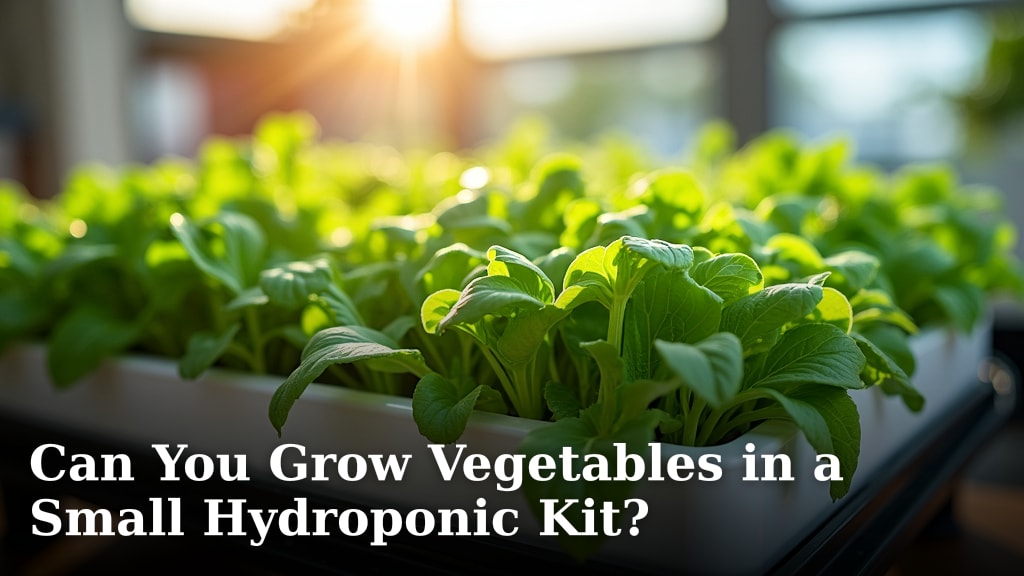
Yes, you absolutely can grow vegetables in a small hydroponic kit. We found that many common vegetables thrive in these compact, water-based systems, offering a surprisingly abundant harvest right in your home.
You don’t need a huge garden space to enjoy fresh produce. These kits are perfect for apartments, small kitchens, or anyone looking to grow food indoors. We’ll show you how even a tiny setup can yield impressive results for your favorite greens and more.
- Small hydroponic kits work well for many vegetables.
- You can get a good harvest even with limited space.
- Many greens and herbs are easy to grow this way.
- It’s a great option for growing food indoors.
Ready to turn your small space into a productive mini-farm? Let’s dive into how you can make a small hydroponic kit work wonders for your vegetable growing ambitions.
Growing Vegetables in Your Small Hydroponic Setup
So, you’re wondering if a small hydroponic kit can really deliver the goods for your veggie cravings? We found that the answer is a resounding yes! These compact systems are surprisingly efficient and productive. You can transform a small corner of your home into a thriving mini-farm, providing fresh produce year-round.
Imagine picking your own salad greens just moments before dinner. That’s the kind of freshness and convenience a small hydroponic kit offers. You don’t need a sprawling garden or even a backyard. Just a little space and the right approach.
Understanding What Makes a Hydroponic Kit “Small”
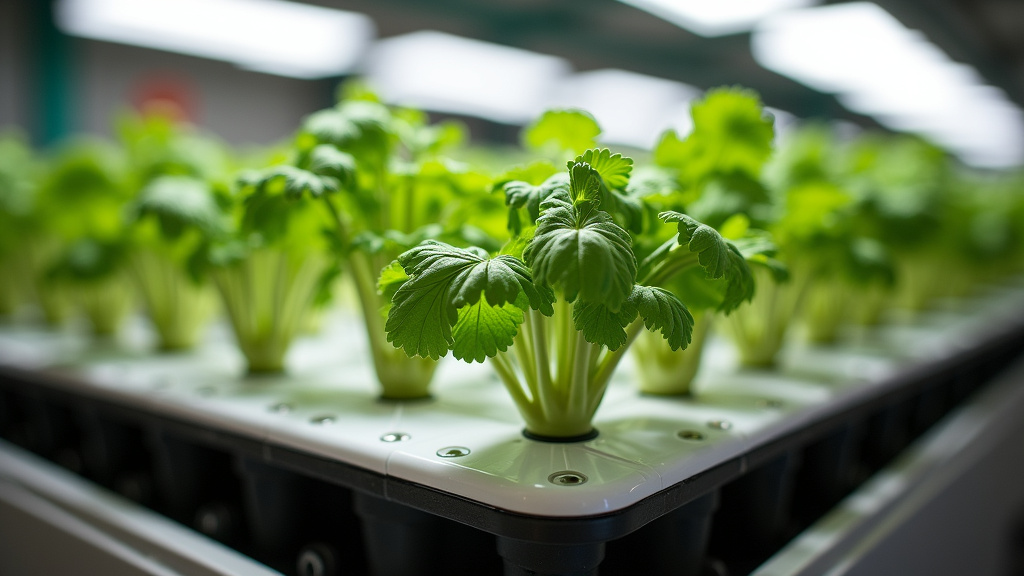
When we talk about a “small” hydroponic kit, what exactly do we mean? Generally, these are systems designed for countertops or small tables. They often feature a reservoir for nutrient-rich water, a pump, and a few growing pods or channels.
They’re typically self-contained units, meaning most of the equipment is integrated. This makes them easy to set up and maintain. Think of them as the perfect starter kit for anyone curious about hydroponics but short on space. For more options, explore our recommendations for the best hydroponic system for small spaces.
Common Types of Small Hydroponic Kits
You’ll primarily encounter a few types when looking at small kits. The most common are Deep Water Culture (DWC) systems and Wick systems. DWC kits suspend plants with their roots directly in the nutrient solution, while Wick systems use a wick to draw nutrients up to the plants.
Some kits also incorporate drip irrigation or nutrient film technique (NFT) on a smaller scale. Each has its pros and cons, but all are designed for compact growing. We found that DWC systems are particularly popular for beginners due to their simplicity.
Best Vegetables to Grow in a Small Hydroponic Kit
Choosing the right plants is key to success in a small setup. Not all vegetables are created equal when it comes to hydroponics, especially in a limited space. We found that certain types of plants are perfectly suited for these conditions.
These plants typically have a compact growth habit, a relatively short harvest cycle, and don’t require extensive root systems. They’re also often plants you use frequently, making the fresh harvest even more rewarding.
Leafy Greens: Your Hydroponic Superstars
If you’re starting with a small hydroponic kit, leafy greens should be at the top of your list. They are incredibly forgiving and grow quickly. We found that plants like lettuce, spinach, kale, and Swiss chard thrive in these systems.
You can often harvest outer leaves continuously, allowing the plant to keep producing. This means you get a steady supply of fresh greens without having to replant constantly. Plus, they don’t take up much vertical space.
Herbs: The Flavor Powerhouses
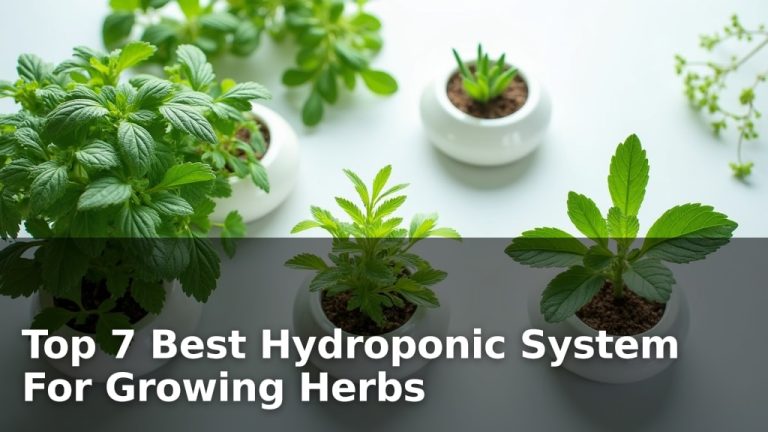
Don’t forget about herbs! Basil, mint, cilantro, parsley, and chives are fantastic choices for a small hydroponic kit. They grow beautifully and will save you money at the grocery store. Imagine having fresh basil for your pasta any night of the week!
Like leafy greens, many herbs can be harvested by snipping off what you need. This encourages bushier growth and a longer harvest period. We found that hydroponically grown herbs often have a more intense flavor than store-bought varieties.
Compact Fruiting Vegetables
Can you grow fruiting vegetables in a small kit? Yes, but you need to be selective. We found that smaller varieties of certain fruits can do surprisingly well. Think of things like cherry tomatoes, small peppers, and even strawberries.
These plants might require a bit more attention, such as pollination (which you’ll need to do by hand for indoor plants) and occasional pruning. However, the reward of fresh, home-grown produce is definitely worth the effort (Cornell University).
Optimizing Your Small Hydroponic Kit for Maximum Yield
Just because your kit is small doesn’t mean your harvest has to be tiny. With a few smart strategies, you can maximize your output. It’s all about creating the ideal environment for your plants to flourish.
Think of it like setting up a miniature ecosystem. Every element plays a role in your plants’ health and productivity. A little attention to detail goes a long way in hydroponics.
Lighting: The Power Source
Good lighting is perhaps the most critical factor for indoor hydroponics. Your plants need light to photosynthesize and grow. We found that most small kits come with integrated LED grow lights, which are energy-efficient and effective.
Ensure your plants receive 12-16 hours of light per day, depending on the vegetable type. A timer can automate this, making your life much easier. Insufficient light is a common reason for leggy, unproductive plants.
Nutrient Management: Feeding Your Plants
In hydroponics, your plants get all their food from the water. This means getting the nutrient solution right is vital. We found that following the manufacturer’s recommendations for your specific kit is the best starting point.
You’ll need to monitor the pH level of your water and the nutrient concentration (EC/TDS). Kits often include testers for this. Keeping these levels stable ensures your plants can absorb nutrients efficiently (University of California, Davis).
Maintaining Water Quality and Aeration
Clean water is happy water, and happy water makes for happy plants. Regularly check your water reservoir for algae growth or debris. Changing the water every 1-2 weeks helps keep the system clean and supplies fresh nutrients.
Aeration is also crucial for root health. Your kit likely has an air pump and air stone to add oxygen to the water. This prevents root rot and ensures the roots can “breathe.” Always check that the air pump is working correctly.
Overcoming Challenges in Small Hydroponic Systems
While small hydroponic kits are generally easy, you might encounter a few hiccups. Don’t worry, these are usually simple to troubleshoot. Think of them as learning opportunities that make you a better grower.
Remember, every gardener faces challenges. The key is to identify the problem early and take corrective action. You’re giving your plants everything they need, so pay attention to what they tell you.
Space Constraints and Plant Spacing
The biggest challenge in a small kit is, naturally, space. It’s tempting to cram in as many plants as possible, but this can lead to overcrowding. Overcrowding reduces airflow, increases disease risk, and limits light penetration.
We found it’s better to grow fewer plants but give them adequate space. This allows each plant to reach its full potential. Pruning can also help manage plant size and direct growth where you want it.
Pest and Disease Management
Indoor hydroponics generally has fewer pest issues than outdoor gardening. However, pests can still find their way in. Common culprits include fungus gnats and aphids. Regularly inspect your plants for any signs of trouble.
Good airflow, appropriate humidity, and immediate removal of any affected plant parts are your first lines of defense. Organic pest control options, like neem oil, can be effective if needed. Prevention is always easier than cure.
Is a Small Hydroponic Kit Right for You?
Considering a small hydroponic kit? We found they offer a lot of benefits, especially if you have limited space or want to grow fresh produce year-round. They’re a fantastic way to dip your toes into the world of hydroponics without a big commitment.
You’ll enjoy the satisfaction of growing your own food, the convenience of fresh ingredients, and the educational experience. It’s a journey into sustainable living right in your home.
Your Hydroponic Checklist: Getting Started
- Choose the Right Kit: Select a kit suitable for your space and the types of vegetables you want to grow.
- Select Appropriate Seeds: Start with easy-to-grow leafy greens or herbs.
- Provide Adequate Light: Ensure 12-16 hours of light daily, often with integrated LEDs.
- Monitor Nutrients and pH: Regularly check and adjust nutrient solution levels and pH.
- Maintain Water Quality: Change reservoir water every 1-2 weeks to keep it fresh and clean.
- Observe Your Plants: Pay attention to growth, color, and any signs of stress or pests.
Conclusion
You’ve seen that growing vegetables in a small hydroponic kit is not only possible but also incredibly rewarding. We found that with the right plants—like leafy greens and herbs—and a little attention to light, nutrients, and water quality, you can enjoy fresh produce all year.
Don’t let limited space stop you from experiencing the joy of home gardening. A small hydroponic kit is a fantastic way to bring fresh flavors directly to your kitchen. We encourage you to pick a kit, select your favorite greens, and start your hydroponic journey today!
Frequently Asked Questions
How often do I need to add water to a small hydroponic kit?
We found that you generally need to check and top off the water reservoir every few days. This can vary based on your environment and how thirsty your plants are. Aim to change the entire water solution every 1-2 weeks.
Do small hydroponic kits use a lot of electricity?
No, small hydroponic kits are designed to be energy-efficient. Their LED grow lights and small pumps use minimal electricity. You’ll likely see only a slight increase in your power bill.
Can I use regular tap water in my hydroponic kit?
Yes, you can often use regular tap water, but it’s a good idea to let it sit out for 24 hours to allow chlorine to dissipate. Some growers prefer filtered water, especially if their tap water is very hard or soft.
What if my plants aren’t growing well in my small hydroponic kit?
If your plants are struggling, first check your light schedule and intensity. Then, verify the pH and nutrient levels in your water solution. We found that these are the most common issues affecting plant growth.
Are small hydroponic kits messy to maintain?
Small hydroponic kits are generally very clean and mess-free. Since there’s no soil, you avoid dirt and pests associated with traditional gardening. Regular water changes are the main maintenance task.