How to Water Succulents Indoors?
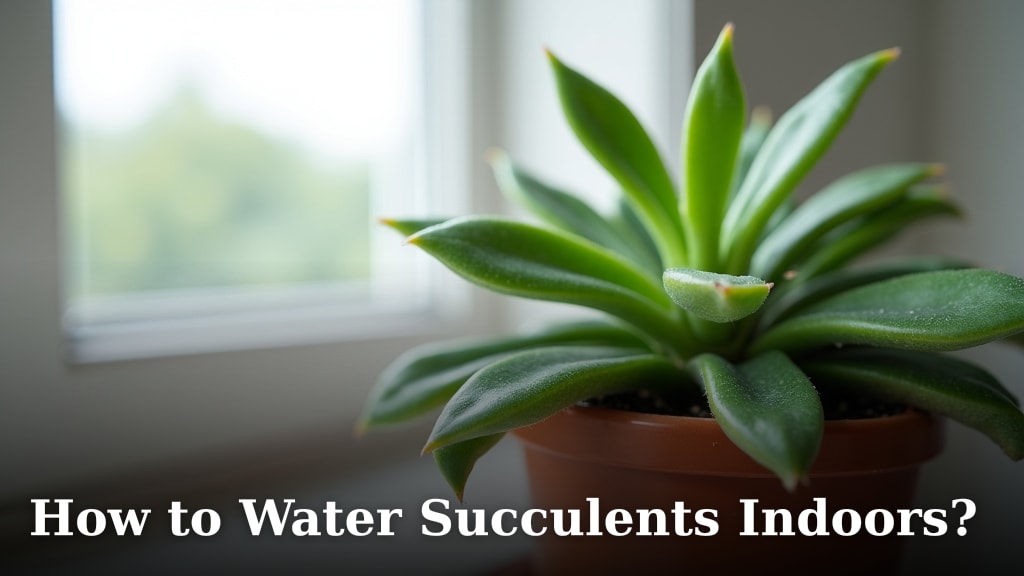
To water succulents indoors, the easiest way is to use the “soak and dry” method. You should only water when the soil is completely dry, and then water thoroughly until it drains from the bottom. This approach prevents common issues like root rot.
Getting your watering schedule right is crucial for healthy indoor succulents. Overwatering is the number one killer of these resilient plants, but underwatering can cause stress too. We found that proper watering technique helps your succulents thrive indoors.
- Water only when soil is bone dry.
- Use the “soak and dry” watering method.
- Ensure your pot has drainage holes.
- Avoid getting water on leaves.
- Adjust watering frequency seasonally.
Let’s walk through exactly how this works, step by step, so your succulents stay happy and vibrant.
Mastering Indoor Succulent Hydration
Understanding how much and how often to water your indoor succulents is key to their survival. It’s not just about pouring water in; it’s about a mindful process that mimics their natural arid environments. We found that a good approach respects these origins.
The “Soak and Dry” Method: Your Succulent’s Best Friend
This method is simple yet highly effective. It’s exactly what it sounds like. First, you let the soil dry out completely. Then, you water thoroughly until it drains out the bottom of the pot. Many succulent enthusiasts swear by this technique, and we agree, it works.
Why “Soak and Dry” Works Wonders
Succulents store water in their leaves and stems. This allows them to endure long periods without rain. The “soak and dry” method replicates this drought-and-deluge pattern. This encourages strong root development as roots search for moisture. It also prevents staying constantly wet, which is what leads to root rot.
When to Water: Reading Your Succulent’s Signals
Knowing when to water is more important than watering on a strict schedule. Schedules can be risky because environmental factors change. We found consistency in observation, not rigid timing, leads to success.
Checking the Soil Moisture
The most reliable way to tell if your succulent needs water is to check the soil. Don’t just look at the surface; dig a finger in. The soil needs to be bone dry all the way down before you water again. For larger pots, you might even insert a wooden skewer. If it comes out clean, the soil is dry.
Observing Your Succulent’s Appearance
Your succulent will also give you clues. Leaves might start to look a little deflated or wrinkled when thirsty. They won’t be plump and firm. For some, the leaves might even feel softer. This is a clear sign that it’s time for a drink. Don’t wait until the leaves are crispy, though. That’s usually too late.
How to Water: The Right Technique
Once you’ve determined it’s time to water, how exactly do you do it? It’s more than just a quick pour. There are a few steps to ensure your succulent gets what it needs without overdoing it.
Watering Until Drainage
Place your succulent in a sink or on a tray. Then, water slowly and evenly over the soil surface. Keep going until you see water flowing freely from the drainage holes at the bottom of the pot. This ensures the entire root ball gets hydrated. Don’t just give it a little sip; let it drink deeply.
Avoiding Wet Leaves
Try to avoid getting water on the leaves of your succulents. Water droplets on leaves, especially fuzzy varieties, can lead to rot or unsightly spots. If some water does splash, gently shake it off or use a soft cloth to dab it dry. This is particularly important for succulents with powdery coatings, which can be rubbed off by water.
Emptying Excess Water
After watering, make sure to empty any standing water from the saucer or tray. We found that leaving pots sitting in water is a fast track to root rot. Your succulent likes a good drink, but it doesn’t like wet feet. After about 15-30 minutes, dump out any remaining water.
Factors Influencing Watering Frequency
There’s no universal watering schedule that works for every succulent. Several factors affect how quickly your soil dries out. We looked at many common situations homeowners share to give you the best picture.
Seasonality
Succulents need less water in winter months when they are often dormant. Growth slows down, and they use less energy. We found it’s wise to reduce watering significantly, perhaps even by half, during this time. In spring and summer, when they are actively growing, they will need more frequent watering.
Pot Material and Size
Terra cotta pots are porous and allow water to evaporate more quickly. Plastic or glazed ceramic pots hold moisture longer. Smaller pots dry out faster than larger ones. Always consider your pot type when deciding when to water. We found that terra cotta pots are excellent for beginners because they lower the risk of overwatering.
Light and Temperature
Succulents in bright, direct light will use water faster than those in lower light conditions. Warmer temperatures also increase evaporation. If your home is particularly warm or you’re using grow lights, you might find yourself watering more often. Conversely, in a cool, darker spot, they will need less.
Soil Type
Well-draining soil is not just a recommendation; it’s a necessity for succulents. Soil mixes specifically designed for succulents or cacti will dry out faster than regular potting soil. We found that a good succulent mix includes ingredients like perlite, pumice, or coarse sand, which prevent compaction and allow for air circulation (USDA).
Troubleshooting Common Watering Mistakes
Even with the best intentions, mistakes can happen. It’s okay! Learning to identify and correct them will make you a better succulent parent. We put together some common scenarios.
Signs of Overwatering
Overwatering is the archenemy of succulents. Look for soft, mushy, or translucent leaves. The leaves might turn yellow or black. If the stems feel squishy, root rot has likely set in. If you suspect overwatering, stop watering immediately and check the roots. You may need to repot into dry soil after trimming any rotted roots. (Clemson University Extension)
Signs of Underwatering
While less common, underwatering can also harm your succulent. Leaves might become wrinkled, shriveled, or dry. They might feel brittle to the touch. The plant may look dull and lifeless. The good news is that underwatered succulents usually recover quickly with a good, thorough soak. We found they are much more forgiving of dryness than wetness.
Your Succulent Watering Checklist
Keeping these points in mind will help you maintain healthy, happy succulents. Think of this as your quick guide for every watering session.
- Only water when the soil is completely dry from top to bottom.
- Use the “soak and dry” method – water thoroughly until it drains.
- Ensure your pot has adequate drainage holes, always.
- Avoid getting water directly on the succulent leaves.
- Empty any excess water from the saucer within 30 minutes.
- Adjust watering frequency based on seasons, light, and temperature.
Comparing Watering Frequency Considerations
To help visualize how different factors affect watering, here’s a quick overview. Remember, these are general guidelines, and your plant will always be your best indicator.
| Factor | Impact on Drying Time | Watering Frequency |
|---|---|---|
| Summer/Growth Season | Faster drying | More frequent |
| Winter/Dormancy | Slower drying | Less frequent |
| Terra Cotta Pot | Faster drying | More frequent |
| Glazed/Plastic Pot | Slower drying | Less frequent |
| Bright, Direct Light | Faster drying | More frequent |
| Lower Light | Slower drying | Less frequent |
Conclusion
You now have the tools to keep your indoor succulents thriving. Remember, the “soak and dry” method is your guiding principle. Pay close attention to your plant and its soil. Your succulent will tell you what it needs.
By understanding factors like light, temperature, and pot type, you can easily adjust your watering routine. Overwatering is the biggest threat. Trust your instincts and the dryness of the soil.
Take this knowledge and apply it consistently. Your healthy, plump succulents will be a beautiful reward for your mindful care.
Frequently Asked Questions
Can I use tap water for my succulents?
Generally, yes, tap water is fine for succulents. If your tap water is very hard or heavily chlorinated, letting it sit out for 24 hours can help some chemicals dissipate. Rainwater or filtered water can also be good alternatives.
How long can succulents go without water indoors?
Indoor succulents can often go several weeks without water, especially during their dormant winter period. In warmer, brighter conditions, they might need water every 2-4 weeks. Always check the soil dryness before watering, rather than sticking to a strict schedule.
My succulent leaves are shriveling, what does that mean?
Shriveling or wrinkling leaves usually indicate underwatering. Your succulent is using its stored water, and it’s time for a thorough soak. Give it a good drink following the “soak and dry” method, and it should plump back up within a day or two.
Should I water my succulents from the top or bottom?
Top watering until drainage is generally preferred as it helps flush out accumulated salts from the soil. Bottom watering can also work by placing the pot in a tray of water, allowing the plant to absorb moisture from the drainage holes. Just make sure the entire root ball gets saturated.
What kind of soil is best for watering indoor succulents?
A well-draining succulent or cactus mix is essential. This type of soil usually contains perlite, pumice, or coarse sand. It prevents water from sitting around the roots, greatly reducing the risk of root rot. We found that good drainage is key to success.