How to Choose the Right Size Planter for a Plant?
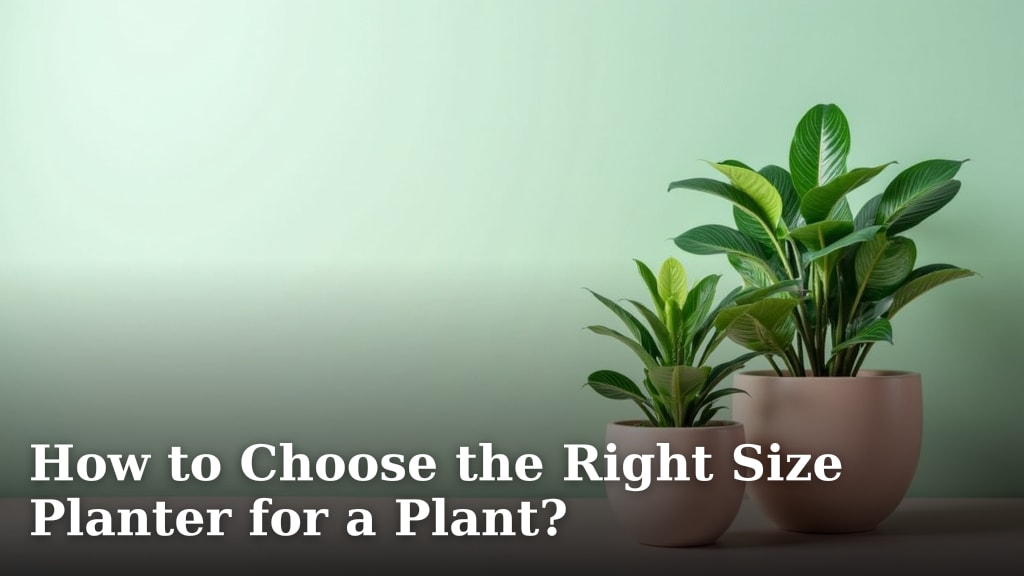
To choose the right size planter for a plant, you generally want a pot that is 1-2 inches wider than its current root ball. This provides enough room for growth without overwhelming the plant, ensuring its roots can breathe and preventing soil from staying too wet, which can lead to root rot. We found that matching the planter size correctly is key for a plant’s health.
Selecting the perfect pot is about more than just aesthetics; it directly impacts your plant’s ability to thrive. A pot that’s too small will stunt growth, while one that’s too large can lead to overwatering issues and soil compaction, making it hard for the plant to absorb nutrients. Many experts say proper sizing helps maintain soil moisture balance and encourages healthy root development.
- Match the planter size to the root ball.
- Too small a pot stunts growth.
- Too large risks overwatering and root rot.
- Consider the plant’s growth habits.
- Pots with drainage holes are a must.
Let’s dive into the details and walk you through everything you need to consider to get your plant into its ideal home.
Pot Sizing Guide for Your Plants
Choosing the right pot size ensures your plant has enough room to grow without being overwhelmed.
Every plant has unique needs. What works for a small succulent won’t work for a large palm. Getting this right is a foundation for plant health (research shows this). We’ll guide you through the process, step by step, for various plant types.
Understanding Root Balls and Growth Habits
The root ball is the dense mass of roots and soil that forms the plant’s foundation. It’s what you see when you unpot a plant. This is your primary guide for sizing. We found that matching the pot to this size is key.
The 1-2 Inch Rule for Small Plants
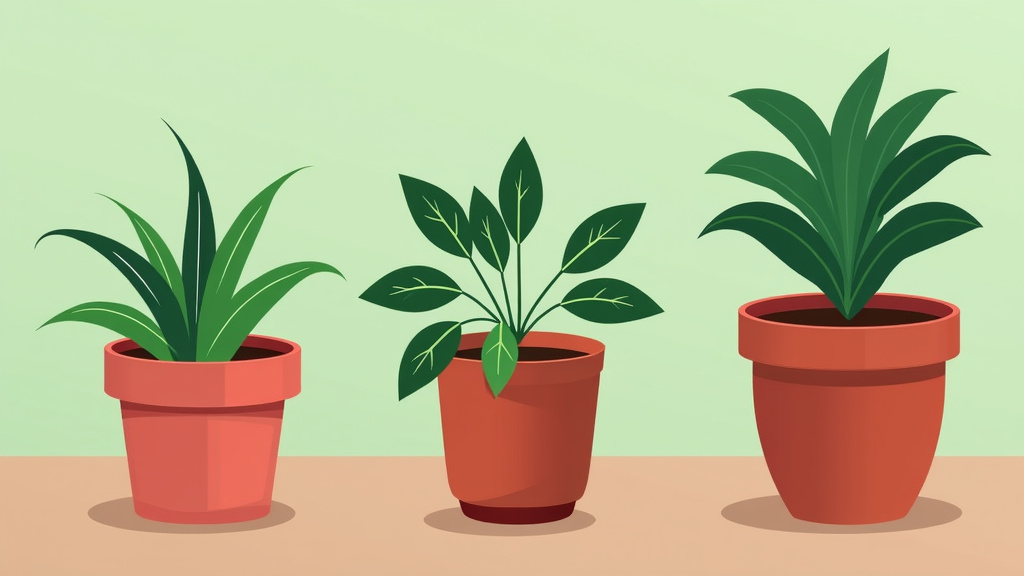
For most smaller houseplants, like those you might buy at a nursery, the 1-2 inch rule is your best friend. This means picking a new pot with a diameter 1 to 2 inches larger than the current pot. Is your plant in a 6-inch pot? Then aim for an 8-inch pot. This allows for new root growth without too much extra soil, helping prevent overwatering (University of California Agriculture and Natural Resources).
Exceptions for Fast-Growing Plants
Some plants are vigorous growers. Think about your Pothos or Philodendron. These plants often benefit from a slightly bigger jump in pot size. You might go for a pot 3-4 inches larger. This gives them more space to expand their root system quickly. You’re effectively planning for their future growth, saving you from frequent repotting.
What About Slow Growers and Succulents?
On the flip side, slow-growing plants and succulents prefer to be a bit snug. These plants don’t need much room. A pot that’s too big can hold too much moisture, leading to root rot for these types. We found that for them, staying within the 1-inch increase is often best, or even keeping them in their current pot for a while longer.
Signs Your Plant Needs a New Home
Your plants can tell you when they need more space. You just need to listen. Look for these clues to know it’s time to repot and get a new planter.
- Roots growing out of drainage holes: This is a clear signal that your plant is root-bound. The roots are literally trying to escape!
- Roots circling on top of the soil: If you see a dense mat of roots on the soil surface, it’s often a sign of crowding.
- Water running straight through: When you water and it drains almost immediately, the soil may be too compacted by roots. This makes it hard for the plant to absorb enough water.
- Stunted growth or drooping leaves: Despite proper care, if your plant isn’t thriving, it might need more space for its roots.
- Plant falling over easily: A top-heavy plant with insufficient root anchorage in its pot is another sign.
The Dangers of Too Big a Pot
You might think a bigger pot means more room to grow and is always better. But that’s not always true. A pot that’s too large can cause several problems for your plant.
Overwatering Woes
This is the most common issue. A large pot holds a greater volume of soil. More soil means more moisture retention. Your plant’s root system might not be large enough to absorb all that water. Excess moisture around the roots creates an environment ripe for root rot. Your plant essentially drowns.
Nutrient Dilution and Accessibility
In a large pot, nutrients can become more dispersed. The plant’s roots might struggle to reach these nutrients efficiently. It’s like looking for food in a giant, empty pantry. Plus, cold, wet soil can hinder nutrient uptake even when they are present. We’ve seen this lead to plants struggling to thrive.
The Challenges of Too Small a Pot
While overwatering is less of a concern, pots that are too small bring their own set of problems. It’s a tight squeeze for your plant.
Stunted Growth
Roots need space to spread out and absorb water and nutrients. If they are cramped, the plant simply can’t grow larger. It’s like trying to run a marathon in a tiny closet. This impacts both foliage and flower development. You’ll notice your plant just isn’t getting any bigger.
Increased Watering Frequency
Small pots hold less soil and, therefore, less water. You’ll find yourself watering much more often. This can be problematic if you travel or forget to water regularly, leading to stressed or dehydrated plants. It’s a constant battle to keep the soil moist enough.
What About Pot Material?
The material of your planter also plays a role in moisture retention and plant health. This isn’t just about looks. Each material has unique properties.
| Material | Pros | Cons | Best For |
|---|---|---|---|
| Terracotta/Clay | Porous, allows roots to breathe, wicks away excess moisture. | Dries out quickly, can be heavy, fragile. | Succulents, cacti, plants prone to root rot. |
| Plastic | Retains moisture, lightweight, durable, affordable. | Less breathable, can lead to overwatering for some plants. | Moisture-loving plants, large plants needing frequent watering. |
| Ceramic/Glazed | Holds moisture well, aesthetically pleasing, heavy, stable. | Poor drainage if no holes, can be expensive, heavy. | Plants needing consistent moisture, decorative pieces. |
| Wood | Insulates roots, attractive, biodegradable. | Decays over time, can harbor pests, needs liners. | Outdoor plants, herb gardens, larger decorative displays. |
Drainage Holes: Non-Negotiable
We cannot stress this enough: your planter absolutely must have drainage holes. This is critical for plant health. Without them, water collects at the bottom, suffocating roots and inviting root rot. It’s a fast track to an unhappy, unhealthy plant. Even if your decorative pot doesn’t have holes, place a plant in a nursery pot with holes inside it (Centers for Disease Control and Prevention guidance for indoor plant care).
Checklist for Choosing Your Planter Size
Ready to pick that perfect pot? Use this quick checklist to make sure you’re making the best choice for your plant.
- Is the new pot 1-2 inches wider than the current root ball for most plants?
- Is the pot slightly larger (3-4 inches) if your plant is a fast grower?
- Is it only 1 inch larger (or the same size) for slow growers or succulents?
- Does the planter have ample drainage holes at the bottom?
- Does the pot material suit your plant’s watering needs (e.g., terracotta for dry, plastic for moist)?
- Is the pot deep enough to accommodate the current root ball comfortably?
Conclusion
Choosing the correct planter size is a simple yet powerful way to ensure your plant’s health. You’ve learned about the 1-2 inch rule, how to spot signs of root-bound plants, and the potential pitfalls of pots that are too big or too small. Remember to always prioritize drainage and consider the pot material for your plant’s specific needs.
Armed with this knowledge, you can now confidently select the perfect home for your leafy companions. Go forth and help your plants thrive!
Frequently Asked Questions
How often should I repot my plants?
Most houseplants benefit from repotting every 12 to 18 months, or when they show signs of being root-bound. Fast-growing plants might need it sooner. Slow growers can go longer.
Can I put a small plant into a very large pot to avoid repotting later?
We advise against this. A very large pot holds too much soil and moisture for a small root system. This often leads to overwatering and root rot, harming your plant in the long run.
What if my plant is very tall but has a small root system?
Focus on the root ball size rather than the plant’s height. If the roots are small, keep the pot size increase minimal. You can use a heavier pot material or add weights to the bottom of the pot for stability.
Should I use the same pot size if I’m just refreshing the soil?
If your plant is healthy and not showing signs of outgrowing its pot, you can often repot it back into the same-sized container. Just ensure you refresh enough of the old soil, replacing it with new, nutrient-rich potting mix.
Are there any plants that prefer to be root-bound?
Yes, some plants, like many varieties of succulents, cacti, and even some orchids or peace lilies, prefer to be slightly root-bound. For these, a snug fit helps encourage flowering or prevents too much moisture retention.