How to Choose the Right Grow Light for Your Plants?
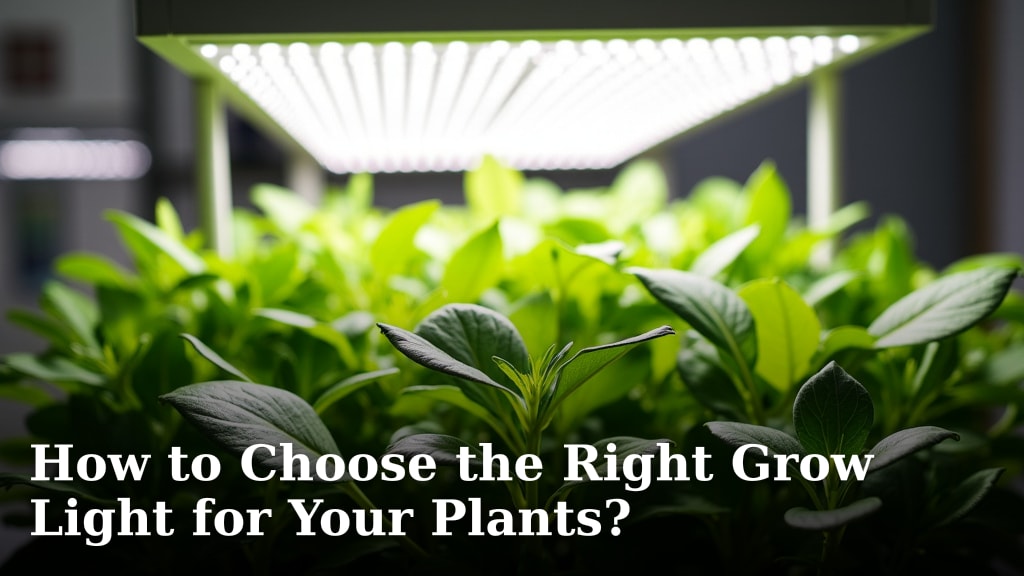
To choose the right grow light for your plants, you need to consider your plant’s light needs, the size of your grow space, and your budget. Understanding these factors helps you pick the right one. It ensures your plants get the light they need to thrive indoors.
Finding the perfect grow light can feel like a hunt for buried treasure, right? We found that matching light types to plant stages and species is key. Different plants, from delicate herbs to fruiting vegetables, have unique light requirements. Knowing these needs will guide you toward a successful indoor garden.
- Match light intensity to plant type.
- Think about your grow area’s size.
- Consider your budget for the light.
- Understand different grow light features.
- Choose lights for specific growth stages.
Let’s walk through how to choose the right grow light step by step. We’ll help you make an informed decision for your green friends.
Picking the Perfect Grow Light for Your Plants
Choosing the right grow light means your plants will truly thrive. It’s all about matching the light to your plant’s specific needs, your space, and what you’re willing to spend.
Understanding Your Plant’s Light Requirements
First, think about what your plants need. Different plants have very different light preferences. Are you growing leafy greens, herbs, or something that flowers and fruits?
Light Intensity and Daily Exposure
Light intensity is how strong the light is. Some plants love bright, direct light. Others prefer gentler, diffused light. You’ll also need to know how many hours of light your plant needs each day (Cornell University Extension).
- High-Light Plants: Tomatoes, peppers, cannabis, and many flowering plants demand strong light for 12-16 hours. These need powerful grow lights.
- Medium-Light Plants: Most herbs, lettuce, and leafy greens do well with moderate light. They usually need 10-14 hours.
- Low-Light Plants: Some houseplants like ferns or orchids might prefer weaker light. They might be okay with natural ambient light as a supplement.
Matching Light Spectrum to Growth Stages
Light isn’t just “on” or “off.” It has a spectrum of colors. Different colors encourage different growth. Blue light promotes leafy growth, while red light is great for flowering and fruiting.
Many full-spectrum lights aim to mimic natural sunlight. They include a balance of colors. These are a good general choice for most plants through all their growth stages. However, some advanced growers might switch spectrums for better results.
Assessing Your Grow Space and Setup
Your grow space plays a huge role in your grow light choice. How big is it? How many plants will you have? These questions help narrow down your options.
Grow Area Size Matters
Measure your grow area carefully. You need a light that can cover all your plants evenly. A small light won’t be enough for a wide space, and a large light in a tiny space is overkill.
Most grow lights specify their coverage area. This data helps you plan. If you have a 2×2 foot area, look for lights designed for that size. Don’t guess; measure it out.
Ventilation and Heat Management
Grow lights can get hot, especially older models. Heat can harm your plants. Make sure your grow space has good airflow. Fans can help move hot air away from your plants and the light itself.
LED lights generally produce less heat than High-Intensity Discharge (HID) lights. This makes them a popular choice for smaller, enclosed spaces where heat buildup is a concern.
Decoding Grow Light Types
There are several main types of grow lights. Each has its own benefits and drawbacks. Knowing these differences will help you make an informed choice.
LED Grow Lights: The Modern Choice
LEDs (Light Emitting Diodes) are very popular. They are energy-efficient and long-lasting. You can often find them in full-spectrum options. We found they offer excellent control over light intensity and spectrum (University of Georgia Extension).
- Pros: Energy-efficient, long lifespan, low heat output, customizable spectrum.
- Cons: Can be more expensive upfront, some cheaper models might not be powerful enough.
Fluorescent Grow Lights: Economical and Accessible
Fluorescent lights, like T5s, are a good choice for starting seedlings or growing leafy greens. They don’t get very hot and are budget-friendly. They offer a good, broad spectrum of light.
- Pros: Affordable, low heat, good for seedlings and vegetative growth.
- Cons: Less intense than LEDs or HIDs, not ideal for flowering/fruiting plants.
HID Grow Lights: Powerful but Hot
HID lights include Metal Halide (MH) and High-Pressure Sodium (HPS) lamps. MH lights are great for vegetative growth. HPS lights are excellent for flowering and fruiting. They are very powerful.
- Pros: Very high light output, excellent for flowering/fruiting (HPS).
- Cons: Generate a lot of heat, consume more energy, shorter lifespan than LEDs, requires ballasts.
Budgeting for Your Indoor Garden
Your budget is a practical consideration. Grow lights vary widely in price. It’s not just about the initial cost, but also running costs.
Initial Investment vs. Running Costs
A cheaper light might save you money now, but it could cost more in electricity later. LEDs often have a higher upfront cost but save you money on your power bill over time. We’ve seen this consistently.
Consider the total cost of ownership. This includes the light itself, electricity, and replacement bulbs if needed. Quality lights can be an investment, but they pay off in plant health and yields.
When to Splurge, When to Save
If you’re just starting with a few herbs, a simple fluorescent setup might be fine. If you’re growing high-value crops or plan a large garden, investing in quality LEDs is usually worthwhile. It makes a difference.
Grow Light Features to Consider
Modern grow lights come with many useful features. These can make your life easier and your plants happier. Think about what conveniences are important to you.
Dimmable Features and Timers
A dimmable grow light allows you to adjust the intensity. This is useful for different growth stages. Seedlings need less light than mature plants. Timers simplify your routine. They ensure your plants get light consistently, even when you’re not around.
Daisy-Chaining and Smart Controls
Some lights allow “daisy-chaining,” meaning you can link multiple fixtures together from one power outlet. This simplifies wiring. Smart controls, like app integration or Wi-Fi connectivity, offer remote management. You can adjust settings from your phone. How cool is that?
Making Your Final Decision: A Quick Checklist
Before you buy, run through this quick mental checklist. It will help ensure you’ve covered all your bases. No one wants buyer’s remorse, especially when your plants are depending on you!
| Feature | Consideration |
|---|---|
| Plant Type | High-light (tomatoes, peppers) or low-light (herbs, leafy greens)? |
| Grow Area Size | Measure your space. Will the light cover all your plants evenly? |
| Budget | Initial cost vs. long-term electricity usage. |
| Heat Output | Can your space handle the heat? Is ventilation adequate? |
| Light Spectrum | Full-spectrum for general use, or specific for growth stages? |
| Extra Features | Dimmable, timer, daisy-chain, smart controls? |
Your grow light is a key part of your indoor garden system. Choose wisely, and you’ll see happier, healthier plants. It’s a very rewarding experience to watch them thrive under your chosen light.
Post-Purchase Tips for Success
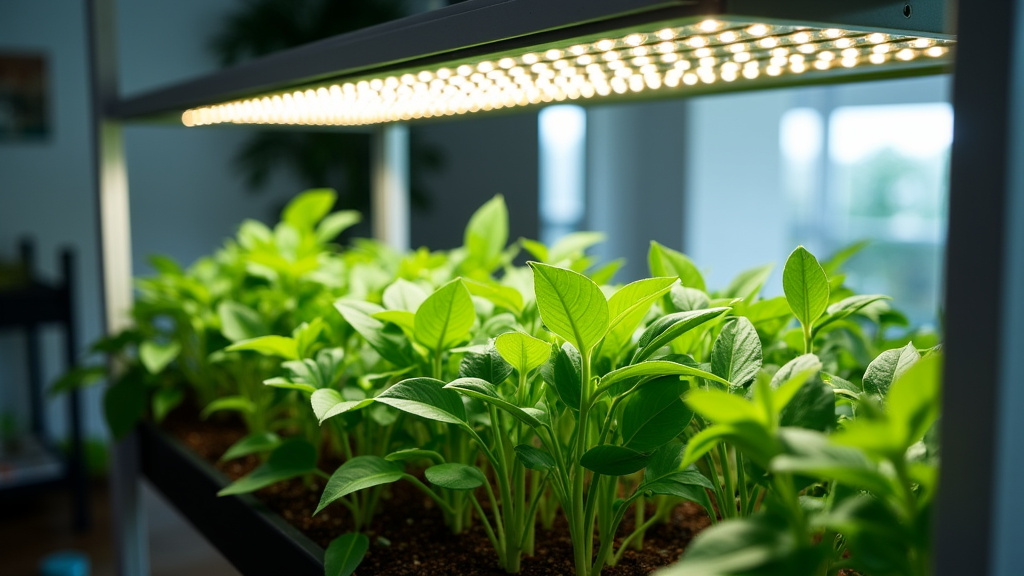
Once you’ve chosen your light, remember correct placement is key. The distance between the light and your plants matters. Too close can burn them; too far away means they won’t get enough light. Always check the manufacturer’s recommendations for optimal hanging height.
Conclusion
Choosing the right grow light truly transforms your indoor gardening experience. By carefully considering your plant’s specific needs, the dimensions of your grow space, and your financial plan, you’re making an informed decision. We know it seems like a lot, but balancing these factors ensures your plants get the perfect light to flourish.
You now have the knowledge to select a light that supports vibrant growth and bountiful harvests. Don’t rush the process; take time to assess your unique situation. When you’re ready, apply what you’ve learned and watch your indoor garden thrive.
Frequently Asked Questions
Can I use a regular shop light as a grow light?
You can use some regular shop lights for very low-light plants or for starting seedlings. However, they usually lack the full spectrum and intensity needed for most plants to grow beyond their initial stages. We found dedicated grow lights provide better results for healthy plant development.
How far should my LED grow light be from my plants?
The ideal distance varies greatly depending on the light’s power and your plant’s needs. We recommend always checking the manufacturer’s guidelines for your specific model. Generally, powerful LEDs are 18-36 inches above plants, while weaker ones might need to be closer.
Do my grow lights need a timer?
Yes, using a timer is highly recommended. Plants need consistent periods of light and darkness to complete their growth cycles naturally. A timer automates this process, ensuring your plants receive the optimal duration of light every day without you having to remember.
Is it better to have one big grow light or several smaller ones?
This depends on your grow space and plant layout. One large, powerful light can offer even coverage in a compact, square area. However, multiple smaller lights might be better for elongated spaces or for targeting light to individual plants with different needs. We suggest considering light distribution across your entire canopy.
How do I know if my plants are getting too much or too little light?
Signs of too much light include scorched or bleached leaves, often crinkling upwards. Too little light results in leggy, stretched plants with pale or yellowing leaves. Observing your plants daily helps you notice these cues early and adjust your light intensity or height accordingly.