
Why Are There White Spots on My Indoor Plant Leaves?
White spots on your indoor plant leaves are often a sign of something totally fixable, like mineral buildup from water or a simple pest problem. Sometimes, it’s just a natural part of how the plant grows. Don’t worry, we can figure this out!
Seeing these spots can be a little unnerving for any plant parent. We found that understanding the common causes helps you decide the best treatment. Your plant is probably trying to tell you something, and it’s usually not a big emergency.
- Water spots: Hard water leaves mineral deposits.
- Pests: Tiny bugs like spider mites can cause spotting.
- Sunburn: Too much direct light can cause pale patches.
- Fungal issues: Some mild infections show up as spots.
Let’s walk through the most common reasons for those white spots and what you can do to help your leafy friend bounce back to green glory.
Understanding Those White Spots on Your Plant’s Leaves
Seeing white spots on your favorite houseplant can be a bit alarming. You might wonder if your plant is sick or if you’ve done something wrong. The good news is that white spots are often a simple issue with a straightforward fix. Let’s break down the most common culprits and how to get your green friend looking healthy again.
Mineral Deposits From Watering: The Usual Suspect
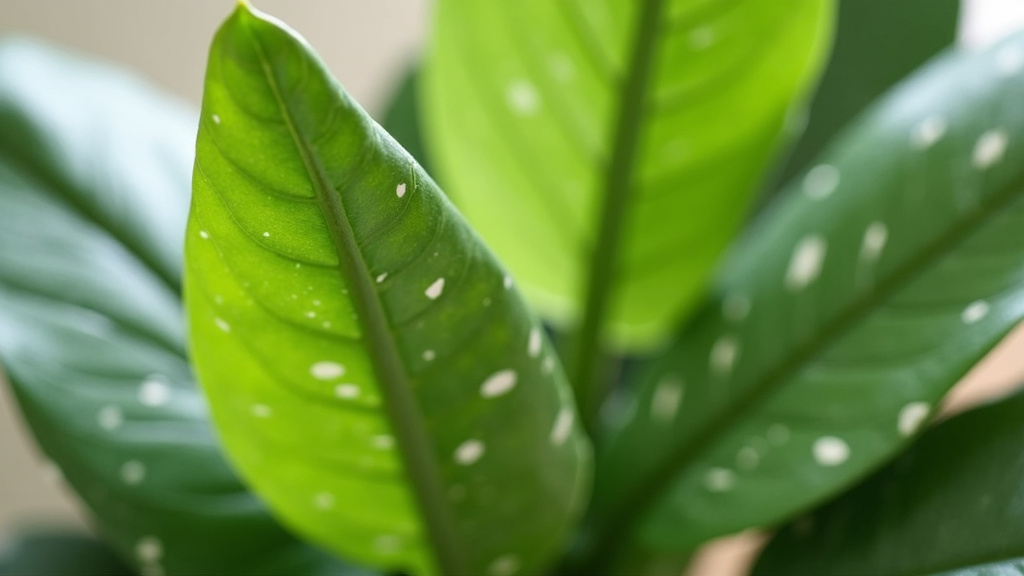
This is probably the most common reason for white spots. Your tap water likely contains minerals like calcium and magnesium. When you water your plant, some of that water evaporates from the leaves, leaving these minerals behind. Over time, these deposits build up, creating a powdery or crusty white film.
Hard Water Woes
If you live in an area with hard water, you’ll notice these spots more often. It’s not your fault; it’s just the mineral content in your local supply. These spots are harmless to the plant itself but can be unsightly. They tend to appear more on the top surface of leaves where water is most likely to sit and evaporate.
How to Tackle Mineral Buildup
Don’t panic! You can easily remove these white marks. Grab a soft, damp cloth and gently wipe down the leaves. You can use plain water or a mild solution of water mixed with a tiny bit of Castile soap or neem oil. For stubborn spots, a bit of diluted vinegar (one part vinegar to four parts water) can help dissolve the mineral deposits. Just be sure to rinse the leaves afterward with plain water to avoid any lingering acidity.
Preventing Future Spots
To prevent mineral buildup, try using distilled water, rainwater, or filtered water for your plants. If that’s not feasible, letting your tap water sit out overnight can help some of the dissolved gases escape, but it won’t remove the minerals themselves. A more effective method is to wipe down your plant’s leaves regularly, even when you don’t see spots, as part of your general plant care routine.
Tiny Pests Hiding in Plain Sight
Sometimes, those white spots aren’t mineral deposits at all. They can be the work of tiny pests that love to feed on your plants. These little critters can cause damage that appears as white or light-colored speckles, stippling, or even webbing.
Common Leaf-Eating Critters
Several common houseplant pests can cause white spots. You might be dealing with spider mites, which are incredibly small but can leave fine webbing and tiny white or yellow dots on leaves. Another possibility is mealybugs. These look like small, cottony white masses, often found in leaf axils or on undersides of leaves, and they suck sap, leaving pale spots behind. Whiteflies are tiny, winged insects that fly up when disturbed and can also cause stippling on leaves as they feed.
Identifying the Culprits
Take a close look at your plant, especially the undersides of leaves and where leaves meet stems. Use a magnifying glass if you have one. Do you see any tiny bugs, webbing, or sticky residue (honeydew)? Spider mites often create fine webbing, while mealybugs look like little cotton balls. Whiteflies are more mobile and will scatter when you brush against the plant.
Getting Rid of Pests
If you find pests, act quickly. First, isolate the affected plant to prevent the pests from spreading to your other green companions. You can start by physically removing as many pests as possible with a damp cloth or by gently spraying the plant with a strong stream of water in the shower or sink. Many experts recommend a neem oil spray as a natural and effective insecticide. You can also use insecticidal soap. Repeat treatments every few days until the pests are gone, as these treatments often only kill the adult insects.
| Pest | Appearance on Leaves | Where to Look | Treatment Tip |
|---|---|---|---|
| Spider Mites | Tiny white/yellow dots, fine webbing | Undersides of leaves, stems | Neem oil, insecticidal soap |
| Mealybugs | Cottony white masses, sticky residue | Leaf axils, undersides of leaves | Rubbing alcohol on cotton swab, neem oil |
| Whiteflies | Tiny white flying insects, stippling | Undersides of leaves, will fly up | Sticky traps, insecticidal soap |
Sunburn: Too Much of a Good Thing
Plants need light, but just like us, they can get too much of a good thing. If your plant is placed in direct sunlight for too long, especially after being in a shadier spot, its leaves can get sunburned. This often appears as pale, white, or yellowish patches on the parts of the leaves that receive the most intense light.
Recognizing Sunburn Damage
Sunburned patches are typically dry and brittle to the touch. They won’t be powdery like mineral deposits, nor will they have the tell-tale signs of pests. These patches are essentially areas where the leaf tissue has been damaged by the heat and intensity of the sun. The color change is due to the chlorophyll breaking down in those affected areas.
Helping Sunburned Plants Recover
Unfortunately, damaged leaf tissue won’t turn green again. You can trim off the severely damaged leaves if you wish, but it’s not strictly necessary for the plant’s survival. The most important step is to relocate the plant to a spot with bright, indirect light. Gradually reintroduce it to brighter conditions if needed, but avoid direct midday sun.
Preventing Future Sunburn
Know your plant’s light requirements. Some plants, like succulents, enjoy direct sun, while others, like many ferns and Calatheas, prefer indirect light. If you notice your plant getting too much sun, move it further away from the window or use a sheer curtain to filter the light. Observe your plant for any signs of stress, such as pale patches or wilting, which can indicate it’s getting too much light.
Fungal or Bacterial Spots: Less Common, But Possible
While less frequent than mineral buildup or pests, certain fungal or bacterial infections can manifest as white or light-colored spots on plant leaves. These spots are often part of a larger issue, and you might notice other symptoms as well.
Identifying Fungal Concerns
Fungal spots can sometimes start as small, white or tan dots that may enlarge or develop a fuzzy or powdery appearance, especially if it’s powdery mildew. Unlike mineral deposits, these spots are often part of an active infection. They might be accompanied by yellowing leaves, wilting, or an overall decline in the plant’s health. Many plant health resources, like those from university extension offices, suggest that good air circulation and proper watering are key to preventing fungal issues.
What to Do About Fungus
If you suspect a fungal issue, ensure the plant has good air circulation and avoid overhead watering, which can spread spores. Remove any severely infected leaves and dispose of them away from your plants. For mild cases of powdery mildew, a simple solution of baking soda (1 teaspoon per quart of water) mixed with a few drops of liquid soap can sometimes help. More persistent issues might require a fungicide specifically labeled for houseplants, following product instructions carefully.
When to Seek More Help
If the spots spread rapidly, or if your plant is showing multiple signs of distress (wilting, yellowing, leaf drop), it might be more than just a superficial issue. Consider consulting a local nursery or a plant expert. They can help diagnose specific problems and recommend targeted treatments. Remember, early detection and intervention are always best for your plant’s well-being.
A Quick Checklist for Spotting Trouble
- Check for tiny bugs or webbing.
- Wipe a spot; does it come off easily?
- Is the spot dry and brittle, or soft?
- Are the spots spreading quickly?
- What kind of water do you use?
- Is the plant in direct, harsh sunlight?
Conclusion
Seeing white spots on your plant leaves doesn’t have to be a cause for panic. We’ve learned that these little white marks are often a sign of simple issues like mineral buildup from hard water, or they could indicate pesky spider mites, mealybugs, or even sunburn. Sometimes, it’s a minor fungal issue. By carefully observing your plant and using our quick checklist, you can pinpoint the problem. Your next step is to take the appropriate action, whether it’s wiping down leaves, treating pests, or adjusting sunlight. With a little attention, your plant will be back to its vibrant green self in no time!
Frequently Asked Questions
Can I just ignore white spots on my plant leaves?
While some white spots are harmless mineral deposits that won’t hurt your plant, others can signal pest infestations or disease. It’s best to investigate the cause so you can address any underlying problems early on to keep your plant healthy.
How often should I wipe down my plant leaves?
Wiping down your plant leaves once a month as part of your regular care routine can help prevent mineral buildup and allow you to spot pests early. If you use tap water with high mineral content, you might want to do it more often.
Is distilled water really necessary for plants with white spots?
Using distilled water or rainwater is a great way to prevent mineral buildup if your tap water is hard. While not strictly necessary for all plants, it’s a simple preventative measure that can help keep your plants looking their best and avoid those crusty white deposits.
Will my plant die if it gets white spots?
In most cases, white spots are not a death sentence for your plant. They are usually a sign that something needs a small adjustment in your care routine. With the right diagnosis and treatment, your plant can recover and thrive.
What’s the difference between mineral spots and pest damage?
Mineral spots are typically powdery or crusty deposits left by evaporated water and can be wiped away easily. Pest damage often looks like tiny dots (stippling), fine webbing, or cottony masses and might be accompanied by sticky residue or the actual pests themselves.
