
Why Are My Hydroponic Lettuce Leaves Wilting?
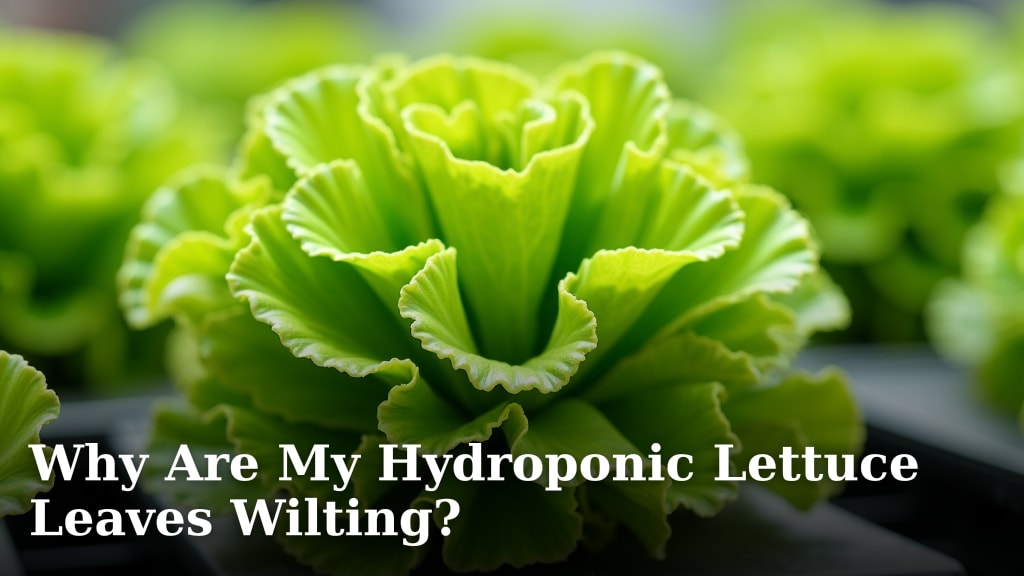
Your hydroponic lettuce leaves are wilting primarily because of improper watering, nutrient imbalances, or environmental stress. Lettuce needs a consistent supply of moisture and the right balance of nutrients to thrive in a hydroponic system. If these aren’t met, you’ll see those telltale drooping leaves. Addressing these common issues will help you bring your wilting greens back to life.
When lettuce wilts in hydroponics, it’s often a sign that something is off-balance in your system’s care. This could mean the pH is too high or too low, the temperature is out of range, or the water level isn’t quite right. Understanding these factors is key to keeping your hydroponic garden happy and healthy, ensuring crisp, vibrant lettuce every time.
- Wilting is usually a sign of watering, nutrient, or environmental issues.
- Check your water supply and nutrient levels carefully.
- Environmental factors like temperature and light also play a big role.
- Correcting these simple factors can revive your wilting lettuce.
Let’s dive into the most common reasons your hydroponic lettuce might be wilting and how you can fix them.
Troubleshooting Wilting Leaves in Your Hydroponic Lettuce Garden
Seeing your hydroponic lettuce leaves droop can be disheartening. It’s like your plants are saying, “Help me!” But don’t worry, this is a common challenge many growers face. We’ve gathered the most frequent culprits behind wilting lettuce in a hydroponic setup. Understanding these issues is the first step to a thriving garden.
Watering Woes: The Foundation of Healthy Lettuce
Lettuce in hydroponics is totally dependent on you for water. Unlike soil plants that can seek out moisture, your lettuce relies 100% on what you provide. Too little water, and your plants will dehydrate. Too much, and you risk root problems.
Inconsistent Water Levels
Hydroponic systems need a steady supply of water. If your water level dips too low, the roots won’t get enough moisture. This is especially true for systems like Deep Water Culture (DWC) or Nutrient Film Technique (NFT). You’ll see the lower leaves start to droop first as the plant tries to conserve what little water it has.
We found that maintaining a consistent water level within your reservoir is absolutely critical. For DWC, ensure the roots are always submerged. For NFT, the thin film of water should be constant. Check your reservoir daily, especially during warmer periods.
Root Rot: The Silent Killer
Wilting can also be a sign of root rot. This happens when plant roots are constantly waterlogged or if there’s a lack of oxygen. Rotting roots can’t absorb water or nutrients effectively, leading to wilted leaves even if the water level is adequate. It often has a brown, slimy appearance and a foul smell.
To prevent root rot, ensure good oxygenation. In DWC, this means a strong air pump and air stones. In NFT, the flow rate needs to be right to prevent stagnant areas. Many experienced growers suggest adding beneficial bacteria or hydrogen peroxide sparingly to combat fungal issues (NCBI).
How to Fix Watering Issues
First, check your water reservoir level daily and top it off as needed. Ensure your air pump is working correctly and air stones are producing plenty of bubbles. If you suspect root rot, carefully examine the roots. You may need to trim away any brown, slimy sections and consider a root rot treatment. Good air circulation around the plants also helps prevent issues.
Nutrient Imbalances: Feeding Your Hungry Greens
Hydroponic plants need a carefully balanced diet of nutrients. Lettuce, in particular, is a heavy feeder. If your nutrient solution is too weak, your lettuce won’t have the energy to stay turgid. If it’s too strong, it can “burn” the roots and cause wilting.
Incorrect Nutrient Strength (EC/TDS)
Electrical Conductivity (EC) or Total Dissolved Solids (TDS) measures the strength of your nutrient solution. Lettuce generally thrives with an EC between 1.2 and 1.8 or a TDS of 600-900 ppm (though this can vary by specific lettuce type and stage of growth).
If your EC/TDS is too low, your lettuce is essentially starving. If it’s too high, the excess salts can dehydrate the roots. You’ll see leaves wilting, and sometimes yellowing or browning at the tips.
pH Levels: The Unsung Hero
The pH level of your nutrient solution affects nutrient availability. If the pH is too high or too low, certain essential nutrients become locked out, even if they are present in the solution. Lettuce prefers a pH range of 5.5 to 6.5. Outside this range, it struggles to absorb what it needs.
Research shows that when pH drifts too far from the optimal range, plants exhibit wilting symptoms because they simply cannot get their food (University of Florida IFAS Extension). A high pH can lock out iron and manganese, while a low pH can lock out calcium and magnesium. These are vital for plant structure and function.
Nutrient Deficiencies and Toxicities
Beyond overall strength and pH, specific nutrient imbalances can cause wilting. Magnesium deficiency, for example, can cause yellowing between the veins of older leaves, eventually leading to drooping. Calcium deficiency can cause stunted growth and wilting in new leaves.
Conversely, too much of a certain nutrient can be toxic. This is less common but can occur if you’re over-supplementing. Symptoms can mimic deficiencies or cause leaf burn, leading to wilting.
How to Fix Nutrient Issues
The first step is to get a reliable EC/TDS meter and a pH meter. Calibrate them regularly. Test your solution daily and adjust as needed. If you’re consistently struggling, consider using a reputable hydroponic nutrient line designed for leafy greens. Follow their mixing instructions precisely. Make sure to check and adjust your pH daily, as it can fluctuate.
Environmental Stressors: Creating a Comfortable Climate
Just like us, plants can get stressed by their environment. Extreme temperatures, inadequate light, or poor air circulation can all lead to wilting, even if your water and nutrients are perfect.
Temperature Fluctuations
Lettuce is a cool-season crop. It prefers temperatures between 60-70°F (15-21°C). When temperatures climb much higher, lettuce starts to stress. It can bolt (go to seed) prematurely, and its leaves will often wilt and become bitter.
Conversely, if it gets too cold, growth slows down, and the plant can become brittle. While not typically wilting, extreme cold can stress the plant. Consistent, moderate temperatures are key for happy lettuce.
Light Intensity and Duration
Your lettuce needs the right amount of light. Too little light, and the plant won’t have the energy to grow, leading to weak stems and wilting. Too much intense light, especially without adequate water and nutrients, can scorch the leaves and cause them to wilt and brown.
The duration of light is also important. Most lettuce varieties need 12-16 hours of light per day. Consistent light cycles are essential for healthy growth. Fluctuations can confuse the plant.
Airflow and Humidity
Good air circulation is vital for hydroponic plants. It helps strengthen the stems, prevents fungal diseases, and aids in transpiration (the process of water moving through the plant and evaporating from leaves). Without it, the air around your plants can become stagnant and overly humid.
High humidity can make it harder for the plant to transpire, leading to a buildup of moisture that can stress the leaves and roots. Low humidity, combined with heat, can cause rapid dehydration. Aim for a relative humidity of 40-60%.
How to Fix Environmental Issues
Monitor your grow area temperatures. Use fans to improve air circulation. If your area gets too hot, consider an exhaust fan or even a small air conditioner. Ensure your grow lights are at the correct height and duration. If using artificial lights, check their intensity and spectrum to ensure they’re suitable for leafy greens. Keep your humidity in the desired range using humidifiers or dehumidifiers as needed.
Quick Checklist for Reviving Wilting Lettuce
- Check your nutrient solution’s EC/TDS and pH daily.
- Ensure your reservoir has adequate water and roots are submerged.
- Verify your air pump and air stones are working.
- Monitor the temperature and humidity of your grow area.
- Assess your grow lights for proper intensity and duration.
- Inspect roots for any signs of rot or damage.
Conclusion
You’ve learned that wilting in your hydroponic lettuce is often a clear signal that something is out of balance. Whether it’s your watering schedule, nutrient mix, or environmental controls, addressing these core areas is key. By diligently monitoring your water levels, EC/TDS, and pH, and ensuring a stable environment, you can bring your drooping greens back to vibrant life. Your next step is to grab your meters and start checking your system daily – consistency is your best friend in hydroponics!
Frequently Asked Questions
What’s the quickest way to tell if my lettuce is wilting from underwatering or overwatering?
Underwatered lettuce typically droops from the bottom up, with lower leaves wilting first. Overwatered lettuce, often due to root rot, might show wilting across the whole plant, sometimes with yellowing or browning leaves and a foul smell from the roots.
Can I use tap water for my hydroponic lettuce, or do I need filtered water?
You can often use tap water, but it’s best to test its initial EC/TDS and pH. Tap water can contain minerals that affect your nutrient solution’s balance. If your tap water is very hard or has high chlorine levels, you might consider letting it sit for 24 hours or using filtered water.
My lettuce looks wilted, but the roots look healthy. What else could it be?
If your roots appear healthy, focus on environmental factors. Extreme temperatures (too hot or too cold), insufficient light, or poor air circulation can all stress your lettuce and cause wilting. Ensure your grow lights are at the correct height and duration, and that your fans are providing adequate airflow.
How often should I completely change my hydroponic nutrient solution?
For most hydroponic lettuce systems, it’s recommended to change the entire nutrient solution every 1-2 weeks. This prevents nutrient imbalances from building up and ensures your plants have access to fresh, readily available nutrients.
Is it normal for some older leaves to wilt slightly in a hydroponic system?
While significant wilting is a problem, it’s somewhat normal for the very oldest, lowest leaves to yellow and die off as the plant matures and redirects energy to new growth. However, widespread or rapid wilting of multiple leaves, especially younger ones, indicates a problem you need to address.
