
What Vegetables Can You Realistically Grow in a Small Hydroponic Kit?
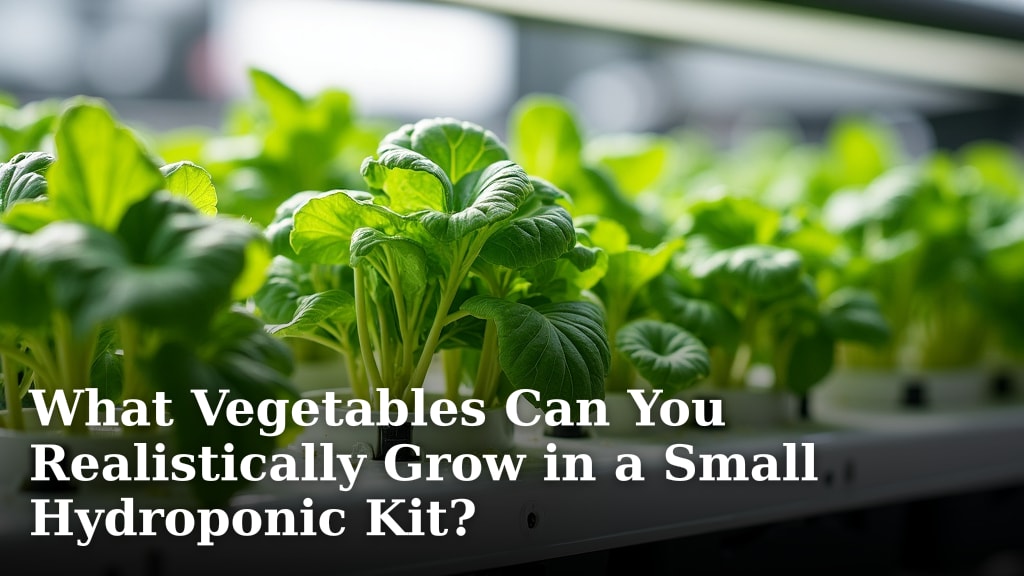
Yes, you can realistically grow a surprising variety of vegetables in a small hydroponic kit. We found that leafy greens, herbs, and some smaller fruiting plants are ideal for compact setups. Your countertop garden dreams are definitely within reach!
You might be wondering what specific plants thrive in these systems. We looked at common starter kits and found they’re perfect for plants that don’t need deep roots or a lot of space. Think about what you use most often in your kitchen; many of those fresh ingredients are perfect candidates for your hydroponic adventures.
- Leafy greens like lettuce and spinach are super easy.
- Most common herbs grow well in small kits.
- Cherry tomatoes and mini bell peppers can work with care.
- Root vegetables are generally not suited for small kits.
- Choose plants that don’t get too big or bushy.
Let’s dive into the specifics of what vegetables you can realistically grow in a small hydroponic kit, so you can get started with confidence.
Choosing the Right Vegetables for Your Small Hydroponic Kit
You’re ready to start your hydroponic journey! The good news is many vegetables thrive in small setups. The key is to pick plants that don’t need much space or have very deep roots.
Think about plants that naturally grow quickly and stay compact. This strategy helps you get the most out of your limited hydroponic real estate. We’ll walk you through the best options.
Leafy Greens: The Hydroponic Superstars
When it comes to small hydroponic kits, leafy greens are almost always your best bet. They grow fast, don’t mind close quarters, and are incredibly forgiving for beginners. Plus, fresh greens taste amazing!
Lettuce Varieties
Lettuce is perhaps the easiest vegetable to grow hydroponically. You’ll see new leaves ready for harvest in just a few weeks. It’s a favorite for a reason.
- Butterhead (e.g., Bibb, Boston): These produce soft, tender leaves with a mild flavor. They form loose heads, perfect for individual servings.
- Loose Leaf (e.g., Black Seeded Simpson, Romaine): These don’t form a tight head, making them ideal for “cut-and-come-again” harvesting. You just snip off outer leaves as you need them.
- Other Varieties: Even more varieties like Red Sails or Tom Thumb work well. They add color and texture to your salads.
We found that lettuce adapts very well to most small hydroponic systems. They don’t need a lot of light, making them great for indoor growing.
Spinach and Arugula
Both spinach and arugula are fantastic choices for your small kit. They are nutritional powerhouses and grow relatively quickly.
- Spinach: Known for its iron content, spinach is a cool-weather crop that tolerates hydroponic conditions beautifully. Harvest the outer leaves for a continuous supply.
- Arugula: If you love a peppery kick, arugula is for you. It grows very fast, often ready for its first harvest in less than a month.
These greens provide a delicious freshness that’s hard to beat from the grocery store. You’ll love having them on hand.
Kale and Swiss Chard
For more robust greens, consider kale and Swiss chard. They offer a bit more substance and similar nutritional benefits.
- Kale: Dwarf varieties of kale, like ‘Lacinato’ or ‘Red Russian’, can thrive in small systems. They offer a hearty texture and flavor.
- Swiss Chard: With its vibrant stems and tender leaves, Swiss chard is both beautiful and tasty. It’s also a “cut-and-come-again” plant.
These greens tend to grow a bit taller, so you might need to rotate them or prune them more often. This keeps them manageable in a compact space.
Herbs: Flavor at Your Fingertips
Imagine having fresh herbs readily available for cooking or garnishing. Small hydroponic kits are perfect for growing a wide array of culinary herbs.
Herbs often have shallow root systems and don’t take up much vertical space. This makes them ideal for most countertop systems.
Basil
Basil is incredibly popular among hydroponic growers. It grows quickly, smells wonderful, and adds fantastic flavor to many dishes. It truly flourishes in hydroponic conditions.
- Sweet Basil: The classic choice for pesto and Italian dishes. It produces lush, green leaves.
- Thai Basil: Offers a slightly spicier, anise-like flavor, great for Asian cuisine.
- Genovese Basil: A common and robust variety that yields large, flavorful leaves.
Remember to “pinch” your basil regularly. This means snipping off the top sets of leaves. It encourages the plant to grow bushier instead of tall and leggy (University of Maryland Extension).
Mint and Cilantro
These two herbs are also fantastic for small kits. They offer distinct flavors and grow quite vigorously.
- Mint: Many varieties, like spearmint and peppermint, thrive hydroponically. Be careful, though; mint can be very aggressive and might try to take over if not pruned regularly.
- Cilantro: While sometimes finicky in soil, cilantro can do very well in a hydroponic system. It prefers cooler temperatures, so keep your kit away from direct heat sources.
Fresh mint for tea or cocktails, and cilantro for your tacos? Yes, please!
Other Great Herb Options
Don’t stop at just basil, mint, and cilantro. Many other herbs will happily grow in your kit.
- Parsley: Both flat-leaf and curly parsley are good choices. They add a fresh, clean flavor.
- Dill: Grows quickly and is excellent for fish dishes or pickles.
- Chives: A member of the onion family, chives are easy to grow and add a mild onion flavor.
- Oregano & Thyme: These Mediterranean herbs are generally slower growers but will eventually provide a steady supply.
Having a constant supply of fresh herbs makes a huge difference in your cooking. It’s one of the most rewarding aspects of a small hydroponic garden.
Fruiting Vegetables (with a Caveat)
While leafy greens and herbs are foolproof, you can also try some fruiting vegetables. However, these often require more attention and specific conditions. They might not be suitable for every “small” kit.
You’ll need good lighting, careful nutrient management, and possibly pollination for these to succeed.
Cherry Tomatoes and Mini Bell Peppers
These are the most realistic fruiting vegetables for small hydroponic setups. They are compact versions of their larger relatives.
- Cherry Tomatoes (Dwarf Varieties): Look for varieties specifically bred for containers or small spaces. They produce smaller fruit but can still yield a good harvest.
- Mini Bell Peppers: These plants stay smaller and produce adorable, bite-sized peppers. They come in various colors.
For these plants, you’ll likely need stronger grow lights. You’ll also need to consider hand-pollination. Gently shake the plant or use a small brush to move pollen between flowers (National Garden Bureau).
Strawberries
Yes, you can grow strawberries hydroponically! They are especially well-suited for certain vertical hydroponic systems. They stay relatively compact and produce delicious fruit.
Choose everbearing or day-neutral varieties. These produce fruit throughout the growing season, not just once a year. They tend to do better in hydroponics than June-bearing types.
Strawberries need consistent lighting and nutrients. You’ll be amazed at how tasty homegrown hydroponic strawberries are.
What Not to Grow in a Small Hydroponic Kit
Just as important as knowing what to grow is knowing what to avoid. Some vegetables are simply not practical for small kits.
Root Vegetables
Root vegetables like carrots, potatoes, radishes, and onions are generally not a good fit. They need space to grow downwards. Small hydroponic kits don’t provide the necessary medium or depth for them to form properly. You’d end up with tiny, deformed roots.
Large, Vining, or Bushy Plants
Anything that grows very large or spreads extensively will quickly outgrow your small kit. This includes:
- Full-sized Tomatoes and Peppers: These plants get too tall and wide, overwhelming your system.
- Cucumbers and Zucchini: These are vigorous vining plants that need a lot of space and support.
- Corn or Beans: Again, too large and not suited for compact hydroponic setups.
Trying to force these plants into a small system often leads to disappointment. They become stressed, produce little, and can hinder the growth of other plants.
Quick Checklist for Choosing Your Hydroponic Veggies
Before you buy seeds or seedlings, run through this quick checklist:
- Is the plant compact or does it have dwarf varieties?
- Does it have a shallow root system?
- Is it known for fast growth or quick harvests?
- Does it tolerate “cut-and-come-again” harvesting?
- Does it require minimal pollination efforts?
- Can you provide the necessary light and temperature?
Answering yes to most of these questions means you’ve likely found a winner for your small hydroponic kit!
Optimizing Your Small Hydroponic Garden
Even with the right plant choices, a few tips can help you maximize your yield. Your goal is to create the best environment for your chosen plants.
Pruning and Trimming
Regular pruning is essential in a small system. It prevents plants from becoming too dense and blocking light from others. It also encourages bushier growth and more production.
For leafy greens, harvest outer leaves frequently. For herbs, pinch off new growth at the top. Don’t be afraid to snip away! It helps the plant grow better.
Light and Nutrients
Adequate light is crucial, especially for fruiting plants. Most small kits come with built-in LED grow lights. Make sure they are correctly positioned and on for the right amount of time (typically 12-16 hours).
Use high-quality hydroponic nutrients specifically formulated for vegetables. Follow the dilution instructions carefully. Too much or too little can harm your plants. Checking pH levels is also important for nutrient uptake.
Water and Air Flow
Change the water in your reservoir regularly, usually every 1-2 weeks. This ensures fresh nutrients and prevents stagnation. Also, make sure there’s good air circulation around your plants. A small fan can prevent mold and strengthen stems.
Your tiny hydroponic garden can be a powerful source of fresh, healthy produce. Enjoy the journey of growing your own food!
Conclusion
You now know that turning your kitchen counter into a mini farm is entirely possible with a small hydroponic kit. By focusing on leafy greens, most herbs, and even some dwarf fruiting plants, you set yourself up for success. We’ve seen how choosing compact, shallow-rooted varieties makes all the difference.
Remember to prune regularly and provide consistent light and nutrients. This will keep your plants happy and productive. So go ahead, pick your favorite easy-to-grow vegetables, and enjoy the incredible freshness only a home hydroponic garden can provide. Your journey to fresh, homegrown produce starts now!
Frequently Asked Questions
How often do I need to change the water in a small hydroponic kit?
You should aim to change the water in your hydroponic reservoir every 1 to 2 weeks. This practice ensures your plants always have fresh nutrients and prevents any buildup of algae or harmful bacteria. Regular changes keep your system healthy and your plants thriving.
Can I grow different types of vegetables in the same small hydroponic kit?
Yes, you can often grow different compatible vegetables in the same kit. The best approach is to group plants with similar light and nutrient requirements. For example, leafy greens and many herbs thrive together, but avoid mixing them with fruiting plants that need much stronger light.
Do I need special nutrients for hydroponic growing?
Absolutely, you need nutrients specifically designed for hydroponic systems. Regular soil fertilizers won’t work correctly as they lack the precise mineral balance plants need in water. Look for “hydroponic nutrients” or “hydroponic fertilizer” to ensure your plants get the right food.
How much light do small hydroponic vegetables need?
Most small hydroponic kits come with integrated LED grow lights, which are usually sufficient. Generally, leafy greens and herbs need about 12-14 hours of light per day. Fruiting plants like cherry tomatoes might benefit from 14-16 hours for optimal production.
Why are my hydroponic plants not growing well?
Several factors can affect plant growth in hydroponics. Check your nutrient solution’s strength and pH levels; imbalances here are common culprits. Also, ensure your plants are getting enough light and that the water temperature isn’t too extreme. Sometimes, poor air circulation can also stress plants.
