
What Plants Are Safe for Cats Indoors?
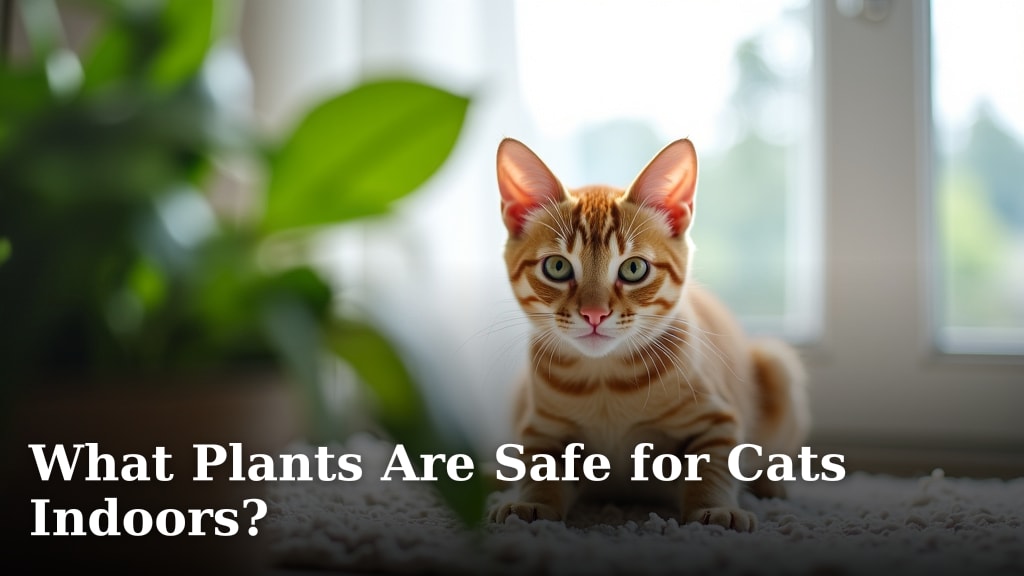
Yes, several beautiful and common houseplants are safe for cats indoors, letting you enjoy greenery without worry. We found that plants like the Areca Palm, Boston Fern, and African Violet are non-toxic options for your feline friends. Choosing the right plants means both you and your cat can live in a harmonious, green home.
As a cat owner, you want to ensure every part of your home is safe and welcoming. This includes your plant collection! Many popular indoor plants can be toxic if ingested, causing anything from mild upset to serious health issues. We researched and found that there are plenty of cat-friendly alternatives that add beauty and life to your living space.
- Choose non-toxic plants like Areca Palm and African Violet.
- Avoid common toxic plants such as Lilies and Sago Palms.
- Always check plant labels or do quick research before buying.
- Keep an eye on your cat’s interactions with new plants.
Let’s dive into our list of the best plants that are safe for cats indoors, helping you create a beautiful and worry-free home.
Your Guide to Cat-Safe Indoor Plants
You want to fill your home with beautiful greenery, but your curious cat’s safety is top priority. Good news! Many common and lovely houseplants are perfectly safe for your feline friends. You don’t have to choose between a lush home and a happy cat.
Flowering Plants That Are Feline-Friendly
Who doesn’t love a splash of color? You might think colorful flowers are off-limits, but several options bring beauty without risk. These plants brighten your space and won’t harm your pet.
African Violet (Saintpaulia spp.)
These charming plants offer vibrant blooms and are a delightful addition to any home. We found that African Violets are completely non-toxic to cats and dogs. Their fuzzy leaves and bright flowers make them a popular choice.
African Violets are easy to care for, thriving in moderate light and humidity. You’ll enjoy their continuous blooms for months. Just be sure to water them from the bottom to protect their delicate leaves.
Christmas Cactus (Schlumbergera bridgesii)
Looking for a festive touch, even outside the holidays? The Christmas Cactus is a great choice. These unique plants burst with colorful flowers, typically in red, pink, or white. We found them to be non-toxic to cats.
This plant prefers bright, indirect light. It’s a relatively low-maintenance plant, making it perfect for busy pet owners. Enjoy its beautiful, cascading blooms without a worry.
Orchid (Phalaenopsis spp.)
Orchids often seem exotic and fragile, but they are also a safe option for your home. We researched and found that most common orchid varieties, like the Phalaenopsis (Moth Orchid), are non-toxic to cats. Their elegant flowers add a touch of sophistication.
Caring for orchids can seem intimidating, but it’s simpler than you think. They need bright, indirect light and careful watering. Your beautiful orchid will bloom for weeks, providing a stunning focal point.
Foliage Plants Your Cat Can Live With
Sometimes, green is all you need! Lush foliage plants create a calm and refreshing atmosphere. Many of these plants are not only beautiful but also safe for your curious companions.
Areca Palm (Dypsis lutescens)
Want a tropical feel? The Areca Palm is a fantastic choice. This plant offers airy, feathery fronds that can grow quite tall. We found that Areca Palms are perfectly safe for cats and dogs (ASPCA). It’s often mistaken for other palms, so be sure of the exact variety you’re getting.
Areca Palms need bright, indirect light and consistent moisture. They also help purify your indoor air. You get a beautiful plant that’s both decorative and beneficial.
Boston Fern (Nephrolepis exaltata)
Ferns add a classic, timeless look to any room. The Boston Fern, with its arching green fronds, is a popular choice. We found this plant to be non-toxic to cats. Its lush appearance is very appealing.
Boston Ferns love humidity and indirect light. They can be a bit messy with falling leaves, but their beauty and safety make them worthwhile. Your cat might enjoy swatting at its fronds, and you won’t have to worry.
Spider Plant (Chlorophytum comosum)
Spider plants are incredibly popular, and for good reason! They’re easy to care for and produce adorable “spiderettes” that trail beautifully. We found that Spider Plants are non-toxic to cats, which is a huge relief for many pet owners.
While safe, some cats are drawn to them because they contain mild hallucinogenic compounds. It’s like catnip, but much milder. Your cat might enjoy chewing on it, but it’s not harmful. This plant is a great choice for beginners.
Haworthia (Haworthia fasciata)
Looking for a succulent that’s safe for your cat? Haworthia, often called the “Zebra Plant” due to its striped leaves, is an excellent option. We found that Haworthia is a safe succulent choice for homes with cats.
This small plant is very low maintenance, needing bright light and infrequent watering. It’s perfect for windowsills or desks. Its unique appearance adds a modern touch without any risk to your pet.
Herbs and Edibles That Are Safe for Cats
Did you know you can grow some herbs indoors that are safe for your cat? It’s true! Some common culinary herbs are not only delicious for you but also pose no threat to your feline friend. You can enjoy fresh flavors and a safe home.
Basil (Ocimum basilicum)
Basil is a fragrant and flavorful herb, wonderful in many dishes. We found that basil is non-toxic to cats (ASPCA). It’s easy to grow indoors on a sunny windowsill.
Growing your own basil means you always have fresh leaves for cooking. Your cat might even enjoy a gentle sniff of its aromatic leaves. It’s a win-win for both you and your pet.
Thyme (Thymus vulgaris)
Another popular herb, thyme, is also a safe choice for cat owners. Its small, aromatic leaves are great for seasoning. We confirmed that thyme is non-toxic to cats.
Thyme prefers bright light and well-draining soil. It can even be grown in hanging baskets. You can easily snip off sprigs for your recipes, knowing your cat is safe around it.
Understanding Plant Toxicity and Your Cat
Even with cat-safe plants, why do some cats chew on them? It’s a natural behavior. Cats might chew plants to aid digestion or simply out of curiosity. Knowing this can help you manage their interactions.
While many plants are harmless, it’s wise to consider your cat’s personality. Is your cat a notorious plant chewer? Then even a non-toxic plant might get nibbled. If your cat seems to eat a large quantity of any plant, even a non-toxic one, it might cause a mild stomach upset. Always observe your pet.
Signs of Plant Ingestion Issues
Even with safe plants, if your cat consumes an excessive amount, it might show some mild symptoms. What should you look for? Vomiting, diarrhea, or a decreased appetite are common signs. These are usually temporary with non-toxic plants.
If you ever suspect your cat has ingested a toxic plant, or if symptoms are severe or persistent, contact your veterinarian immediately. It’s always better to be safe. Keep the name of the plant handy if you can.
How to Create a Safer Plant Environment
You want to enjoy your plants without constant worry. There are steps you can take to make your home safer, even with non-toxic plants. Think about placement and alternative attractions.
- Elevate plants: Place plants on high shelves or in hanging baskets where your cat can’t easily reach them.
- Use plant stands: Sturdy plant stands can lift plants off the floor. Make sure they are stable and won’t tip over easily.
- Offer alternatives: Provide your cat with their own cat grass or catnip plants. This might redirect their chewing instincts.
- Create barriers: Sometimes, a small fence around a plant or a designated “no-cat” zone might be necessary.
- Monitor new plants: When introducing a new plant, even a safe one, watch your cat’s reaction. Curiosity can lead to nibbling.
- Clean up fallen leaves: Regularly sweep or vacuum around your plants to remove any fallen leaves or petals your cat might ingest.
These simple measures can help you maintain a beautiful, green home. You can coexist happily with your plants and your beloved felines.
| Plant Name | Cat Safe? | Care Level | Key Feature |
|---|---|---|---|
| African Violet | Yes | Moderate | Vibrant, continuous blooms |
| Areca Palm | Yes | Moderate | Tropical, air-purifying fronds |
| Boston Fern | Yes | Moderate | Lush, classic green foliage |
| Spider Plant | Yes | Easy | Trailing “spiderettes” |
| Haworthia | Yes | Easy | Striped, sculptural succulent |
| Christmas Cactus | Yes | Easy | Colorful, seasonal flowers |
| Orchid (Phalaenopsis) | Yes | Moderate | Elegant, long-lasting blooms |
| Basil | Yes | Easy | Aromatic culinary herb |
| Thyme | Yes | Easy | Fragrant culinary herb |
Conclusion
You now have a fantastic list of beautiful, cat-safe plants to choose from. Creating a green oasis in your home doesn’t mean compromising your pet’s safety. We researched and found many wonderful options, from vibrant African Violets to air-purifying Areca Palms.
Remember to always double-check plant toxicity and observe your cat’s behavior. By choosing wisely and arranging your plants thoughtfully, you can enjoy a lush, living space that’s safe and enriching for everyone. Start greening your home today with confidence!
Frequently Asked Questions
Is cat grass the same as regular grass for cats?
Cat grass is typically a mix of oat, wheat, barley, or rye grasses. While similar, it’s grown specifically for pets to safely chew. Regular outdoor grass may contain pesticides or be too tough, so cat grass is a better choice for indoor felines.
Can I still have toxic plants if my cat doesn’t usually chew plants?
It’s always safest to avoid highly toxic plants if you have a cat, even if they aren’t frequent chewers. Cats can be unpredictable, and a single nibble of a very poisonous plant could lead to severe illness. It’s better to stick with non-toxic options for peace of mind.
What if my cat eats a non-toxic plant excessively?
Even non-toxic plants can cause mild stomach upset like vomiting or diarrhea if eaten in large quantities. If you notice your cat consuming excessive amounts of any plant, try to redirect their attention with toys or cat grass. If symptoms persist, contact your vet.
Where can I find reliable information about plant toxicity for pets?
The ASPCA (American Society for the Prevention of Cruelty to Animals) website is an excellent resource. They offer comprehensive lists of plants toxic and non-toxic to cats, dogs, and horses. Always consult their database or a veterinarian if you’re unsure about a plant.
Are there any air-purifying plants that are also safe for cats?
Yes, several cat-safe plants also offer air-purifying benefits. The Areca Palm is a great example, known for filtering indoor air. Boston Ferns also contribute to better air quality, allowing you to enjoy a healthier home environment for both you and your pet.
