How to Keep Pests Out of an Indoor Garden?
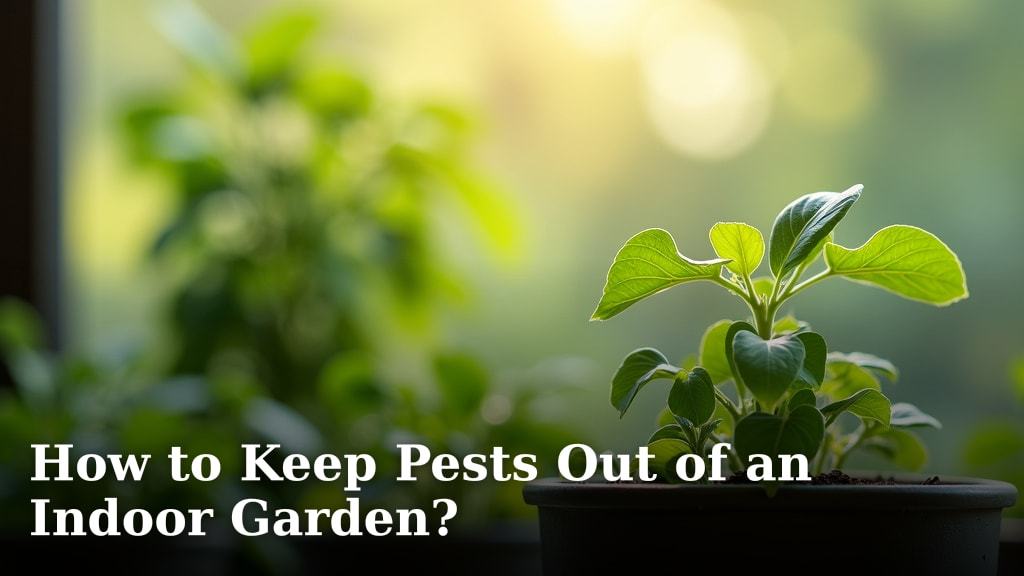
The best way to keep pests out of an indoor garden is to start with preventative measures and regularly inspect your plants. Catching pest problems early makes them much easier to control. You can enjoy a thriving indoor garden without constant pest battles.
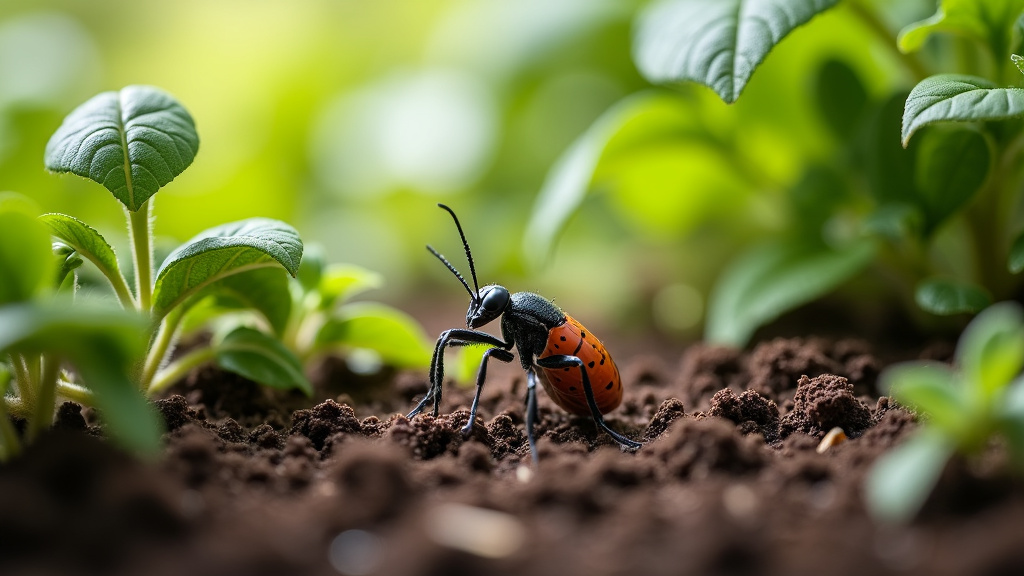
Many common household pests love indoor plants just as much as you do. Things like aphids, spider mites, and fungus gnats can quickly take over. We found that a few simple habits make a big difference in keeping your plants healthy and pest-free.
- Start with clean soil and pest-free plants.
- Inspect your plants often for early signs of trouble.
- Use physical barriers like sticky traps.
- Introduce beneficial insects if needed.
- Maintain good airflow and proper humidity.
Ready to protect your green friends? Let’s walk through exactly how to safeguard your indoor garden from unwanted visitors.
How to Protect Your Indoor Garden from Pests
Protecting your indoor garden starts with smart choices and consistent effort. You can keep those tiny invaders away with a few key strategies. It’s about creating an environment where your plants thrive, and pests don’t.
Start with Prevention: Your First Line of Defense
The easiest way to deal with pests is to prevent them from ever showing up. Think of it like washing your hands to avoid getting sick. Cleanliness and careful selection are your best allies.
Choosing Healthy Plants and Sterilized Soil
Always begin with healthy, pest-free plants. Before bringing any new plant home, inspect it thoroughly. Check the tops and bottoms of leaves, along stems, and even the soil surface. Look for tiny insects, sticky residue, or unusual spots. We found that a quick inspection saves a lot of trouble later.
Similarly, use sterilized potting mix. Bagged potting soil from a reputable brand is usually sterilized. This means it’s free of weed seeds, diseases, and pest eggs. Avoid using garden soil indoors, as it can harbor many unwanted guests.
Quarantine New Plant Additions
Even healthy-looking new plants can hide dormant pests or eggs. We recommend a quarantine period for any new plant. Keep it separate from your existing plants for about two to four weeks. This gives any hidden pests time to emerge, letting you address them before they spread to your entire collection. It’s a small step that offers huge protection.
Regular Inspection: Your Eyes Are Your Best Tool
Think of yourself as a plant detective. Frequent, thorough inspections are crucial for early pest detection. Pests multiply quickly, so catching them early is key to easy control.
What to Look For During Inspections
Make it a habit to check your plants at least once a week. Look closely at all parts of the plant. Pests often hide on the undersides of leaves or in crevices.
- Sticky residue (honeydew): This is a common sign of aphids or mealybugs.
- Tiny webs: Spider mites are notorious for these delicate, fine webs.
- Small white or black dots: These could be pest eggs or actual insects.
- Distorted new growth: Pests feeding on new leaves can cause them to grow malformed.
- Yellowing leaves or unexplained leaf drop: While these can have other causes, pests are often a factor.
You can use a magnifying glass for a closer look. Some pests are tiny and hard to see with the naked eye. We found that even a cheap jeweler’s loupe makes a big difference in detection.
Environmental Control: Making Your Garden Uninviting to Pests
Pests have certain conditions they love. By adjusting your indoor garden’s environment, you can make it much less appealing to them. It’s about creating a strong, healthy ecosystem.
Maintaining Proper Humidity and Airflow
Many common houseplant pests, like spider mites, thrive in dry, stagnant air. Increasing humidity can deter them. You can use a humidifier or place plants on pebble trays with water. Just make sure the plant pot isn’t sitting directly in the water.
Good airflow is also important. Stagnant air invites fungal diseases and insect pests. Use a small oscillating fan to gently circulate air around your plants. This strengthens stems and helps prevent pest populations from settling in (USDA).
Watering and Feeding Practices
Overwatering is a common mistake that can lead to pest issues, especially fungus gnats. These tiny flies lay eggs in consistently wet soil. Let the top inch or two of soil dry out between waterings. This breaks their life cycle.
Similarly, avoid over-fertilizing. Excessive nitrogen in fertilizer can lead to lush, soft new growth. This tender growth is particularly attractive to sap-sucking pests like aphids. Follow fertilizer instructions carefully.
Physical and Mechanical Pest Removal
When pests do appear, sometimes the simplest solutions are the best. You can often remove pests without resorting to chemical sprays.
Hand-Picking and Water Sprays
For larger pests like mealybugs or scale, hand-picking is effective. Use a cotton swab dipped in rubbing alcohol to wipe them off. For smaller pests like aphids or spider mites, a strong spray of water can dislodge them from your plants. Take the plant to a sink or shower and spray them off gently but firmly. Repeat this every few days until they are gone.
Sticky Traps and Barriers
Yellow sticky traps are an excellent tool for monitoring and trapping flying pests. They attract fungus gnats, whiteflies, and even some thrips. While they won’t eliminate a heavy infestation, they help reduce populations and signal a problem. You can hang them near your plants or stick them into the soil.
Consider physical barriers too. For example, a fine mesh screen over windows can prevent outdoor pests from entering your home. Some people even use fine netting over individual plants for very sensitive varieties.
Natural and Organic Treatment Options
If prevention and physical removal aren’t enough, several organic options are safe for indoor use. They work by disrupting pest life cycles without harming your plants or pets.
Neem Oil: A Natural Pest Deterrent
Neem oil is a popular organic pesticide. It works as an anti-feedant, growth disruptor, and repellent. Mix it according to package directions with water and a tiny bit of mild soap (as an emulsifier). Spray all plant surfaces, especially the undersides of leaves. Apply every 5-7 days until the infestation is gone. Always test on a small leaf first to ensure no adverse reaction.
Insecticidal Soaps
Insecticidal soaps are another safe and effective option. They work by dissolving the protective outer layer of soft-bodied insects like aphids, spider mites, and whiteflies, causing them to dehydrate. Make sure to cover the pest directly with the spray for it to be effective. Rinse plants after a few hours if the soap residue is heavy. We found that these soaps are gentle on most plants but tough on pests (Journal of Economic Entomology).
Checklist for a Pest-Free Indoor Garden
Here’s a quick checklist to help you stay on track:
- Always inspect new plants thoroughly before bringing them home.
- Quarantine all new plant additions for 2-4 weeks.
- Use sterilized potting mix for all your indoor plants.
- Perform weekly inspections of all your plants.
- Ensure good airflow and appropriate humidity levels.
- Water correctly, letting soil dry out between waterings.
- Use yellow sticky traps as a monitoring tool.
| Pest Type | Common Signs | Recommended Action |
|---|---|---|
| Aphids | Small green/black/red bugs on new growth; sticky honeydew. | Spray with water; insecticidal soap; neem oil. |
| Spider Mites | Tiny red/brown dots; fine webbing; speckled leaves. | Increase humidity; spray with water; insecticidal soap. |
| Fungus Gnats | Small black flies hovering around soil; larvae in soil. | Let soil dry out; sticky traps; beneficial nematodes. |
| Mealybugs | White, cottony masses in leaf axils or undersides of leaves. | Dab with alcohol swab; insecticidal soap. |
| Whiteflies | Tiny white, moth-like insects that fly up when disturbed. | Yellow sticky traps; insecticidal soap; neem oil. |
Conclusion
Keeping your indoor garden pest-free truly boils down to consistent attention and smart practices. You’ve learned that prevention is your strongest tool, from selecting healthy plants to quarantining new additions. Regular inspections help you catch any issues early, making them simple to resolve.
By controlling environmental factors like humidity and airflow, you create a home for your plants that pests won’t enjoy. And if pests do appear, you now have a toolkit of safe, effective treatments like neem oil and insecticidal soaps.
Start applying these strategies today. Your thriving, pest-free indoor garden will thank you.
Frequently Asked Questions
How often should I check my indoor plants for pests?
We recommend checking your plants at least once a week. Some people even prefer a quick daily check. This routine helps you spot any signs of pests before an infestation takes hold, making treatment much easier.
Can bringing in plants from outside cause indoor pest problems?
Yes, outdoor plants are a common source of indoor pests. Even if they look clean, they can carry eggs or tiny insects. Always inspect and quarantine outdoor plants before bringing them into your indoor garden to protect your other plants.
What’s the best natural spray for general pest prevention?
For general prevention, a diluted neem oil spray works very well. Apply it every few weeks to plant leaves. It acts as a deterrent and disrupts pest life cycles without harming your plants or beneficial insects.
Will good air circulation really deter pests?
Good air circulation is surprisingly effective against many pests, especially spider mites. These pests thrive in stagnant, dry air. A small fan can mimic outdoor breezes, strengthening your plants and making the environment less hospitable for pests.
My plant has fungus gnats. Should I repot it?
Repotting isn’t usually necessary for fungus gnats. They lay eggs in moist soil. The best solution is to let the top two inches of soil dry out completely between waterings. You can also use yellow sticky traps to catch the adult gnats.