Do You Need a Grow Light for Indoor Herbs?
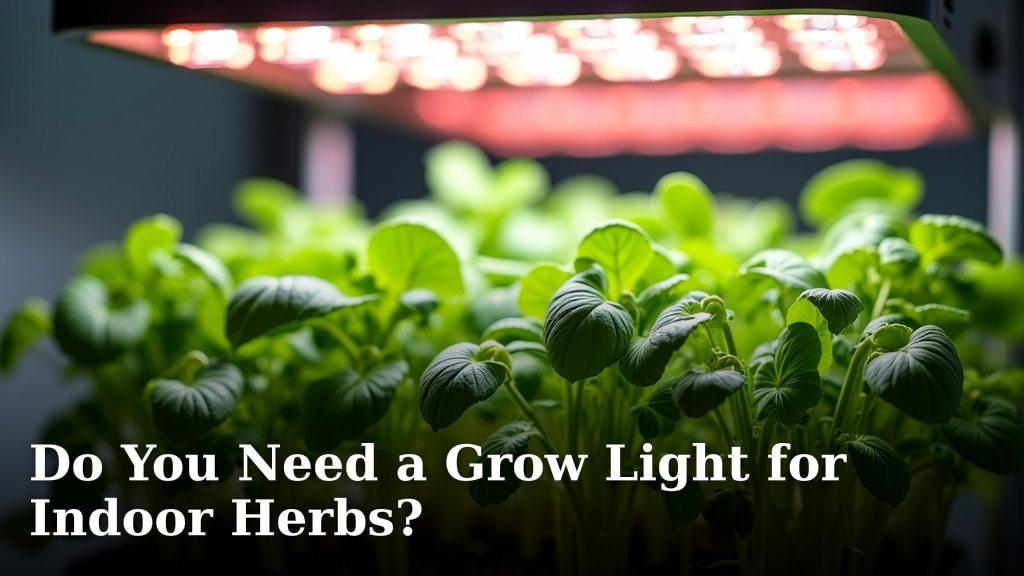
Yes, you likely need a grow light for indoor herbs if you want them to thrive. Most homes simply don’t provide enough natural light for healthy, vigorous growth, especially during darker months.
You might think your sunny window is enough, but natural light indoors is often weaker and less consistent than you imagine. Without enough light, your herbs can become leggy and produce fewer leaves, which isn’t what you want for cooking.
- Indoor herbs often lack sufficient natural light.
- Grow lights provide the necessary light spectrum.
- Without grow lights, herbs can grow weak and sparse.
- You can choose different types of grow lights for your needs.
- Proper lighting leads to stronger, more productive plants.
Let’s find out if a grow light is truly essential for your green-thumb ambitions and help you choose the right one for your indoor herb garden.
Is a Grow Light Really Necessary for Your Indoor Herbs?
Yes, for most indoor herb growers, a grow light is a game-changer. While a sunny window might seem sufficient, it often falls short of providing the intense, consistent light your herbs crave for robust growth. Think of it this way: your herbs are used to soaking up direct sunshine all day long in their natural habitat. Your living room window, even a south-facing one, often delivers only a fraction of that intensity.
We’ve found that even the brightest windows often provide only 10-20% of the light intensity found outdoors. This can lead to a host of problems for your beloved basil, mint, or rosemary. So, let’s break down why you might want to invest in a little extra sunshine for your indoor garden.
Understanding Your Herbs’ Light Needs
Herbs are generally sun-loving plants. They thrive on photosynthesis, the process where they convert light energy into food. Without enough light, this process slows down, leading to weak and unproductive plants.
Different herbs have slightly different light requirements, but as a general rule, most culinary herbs prefer 6-8 hours of direct light daily. Some, like basil and rosemary, even prefer more, sometimes up to 10-12 hours (Purdue University Extension).
Signs Your Herbs Aren’t Getting Enough Light
How can you tell if your herbs are suffering from light deprivation? There are several tell-tale signs. You don’t need to be a plant expert to spot these warnings.
- Leggy Growth: This is perhaps the most common sign. Your plants will look stretched out, with long stems and small, sparse leaves. They’re literally reaching for more light.
- Pale or Yellowing Leaves: New leaves might be lighter green, or older leaves might start to turn yellow and eventually drop off. This means they aren’t producing enough chlorophyll.
- Slow Growth: If your herbs are growing at a snail’s pace, or seem to have stalled altogether, lack of light is often the culprit.
- Drooping or Weak Stems: Your herbs might look generally unhealthy, unable to hold themselves upright as they should.
- Lack of Flavor: Believe it or not, insufficient light can impact the flavor and aroma of your herbs, making them less potent in your cooking.
The Science Behind Grow Lights
Grow lights aren’t just fancy lamps; they’re designed to mimic the sun’s spectrum, providing the specific wavelengths of light that plants use for photosynthesis. The sun emits a full spectrum of light, but plants primarily use red and blue light.
- Blue Light: Essential for vegetative growth, meaning healthy leaves and strong stems. It helps with photosynthesis and chlorophyll production.
- Red Light: Critical for flowering and fruiting, though it also plays a role in overall plant growth. It helps signal to the plant when to produce flowers and seeds.
Full-spectrum grow lights attempt to provide a balanced amount of both, along with other wavelengths, to support all stages of plant growth. It’s like giving your plants a perfectly tailored diet of light.
Types of Grow Lights for Herbs
Choosing a grow light can feel overwhelming with so many options. But don’t worry, we’ll simplify it for you. There are three main types commonly used for indoor gardening:
| Grow Light Type | Pros | Cons | Best For |
|---|---|---|---|
| Fluorescent (T5/CFL) | Low heat, inexpensive, good for small spaces. | Less powerful, shorter lifespan than LED, less efficient. | Seedlings, leafy greens, herbs in small setups. |
| LED (Light Emitting Diode) | Energy-efficient, long lifespan, low heat, tunable spectrum. | Higher initial cost, quality varies, can be complex. | All stages of growth, long-term setups, energy savings. |
| HID (High-Intensity Discharge) | Very powerful, good for large-scale growth. | High heat, high energy use, requires ballasts. | Large gardens, commercial operations (less common for home herbs). |
Fluorescent Lights: The Budget-Friendly Option
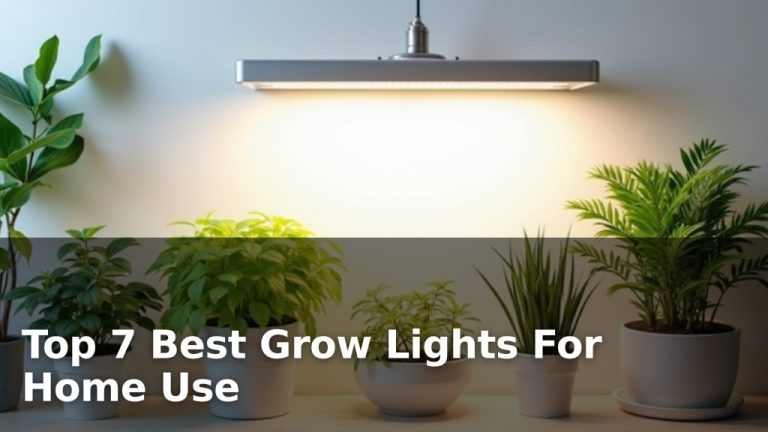
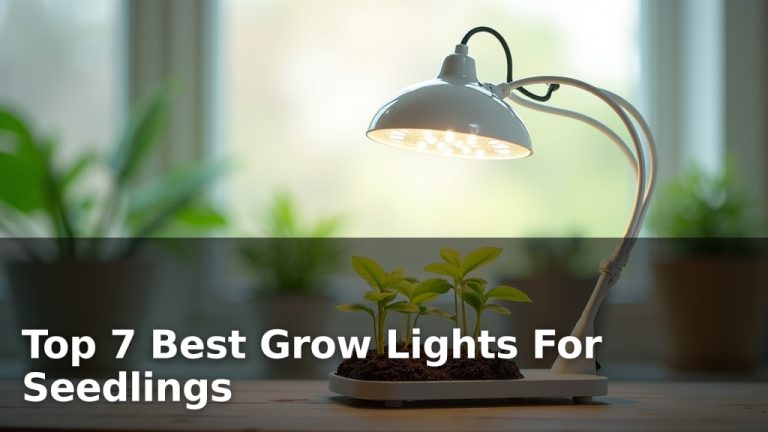
Fluorescent lights, particularly T5 tubes or compact fluorescent lamps (CFLs), are a popular choice for beginners and those on a budget. They emit a decent spectrum for herbs without producing excessive heat. You can often find them in shop light fixtures, making them affordable and easy to set up. Just remember to keep them relatively close to your plants, often just a few inches above the leaf canopy.
LED Grow Lights: The Modern Solution
LED grow lights are quickly becoming the standard for indoor gardening. They are incredibly energy-efficient, last a very long time, and produce little heat. Many LED lights offer a full spectrum, or even adjustable spectrums, allowing you to fine-tune the light for different growth stages. While the initial cost might be higher, the long-term savings on your electricity bill and bulb replacements can make them a wise investment.
Choosing the Right Grow Light for Your Herbs
When selecting a grow light, consider these factors to ensure you pick the best one for your specific needs. It’s not a one-size-fits-all situation.
- Herb Type: Some herbs need more light than others. Basil and rosemary love intense light, while mint or parsley can tolerate slightly less.
- Number of Plants: How many herbs do you plan to grow? A small setup for a few pots will need less powerful lighting than a larger herb garden.
- Available Space: Do you have a small shelf, a whole rack, or just a corner of a room? This will dictate the size and shape of the light fixture you can use.
- Budget: Grow lights range widely in price. Decide what you’re comfortable spending, remembering that energy efficiency can save you money over time.
- Heat Output: Consider how much heat the light produces. Too much heat can stress your plants, especially in a small, enclosed space.
Setting Up Your Grow Light
Once you’ve chosen your grow light, proper setup is key to its effectiveness. Don’t just plug it in and walk away; a little attention to detail goes a long way.
Placement and Distance
The distance between your light and your plants is super important. Too close, and you could burn your herbs. Too far, and they won’t get enough light. As a general rule:
- Fluorescent lights (T5/CFL): 2-6 inches above the plant canopy.
- LED lights: 6-18 inches, depending on the wattage and intensity of the specific light. Always check the manufacturer’s recommendations.
Adjust the light as your plants grow, keeping a consistent distance. You’re trying to give them a perfect little sunbath, not a sunburn.
Lighting Schedule
Herbs need a consistent schedule of light and darkness. Just like us, they need to rest! A common schedule for most herbs is 14-16 hours of light per day, followed by 8-10 hours of darkness. Using a simple timer can make this much easier to manage. This ensures they have plenty of time for photosynthesis, but also enough “night” to carry out other important biological processes.
Do All Indoor Herbs Need a Grow Light? A Quick Checklist
While most herbs benefit greatly from supplemental lighting, there might be a few exceptions or situations where you can get away with less. This checklist will help you decide if a grow light is truly essential for your specific situation.
- Are your herbs looking leggy or pale despite being in a “sunny” window?
- Is your window facing north, or blocked by trees/buildings?
- Do you want to grow herbs during the shorter, darker winter months?
- Are you trying to maximize your herb yield and flavor?
- Do you live in a climate with many cloudy days?
- Do you notice your herbs’ growth slowing down significantly?
If you answered yes to more than a couple of these, then a grow light is almost certainly a good idea for you. Think of it as investing in healthier, happier, and more delicious herbs.
Conclusion
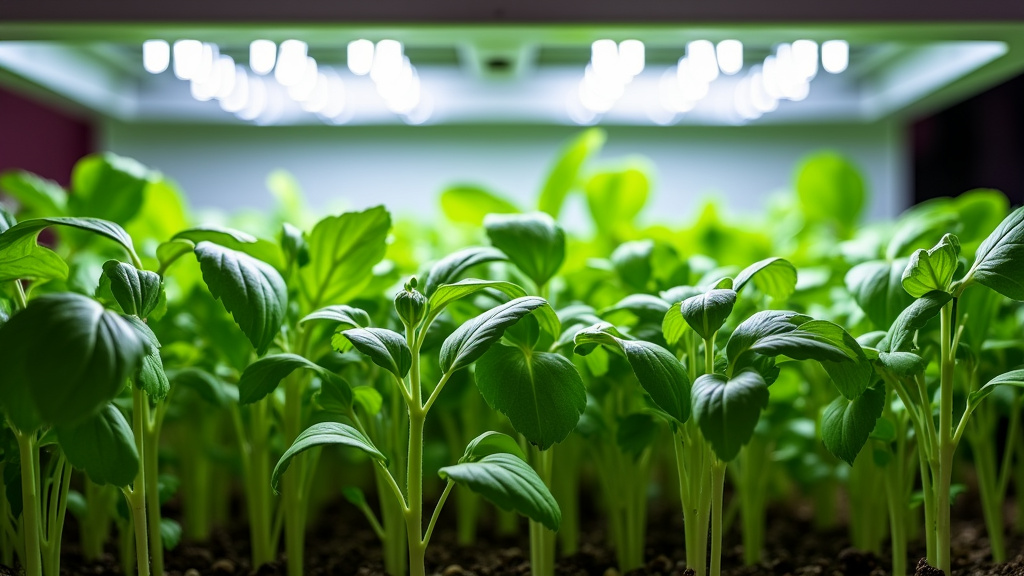
You’ve seen the evidence: for thriving indoor herbs, a grow light isn’t just an accessory; it’s often a necessity. Your herbs crave consistent, intense light to truly flourish and impart their best flavor. Without enough light, they’ll struggle, becoming leggy and less productive.
By understanding their needs and choosing the right light, you can easily transform your indoor herb garden. Don’t let dim conditions hold back your culinary ambitions. Take the next step and invest in the sunshine your herbs deserve.
Frequently Asked Questions
Can a regular lamp work as a grow light for herbs?
While a regular incandescent or LED lamp provides some light, it usually lacks the specific spectrum and intensity herbs need for photosynthesis. It won’t be nearly as effective as a dedicated grow light designed for plant growth, leading to less vigorous plants.
How close should the grow light be to my herbs?
The ideal distance varies by light type. For fluorescent lights, aim for 2-6 inches above the plant canopy. For LED lights, it’s typically 6-18 inches, depending on the model’s intensity. Always check the manufacturer’s recommendations to avoid burning your plants.
Do I need different grow lights for different types of herbs?
Most culinary herbs will do well under a full-spectrum LED grow light. Some, like basil and rosemary, prefer more intense light, while others, like mint, can tolerate slightly less. A good quality full-spectrum light provides a balanced solution for a mixed herb garden.
How many hours a day should I run my grow light for herbs?
For most indoor herbs, a consistent schedule of 14-16 hours of light per day, followed by 8-10 hours of darkness, is ideal. This mimics natural daylight cycles and allows your plants to perform necessary biological processes.
Will a grow light increase my electricity bill significantly?
The impact on your electricity bill depends on the type and wattage of the grow light you choose. LED grow lights are very energy-efficient and typically have a minimal effect on your bill compared to older, less efficient options like HID lights.