How to Keep a Grow Tent Cool in Summer?
On this page (7 sections)
Keeping your grow tent cool in summer is totally doable with the right strategies. You can manage heat buildup by focusing on proper ventilation and controlling your grow light setup. Don’t let rising temps stress your plants this season!
Summer heat can quickly turn your tent into an oven, harming your plants’ growth. We found that many growers struggle with this. Addressing your tent’s airflow and heat sources is key to success. You’ll want to ensure your setup can handle the warmer outdoor conditions.
- Boost ventilation with fans.
- Choose cooler grow lights.
- Manage your tent’s environment.
- Consider cooling accessories.
- Monitor temperatures closely.
Let’s walk through the best ways to keep your grow tent at the perfect temperature, even when it’s scorching outside.
Battling the Heat: Keeping Your Grow Tent Cool During Summer
Summer’s heat can make your grow tent feel like a sauna. This can really stress your plants. You want to keep temps within a sweet spot for optimal growth. We found that managing airflow and heat sources is the biggest factor.
Your Grow Tent’s Cooling Strategy: Ventilation is Key
Think of your grow tent as a living space for your plants. It needs fresh air to breathe and to get rid of stale, hot air. Good ventilation is your first line of defense against summer heat.
Optimizing Your Airflow with Fans
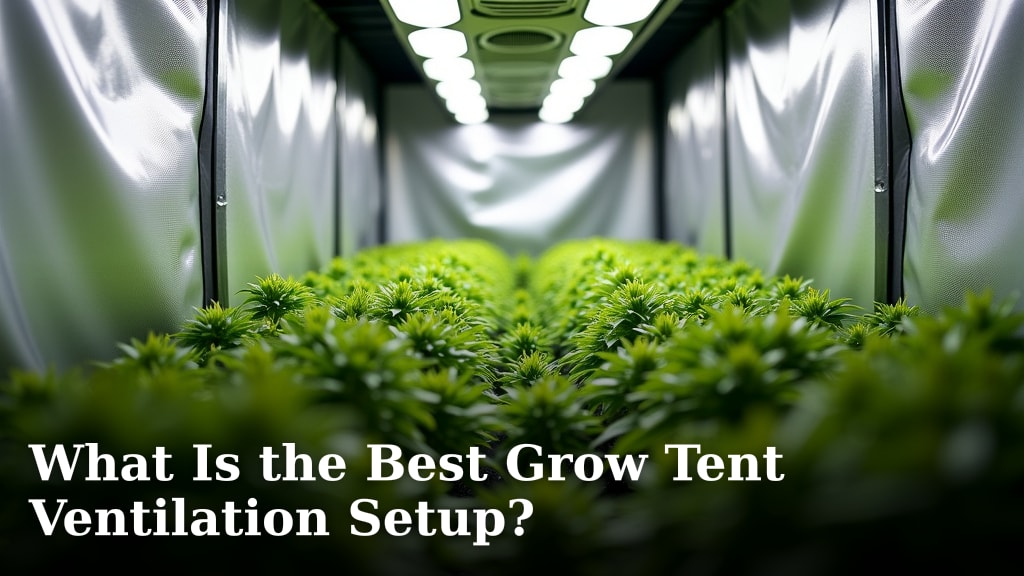
Fans are your best friends when it comes to circulation. You need at least two types of fans in your tent. One for bringing in fresh air and another for exhausting hot air. This creates a constant exchange, like a gentle breeze.
The Importance of an Exhaust Fan
An exhaust fan is non-negotiable. It pulls the hot air out of your tent. The size of the fan matters. It should be powerful enough to exchange the air in your tent several times per minute. You can calculate this by looking at the cubic feet per minute (CFM) rating of the fan. Aim for a CFM that can turn over your tent’s volume at least once a minute. Many experts recommend a higher turnover rate for warmer environments (PubMed).
Circulation Fans for Internal Air Movement
Inside the tent, small clip-on fans are essential. These fans keep air moving around your plants. This prevents stagnant pockets of air and strengthens your plants’ stems. Good air circulation also helps reduce humidity and prevent mold. Think of it as giving your plants a little workout.
Choosing the Right Tent Size and Setup
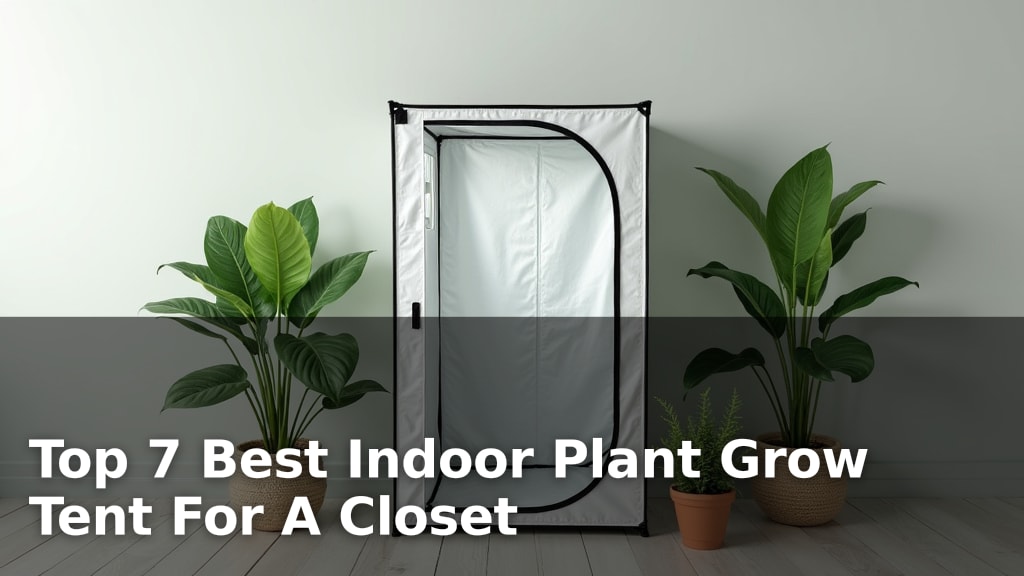
Sometimes, the tent itself can contribute to heat. If your tent is too small for your setup, it will trap heat. We found that using a tent that’s just the right size, or even slightly larger, can make a difference. Ensure there’s enough space for your equipment without overcrowding.
Controlling Your Grow Lights: A Major Heat Source
Your grow lights are fantastic for plant growth, but they also generate a lot of heat. This is often the primary culprit for high tent temperatures during summer.
Understanding Light Heat Output
Different types of grow lights produce varying amounts of heat. Older styles like High-Intensity Discharge (HID) lights, such as Metal Halides (MH) and High-Pressure Sodium (HPS), are notorious heat generators. They can easily add 10-20 degrees Fahrenheit to your tent’s temperature.
Switching to Cooler Lighting Solutions
This is where many growers find success. Light Emitting Diodes (LEDs) are much more energy-efficient. They produce significantly less heat than HIDs. While LEDs may have a higher upfront cost, their efficiency and reduced heat output can save you money on cooling in the long run. We found that upgrading to an LED system is one of the most effective ways to combat heat.
Dimming and Light Scheduling
If you can’t switch lights immediately, dimming your lights can help. Many lights have dimming capabilities. Reducing the light intensity also reduces heat output. Additionally, try to run your lights during the coolest part of the day. Many growers schedule their lights to be ‘on’ at night and ‘off’ during the hottest afternoon hours. This can drop your tent temperature considerably.
Managing Your Tent’s Environment Beyond Airflow
Ventilation and lighting are key, but other factors play a role too. How you manage these can further help keep things cool.
Temperature and Humidity Monitoring
You can’t manage what you don’t measure. A reliable thermometer and hygrometer are essential. Place it near your plants, not just at the top of the tent. This gives you an accurate reading of the conditions your plants are experiencing. Many experts recommend keeping daytime temperatures between 70-85°F (21-29°C) and nighttime temps a bit cooler (CDC).
Watering Wisely for Temperature Control
The temperature of your water can impact your tent’s temperature. Using lukewarm or even slightly cool water can help. Avoid using very cold water directly from the tap, as this can shock your plants’ roots. If your tap water is very cold, let it sit out for a bit to reach room temperature.
External Factors: Tent Placement
Where you place your grow tent matters. Avoid direct sunlight on the tent itself. Sunlight will act like a greenhouse, rapidly increasing the internal temperature. Also, avoid placing the tent near heat sources like furnaces or radiators. A cooler room means a cooler tent.
Cooling Accessories and Advanced Techniques
When basic ventilation isn’t enough, you might need to bring in some reinforcements.
Using Carbon Filters and Ducting
Carbon filters are great for odor control, but they can also help with heat. Ensure your exhaust ducting is properly sealed and insulated. This prevents heat from escaping into your grow space before it’s expelled outside. A well-sealed system means your exhaust fan works more efficiently.
Consider Supplemental Cooling Solutions
For extreme heat, you might look into small, tent-safe air conditioners or swamp coolers. These are more significant investments but can be very effective. Be cautious with swamp coolers, as they add humidity, which might not be ideal for all stages of growth. Always ensure any electrical devices are safe for a humid grow tent environment.
A Quick Checklist for a Cooler Tent:
- Ensure your exhaust fan is powerful enough.
- Add internal circulation fans.
- Consider upgrading to LED grow lights.
- Schedule lights to run during cooler hours.
- Monitor temperatures with a good thermometer.
- Place your tent away from direct sun.
By implementing these strategies, you can create a more controlled environment for your plants. Keeping your grow tent cool during summer is definitely achievable. Your plants will thank you with healthier growth and better yields.
Conclusion
You’ve learned that keeping your grow tent cool in summer is completely achievable. By focusing on optimizing ventilation with the right fans and managing your grow light’s heat output, you can make a big difference. Remember to also consider your tent’s placement and monitor conditions closely. Implementing these strategies means healthier plants and better harvests, even when the temperature soars. Your next step is to assess your current setup and identify the most impactful changes you can make today.
Frequently Asked Questions
How often should I exchange the air in my grow tent?
For most setups, you’ll want to exchange the air at least once per minute. For warmer summer conditions, aiming for two to three air exchanges per minute is even better. This ensures hot, stale air is removed efficiently, keeping your tent cooler.
Are LED grow lights really worth the extra cost for cooling?
Yes, for many growers, LEDs are a smart investment. They produce much less heat than older HID lights. This reduced heat output can lower your cooling costs and prevent plant stress, often making up for the initial price difference over time.
Can I use a regular room fan inside my grow tent?
While a room fan can help circulate air, it’s best to use smaller, clip-on fans designed for grow tents. These are more energy-efficient and can be positioned precisely where you need airflow. Ensure any fan you use is rated for indoor or grow tent use for safety.
What’s the ideal temperature range for my plants in summer?
Most plants thrive in daytime temperatures between 70-85°F (21-29°C). Aim for slightly cooler temperatures at night, generally around 65-75°F (18-24°C). Consistently staying within this range will help prevent heat stress and promote healthy growth.
My grow tent is in a hot garage. What can I do?
If your tent is in a hot environment like a garage, your primary focus must be on maximizing ventilation and potentially adding supplemental cooling. Ensure your exhaust fan is powerful enough to overcome the ambient heat. Consider a small window AC unit for the garage itself or a tent-safe portable AC for the tent.