How to Grow Spinach and Kale Indoors Hydroponically?
On this page (9 sections)
- Your Hydroponic Greens Garden: Spinach & Kale Edition
- Choosing Your Hydroponic System for Leafy Greens
- Selecting the Right Nutrients and Growing Medium
- Lighting Your Indoor Greens
- Setting Up Your System: Step-by-Step
- Essential Monitoring: pH and Nutrients
- Planting and Harvesting Your Greens
- Conclusion
- Frequently Asked Questions
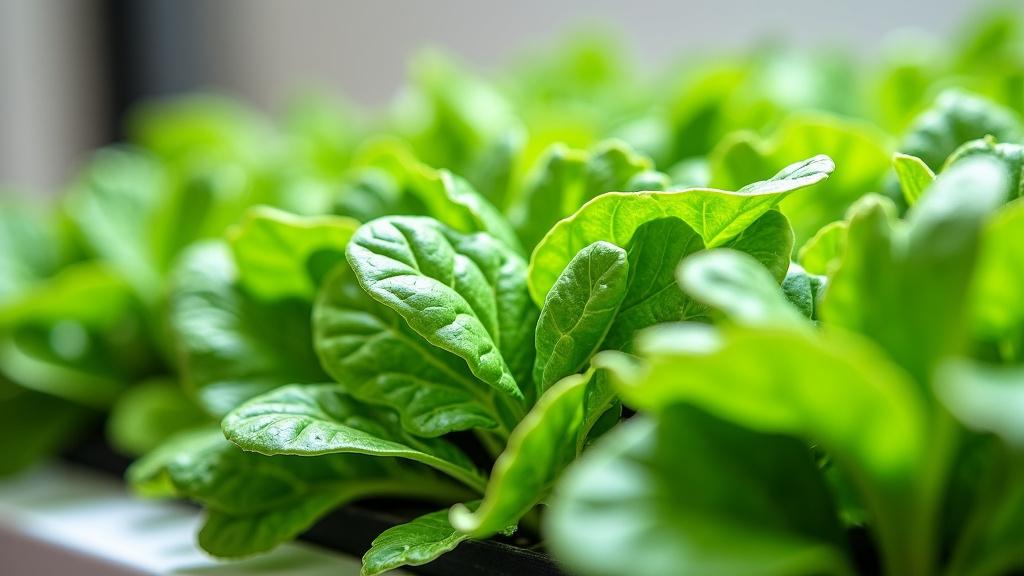
Yes, you can absolutely grow spinach and kale indoors hydroponically. It’s a fantastic way to get fresh greens year-round, even if you have limited space or poor outdoor conditions. This method offers faster growth and often higher yields than traditional soil gardening.
Hydroponics works by providing your plants with nutrient-rich water directly to their roots, bypassing the need for soil. Many gardeners find that this controlled environment leads to healthier, more vigorous plants. You’ll be amazed at how quickly these leafy greens thrive without dirt.
- Choose the right hydroponic system (NFT, DWC, or Kratky). Choosing the right hydroponic system is the first step in setting up your indoor garden.
- Select nutrient solutions specifically for leafy greens.
- Provide adequate light with grow lights for 10-14 hours daily.
- Monitor pH and nutrient levels regularly.
- Harvest leaves as they grow for a continuous supply.
Ready to get your hands (and your indoor garden) dirty… well, not really? Let’s walk through exactly how to set up your hydroponic spinach and kale system step by step.
Your Hydroponic Greens Garden: Spinach & Kale Edition
Growing spinach and kale hydroponically indoors is easier than you might think. You can have fresh, nutrient-dense greens available any time you want them. This guide will walk you through the essential steps to get started.
Choosing Your Hydroponic System for Leafy Greens
The first big decision is picking the right hydroponic system. For spinach and kale, simplicity and efficiency are key. Three popular options stand out for beginners.
Deep Water Culture (DWC)
DWC is a straightforward system. Plant roots hang directly in a nutrient-rich water reservoir. An air pump adds oxygen to keep the roots healthy and prevent rot. It’s a reliable choice for leafy greens like spinach and kale.
Nutrient Film Technique (NFT)
NFT uses channels or tubes. A thin film of nutrient water flows over the roots. This constant flow ensures roots get water, nutrients, and oxygen. It’s highly efficient but requires a bit more setup.
Kratky Method
The Kratky method is the simplest. It requires no pumps or electricity. Plants sit in a container with nutrient solution. As the plant grows and drinks, an air gap forms, providing oxygen to the roots. This is a passive system, perfect for very small setups or if you want minimal maintenance.
Selecting the Right Nutrients and Growing Medium
Hydroponic success hinges on the right food and support for your plants. Don’t just grab any fertilizer; leafy greens have specific needs.
Hydroponic Nutrient Solutions
You’ll need a balanced nutrient solution formulated for leafy greens. These solutions contain all the macro and micronutrients your plants need to thrive. Many hydroponic nutrient lines offer specific formulas for “grow” or “vegetative” stages, which are ideal for spinach and kale. We found that using a reputable brand specifically designed for hydroponics yields the best results. Always follow the manufacturer’s instructions for mixing. Over-fertilizing can harm your plants just as much as under-fertilizing.
Growing Mediums
Since you’re not using soil, you need something to support your plants and their roots. Common choices include:
- Rockwool cubes: These are small, porous blocks that hold moisture and nutrients well. They are a popular choice for starting seeds.
- Coco coir: Made from coconut husks, coco coir is an excellent, sustainable medium that offers good aeration and water retention.
- Net pots with clay pebbles (hydroton): Net pots hold the plant and medium, while the lightweight clay pebbles provide support and allow roots to grow through.
For seedlings started in rockwool, you’ll typically transfer them into net pots filled with clay pebbles once their roots emerge. This gives them ample space to grow.
Lighting Your Indoor Greens
Sunlight is great, but it’s not always available or consistent indoors. Grow lights are your best friend for indoor hydroponics. Spinach and kale need adequate light to produce those delicious leaves.
Types of Grow Lights
For leafy greens, fluorescent lights (like T5s) and LED grow lights are excellent choices. LEDs are generally more energy-efficient and produce less heat, which can be a big advantage in a small indoor space. Many gardeners report that **full-spectrum LED lights** provide the best results for both vegetative growth and overall plant health.
Light Schedule and Intensity
Spinach and kale typically need 10-14 hours of light per day. You can use a simple timer to automate this process, ensuring consistency. Too little light and your plants will become leggy and weak. Too much light can stress them. The intensity of the light is also important. Position your lights at the correct distance from the plants, as recommended by the manufacturer. Too close, and you risk burning the leaves; too far, and the light won’t be effective.
Setting Up Your System: Step-by-Step
Now that you have the components, let’s put it all together. The process will vary slightly depending on your chosen system, but the core steps are similar.
For DWC or Kratky Systems
1. Prepare your reservoir: Use an opaque container to prevent algae growth. Dark colors are best. 2. Add nutrient solution: Mix your hydroponic nutrients with water according to the package directions. 3. Prepare your lid: Cut holes in the lid for your net pots. 4. Place net pots: Insert net pots into the holes. If using rockwool cubes, place your seedlings in the net pots. 5. Add filler medium: Fill the space around the rockwool cube in the net pot with clay pebbles or coco coir. 6. Position plants: Ensure the roots (or the bottom of the rockwool) are touching the nutrient solution.
For NFT Systems
1. Assemble the channels: Set up your NFT channels at a slight angle to allow water to flow. 2. Set up the reservoir and pump: Place your nutrient reservoir below the channels and connect a submersible pump. 3. Install tubing: Run tubing from the pump to the high end of the channels and a return line from the low end back to the reservoir. 4. Prepare plants: Start seeds in rockwool and transfer them to net pots filled with clay pebbles once roots emerge. 5. Place plants in channels: Position the net pots in the openings of your NFT channels.
Essential Monitoring: pH and Nutrients
Hydroponics is all about control. Regularly checking and adjusting your nutrient solution is vital for healthy plants.
Monitoring pH Levels
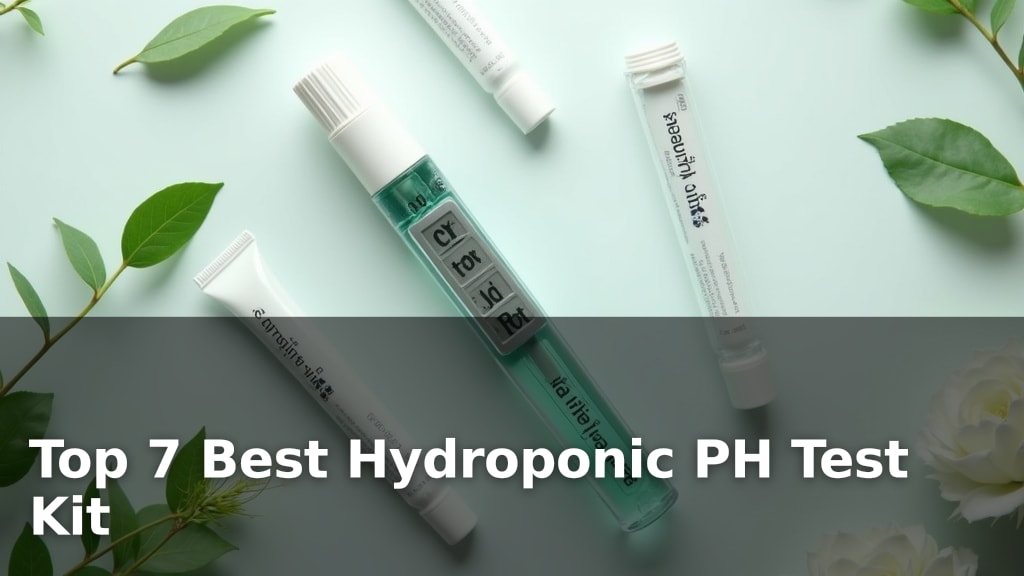
The pH level of your nutrient solution affects how well your plants can absorb nutrients. Spinach and kale generally prefer a pH range of 5.5 to 6.5. You’ll need a pH testing kit or meter. If the pH is too high or too low, you can adjust it using pH Up or pH Down solutions. Many gardening guides suggest testing pH at least once a week. Keeping it in the sweet spot ensures your plants get all the goodies you’re giving them (National Gardening Association).
Checking Nutrient Concentration (EC/TDS)
You also need to ensure the nutrient concentration is right. An EC (electrical conductivity) or TDS (total dissolved solids) meter measures this. For spinach and kale, a good target range is often between 1.2 and 2.0 EC. Similar to pH, you’ll adjust this by adding more nutrient solution or fresh water. Regularly topping off your reservoir with plain water is also important to prevent nutrient levels from becoming too concentrated as water evaporates.
Planting and Harvesting Your Greens
Starting your plants and then enjoying the harvest is the most rewarding part!
Starting Seeds
You can start spinach and kale seeds in rockwool cubes or directly in your chosen medium. Keep them consistently moist and warm. Once they sprout and develop their first true leaves, they’re ready for your hydroponic system. Many growers find that seeds germinate quickly in a hydroponic setup. You should see tiny roots emerging from the bottom of your rockwool cubes within a week or two.
Harvesting for Continuous Supply
Spinach and kale are perfect for a “cut-and-come-again” harvesting method. This means you don’t have to harvest the whole plant at once. Simply snip off the outer leaves as needed. The plant will continue to grow new leaves from the center. This allows you to have a fresh supply of greens for weeks.
Here’s a quick checklist for your indoor hydroponic garden:
- Gather your chosen hydroponic system components.
- Select a quality hydroponic nutrient solution for leafy greens.
- Ensure you have appropriate grow lights and a timer.
- Acquire a pH testing kit and pH adjusters.
- Prepare your seeds or starter plants.
- Set up your system and get ready to grow!
Conclusion
You’ve learned that growing spinach and kale hydroponically indoors is totally achievable and incredibly rewarding. By choosing the right system, providing proper nutrients and light, and keeping an eye on pH and nutrient levels, you’re well on your way. This method gives you fresh greens year-round, right from your home. So, don’t wait! Gather your supplies and set up your first hydroponic system this week. Your kitchen will soon be home to a vibrant, fresh harvest.
Frequently Asked Questions
How much light do spinach and kale really need indoors?
Spinach and kale thrive with about 10 to 14 hours of light each day. Using a timer for your grow lights ensures they get this consistent amount, preventing leggy growth and promoting healthy leaf development. Full-spectrum LED lights are a great choice for this.
Can I use regular potting soil nutrients for my hydroponic garden?
No, you should not use regular soil-based fertilizers. Hydroponic systems require specialized nutrient solutions specifically formulated for soilless growing. These provide a balanced blend of macro and micronutrients that plants can absorb directly from the water.
What’s the easiest hydroponic system for a beginner with spinach and kale?
The Kratky method is often the simplest for beginners because it requires no pumps or electricity. You just need a container, nutrient solution, and your plants. Deep Water Culture (DWC) is also quite straightforward and very effective for leafy greens.
How often do I need to change the nutrient solution in my hydroponic system?
You’ll want to change your nutrient solution completely every 1 to 3 weeks, depending on the system and how quickly the plants are growing. It’s also important to top off the reservoir with plain water between changes to manage evaporation and nutrient concentration.
Will my hydroponic spinach and kale taste different from store-bought?
Yes, many people find that home-grown hydroponic greens have a much fresher, more vibrant flavor than store-bought varieties. Since you harvest them right before eating, they retain more of their natural taste and nutrients. You’ll be amazed at the difference!