
Do Grow Lights Emit Harmful UV Rays?
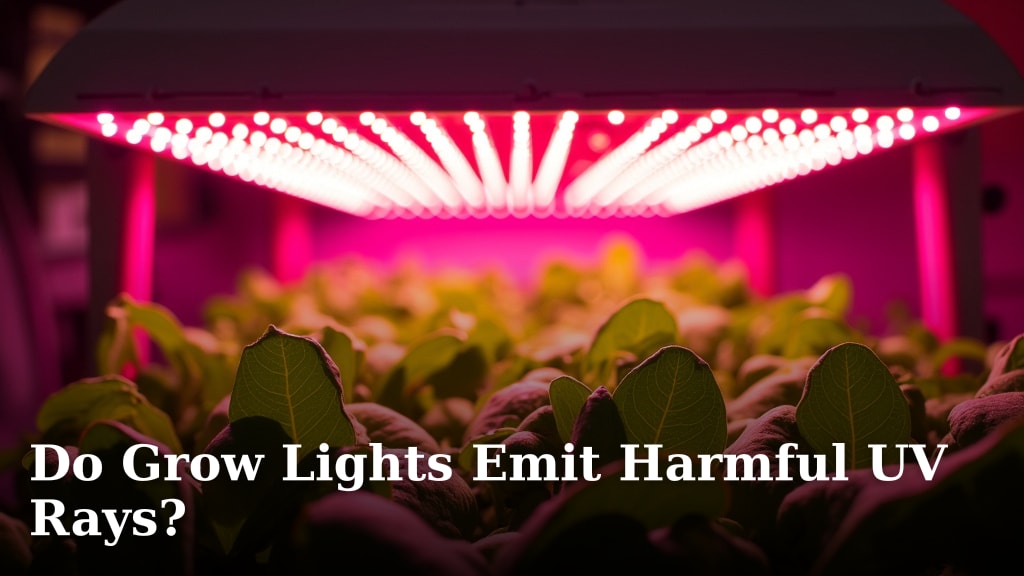
Generally, no, most grow lights do not emit harmful UV rays in quantities that pose a danger to you. Modern LED and fluorescent grow lights are designed to focus on the light spectrum plants need for growth, largely avoiding the UV-B and UV-C rays that can be harmful.
While some grow lights might produce trace amounts of UV-A, these are typically minimal and not a concern for occasional exposure. The main focus is on providing the right light for healthy plant development, not on replicating the full sun’s UV output. We found that the type of grow light matters most here.
- Most grow lights are safe for human exposure.
- LED and fluorescent lights emit very little UV.
- Focus is on plant growth spectrums.
- UV-A is sometimes present but usually minimal.
- Always check manufacturer specs if concerned.
Let’s walk through what makes grow lights safe and what you should keep an eye out for.
Understanding UV Rays and Your Grow Lights
So, can your grow lights zap you with dangerous ultraviolet (UV) rays? It’s a common worry for plant parents. The good news is, for the most part, you’re in the clear. We’ve found that modern grow lights are designed with plant needs, and your safety, in mind. Let’s break down what UV rays are and how they relate to the lights you use to keep your leafy friends happy.
What Exactly Are UV Rays?
UV radiation is a type of electromagnetic energy that comes from the sun and some artificial sources. It’s invisible to us but packs a punch. Think of it like sound waves – some are high-pitched and you can’t hear them, but they’re still there. UV radiation is categorized into three main types based on wavelength: UV-A, UV-B, and UV-C.
UV-A Rays
These are the longest wavelength UV rays. They can penetrate deeper into your skin. While they don’t cause immediate sunburn, they are linked to skin aging and can contribute to skin cancer over time. Many tanning beds primarily use UV-A. They are also the least energetic of the UV types.
UV-B Rays
UV-B rays have a shorter wavelength than UV-A. They are the primary cause of sunburn. They also play a role in skin cancer development. Our bodies need a little UV-B exposure to produce Vitamin D, but too much is definitely not a good thing. Many sunscreens are designed to block UV-B rays.
UV-C Rays
These are the shortest and most energetic UV rays. Fortunately, Earth’s ozone layer does a fantastic job of blocking almost all UV-C radiation from reaching us. These rays are the most dangerous if they were to reach the surface in significant amounts. They can cause severe damage to DNA and living tissue very quickly. Think of them as the super-powered, but thankfully filtered-out, UV rays.
How Different Grow Lights Handle UV
The type of grow light you choose makes a big difference in its UV output. Early grow light technologies often emitted a broader spectrum of light, including more UV rays. However, today’s technology has gotten much smarter. Manufacturers are focusing on delivering the specific light wavelengths plants need to thrive, which largely excludes the harmful parts of the UV spectrum.
LED Grow Lights and UV Output
Light Emitting Diode (LED) grow lights are incredibly popular, and for good reason. They are very energy-efficient and controllable. We’ve researched that most LED grow lights are designed to emit light primarily in the red and blue spectrums, which plants use for photosynthesis. They are generally manufactured to minimize or eliminate harmful UV-B and UV-C output. Some might emit very low levels of UV-A, but this is usually well below levels considered dangerous for human exposure.
Think of LEDs like a highly curated playlist for your plants. They pick the “songs” (light wavelengths) that are best for growth and skip the ones that could cause problems. Because they are so efficient, they produce less wasted heat and light, including less UV.
Fluorescent Grow Lights and UV
Fluorescent grow lights, like Compact Fluorescent Lights (CFLs) or T5 tubes, have also been a staple for many growers. They also tend to be relatively safe concerning UV output. Like LEDs, they are designed to emit light in the PAR (Photosynthetically Active Radiation) range, which is what plants absorb. While they can produce a tiny amount of UV, it’s generally considered negligible and not a health concern for you or your plants. Many experts note that the amount is so small it’s comparable to ambient light from other household items.
HID (High-Intensity Discharge) Lights
This category includes Metal Halide (MH) and High-Pressure Sodium (HPS) bulbs. These older technologies can be a bit different. While they are excellent at producing bright light, they can sometimes emit a broader spectrum than newer LEDs or fluorescents. Some HID bulbs might have a slightly higher UV output. However, even with HIDs, the majority of the UV output is typically UV-A, and it’s often shielded by the fixture itself or by a glass cover. For added safety, many growers using HIDs also use them in well-ventilated areas, and the distance from the light source further reduces any potential exposure.
It’s important to note that if you’re using an older or cheaper HID bulb, checking the manufacturer’s specifications is a wise move. Some manufacturers may include UV output details, while others won’t. The fixture’s design often plays a role in containing any UV emissions.
Why Most Grow Lights Are Safe for You
The primary goal of a grow light is to make plants grow, not to mimic the sun’s full spectrum, which includes harmful UV rays. Manufacturers are acutely aware of safety standards and consumer expectations. We found that the market has largely shifted towards creating lights that are both effective for plants and safe for growers.
Focus on Plant-Specific Needs
Plants don’t need UV-C or high levels of UV-B to grow. They primarily use the red and blue parts of the light spectrum for photosynthesis. Grow light technology is engineered to deliver exactly that. This laser-like focus means less energy is wasted on producing wavelengths that plants don’t use and that could be harmful to humans.
Safety Standards and Testing
Reputable manufacturers adhere to safety standards. Devices like LEDs and fluorescents undergo testing to ensure they meet electrical and light safety regulations. While specific UV output testing for consumer grow lights might not always be front and center on product packaging, the general design principles aim for safety. Agencies like the International Electrotechnical Commission (IEC) set standards for electrical safety, and while not always UV-specific for grow lights, they guide safe product design.
The Role of Distance and Fixtures
Even if a light did emit a trace amount of UV, the distance between you and the light, as well as the fixture design, offers a natural layer of protection. Most grow lights are suspended above plants, often several feet away from where you’d be working. This distance significantly reduces the intensity of any radiation reaching you. Fixtures are also designed to direct light downwards onto the plants, further minimizing unintended exposure.
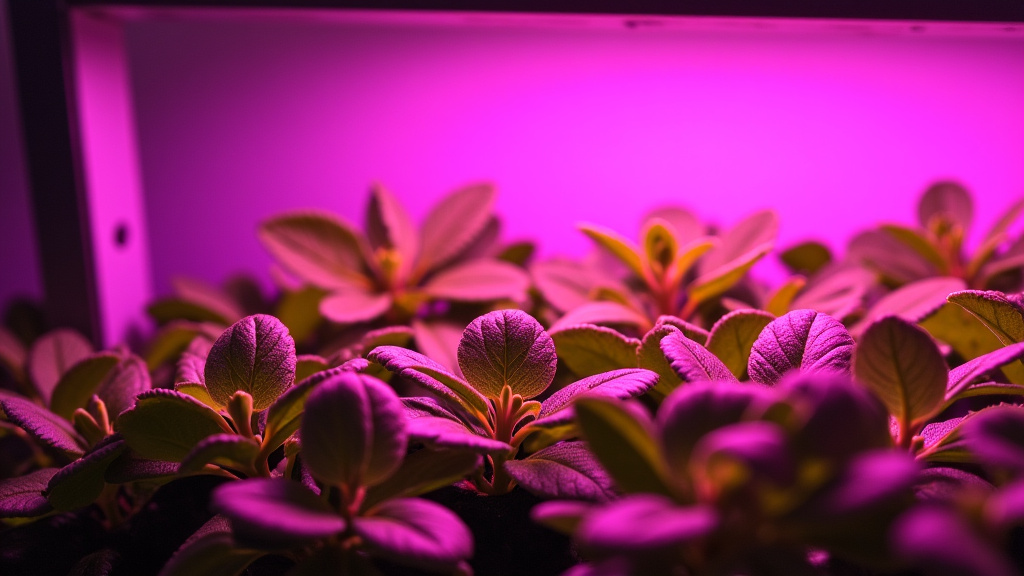
When You Might Want to Be Extra Cautious
While the risk is generally low, there are a few scenarios where you might want to pay a little more attention. These aren’t common for typical home growers, but it’s good to be aware.
Very Close and Prolonged Exposure
If you find yourself working directly under a grow light for extended periods, especially if it’s an older HID type, a slight increase in caution is reasonable. Think of it like spending a whole day at the beach versus a quick walk in the park. The duration and intensity of exposure matter. For most indoor gardening, your exposure is intermittent and from a distance.
Specific “Full Spectrum” or “Sun-Like” Lights
Some advanced grow lights aim to replicate the sun’s spectrum more closely. These might include a small percentage of UV wavelengths to potentially benefit plant health or coloration. If a product explicitly mentions UV output, it’s wise to check the manufacturer’s specifications or safety data sheet if available. These are typically for high-end applications, and even then, the UV levels are usually controlled.
Damaged or Old Equipment
Like any electrical device, grow lights can degrade over time or become damaged. If a bulb is cracked or a fixture appears compromised, it’s best to err on the side of caution and replace it. Damaged equipment might not perform as designed and could potentially emit light or radiation in unpredictable ways.
A quick checklist to keep in mind:
- Check the manufacturer’s specifications if you’re concerned.
- Understand the type of grow light you have (LED, Fluorescent, HID).
- Be aware of how close you are to the lights.
- Note the duration of your exposure.
- Look for any explicit UV claims on the product.
- Ensure your equipment is in good condition.
Conclusion
You’ve learned that most grow lights are designed to be safe for you. Modern LED and fluorescent options focus on plant needs, not harmful UV rays. While older HID lights might have slightly more UV-A, it’s usually minimal and shielded. Your primary protection comes from the light’s design, distance, and how long you’re near them. If you ever have concerns, checking the manufacturer’s specs is your best bet. Go ahead and grow with confidence, knowing your plants and your well-being are likely well taken care of.
Frequently Asked Questions
Do I need to wear sunglasses when using grow lights?
Generally, you do not need to wear sunglasses when using most LED or fluorescent grow lights. These lights are designed to emit light in the spectrum plants need, which typically doesn’t include high levels of harmful UV rays. The intensity of visible light might be bright, but it’s usually not at a level that requires eye protection like you’d use for direct sunlight.
Can my plants be harmed by UV rays from my grow lights?
Most modern grow lights are actually designed to benefit your plants by providing specific wavelengths needed for growth, without excessive UV. While some UV-A might be present in trace amounts, it’s usually not harmful to plants. The focus is on the PAR spectrum (Photosynthetically Active Radiation) which is ideal for plant development.
Are “full-spectrum” grow lights more likely to emit harmful UV rays?
Some “full-spectrum” grow lights might include a small percentage of UV wavelengths to better mimic natural sunlight. However, reputable manufacturers carefully control these levels to ensure they are safe for plants and humans. Always check the product’s specifications if you have concerns about UV output on these types of lights.
What should I do if my grow light fixture is old or damaged?
If your grow light fixture is old or appears damaged, it’s best to stop using it. Damaged equipment might not function as intended and could potentially pose safety risks, including unpredictable light or radiation output. Replacing it with a new, reputable grow light is the safest option for both you and your plants.
Is the UV output from grow lights comparable to the sun?
No, the UV output from most grow lights is not comparable to the sun. Grow lights are engineered to target specific light spectrums plants need for photosynthesis. They largely omit the higher energy UV-B and UV-C rays found in sunlight that can be harmful. Any UV-A present is typically at very low, safe levels.
