
Can You Overfertilize Indoor Plants?
Yes, you absolutely can overfertilize your indoor plants. Too much food can actually be harmful, leading to root burn and nutrient imbalances. It’s a common mistake many plant parents make when trying to give their green friends the best.
Overfertilizing can show up in a few ways. You might see brown tips on leaves, wilting even with proper watering, or a white crust forming on the soil surface. This tells you your plant is struggling under the load of excess nutrients, and it’s time to reassess your feeding schedule and concentration.
- Yes, plants can get too much fertilizer.
- Overfertilizing can damage roots and leaves.
- Look for brown leaf tips and wilting.
- A white crust on soil is another sign.
- Less is often more with plant food.
Let’s walk through exactly what happens when you overfertilize and how to fix it if you suspect your plant has had a bit too much to eat. Let’s walk through exactly what happens when you overfertilize and how to fix it if you suspect your plant has had a bit too much to eat.
When Too Much of a Good Thing Happens: Overfertilizing Indoor Plants
Yes, your indoor plants can absolutely get too much of a good thing. When you’re trying to be the best plant parent you can be, it’s easy to think more fertilizer equals a happier plant. Unfortunately, that’s not always the case. Overfertilizing can actually stress your plants and lead to some unhappy symptoms. We’re going to walk through what happens when you feed your plants too much and how to bring them back to health.
Understanding the Signs of Overfeeding Your Plants
Your plant will tell you when it’s had enough fertilizer. You just need to know what to look for. These signs can sometimes be confused with other watering or pest issues. Paying close attention is key.
Leaf Discoloration and Damage
One of the most common signs is damage to the leaves. You might notice brown tips or edges on the leaves. This is often called “fertilizer burn.” It happens when excess salts from the fertilizer build up in the soil and damage the root tips, preventing them from absorbing water properly. The plant then dries out from the tips inward.
Sometimes, the entire leaf might turn yellow, even if the rest of the plant looks okay. This yellowing, known as chlorosis, can indicate a nutrient imbalance. Your plant might be getting too much of one nutrient, which blocks its ability to absorb others it desperately needs. It’s like eating too much of one healthy food and missing out on essential vitamins from other foods.
Wilting and Stunted Growth
It might seem counterintuitive, but a plant that’s overfertilized can appear wilted, even if the soil is moist. Remember that fertilizer burn we talked about? It damages the roots’ ability to take up water. So, even with plenty of water available, the plant can’t access it. This dehydration makes the leaves droop and look sad.
You might also notice that your plant’s growth seems to have slowed or stopped completely. Instead of producing new, vibrant leaves, it’s just… sitting there. This is a clear sign that the plant is under stress and doesn’t have the energy to focus on growth. It’s busy trying to recover from the nutrient overload.
The White Crust: A Salty Warning
Have you ever seen a powdery or crusty white layer on top of your potting soil? That’s a telltale sign of fertilizer salts accumulating on the surface. As the water in the soil evaporates, it leaves behind the dissolved salts from the fertilizer. This build-up is toxic to plant roots.
This crust is most common when you’re using granular or slow-release fertilizers. If you see it, it’s a strong indicator that you’ve been fertilizing too often or using too strong a concentration. The salts can leach into the soil and create an environment that’s really unpleasant for root health.
Changes in Soil pH
Fertilizers contain various minerals and salts that can affect the pH level of your soil. Most houseplants prefer a slightly acidic to neutral pH range, typically between 5.5 and 7.0 (NCBI). Over-application of fertilizers can drastically shift this balance. Some fertilizers can make the soil more alkaline, while others can make it more acidic.
When the soil pH is off, it changes how well your plant can absorb nutrients. Even if the nutrients are present in the soil, the plant can’t access them properly. This leads to a condition called nutrient lockout. It’s like having a pantry full of food but not being able to open the jars to eat it.
Why Does Overfertilizing Hurt Plants?
Let’s get a bit deeper into the science behind why too much fertilizer is a bad thing. It all comes down to osmosis and the delicate balance of salts in the soil.
Osmotic Stress and Root Burn
Plant roots absorb water through a process called osmosis. Normally, the concentration of dissolved nutrients (salts) inside the plant’s root cells is higher than in the surrounding soil. This difference drives water into the roots. When you add too much fertilizer, the concentration of salts in the soil becomes much higher than inside the roots.
This causes water to be drawn out of the roots and into the soil. This process is called osmotic stress. It effectively dehydrates the plant from the roots up. The root tips, being the most sensitive, get damaged or “burned” by the high salt concentration. This is why you see those brown, crispy leaf edges.
Nutrient Imbalances and Lockout
Plants need a variety of nutrients to thrive, not just one or two. Fertilizers usually contain nitrogen (N), phosphorus (P), and potassium (K), along with various micronutrients. When you apply too much fertilizer, you can create an imbalance in these nutrients.
For example, an excess of one nutrient can make it harder for the plant to absorb others. Research has shown that high levels of phosphorus can interfere with the uptake of iron and zinc, which are essential for leaf development (Cleveland Clinic). This nutrient lockout prevents your plant from getting the balanced diet it needs, even if the nutrients are physically present in the soil.
How to Fix an Overfertilized Plant
If you suspect you’ve gone a bit too heavy on the plant food, don’t panic! There are steps you can take to help your plant recover.
Flush the Soil
The first and most important step is to flush out the excess salts. You can do this by thoroughly watering your plant. Take it to a sink or shower and let water run through the soil for several minutes. You want to encourage a lot of water to pass through the pot, carrying the excess salts with it.
Allow the water to drain completely. You might need to repeat this flushing process a couple of times over a few days. This helps to wash away the accumulated salts from the soil, giving the roots a chance to recover. Make sure the pot has good drainage holes for this to be effective.
Repotting for a Fresh Start
In more severe cases, or if flushing doesn’t seem to be helping enough, repotting might be the best solution. Carefully remove the plant from its pot. Gently brush away as much of the old soil as possible from the roots. Be careful not to damage the roots further.
Then, replant your leafy friend in fresh potting mix. This gives your plant a completely clean slate with no lingering excess salts. Choose a good quality potting mix that’s appropriate for your specific plant type. This is often the quickest way to recovery for a severely overfertilized plant.
Adjust Your Fertilizing Habits
Once your plant has recovered, it’s time to re-evaluate how you fertilize. The best defense against overfertilizing is prevention!
Here’s a quick checklist to help you get it right:
- Read the label: Always follow the dilution instructions on the fertilizer packaging.
- Dilute more: Many experts recommend diluting liquid fertilizers to half or even quarter strength for indoor plants.
- Fertilize less often: Most houseplants only need fertilizer during their active growing season (spring and summer).
- Skip if dormant: Do not fertilize plants when they are dormant in fall and winter.
- Consider the plant’s needs: Younger plants, less vigorous growers, and plants in low light need less fertilizer.
- When in doubt, don’t: It’s far better to underfertilize than to overfertilize. You can always add more later if needed.
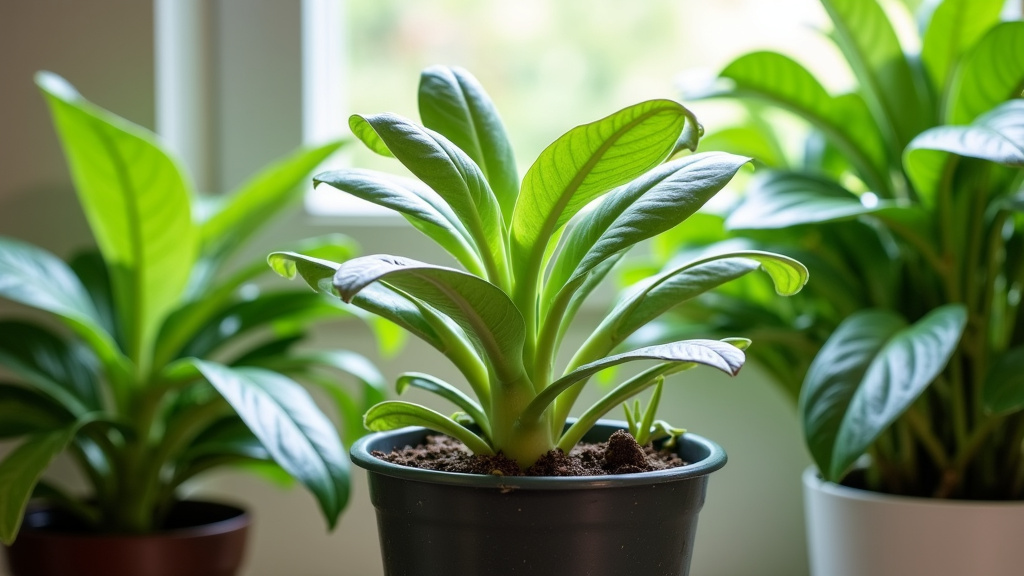
Fertilizer Types and Overfeeding Risks
Different types of fertilizers carry different risks when it comes to overapplication. Knowing this can help you choose wisely and apply carefully.
Liquid Fertilizers
Liquid fertilizers are mixed with water and applied during watering. They provide nutrients immediately. The risk here is applying them too often or at too high a concentration. Because they are readily available, it’s easy to overdo it if you’re not careful.
Many plant enthusiasts find that using liquid fertilizers at half the recommended strength, or even quarter strength, is sufficient for most houseplants. This allows you to provide nutrients without the high risk of burning the roots. We found this approach helps maintain vibrant growth.
Granular and Slow-Release Fertilizers
These fertilizers come in small pellets or granules that are mixed into the soil or sprinkled on top. They release nutrients gradually over time. While this sounds safer, it’s still possible to overapply them. If you add too much to the soil initially, or if you add more before the previous dose has fully released, you can create a nutrient build-up.
The white crust we discussed is particularly common with these types. If you’re using slow-release in the potting mix, be sure the bag says it’s formulated for container plants. Overusing them can lead to a long-term salt build-up that’s hard to correct without repotting.
When is Fertilizing Not the Problem?
It’s important to remember that not all plant problems are due to fertilizer. Sometimes, brown leaf tips or wilting can be caused by other issues.
Watering Issues
Both underwatering and overwatering can lead to symptoms that look like overfertilizing. If the soil is constantly too dry, the leaf tips will dry out and turn brown. If the soil is constantly too wet, the roots can rot, preventing water uptake and causing wilting.
Always check the soil moisture before watering. Stick your finger about an inch or two into the soil. If it feels dry, water thoroughly. If it feels moist, wait a bit longer. Correct watering is the foundation of good plant care.
Environmental Factors
Low humidity, drafts from vents or windows, and inconsistent temperatures can also stress plants. These stresses can manifest as brown leaf tips or general plant decline. Sometimes, your plant is just reacting to its surroundings rather than an excess of food.
Try to place your plants in locations with stable temperatures and away from direct drafts. Increasing humidity, especially for tropical plants, can also make a big difference. Observing your plant’s environment is just as important as observing its watering and feeding needs.
| Symptom | What it Likely Means | What to Do First |
|---|---|---|
| Brown leaf tips/edges | Fertilizer burn (salt buildup damaging roots) | Flush the soil thoroughly with water. |
| Wilting despite moist soil | Root damage from overfertilizing, preventing water uptake. | Flush soil; consider repotting if severe. |
| White crust on soil surface | Excess fertilizer salts accumulating as water evaporates. | Scrape off crust, flush soil. |
| Yellowing leaves | Nutrient imbalance; plant may not be absorbing needed nutrients. | Flush soil and wait; reassess fertilizing schedule. |
| Stunted growth | Plant is stressed and conserving energy. | Ensure proper watering and flushing. |
Conclusion
You’ve learned that overfertilizing your indoor plants is a real risk. It can lead to stressed roots, damaged leaves, and stunted growth. Paying attention to warning signs like brown tips and soil crusts is key. Remember, moderation is your friend when it comes to plant food.
Always read fertilizer labels and consider diluting them further for your houseplants. When in doubt, it’s always better to err on the side of caution and underfertilize. Your plants will thank you for it by staying healthy and vibrant.
Frequently Asked Questions
How often should I fertilize my indoor plants?
Most indoor plants only need fertilizer during their active growing season, typically spring and summer. You might fertilize once a month during this period. Avoid fertilizing in fall and winter when plants are dormant.
Can I use outdoor fertilizer on my houseplants?
It’s best to use fertilizers specifically formulated for indoor or container plants. Outdoor fertilizers can be too strong for indoor plants and may contain ingredients that aren’t suitable for potted environments.
What is the best way to fix brown leaf tips caused by overfertilizing?
The first step is to flush the soil with plenty of water to wash away excess salts. After flushing, allow the soil to dry out properly between waterings. You may need to trim off the brown tips once the plant has recovered.
How do I know if my plant needs fertilizer at all?
Signs your plant might need fertilizer include slow growth, pale or yellowing leaves (especially older ones), and reduced flowering. If your plant is healthy and growing well, it might not need additional food.
Is it possible to underwater and overwater my plant at the same time?
While you can’t technically do both simultaneously, symptoms of underwatering and overwatering can sometimes look similar to overfertilizing. Consistently checking soil moisture before watering is the best way to prevent all three issues.
