
Can You Grow Orchids without Soil?
Yes, you absolutely can grow orchids without soil! Many popular orchid types are epiphytes, meaning they naturally grow on other plants or surfaces in the wild. These orchids thrive in a well-aerated environment, not in traditional dirt. So, your orchid can flourish in a soil-free setup with the right care.
This method is often called soilless culture for orchids. It mimics their natural habitat, allowing their roots to get plenty of air and moisture. Instead of potting soil, orchid growers commonly use materials like bark, moss, or even just air to support the plant. It’s a popular choice for orchid enthusiasts.
- Orchids can definitely grow without soil.
- Many orchids are epiphytes and need air circulation for their roots.
- Common soil substitutes include bark, moss, and coconut coir.
- Soilless culture mimics their natural growing conditions.
- It’s a great way to keep your orchids healthy and happy.
Let’s walk through exactly how you can achieve this successful soil-free orchid growing for your own plants.
Growing Orchids Without Soil: A Soilless Success Story
It’s a common misconception that orchids need traditional soil to thrive. In reality, many orchid species are epiphytes. This means they naturally grow on other plants, like trees, in their native habitats. They don’t need soil for nutrients; they get those from the air, rain, and decaying organic matter that collects around their roots. So, growing orchids without soil is not just possible, it’s often the best way to mimic their natural environment. This soilless approach allows their roots to get the essential air circulation they crave.
Why Ditch the Dirt for Your Orchids?
You might be wondering why you would even consider growing orchids without soil. Traditional potting mixes can retain too much moisture. This can lead to root rot, a common problem for many orchid owners. Soilless mediums offer superior drainage and aeration. This directly addresses the primary needs of most orchid roots. This helps prevent fungal diseases and keeps your orchid healthy and vibrant.
Benefits of Soilless Orchid Culture
Switching to a soil-free method comes with several advantages. Firstly, it significantly reduces the risk of root rot. Orchid roots need to breathe! Soil can suffocate them. Secondly, soilless mixes are easier to manage. They don’t compact over time like soil can. This means you won’t need to repot as often. Thirdly, these mediums are often cleaner. You won’t deal with the mess of soil. It makes for a tidier growing space, which is always a plus!
Understanding Epiphytic Orchids
The majority of orchids we grow indoors are epiphytic. Think of orchids like Phalaenopsis (moth orchids), Cattleyas, and Oncidiums. These beautiful plants evolved to cling to tree bark. Their roots are adapted to grab onto surfaces and absorb moisture and nutrients from the air. They are not designed to sit in wet soil. Their aerial roots help them anchor and also absorb humidity. Providing an airy, well-draining environment is key to their success.
Choosing Your Soilless Orchid Medium
So, what do you use instead of soil? Plenty of options exist. These materials mimic the bark or moss found in their natural homes. The goal is to provide support while ensuring excellent drainage and airflow. You’ll want something that dries out sufficiently between waterings. This prevents that dreaded root rot. Let’s look at some popular choices.
Bark: The Classic Choice
Orchid bark is probably the most common soilless medium. It’s usually made from fir or pine bark. It comes in various grades, from coarse to fine. Coarser bark provides more airflow and drains faster. Finer bark retains a bit more moisture. For most epiphytic orchids, a medium-grade bark is a great starting point. It’s lightweight and readily available at garden centers.
Sphagnum Moss: For Moisture Lovers
Sphagnum moss is a wonderful material that can hold a lot of water. It’s also quite airy. This makes it a good choice for orchids that prefer slightly more moisture. However, be careful not to overwater when using moss. It can retain moisture for a long time. Many growers use a mix of bark and moss. This can help balance drainage and moisture retention. You can also use it on its own for specific orchids like slipper orchids.
Coconut Coir: A Sustainable Option
Coconut coir, made from coconut husks, is another popular choice. It’s eco-friendly and has excellent water retention properties. It also provides good aeration. You can find it in various forms, like chips or fibers. Like moss, it can hold more water than bark. So, you’ll need to monitor your watering schedule carefully. It’s often used in orchid mixes for its beneficial properties.
Other Soilless Materials
Beyond the mainstays, there are other materials you can use. Perlite and charcoal can be added to mixes to improve drainage and aeration. Tree fern fiber is also a traditional orchid medium, offering excellent structure. Some growers even use LECA (lightweight expanded clay aggregate) or lava rocks. These provide superb drainage and airflow. The trick is to find a medium or combination that suits your specific orchid and your watering habits. It’s about creating the right microclimate.
Creating Your Own Orchid Mix
Many experienced orchid growers create their own custom mixes. This allows them to tailor the potting medium to their orchid’s specific needs. A common beginner mix might be 50% medium-grade bark and 50% perlite. For orchids that like more moisture, you could try 50% sphagnum moss and 50% bark chips. You can also find pre-made orchid potting mixes. These are convenient, but sometimes adding a bit of extra perlite can improve them. Experimentation is key to finding what works best for you.
| Medium | Water Retention | Aeration | Best For | Notes |
|---|---|---|---|---|
| Orchid Bark | Medium | High | Most epiphytic orchids | Dries out quickly, needs frequent watering. |
| Sphagnum Moss | Very High | Medium | Moisture-loving orchids | Can lead to root rot if overwatered. |
| Coconut Coir | High | Medium-High | Various orchids, good general use | Sustainable, good balance of moisture and air. |
| LECA/Clay Pebbles | Low | Very High | Orchids prone to root rot | Requires frequent watering, excellent drainage. |
Potting Your Orchid Soillessly: A Step-by-Step Guide
Ready to repot your orchid into a soil-free home? It’s a straightforward process. The most important thing is to handle your orchid gently. Its roots are delicate. We want to encourage new, healthy root growth. Let’s get started!
Gather Your Supplies
You’ll need a new pot that’s slightly larger than the old one. Choose a pot with plenty of drainage holes. Orchid pots often have extra holes on the sides for better airflow. You’ll also need your chosen soilless medium. Make sure it’s pre-moistened slightly. Damp, not soaking wet, is the goal. You’ll also need clean scissors or pruners for any necessary root trimming. And of course, your orchid! You’ll need a new pot that’s slightly larger than the old one, and our guide to the best planter pots for orchids can help you choose.
Prepare Your Orchid
Gently remove your orchid from its old pot. Try not to disturb the roots too much. If it’s in old bark or moss, you can carefully pick it away. If the old medium is stuck, you might need to soak the root ball briefly in lukewarm water. This helps loosen stubborn material. Inspect the roots. Trim away any dead, mushy, or black roots with your clean scissors. Healthy roots are usually firm and greenish-white or tan.
Repotting into the New Medium
Place a small amount of your new medium at the bottom of the new pot. Position your orchid in the center. The base of the orchid should be about level with the rim of the pot. Begin adding your chosen medium around the roots. Gently work it in to fill the gaps. You want to support the plant without packing the medium too tightly. The goal is to avoid air pockets but still allow plenty of air to reach the roots. Ensure the orchid is stable and upright.
Initial Watering and Aftercare
After repotting, it’s usually best to wait a few days before watering. This allows any minor root injuries to heal. This is particularly important if you trimmed any roots. When you do water, water thoroughly. Let water run through the pot until it drains freely. Many growers find that watering less frequently but more deeply is effective with soilless mediums. Monitor your orchid’s moisture levels. The frequency will depend on the medium, your environment, and the orchid type.
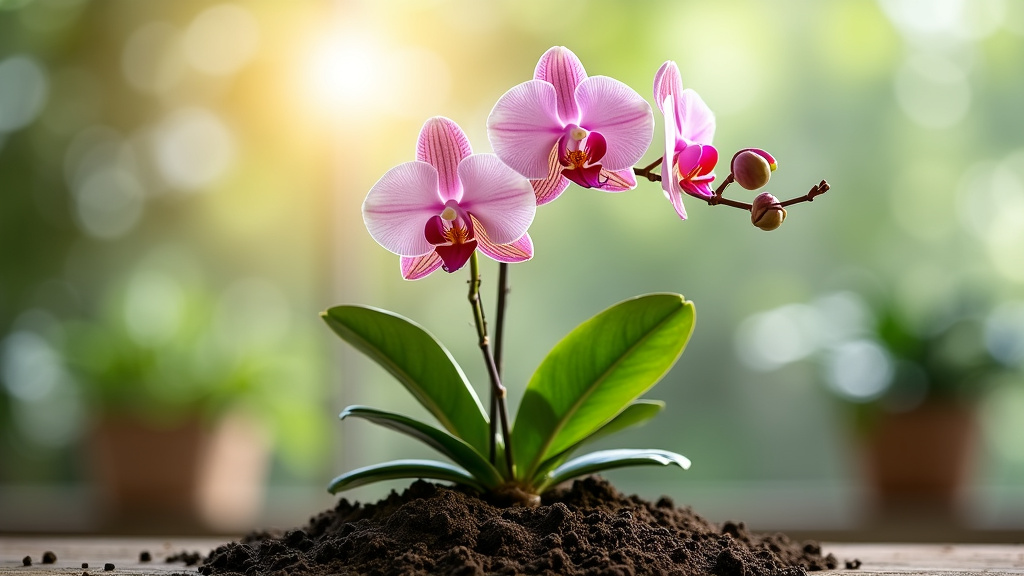
Common Soilless Orchid Growing Challenges and Solutions
While soilless culture has many benefits, there can be a learning curve. Understanding potential issues helps you keep your orchid happy. These are common problems growers face.
Overwatering and Underwatering
This is the most common challenge. Because these mediums drain so well, it’s easy to underwater. On the flip side, some mediums like moss hold a lot of water, leading to overwatering. How often should you water? Research your specific orchid type. Also, feel the medium. If it’s dry an inch or two down, it’s likely time to water. You can also lift the pot; a lighter pot usually means it’s dry. Many experts recommend watering when the medium is almost dry (American Orchid Society).
Nutrient Deficiencies
Since there’s no soil, your orchid won’t get nutrients from the medium itself. You’ll need to supplement with orchid fertilizer. Use a balanced orchid fertilizer diluted to half or quarter strength. Fertilize regularly, usually every other watering, during active growth periods. Avoid fertilizing when the plant is dormant. Proper feeding is essential for healthy blooms and foliage. Research shows that consistent, diluted feeding is better than infrequent strong doses (NCBI).
Medium Breakdown
Over time, even soilless mediums can break down. Bark can decompose, and moss can become compacted. This reduces airflow and drainage. It’s a good idea to repot your orchid every 1-2 years, or when you notice the medium is starting to degrade. Fresh medium provides the best environment for your orchid’s roots. This simple maintenance keeps your plant thriving.
Pest and Disease Management
Soilless culture can actually reduce the incidence of some soil-borne pests and diseases. However, your orchid can still get pests like spider mites or mealybugs. Good air circulation helps prevent fungal issues. Regularly inspect your plant’s leaves and roots. If you spot pests, treat them immediately with an appropriate orchid-safe insecticide or horticultural oil. Prompt action is always the best defense.
Checklist for Soilless Orchid Success
Here’s a quick checklist to help you get started and maintain your soil-free orchid:
- Choose a pot with excellent drainage.
- Select a soilless medium suited to your orchid.
- Ensure the medium is slightly pre-moistened before repotting.
- Handle orchid roots gently; trim only dead ones.
- Water thoroughly when the medium is nearly dry.
- Fertilize regularly with a diluted orchid-specific fertilizer.
By following these guidelines, you can successfully grow beautiful, healthy orchids without ever touching a bag of soil. It’s a rewarding way to care for these fascinating plants!
Conclusion
You’ve learned that growing orchids without soil is not only possible but often ideal for these epiphytic beauties. By mimicking their natural environment with airy mediums like bark, moss, or coconut coir, you can prevent root rot and encourage robust growth. Remember to select the right medium for your orchid, provide adequate drainage, and adjust your watering and fertilizing routines. Your next step is to choose your preferred soilless medium and prepare to repot your orchid, giving it the breathable home it truly deserves!
Frequently Asked Questions
How often should I water my orchid when it’s not in soil?
Watering frequency depends on your chosen medium and environment. As a general rule, water when the medium is nearly dry. You can check by feeling the medium an inch or two down or by lifting the pot; a lighter pot indicates dryness. Researching your specific orchid type will also give you a good starting point.
Can I use just plain water with no medium for my orchid?
Some growers practice hydroponics or soilless culture using only water. This is often called “water culture.” It requires very careful monitoring of nutrient levels and water changes to prevent root issues. It’s generally more challenging than using a physical medium like bark or moss.
What if my orchid’s roots look mushy after repotting?
Mushy, dark roots are a sign of root rot, often caused by too much moisture. If you find them during repotting, trim them away with clean scissors. Ensure your new soilless medium provides excellent drainage and airflow. Allow the plant a few days to heal before watering after trimming damaged roots.
Do I need to fertilize my orchid if it’s not in soil?
Yes, you absolutely need to fertilize. Since the soilless medium doesn’t provide nutrients, regular feeding is essential. Use a balanced orchid fertilizer diluted to half or quarter strength, typically every other watering during active growth periods. This ensures your orchid gets the food it needs for healthy growth and blooms.
How can I tell if my orchid needs repotting from its soilless medium?
You’ll likely need to repot every 1-2 years or when the medium starts to break down. Signs include the medium becoming compacted, retaining too much moisture, or a noticeable decrease in airflow. If the orchid is visibly outgrowing its pot or the roots are circling excessively, it’s also a good time to repot into a slightly larger container with fresh medium.
