
What Is the Best Planter Material for Indoor Plants?
The best planter material for indoor plants really depends on your plant’s needs and your personal style, but terracotta and ceramic are often top choices. Terracotta is wonderfully breathable, great for plants that dislike wet feet, while glazed ceramic offers beauty and moisture retention. Both are excellent options to consider for your green friends.
Choosing the right pot affects how your plants grow and how often you need to water them. Some materials allow for more airflow, helping roots stay healthy. Others seal in moisture, which can be a lifesaver for thirsty plants but a danger to those prone to root rot. We found that thinking about drainage and breathability is key for happy plants.
- Terracotta is great for plants that need dry soil.
- Glazed ceramic looks pretty and holds moisture.
- Plastic is lightweight and affordable, but less breathable.
- Metal can get too hot or cold for roots.
- Self-watering planters can help with consistent moisture.
Let’s break down the most popular planter materials, so you can pick the perfect home for each of your indoor plants.
Choosing the Right Pot: What Material Works Best for Your Indoor Plants?
Selecting the ideal planter material for your indoor plants is a fantastic way to ensure they thrive. Different materials offer unique benefits and drawbacks for root health and moisture management. We’ve researched various options to help you make an informed decision.
The best planter material truly depends on the specific plant’s needs and your watering habits. Some plants love to dry out between waterings. Others prefer consistently moist soil. Understanding these preferences is your first step.
Terracotta: The Breathable Classic
Terracotta pots are a long-standing favorite for many plant enthusiasts. They are made from unglazed, fired clay. This porous nature allows air and moisture to pass through the pot’s walls.
This breathability is a huge advantage. It helps the soil dry out more evenly. This makes terracotta an excellent choice for plants prone to root rot. Think succulents, cacti, and other arid-loving species. They need their soil to dry out.
The porous nature means water evaporates from the sides of the pot. This can lead to more frequent watering. You might need to water plants in terracotta more often than in other materials. Keep an eye on your plants.
You’ll often see a white, powdery residue on the outside of terracotta pots. This is mineral salt buildup from the water and soil. It’s harmless and doesn’t affect your plant’s health. It’s just a sign of a well-loved pot.
Pros of Terracotta
- Excellent breathability: Allows roots to get oxygen and prevents waterlogging.
- Promotes soil drying: Ideal for plants that dislike consistently wet conditions.
- Natural aesthetic: Offers a rustic, earthy look that complements many decors.
- Affordable: Generally less expensive than ceramic or decorative pots.
Cons of Terracotta
- Can dry out too quickly: May require more frequent watering, especially in dry environments.
- Can crack or break: Being a natural material, it’s more fragile than plastic.
- Mineral salt buildup: Can leave white residue on the pot’s exterior.
Ceramic: Style Meets Functionality
Ceramic pots offer a beautiful alternative to plain terracotta. They are typically made from clay and then fired at high temperatures. Many ceramic pots are then glazed, creating a smooth, often colorful, waterproof surface.
The glaze is key here. It seals the pot, preventing water from evaporating through the sides. This means ceramic pots retain moisture much longer than unglazed terracotta. This can be a real benefit for plants that love consistent moisture.
However, this moisture retention also means they are more prone to overwatering. If your ceramic pot doesn’t have a drainage hole, it’s a recipe for root rot. Always ensure there’s a way for excess water to escape.
Glazed vs. Unglazed Ceramic
Most ceramic pots you see are glazed. This is what gives them their shine and color. They look fantastic and can be a real statement piece in your home. Because they are sealed, they hold moisture well.
Unglazed ceramic is less common for decorative indoor pots. It behaves more like terracotta, offering some breathability. However, it’s not as porous as pure unglazed clay. If you find unglazed ceramic, consider it a middle-ground option.
Pros of Ceramic
- Aesthetically pleasing: Wide variety of colors, finishes, and designs available.
- Moisture retention: Good for plants that prefer consistently damp soil.
- Durable glaze: Protects the pot from staining and chipping (though the pot itself can still break).
Cons of Ceramic
- Poor breathability: Can lead to waterlogged soil if overwatered.
- Can be heavy: Larger pots can be quite heavy and difficult to move.
- Risk of root rot: If drainage is inadequate and soil stays too wet.
- Can be more expensive: Often pricier than terracotta or plastic options.
Plastic: Lightweight and Budget-Friendly
Plastic planters are incredibly popular for good reason. They are lightweight, durable, and usually the most affordable option. They come in countless shapes, sizes, and colors, making them versatile for any decor.
The main characteristic of plastic is its non-porous nature. This means very little water evaporates through the pot’s walls. Water stays in the soil longer. This can be great for thirsty plants, but it requires careful watering to avoid soggy soil.
Plastic pots are often used by nurseries because they are easy to clean and transport. They are also less likely to break if dropped.
Pros of Plastic
- Lightweight: Easy to move around, especially when planting or rearranging.
- Durable: They don’t break or crack easily.
- Affordable: Typically the least expensive planter material.
- Moisture retention: Good for plants that need consistently moist soil.
Cons of Plastic
- Poor breathability: Can lead to root rot if overwatered.
- Can look less premium: Some people find plastic less aesthetically pleasing than ceramic or terracotta.
- Can become brittle: Over time, especially with sun exposure, some plastics can become brittle.
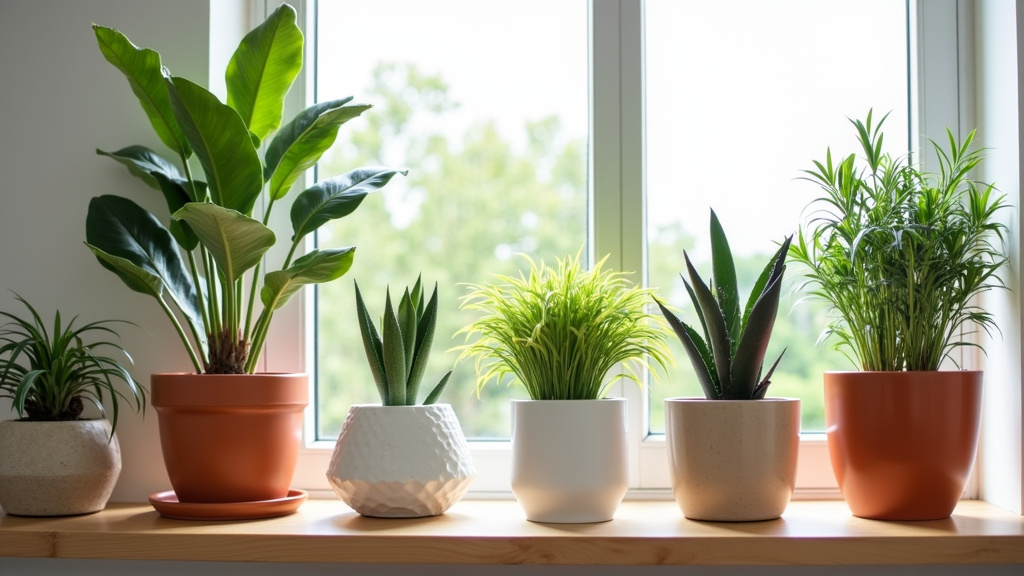
Other Materials to Consider
Beyond the big three, several other materials can house your indoor plants. Each has its own unique properties.
Metal Pots
Metal planters can add a modern or industrial touch. However, they have significant drawbacks. Metal heats up and cools down rapidly. This can cause temperature stress for plant roots. They also offer very little breathability.
If you love the look, ensure the metal pot has a plastic liner or is used as a cachepot (a decorative pot placed over a nursery pot with drainage). This protects the roots from extreme temperatures and moisture buildup.
Concrete Pots
Concrete planters are very durable and offer a modern, minimalist look. They are heavy and generally do not breathe well. Like terracotta, they can also leach minerals, potentially affecting soil pH over time, though this is usually a minor concern (NCBI).
Their weight makes them best for larger plants that don’t need frequent repotting. Ensure they have good drainage holes.
Wooden Planters
Wooden planters offer a natural, rustic charm. Wood can be a good insulator, keeping roots at a more stable temperature. However, wood can rot over time, especially if it’s not treated.
Ensure the wood is treated for outdoor use or line the planter to prolong its life. Drainage is also crucial, as water can pool in the wood.
Self-Watering Planters
These aren’t made of a single material but are a system. They typically consist of a reservoir at the bottom and a wicking system that draws water up to the soil as needed. Many are made of plastic, but you can find ceramic and other variations.
They are fantastic for travelers or those who tend to forget to water. They provide a consistent moisture level. However, they can also lead to overwatering if the wicking system is too efficient or the plant doesn’t need that much water.
Key Factors When Choosing Your Planter Material
When you’re deciding, think about these core elements:
- Drainage: Does the pot have at least one drainage hole? This is non-negotiable for most plants.
- Breathability: Does the material allow air to reach the roots? This is vital for preventing root rot.
- Water Retention: How well does the material hold moisture? Match this to your plant’s needs.
- Aesthetics: Does the pot fit your home decor?
- Maintenance: How much effort will it take to care for the pot and the plant?
Consider your plant’s specific needs first. A cactus needs a breathable pot like terracotta. A fern might do better in a moisture-retaining ceramic or plastic pot.
Your Indoor Plant Planter Checklist
Before you bring home a new pot, run through this quick checklist:
- Does it have drainage holes?
- Is the material suitable for my plant’s watering needs?
- Is it the right size for my plant (not too big, not too small)?
- Does it fit the aesthetic of my space?
- Is it easy to clean and maintain?
- Will it be too heavy once filled with soil and the plant?
Making the right choice ensures your plant has the best chance to flourish. Happy planting!
Conclusion
You’ve learned that the perfect planter material isn’t one-size-fits-all. Terracotta excels for dry-loving plants due to its breathability. Ceramic offers beauty and holds moisture, ideal for thirsty plants, provided drainage is key. Plastic is a practical, budget-friendly choice for consistent moisture retention. Remember to always check for drainage holes and match the material to your plant’s watering needs and your lifestyle.
Your next step is to assess your current plant collection and their watering habits. Then, choose the planter material that best supports their growth. Happy planting!
Frequently Asked Questions
Do I really need drainage holes in my pots?
Yes, drainage holes are essential for almost all indoor plants. They allow excess water to escape, preventing the soil from becoming waterlogged. This is crucial for preventing root rot and keeping your plants healthy.
Can I use any pot if it has a drainage hole?
While a drainage hole is critical, the material still matters. Breathable materials like terracotta are better for plants that prefer to dry out. Moisture-retentive materials like plastic or glazed ceramic are better for plants that like consistently damp soil, but require careful watering.
Will metal planters be too hot for my plants?
Metal planters can indeed get very hot or cold, which can stress your plant’s roots. If you love the look of metal, it’s best to use it as a cachepot. Place a nursery pot with drainage inside the metal container to protect the roots.
Are self-watering planters good for all plants?
Self-watering planters are excellent for providing consistent moisture, which benefits many plants. However, they may not be ideal for succulents or cacti that need their soil to dry out completely between waterings. Overwatering is still possible if the wicking system is too active for the plant.
How often should I water plants in terracotta pots?
Plants in terracotta pots typically need watering more often than those in plastic or glazed ceramic. Because terracotta is porous, water evaporates through the sides. You’ll want to check the soil moisture frequently and water when the top inch or two feels dry.
