
What Is a Quantum Board Grow Light?
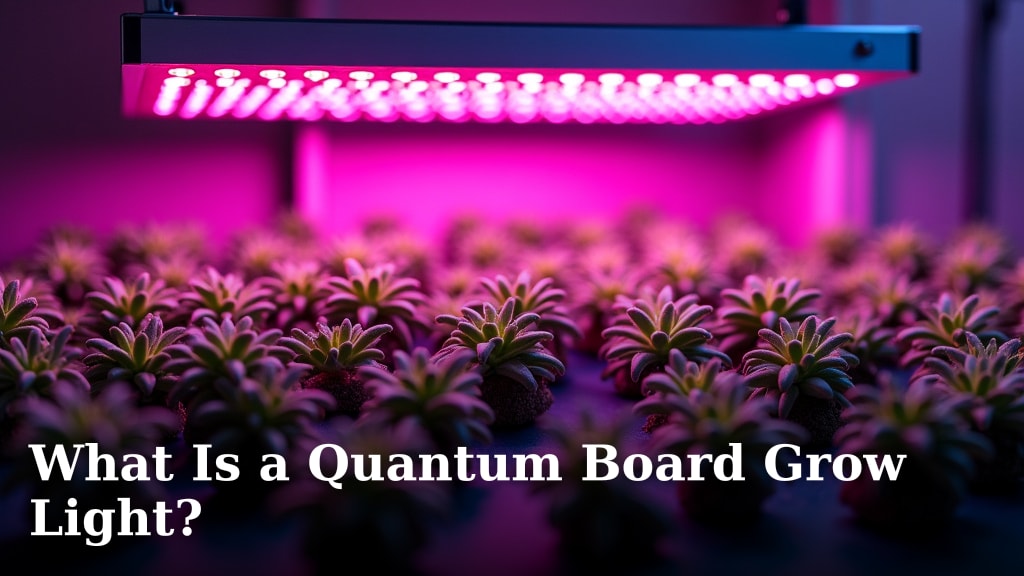
A quantum board grow light is a type of LED light designed to give your plants the full spectrum light they need to grow healthy and strong, mimicking natural sunlight. It uses a series of smaller LED chips spread across a flat board, offering a more even light distribution than older grow lights. Think of it as a high-tech, efficient way to give your indoor garden a sunshine boost.
Many growers are switching to quantum boards because they offer impressive results with better energy efficiency and lower heat output compared to traditional lighting methods. This means happier plants and potentially lower electricity bills for you. They are becoming a popular choice for both hobbyist growers and commercial operations looking for reliable plant growth.
- Quantum board grow lights provide full-spectrum light for plant growth.
- They are more energy-efficient and produce less heat than older lights.
- Even light distribution helps plants grow uniformly.
- They are popular for both home growers and commercial operations.
Let’s walk through exactly what makes these lights so special and how they can benefit your grow setup.
Understanding Quantum Board Grow Lights
So, you’re curious about quantum board grow lights and what makes them stand out? You’ve come to the right place. These lights are essentially a modern take on LED grow lights. They use a flat board with many small LED chips. This design is a big shift from older grow lights. Those often had a few powerful LEDs in one spot. Quantum boards spread the light out more evenly. This is great news for your plants. Our guide can help you choose the right grow light for your plants.
Think of it like this: Imagine trying to water a garden with one super-strong hose nozzle. The plants directly under it would get drowned, while those on the edges get nothing. A quantum board is more like a gentle sprinkler system. It covers more area with a consistent, softer spray. This even distribution means your plants get the light they need everywhere. They won’t have as many hot spots or dark corners in your grow space. This can lead to healthier, more uniform growth.
The Science Behind the Spread: How Quantum Boards Work
The “quantum” in quantum board refers to the small size of the individual LED chips. These are often Samsung or Osram diodes, known for their quality and efficiency. Instead of one or two large chips, a quantum board uses dozens or even hundreds of these tiny diodes. They are arranged in a grid across a metal-core printed circuit board (MCPCB).
This MCPCB isn’t just for holding the LEDs. It’s also a heat sink. It helps pull heat away from the diodes. Cooler LEDs last longer and perform better. The board itself is usually quite thin and flat, which also helps with heat dissipation. This design allows for a larger surface area for light emission. That larger area naturally spreads the light more widely and evenly.
We found that this design approach is key to their popularity. It directly addresses a common problem with older LED grow lights: uneven light intensity. Too much light in one spot can cause light burn. Too little light means slower growth. Quantum boards aim for that sweet spot across the entire plant canopy.
Full Spectrum Light: What Your Plants Really Crave
One of the biggest advantages of quantum boards is their ability to provide full-spectrum light. Plants, just like us, need a balanced diet. For plants, that diet comes in the form of light. Natural sunlight contains all the colors of the rainbow, and plants use different colors for different growth stages.
The red and blue parts of the spectrum are most critical for photosynthesis. However, other colors, like green and even some UV and infrared, also play important roles. They can affect plant structure, flowering, and even pest resistance. Older grow lights often focused heavily on just red and blue. This could lead to plants that were tall but maybe not as robust.
Quantum boards typically use diodes that emit a broad range of wavelengths. This means they provide light that closely mimics the sun’s output. You’ll often see “white” or “sunlight” spectrum designations. This white light is actually a mix of many different wavelengths. Many growers report that their plants look more natural and healthy under these lights. They also found that vegetative growth and flowering stages both benefit from this balanced light nutrition.
Why Choose a Quantum Board Over Other Grow Lights?
If you’re setting up an indoor grow, you have many lighting options. You might have seen traditional HID (High-Intensity Discharge) lights like HPS (High-Pressure Sodium) or MH (Metal Halide). You might also be familiar with older COB (Chip-On-Board) LEDs or even fluorescent lights. So, what makes quantum boards a strong contender?
Energy Efficiency: More Light, Less Power
Let’s talk about your wallet and the planet. Quantum boards are remarkably energy-efficient. They use less electricity to produce the same amount of usable light for your plants compared to many older technologies. This means you can get excellent results without seeing your electricity bill skyrocket.
For example, a 100-watt quantum board can often outperform a 200-watt HPS light in terms of photosynthetic photon flux density (PPFD), which is a measure of usable light for plants. We found that this efficiency is a major draw for growers, especially those with multiple plants or larger grow tents. Over time, the energy savings can add up significantly. This makes them a cost-effective choice for serious growers.
Lower Heat Output: Cooler Plants, Safer Environment
Heat is a major factor in any grow room. Too much heat can stress your plants, leading to slower growth, wilting, and even nutrient deficiencies. Traditional grow lights, especially HPS and MH, generate a lot of heat. This often requires extensive ventilation systems, dehumidifiers, and extra cooling. It’s like trying to grow a delicate orchid in a sauna!
Quantum boards, due to their efficient design and effective heat sinks, produce much less waste heat. While they do get warm, they don’t typically radiate intense heat downwards like a single-point bulb. This makes controlling the environment in your grow space much easier. You can often get away with a less powerful exhaust fan and simpler cooling setup. This translates to a more stable and forgiving environment for your plants.
Better Light Distribution: Even Coverage for Every Plant
We touched on this earlier, but it’s worth reinforcing. The distributed nature of quantum boards provides superior light coverage. Imagine a large plant with many layers of leaves. Older lights might blast the top leaves with intense light, leaving the lower ones in the dark. A quantum board’s wider spread ensures that light penetrates the canopy more effectively.
This leads to more uniform growth from top to bottom. You’ll likely see fewer tall, spindly plants with sparse lower growth. Instead, you can expect denser, more compact plants with buds or foliage developing evenly throughout. This even distribution also means you don’t have to worry as much about rotating your plants or constantly adjusting the light height. They provide a consistent light environment.
Longevity and Durability
The individual LED chips used in quantum boards are designed for a long lifespan. Many manufacturers claim 50,000 hours or more of operational life. This is significantly longer than the lifespan of HID bulbs, which typically need replacing every 6-18 months. This longevity means fewer replacements and less hassle for you. You invest in a good quantum board, and it can serve your grow operation for many years.
The solid-state nature of LEDs also means they are less prone to damage from vibration or rough handling compared to glass bulbs. While you still need to handle them with care, they are generally quite robust.
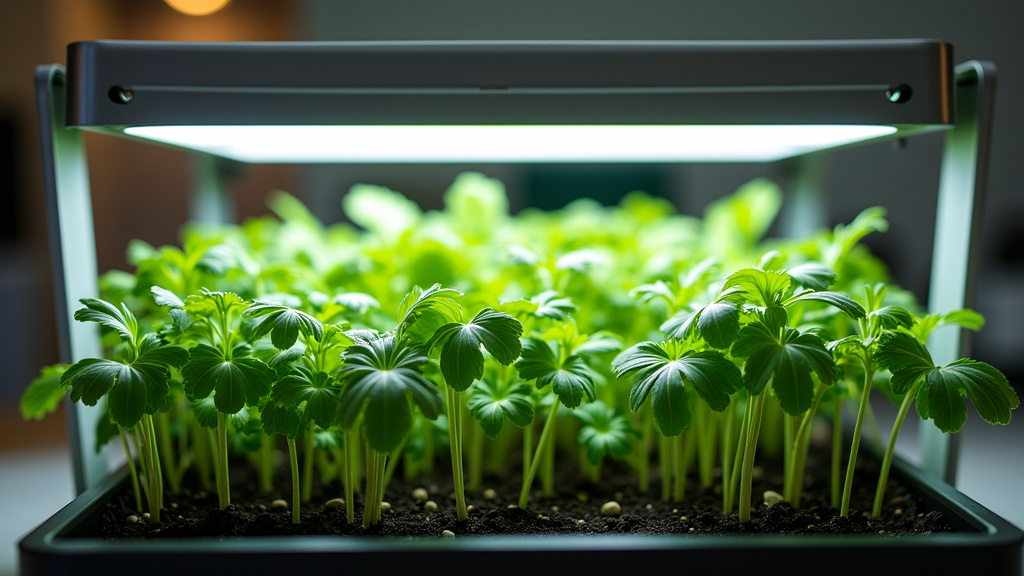
Key Features to Look For in a Quantum Board
When you start shopping for quantum boards, you’ll notice a wide range of options. It can be a bit overwhelming. Here are some things we found are important to consider:
Board Size and Wattage
Quantum boards come in various sizes and wattages. The size of your grow space will dictate the overall wattage you need. A small tent might only require a 100-watt or 200-watt board. A larger grow room might need multiple boards or a higher-powered unit. Learn what size grow light you need for your grow tent.
Wattage is a good initial indicator of a light’s power, but it’s not the only factor. Always look at other specifications like PPFD and efficiency (measured in µmol/J). A 300-watt quantum board might be perfect for a 2×2 foot flowering space, for example. We found that matching the light to your specific grow area is essential for optimal results.
Diode Brand and Quality
Not all LEDs are created equal. We recommend looking for boards that use reputable diode brands like Samsung (especially their LM301B or LM301H diodes) or Osram. These brands are known for their high efficiency and quality spectrum output. Cheaper, unbranded diodes may not perform as well or last as long.
The specific type of diode matters too. Some boards use diodes optimized for efficiency, while others might prioritize a specific spectrum. For a true full-spectrum experience, look for boards with a mix of diodes, often including some with warmer color temperatures (like 3000K or 3500K) and perhaps even some red (660nm) or far-red (730nm) diodes for advanced flowering enhancement.
Driver and Dimming Capabilities
The driver is the power supply for the LEDs. Reputable quantum boards use high-quality drivers from brands like Mean Well. These drivers are more efficient and reliable. Many quantum boards also come with a dimmer. This is a fantastic feature because it allows you to adjust the light intensity as your plants grow or as you move through different growth stages.
For seedlings and young plants, you’ll want lower light intensity. As they mature and enter flowering, you’ll want to ramp it up. A dimmer gives you that control without needing to move the light constantly. We found dimmable lights offer much more flexibility.
Heat Management and Build Quality
While quantum boards are designed for better heat management, the quality of the heatsink still matters. Look for boards with substantial aluminum heatsinks. The overall build quality, including the wiring and mounting hardware, should also feel solid and well-made. A well-built board will last longer and perform more reliably.
A simple checklist to help you compare options:
- Does it use reputable diodes (e.g., Samsung LM301B/H)?
- Is the wattage appropriate for your grow space?
- Does it offer a full-spectrum output (e.g., white light with good red/blue balance)?
- Does it have a reliable driver (e.g., Mean Well)?
- Is there a dimmer included for intensity control?
- Is the heatsink substantial enough to manage heat effectively?
By considering these factors, you can make a more informed decision. You’ll be well on your way to providing your plants with the superior lighting they deserve.
Conclusion
You’ve learned that quantum board grow lights offer a superior way to illuminate your indoor garden. They provide full-spectrum light, excellent energy efficiency, and less heat than older lighting options. Their design ensures even light distribution, leading to healthier, more uniform plant growth from top to bottom. By understanding key features like diode quality and dimming capabilities, you can choose the best board for your needs. It’s time to invest in a quantum board and see your plants thrive like never before.
Frequently Asked Questions
Are quantum boards better than traditional HPS lights?
Yes, quantum boards are generally considered better due to their superior energy efficiency and much lower heat output. While HPS lights are powerful, they consume more electricity and require more robust ventilation systems. Quantum boards provide more usable light for plants with less energy waste.
Do I need a dimmer for my quantum board?
While not strictly mandatory, a dimmer is highly recommended. It allows you to adjust light intensity for different growth stages, from delicate seedlings to flowering plants. This control prevents light stress and optimizes growth, making it a very flexible feature.
How far away should I hang my quantum board?
The ideal hanging height varies by wattage and the specific board’s design. Generally, you’ll want to hang them close enough to provide strong light intensity without causing heat stress or light burn. Always check the manufacturer’s recommendations, and be prepared to adjust based on your plants’ response.
Can quantum boards be used for the entire plant life cycle?
Absolutely! Quantum boards are designed to provide a full spectrum of light that mimics natural sunlight. This balanced spectrum supports all stages of plant growth, from vegetative growth to abundant flowering, making them a versatile choice for your entire crop cycle.
How many quantum boards do I need for my grow tent?
The number of boards you need depends on the size of your grow tent and the plants you’re growing. For smaller tents (e.g., 2×2 ft), one moderate-wattage board might suffice. For larger tents, you’ll likely need multiple boards or a single, higher-wattage unit to ensure adequate coverage and intensity for all your plants.
