
How to Control Humidity in a Grow Tent?
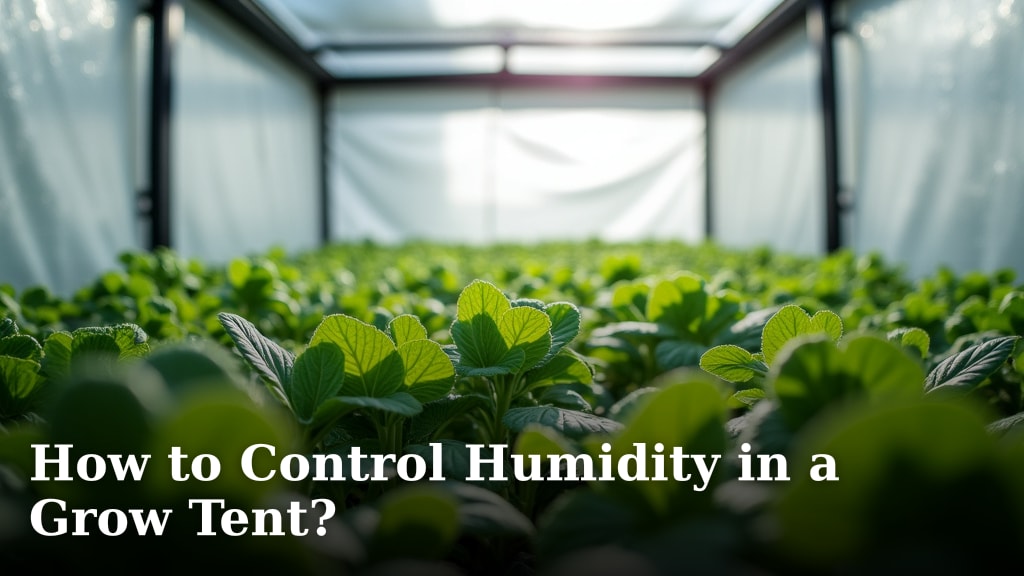
Managing Moisture Levels Inside Your Grow Space
Controlling humidity in your grow tent is about creating the perfect water vapor balance for your plants’ health. Too much moisture, and you invite mold. Too little, and plants wilt. The goal is finding that sweet spot where your plants can thrive, absorbing nutrients effectively through their leaves and roots.
Why Humidity Control Is Non-Negotiable for Healthy Plants
Humidity isn’t just comfort; it’s a critical factor in plant respiration and growth. The air’s moisture content directly affects how your plants release water vapor through their leaves, a process called transpiration. When humidity is balanced, plants can cool themselves and pull nutrients from the soil efficiently.
If humidity is too high, the air is already saturated, so plants can’t transpire properly. This stalls nutrient uptake and can lead to calcium or magnesium deficiencies. High moisture is also a welcome mat for fungal diseases like powdery mildew.
The Ideal Humidity Levels for Different Growth Stages
Plants have different moisture needs as they mature. Think of it like a child’s needs changing from toddlerhood to adulthood. Providing the right environment at each stage sets you up for success.
- Seedlings and Clones: They have weak roots and lose water easily. High humidity, around 65-80%, keeps them from drying out (University of Minnesota Extension).
- Vegging Plants: As roots develop, you can lower humidity to 40-70%. They’re actively growing leaves and can handle more transpiration.
- Flowering Plants: This is the most sensitive stage. You need lower humidity, 40-50%, to prevent bud rot and mold in dense flowers.
The Hidden Dangers of Imbalanced Humidity
Beyond mold, the wrong humidity impacts your yield. High humidity forces plants to close their stomata, halting photosynthesis. Low humidity causes excessive water loss, leading to leaf curling and crispy tips. It’s a delicate balancing act you need to monitor closely.
Measuring Humidity: Your First Step to Control
You can’t fix what you can’t measure. Fortunately, getting an accurate reading is simple and affordable. You need the right tool placed in the right spot.
Choosing the Right Hygrometer
A hygrometer measures relative humidity (RH%). Many digital models also show temperature. Look for one with a probe for accuracy and a memory function to track highs and lows. Avoid cheap analog dials; digital sensors are more reliable.
Placement Is Everything
Don’t just hang your hygrometer anywhere. It should be at canopy level, where your plants are. Avoid placing it directly under a light or vent, as that gives a skewed reading. The sensor needs to sample the air your plants actually breathe.
Proven Methods to Lower Humidity in Your Grow Tent
When humidity creeps up, especially during flowering, you have several effective tools. Start with ventilation and add other methods as needed.
Ventilation: Your Primary Defense
Exchanging the humid inside air with drier outside air is the most effective method. Use an inline exhaust fan with a carbon filter. The fan pulls humid air out, and fresh air enters through passive intake vents. A fan rated for your tent size ensures enough air exchanges per hour.
Dehumidifiers for a Hands-Off Solution
In very humid climates or sealed grow spaces, a dehumidifier is a game-changer. It’s a device that actively pulls moisture from the air. Choose one sized for your tent’s volume. Many growers run a dehumidifier during the dark period when humidity naturally spikes.
Air Conditioning for Temperature and Humidity
An AC unit does double duty: it cools and dehumidifies. Cool air holds less moisture. This is a powerful solution for large or enclosed setups. However, it uses more energy and may be overkill for a small tent.
Strategies to Increase Humidity When the Air Is Too Dry
Dry air is a common issue in winter or with excessive exhaust. You need to add moisture back into the environment gently.
Simple Evaporation Techniques
The easiest way is to let water evaporate naturally. Place a few open trays of water inside the tent near the intake vent. As the dry air passes over, it picks up moisture. You can also hang a damp towel. For a bit more power, use a simple ultrasonic humidifier.
Using a Humidifier Safely
If you use a humidifier, clean it regularly with vinegar to prevent mineral buildup and bacterial growth. Always use distilled or reverse osmosis water to avoid blowing white dust (minerals) onto your plants. Place it so the mist is evenly distributed by your fans.
Advanced Control: The Power of Environment Controllers
For the grower who wants precision and automation, an environment controller is the ultimate tool. These devices monitor temperature and humidity in real-time. They automatically turn your humidifier, dehumidifier, fans, or AC on and off to maintain your set point.
This “set and forget” approach removes guesswork. You can dial in exact humidity levels for each growth stage. While they are an investment, they provide consistency that can improve quality and yield.
Common Mistakes to Avoid When Adjusting Humidity
Even with the right tools, you can sabotage your efforts. Here are pitfalls to watch for.
- Ignoring Temperature: Humidity and temperature are linked. Hot air holds more moisture, so as temps drop at night, humidity rises. Always consider both factors.
- Over-Ventilating: Cranking your exhaust fan to max might drop humidity, but it can also pull too much CO2 from the tent. Find a balanced fan speed.
- Forgetting to Water Properly: Overwatering your plants increases transpiration, which raises humidity. Let the top layer of your medium dry out between waterings.
Your Quick-Reference Humidity Checklist
Use this list to stay on top of your grow tent’s moisture levels. Consistency is key to avoiding plant stress and disease.
- Measure daily with a reliable hygrometer placed at canopy level.
- Track your highs and lows to spot trends, especially during light/dark cycles.
- Increase air movement with small oscillating fans to prevent damp, stagnant pockets.
- Adjust ventilation first before adding a dehumidifier or humidifier.
- Clean and maintain any humidifiers or dehumidifiers to prevent mold in the device itself.
- Monitor plant response for signs like leaf curling, wilting, or fungus.
The Role of Plants in Humidity Dynamics
Remember, your plants are part of the equation. Through transpiration, they add moisture to the air. A dense canopy of large leaves will increase humidity more than a few small plants. As you learn your plants’ rhythm, you can better anticipate humidity shifts.
Key Takeaways for Perfect Humidity Balance
Mastering humidity in your grow tent means understanding its relationship with temperature and plant growth stages. You must measure accurately and have the right tools ready. Whether you need to lower moisture for dense flowers or raise it for delicate clones, the methods are straightforward.
Start with proper ventilation and air circulation. Then, add a humidifier or dehumidifier to fine-tune the environment. With careful monitoring and these proven strategies, you can create a stable, healthy atmosphere that helps your plants reach their full potential. Many successful growers say that watching the hygrometer is just as important as watching the clock.
Conclusion
You now have the tools and knowledge to master humidity control in your grow tent. Remember, success comes from measuring accurately with a hygrometer, matching humidity to each growth stage, and using methods like ventilation or dehumidifiers as needed. Avoid common mistakes like ignoring temperature or over-ventilating. Your plants depend on you to create a balanced environment. Today, grab a hygrometer, place it at canopy level, and check your humidity. With consistent monitoring and these strategies, you can help your plants reach their full potential and avoid issues like mold or wilting.
Frequently Asked Questions
How often should I check the humidity in my grow tent?
You should check humidity at least once a day, ideally in the morning and evening. This helps you track fluctuations and make timely adjustments. Consistent monitoring prevents sudden issues like mold or plant stress, ensuring your plants stay healthy.
Can I use a regular household dehumidifier in my grow tent?
Yes, but ensure it’s appropriately sized for your tent’s volume. Some household models may not be efficient enough for high-humidity environments. Research and found that using a dehumidifier designed for grow spaces often provides better control and energy efficiency.
What happens if my humidity is too low during the flowering stage?
Low humidity can cause plants to lose water too quickly, leading to leaf curling and dry tips. During flowering, it may also reduce bud development. You can increase humidity by adding a humidifier or using simple evaporation techniques like water trays.
How do I balance humidity and temperature in my grow tent?
Humidity and temperature are closely linked, as hot air holds more moisture. To balance them, adjust your ventilation and use tools like AC or heaters. Research and found that maintaining a stable temperature range helps keep humidity levels consistent.
Are there any natural ways to increase humidity without a humidifier?
Yes, you can place open trays of water inside the tent or hang a damp towel. These methods allow water to evaporate naturally, adding moisture to the air. They are simple and cost-effective for small adjustments.
