
How Much Does a Beginner Indoor Gardening Starter Kit Cost?
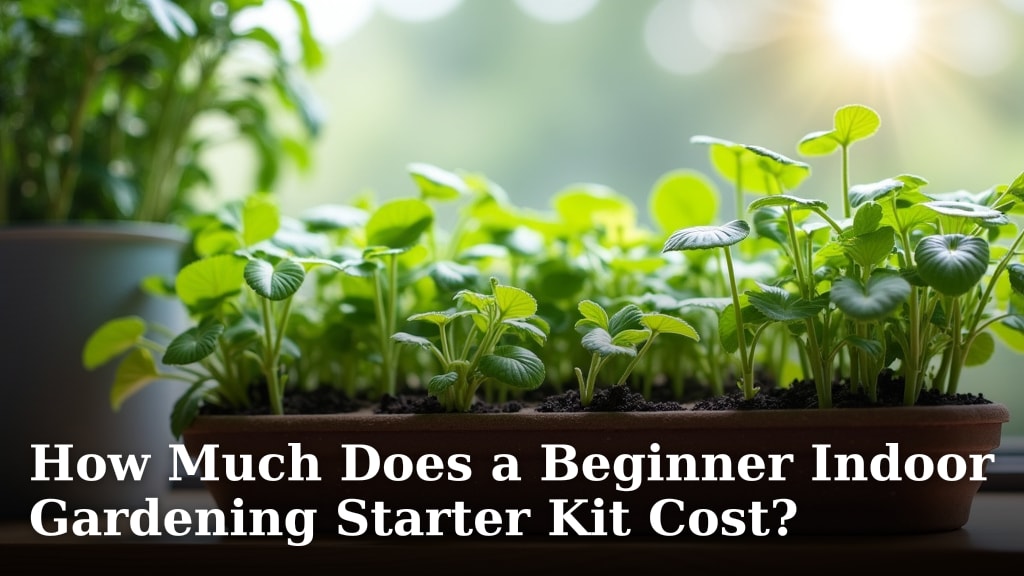
You can expect a beginner indoor gardening starter kit to cost anywhere from $30 to $150, depending on what it includes and how fancy you want to get. We found that most basic kits fall in the $50-$100 range.
The price really depends on whether you’re looking for just seeds and soil, or if you want a complete setup with grow lights and a self-watering system. Are you aiming for a simple herb garden or something more substantial? We researched and found many options for every budget.
- Basic kits without lights generally cost $30-$75.
- Kits with simple grow lights range from $75-$150.
- Factors like plant variety and pot quality affect the price.
- It’s easy to find something that fits your wallet.
Let’s walk through what typically comes in these kits and help you decide which one is right for your green thumb journey, without breaking the bank.
Breaking Down Beginner Indoor Gardening Kit Costs
Understanding the cost of a beginner indoor gardening kit means looking at what you get. These kits come in all shapes and sizes, from very simple to quite comprehensive. We found that the price often reflects the number of items included, especially whether a grow light is part of the package.
You’re essentially paying for convenience and a curated collection of items designed to get you started quickly. Think of it as buying a ready-made toolbox for your new gardening hobby.
What’s in a Basic Indoor Gardening Kit?
Most basic kits focus on the essentials for starting seeds. They usually include pots, soil, and seeds. Sometimes, you’ll find a few extra tools to make things easier for you.
These kits are great if you have a sunny spot already, like a south-facing window, and don’t need artificial lighting. They keep things simple and are a good entry point.
Seeds and Growing Mediums
Every kit starts with seeds. Common choices for beginners include herbs like basil, mint, and cilantro, or easy-to-grow vegetables such as lettuce and radishes. Some kits offer a wider variety, letting you try out different plants.
The “growing medium” is usually potting mix or peat pellets. Potting mix is a soil-less mixture designed for container growth, providing good drainage and nutrients. Peat pellets expand when wet, offering a convenient, mess-free starting point for seeds (University of Illinois Extension).
Pots and Containers
You’ll find various types of containers in these kits. Small plastic pots or biodegradable peat pots are common. Sometimes, you’ll get a tray to hold multiple pots, making it easier to move them around.
The quality and material of the pots can influence the kit’s price. Thicker plastic or ceramic containers will cost more than thin, disposable options.
Mid-Range Kits: Adding the Light Factor
Once you step up from the most basic kits, you’ll often see the addition of grow lights. This is a game-changer for indoor gardening, especially if you don’t have abundant natural light in your home. Grow lights provide the necessary spectrum of light for plants to thrive, mimicking the sun.
These kits typically fall into the $75-$150 range. The type and strength of the grow light are big factors in the overall cost.
Types of Grow Lights Included
Most beginner kits use LED (Light Emitting Diode) grow lights. LEDs are energy-efficient and produce less heat, which is good for your plants and your electricity bill. You might find strip lights, panel lights, or even small clip-on lights.
Some kits might have full-spectrum lights, which are ideal for all stages of plant growth. Others might offer lights optimized for specific stages, though this is less common in beginner kits.
Self-Watering Systems and Accessories
Beyond lights, mid-range kits often include features for easier plant care. Self-watering systems, like wicking mats or reservoirs, reduce how often you need to water your plants. This is super helpful for busy gardeners.
You might also find basic tools like small spades, snips, or plant markers. These additions improve the overall experience and convenience, but they do add to the price.
Cost Breakdown: What You’re Paying For
It’s helpful to see where your money goes when buying an indoor gardening starter kit. The components vary, and so do their individual costs. Here’s a general idea of how different parts contribute to the total price:
| Component | Typical Cost Range (Individual) | Impact on Kit Price |
|---|---|---|
| Seeds (1-5 packets) | $5 – $20 | Low to Moderate |
| Potting Mix / Peat Pellets | $5 – $15 | Low |
| Pots / Containers (4-12 small) | $10 – $30 | Low to Moderate |
| Basic Grow Light (LED) | $30 – $70 | High |
| Self-Watering System | $20 – $50 | Moderate to High |
| Tools (mini spade, snips) | $5 – $15 | Low |
| Humidity Dome / Tray | $10 – $25 | Low to Moderate |
As you can see, the grow light often makes up the largest portion of the kit’s cost. This is why kits without lights are significantly cheaper.
Factors Influencing the Price Tag
Why do some kits cost $30 and others $150, even if they seem similar? Several factors play a role in the final price. Knowing these can help you make a smart choice for your budget.
Brand Reputation and Quality
Just like with anything else, well-known brands often charge more for their kits. They might offer higher quality materials, better customer support, or more extensive instructions. However, many smaller brands also offer excellent value.
We found that some lesser-known brands provide very comparable products at a lower price point. It’s often worth reading reviews to find these gems.
Number and Variety of Plants
A kit that includes seeds for six different types of herbs will likely cost more than one with just basil and parsley. The diversity of plant options adds to the value and, therefore, the price.
Some kits also specialize in unique or harder-to-find plant varieties, which can drive up the cost per seed packet. Think about what you actually want to grow.
Overall Kit Design and Aesthetics
Beyond functionality, some kits focus on design. If you’re looking for something that blends beautifully with your home decor, you might pay a premium. Kits with sleek designs, premium finishes, or sustainable materials often come with a higher price tag.
For example, a kit with a wooden stand or a ceramic planter will generally cost more than one with basic plastic components. Do you need it to look good, or just to grow plants?
Making Your Choice: A Checklist
Before you commit to a kit, take a moment to consider what truly matters for your indoor gardening journey. This quick checklist can help you narrow down your options and ensure you get the best value.
- What is your budget? (Be realistic!)
- How much natural light does your chosen spot receive?
- What types of plants do you want to grow? (Herbs, veggies, flowers?)
- Do you prefer a hands-on or a more automated setup?
- How important is aesthetics and design to you?
- Do you need basic tools or already have some?
Answering these questions will guide you toward a kit that fits your needs perfectly, preventing you from overspending on features you don’t need or underspending on necessities.
Beyond the Kit: Hidden or Future Costs
While a starter kit gets you going, remember that gardening is an ongoing process. There can be small additional costs down the line that aren’t included in your initial purchase.
Nutrients and Fertilizers
Your potting mix will have some nutrients, but eventually, your plants will need more. You might need to buy liquid or granular fertilizers to keep them healthy, especially if you’re growing edible plants.
These usually aren’t expensive, perhaps $10-$20 for a bottle that will last many months. However, it’s something to keep in mind for future maintenance.
Replacement Seeds or Growing Medium
Once you harvest your first batch of plants, you might want to start fresh. This means buying new seeds and potentially more potting mix or peat pellets. Your kit’s initial supply won’t last forever.
Many gardeners enjoy trying new varieties, so factor in the fun of future seed purchases. A pack of seeds often costs just a few dollars.
Pest Control or Disease Treatment
Even indoor plants can sometimes encounter pests or diseases. While not a guaranteed cost, having some basic, organic pest control solutions on hand can be useful. Things like neem oil or insecticidal soap are common, affordable options.
Most beginner plants are fairly resilient, but it’s good to be prepared. We found that healthy plants, grown in good conditions, are less prone to problems (Oregon State University Extension).
Conclusion
Finding the perfect beginner indoor gardening starter kit doesn’t have to be overwhelming. You’ve seen that costs range from $30 to $150, mainly depending on whether a grow light is included. By asking yourself a few key questions about your space and plant goals, you can pinpoint exactly what you need. Don’t overspend on features you won’t use. Instead, invest in a kit that genuinely supports your green thumb journey. Start small, learn, and watch your indoor garden flourish!
Frequently Asked Questions
Is it cheaper to buy a kit or individual items for indoor gardening?
For beginners, buying a kit is often more cost-effective. Kits bundle essential items like seeds, soil, and pots at a lower price than purchasing them separately. As you gain experience, you might find it cheaper to buy individual components to customize your setup.
What is the most important item in an indoor gardening starter kit?
If you don’t have abundant natural light, a good quality grow light is arguably the most important item. It ensures your plants get the light they need to thrive. Otherwise, quality seeds and appropriate potting mix are crucial.
Can I reuse items from my indoor gardening starter kit?
Yes, many components can be reused. Pots, trays, and even some grow lights are durable. You will typically need to replace seeds and growing mediums like potting soil or peat pellets for each new planting cycle.
Are expensive indoor gardening kits always better?
Not necessarily. While higher-priced kits may offer better quality materials or advanced features like self-watering systems, a basic, affordable kit can be perfectly adequate for a beginner. It’s about matching the kit to your specific needs and budget.
How long do the supplies in a typical starter kit last?
Most beginner kits contain enough seeds and growing medium for one or two planting cycles. The pots and trays can last much longer, often for years with proper care. You will eventually need to replenish consumable items.
