
How to Grow Indoor Plants without a Green Thumb?
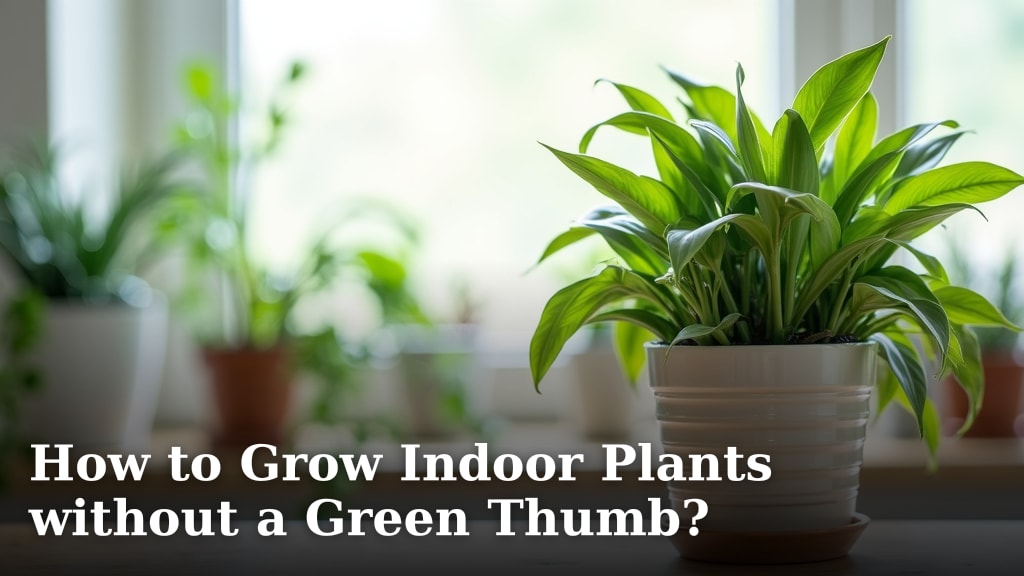
You absolutely can grow indoor plants even if you don’t have a green thumb. The secret lies in choosing the right plants and understanding a few basic care principles. Many common houseplants are surprisingly forgiving and thrive on minimal attention.
You might think successful indoor gardening requires magic, but it’s really about smart plant choices and a little patience. We found that most people struggle because they pick plants that are too demanding for their lifestyle. There are plenty of beautiful options that are easy to care for and don’t need constant fussing.
- Choose beginner-friendly plants.
- Understand basic light and water needs.
- Avoid overwatering (it’s a common mistake!).
- Don’t be afraid to try again if a plant struggles.
Let’s walk through how you can create a vibrant indoor oasis, even if you’re a complete beginner.
Cultivating Indoor Plants: No Green Thumb Needed
You absolutely can enjoy the beauty and benefits of indoor plants. It all starts with making smart choices and understanding a few simple principles.
Selecting Your First Plants Wisely
The biggest secret to indoor plant success for beginners? Start with easy-care varieties. Don’t set yourself up for frustration with a finicky plant. We found that choosing resilient plants dramatically increases your chances of success (University of Florida Extension).
Top Picks for Beginners
Many plants thrive on neglect. They forgive forgotten waterings and don’t demand perfect conditions. These are your friends when you’re just starting out.
- Snake Plant (Sansevieria): These architectural beauties are practically indestructible. They tolerate low light and infrequent watering.
- ZZ Plant (Zamioculcas zamiifolia): Another champion of low maintenance. ZZ plants can go weeks without water and don’t mind dim rooms.
- Pothos (Epipremnum aureum): You’ll find these vining plants almost everywhere. They’re very forgiving and will even tell you when they need water by drooping.
- Spider Plant (Chlorophytum comosum): Easy to grow, produces “spiderettes” for propagation, and helps purify the air. Just avoid overwatering.
- Peace Lily (Spathiphyllum): These plants are dramatic. They’ll wilt when thirsty but perk right up after a good drink. They also produce beautiful white flowers.
We found that these plants offer a high success rate for new plant parents. They are forgiving and help build your confidence.
Understanding Basic Plant Needs
Every living thing needs certain conditions to thrive. Plants are no different. You don’t need to be a botanist, just understand the basics.
Light Requirements: Finding the Right Spot
Light is food for plants. Too little, and they starve. Too much, and they can burn. Most indoor plants prefer bright, indirect light.
- Bright, Indirect Light: This is light from a window that doesn’t shine directly on the plant. Think a few feet away from a south or west-facing window.
- Low Light: A north-facing window or a corner further into a room usually offers low light. Some plants, like Snake Plants, tolerate this well. Our guide on what plants are best for low-light apartments can help you find more options that thrive in dimmer conditions.
- Direct Light: This is unfiltered sunlight hitting the plant. Only a few indoor plants, like some cacti, truly enjoy this.
Observe your home. Where do you get good, consistent light without harsh sun? That’s often a great spot for your new green friend.
Watering Wisdom: The Art of Not Overwatering
Overwatering is the number one killer of houseplants, we found. It’s easy to do, especially when you’re trying to be a good plant parent. But plants don’t like “wet feet.”
Think about a sponge. You want it moist, not soaking wet. Most plants prefer their soil to dry out slightly between waterings.
- Feel the Soil: Stick your finger about an inch or two into the soil. If it feels dry, it’s time to water. If it’s still damp, wait a few more days.
- Lift the Pot: A dry pot will feel much lighter than a watered one. This takes a little practice but is very effective.
- Drainage is Key: Always choose pots with drainage holes. If water can’t escape, the roots will sit in soggy soil and rot.
When you do water, give it a good soak until water drains out the bottom. Then, empty any excess water from the saucer. This ensures the roots get a thorough drink.
Potting and Repotting Simplified
Your plant needs a comfortable home. The right pot and soil are essential for its well-being. Don’t underestimate their importance.
Choosing the Right Pot
We already mentioned drainage holes – they are non-negotiable. Beyond that, consider material and size.
- Material: Terracotta pots are porous and allow soil to dry out faster. Plastic pots retain moisture longer. Both are fine, just adjust your watering schedule.
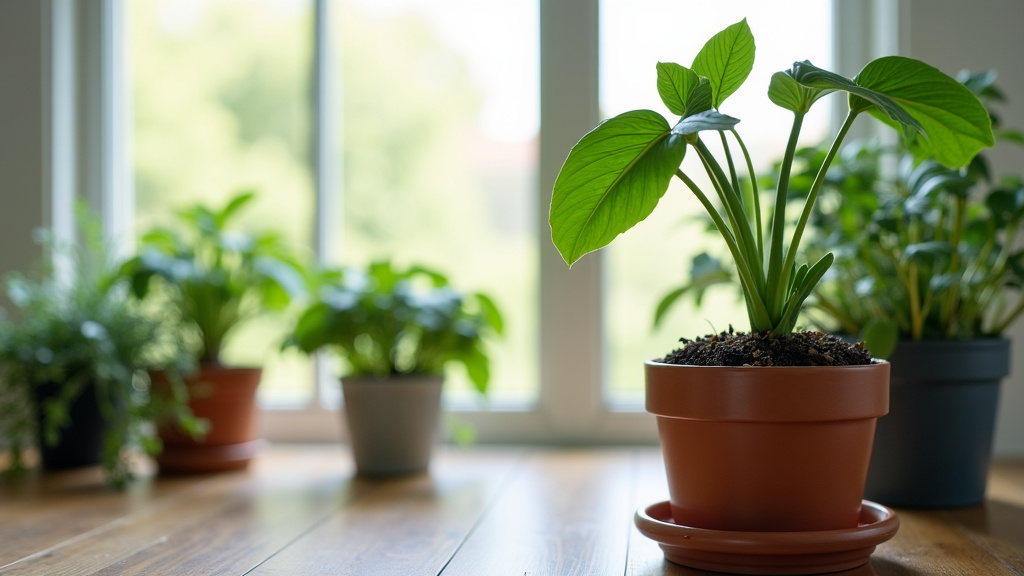
- Size: Don’t put a tiny plant in a huge pot. Too much soil holds excess moisture, which can lead to root rot. Choose a pot that’s only slightly larger than the plant’s root ball.
Think of it like buying shoes. You want a good fit, not something too big or too small.
The Scoop on Soil
Not all soil is created equal. For most houseplants, you’ll want a well-draining potting mix, not garden soil.
Potting mix is designed to provide aeration and proper drainage, which is crucial for potted plants. Garden soil compacts too much in a pot.
Feeding and Caring for Your Plants
Plants need nutrients, just like you do. But for beginners, less is often more when it comes to fertilizer.
Fertilizing: A Gentle Approach
Most beginners tend to over-fertilize, which can harm plants. For easy-care plants, you often don’t need to fertilize much at all, especially in their first year.
If you do fertilize, use a balanced liquid houseplant fertilizer diluted to half strength. Apply it only during the plant’s growing season (spring and summer), not in winter.
Think of fertilizer as a vitamin supplement, not a main meal. A little goes a long way.
Pest Patrol and Troubleshooting
Even easy plants can get pests. Don’t panic! It’s usually manageable.
Look for tiny bugs on leaves or sticky residue. Common pests include spider mites, mealybugs, and aphids. A simple solution of dish soap and water can often do the trick.
We found that early detection is key. Inspect your plants regularly. A quick wipe with a damp cloth can also help prevent dust buildup and keep leaves healthy.
Your Beginner’s Plant Care Checklist
Here’s a simple checklist to help you keep your indoor plants happy and healthy:
| Action | Frequency | Tip for Beginners |
|---|---|---|
| Check soil moisture | Every 5-7 days (adjust as needed) | Use your finger! Only water if the top inch or two is dry. |
| Rotate plant | Monthly | Helps ensure even light exposure and growth. |
| Wipe leaves | Monthly (or as needed) | Removes dust, allowing better light absorption. |
| Inspect for pests | Monthly | Catch problems early. Look under leaves too. |
| Fertilize (if needed) | Every 2-4 weeks during growing season | Use diluted liquid fertilizer. No need to fertilize in winter. |
| Ensure drainage | Always! | Never let your pot sit in standing water. |
Remember, your plants are living beings. They communicate their needs. Yellowing leaves, droopy stems, or brown tips are all signals. Pay attention, and you’ll learn to understand them.
You’ll quickly develop a rhythm and routine. Before you know it, you’ll have a thriving indoor garden and might even surprise yourself with your “green thumb.”
Conclusion
You now have everything you need to start your indoor plant journey, no “green thumb” required! We found that success really comes down to choosing the right plants and understanding a few simple principles like light and watering. Don’t be afraid to experiment and learn from your plants.
You’ll quickly gain confidence as your plants thrive under your care. Start with one or two of the easy-care varieties we discussed. Soon, you’ll have a vibrant, living space that brings you joy. Go ahead, pick out your first plant today!
Frequently Asked Questions
How do I know if I’m overwatering my plant?
Overwatering is a common mistake. If your plant’s leaves are yellowing or turning mushy, and the soil stays wet for a long time, you might be overwatering. Always check the soil moisture with your finger before watering again.
Can I use regular garden soil for my indoor plants?
No, we do not recommend using regular garden soil for indoor plants. Garden soil is too dense and can compact in pots, leading to poor drainage and root rot. Always use a well-draining potting mix specifically designed for houseplants.
What if my plant starts to look sad or droopy?
A sad or droopy plant is usually telling you something. It could be too much or too little water, insufficient light, or even a pest issue. Check the soil, move it to a different light spot, and inspect the leaves closely to diagnose the problem.
Do indoor plants really purify the air?
While plants do absorb carbon dioxide and release oxygen, their ability to significantly purify indoor air of toxins is often overstated in a typical home setting. You’d need a large number of plants to make a noticeable difference. However, they definitely contribute to a healthier, more pleasant environment.
How do I choose a pot with good drainage?
Always select pots that have at least one hole at the bottom. This allows excess water to escape, preventing the roots from sitting in soggy soil. If you love a decorative pot without holes, you can use it as a cachepot and keep your plant in a nursery pot with drainage inside it.
