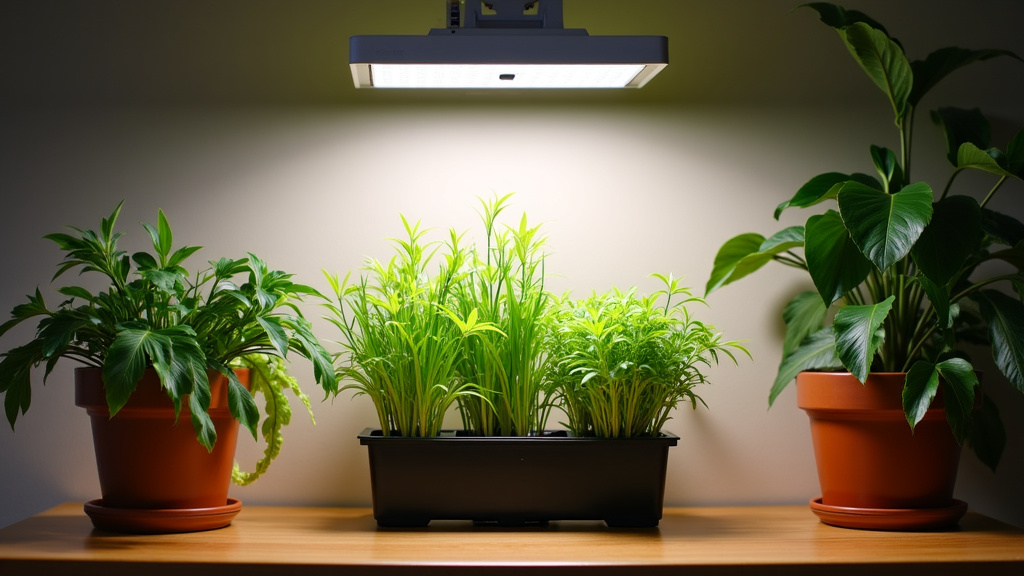
What Is the Best Grow Light for a Home Office?
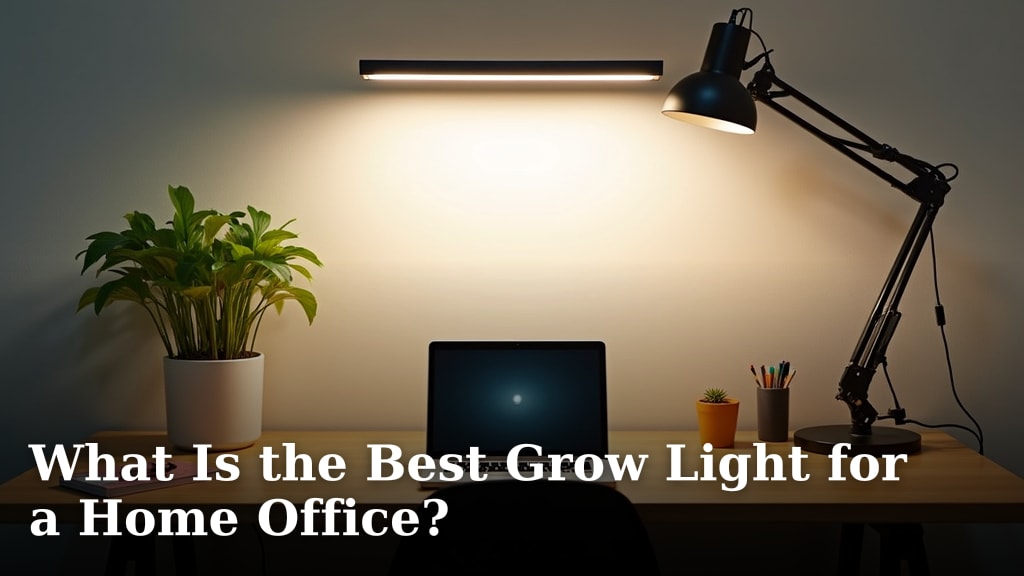
For most home offices, the best grow light is a compact, full-spectrum LED light with adjustable intensity. We found that these lights provide the optimal balance of light for your plants without overpowering your workspace.
You want a grow light that supports healthy plant growth while fitting seamlessly into your office décor. Consider factors like brightness, timer functions, and how it looks in your space. Is it for a single small succulent or a thriving indoor jungle?
- Full-spectrum LED lights are ideal.
- Look for adjustable brightness.
- Timers make plant care easy.
- Size and design matter for your office.
- Avoid overheating delicate plants.
Ready to bring more greenery into your workday? Let’s walk through how to pick the perfect grow light for your home office.
Choosing the Right Grow Light for Your Home Office
The “best” grow light really depends on your specific plants and office setup. We found that the sweet spot for most home offices is a full-spectrum LED grow light that offers adjustable brightness. This combination gives you flexibility and control.
Think about your plants first. Are they low-light lovers, or do they crave sunshine? How much space do you have? These questions will guide your choices.
Understanding Grow Light Basics
Before you buy, let’s break down some key terms. You’ll often see these terms when looking at grow lights.
What is “Full-Spectrum”?
Full-spectrum lights mimic natural sunlight. They provide a balance of red, blue, and green light. This is essential for healthy plant growth from seed to bloom (NASA).
Imagine sunlight. It’s not just one color, right? Full-spectrum lights try to replicate that natural spread. This helps your plants with photosynthesis.
Why LED Lights?
LED (Light Emitting Diode) grow lights are the top choice for home offices. We found they are energy-efficient and produce less heat than older types of grow lights. This means lower electricity bills and less risk of overheating your plants or office space.
They also have a longer lifespan. You won’t be replacing them very often. This makes them a smart, long-term investment for your plant babies.
Light Intensity: PAR and PPFD
You might see terms like PAR and PPFD. Don’t worry, you don’t need to be a scientist! PAR (Photosynthetically Active Radiation) is the type of light plants use for growth. PPFD (Photosynthetic Photon Flux Density) measures how much of that light actually hits your plants.
For a home office, you generally don’t need extremely high PPFD. Your plants aren’t growing crops for a farm. You want enough to keep them happy and healthy, not to stress them out with too much light.
Key Features to Look for in a Home Office Grow Light
When you’re browsing, keep these practical features in mind. They make a big difference in ease of use and how well the light fits into your life.
Adjustable Brightness and Dimming
This is a game-changer. Different plants have different light needs. A succulent might love intense light, while a fern prefers less. Adjustable brightness lets you customize the light for each plant or situation.
It also helps you manage the light in your office. Do you want a bright glow during the day, but a softer light in the evening? Dimming functions give you that control without needing to turn the light off completely.
Built-in Timers
A timer is your best friend. Plants need consistent light cycles. They can’t just be on whenever you remember to flip a switch. A built-in timer ensures your plants get their light at the same time every day, even when you’re busy or away (Purdue University Extension).
Many timers offer 3, 6, 9, or 12-hour settings. Choose the one that matches your plant’s needs. This feature brings peace of mind and happy plants.
Design and Aesthetics
Your home office is a personal space. You don’t want an ugly industrial light disrupting your décor. Many grow lights are designed to be sleek and attractive. Look for options that blend in with your furniture and style.
Some look like minimalist lamps. Others are subtle strips you can tuck under a shelf. Think about how it will look both on and off.
Mounting Options
How will you put the light up? Common options include clip-on lights, stand-alone lamps, or lights with flexible goosenecks. Consider your desk space and plant placement.
- Clip-on lights are great for shelves or the edge of a desk.
- Stand-alone lights work well for larger plants on the floor or a dedicated plant stand.
- Gooseneck lights offer excellent flexibility to aim the light exactly where you need it.
Different Types of Grow Lights for Office Use
Not all grow lights are created equal. Let’s look at the common types you’ll find for a home office environment.
Single-Head Gooseneck Lamps
These are super versatile. They usually have one light head on a flexible arm. They are perfect for spotlighting a single plant or a small group. You can adjust the height and angle easily.
They often come with a clamp or a weighted base. This makes them stable on your desk. We found these to be a popular choice for beginners.
Multi-Head Gooseneck Lamps
Have more than one plant? Multi-head lamps are your answer. They have two, three, or even four light heads, each on its own flexible gooseneck. This lets you illuminate several plants at once from a single base.
They offer great coverage for a small plant collection. They often feature adjustable brightness for each head, or for all of them together.
Strip Lights (Under-Cabinet or Shelf Lights)
If you have shelves above your plants, strip lights are fantastic. They are thin and discreet. You can attach them to the underside of a shelf to bathe the plants below in light. This is a very clean and integrated look.
They work well for multiple plants arranged in a row. They usually need to be installed, but it’s often a simple peel-and-stick process. These are great for a minimalist office.
Desk Lamp Style Grow Lights
Some grow lights look just like a regular desk lamp. They have a more traditional lamp aesthetic. This can be a great option if you want your plant light to double as ambient office lighting or blend in seamlessly.
Just make sure it’s a true full-spectrum grow light, not just a bright white desk lamp. The light quality matters for your plants.
Comparing Popular Grow Light Types
Here’s a quick comparison to help you visualize the differences. We’ve focused on what works best for a home office setting.
| Light Type | Best For | Key Benefits | Considerations |
|---|---|---|---|
| Single Gooseneck | 1-2 small plants | Targeted light, flexible | Limited coverage |
| Multi-Head Gooseneck | 2-4 medium plants | Covers multiple plants, flexible | Can look cluttered |
| Strip Light | Plants on shelves | Discreet, even coverage | Requires shelf, less flexible placement |
| Desk Lamp Style | 1-2 plants, aesthetic focus | Blends with office decor | Often less powerful for serious growers |
Placement and Distance: Getting It Just Right
Where you put your grow light matters as much as the light itself. Too close, and you could scorch your plants. Too far, and they won’t get enough light.
For most LED grow lights, a distance of 6 to 12 inches above your plants is a good starting point. Watch your plants for signs of stress. If leaves look bleached or crispy, move the light up a bit. If they’re stretching towards the light, move it closer.
Remember to adjust the height as your plants grow. A flexible gooseneck or adjustable stand makes this easy.
Your Home Office Grow Light Checklist
Use this quick list to make sure you’re getting the best grow light for your green companions and your workspace.
- Is it full-spectrum LED for healthy growth?
- Does it have adjustable brightness or dimming?
- Does it include a timer function (e.g., 3/6/9/12 hours)?
- Is the design office-friendly and aesthetically pleasing?
- Are the mounting options suitable for your space?
- Is the price within your budget for the features offered?