
How to Grow Indoor Plants for Cleaner Air?
To grow indoor plants for cleaner air, start by choosing species known for their air-purifying qualities, like snake plants or peace lilies. These plants naturally filter out common indoor toxins. Provide them with proper light and watering to maximize their air-cleaning benefits.
You might be wondering if plants really make a difference, right? Many studies, including research by NASA, confirm that houseplants can significantly reduce indoor air pollutants. They absorb harmful chemicals through their leaves and roots, improving your home’s overall air quality.
TL;DR: How to Grow Indoor Plants for Cleaner Air
- Pick the right plants (e.g., snake plants, peace lilies).
- Give your plants proper light and water.
- Understand plants filter toxins from your air.
- Enjoy a healthier indoor environment.
Ready to transform your indoor space? Let’s walk through everything you need to know about selecting, caring for, and maximizing the air-purifying power of your houseplants.
Cultivating Air-Purifying Indoor Plants
So, you’re ready to bring some green goodness indoors and clean up your air? Excellent! The journey begins with selecting the right plant partners. Not all plants are created equal when it comes to scrubbing your indoor atmosphere. We’ll guide you through choosing the best natural air filters.
Selecting Your Green Air Filters
Choosing plants isn’t just about aesthetics. For air purification, you want species known to absorb common indoor pollutants. Think about what chemicals might be lurking in your home. Things like paints, cleaning products, and even furniture can release harmful compounds into the air.
Top Plant Choices for Cleaner Air
Some plants are superstars at this job. We found that certain varieties are especially good at filtering toxins (NASA Clean Air Study). They work by taking in these pollutants through their leaves and then sending them to their roots, where microbes break them down.
- Snake Plant (Sansevieria trifasciata): This hardy plant is a champion at removing benzene, formaldehyde, trichloroethylene, and xylene. Plus, it’s super low-maintenance, even for beginners.
- Peace Lily (Spathiphyllum): Beyond its beautiful white blooms, the peace lily tackles ammonia, benzene, formaldehyde, and trichloroethylene. Just keep it away from pets, as it can be mildly toxic if ingested.
- Spider Plant (Chlorophytum comosum): Easy to grow and quick to produce “spiderettes,” this plant excels at removing formaldehyde and xylene. It’s also non-toxic to pets, which is a big bonus.
- Pothos (Epipremnum aureum): Known for its trailing vines, pothos is effective against formaldehyde, xylene, and benzene. It’s quite forgiving if you forget to water it occasionally.
- Aloe Vera (Aloe barbadensis miller): Famous for its medicinal gel, aloe vera also helps clear formaldehyde and benzene from the air. It’s a useful and decorative addition.
Understanding Common Indoor Pollutants
Ever wonder what exactly these plants are cleaning up? Indoor air can contain a mix of volatile organic compounds (VOCs). These come from everyday items and can impact your health. Knowing your enemies helps you appreciate your green allies even more.
The “Bad Guys” Your Plants Fight
Let’s look at some of the most common indoor air villains. Your plants are on the front lines, helping to reduce your exposure to these unwelcome guests. Many of these chemicals are found in modern household products (Environmental Protection Agency).
| Pollutant | Common Sources | Why It’s a Problem |
|---|---|---|
| Formaldehyde | Particle board, plywood, glues, some fabrics | Can cause eye, nose, and throat irritation; headaches |
| Benzene | Paint, glues, furniture wax, detergents | Known carcinogen; can cause drowsiness, dizziness |
| Trichloroethylene | Printing inks, paints, varnishes, adhesives | Can cause dizziness, headaches, nausea |
| Xylene | Rubber, leather, paints, printing, tobacco smoke | Can irritate skin, eyes, and respiratory tract |
| Ammonia | Cleaning products, floor waxes | Can irritate eyes, nose, throat, and lungs |
It’s fascinating how a simple houseplant can work to neutralize these invisible threats. They truly are silent guardians of your home’s air.
The Essentials of Plant Care for Maximum Benefits
Once you’ve picked your air-purifying dream team, proper care is key. Happy plants are hard-working plants! You want them thriving, not just surviving. Giving them the right environment maximizes their air-cleaning power.
Light, Water, and Soil: The Holy Trinity
Just like us, plants need certain things to flourish. Getting these basics right ensures your plants can efficiently absorb pollutants and release fresh oxygen. Think of it as fueling your natural air purifier.
Decoding Light Requirements
Light is food for plants. Most indoor plants prefer bright, indirect light. What does that mean? It’s often near a window, but not directly in the scorching sun. Direct sun can burn leaves, especially for tropical varieties.
- Bright, Indirect Light: Most common recommendation. Place near an east or north-facing window, or a few feet back from a south or west-facing window.
- Low Light: Some plants tolerate less light, like the Snake Plant or Pothos. They can be placed in darker corners but won’t grow as vigorously.
- Rotate Your Plants: Turn them every week or two. This ensures even growth and prevents them from leaning too much towards the light source.
If your plant’s leaves are turning yellow or crispy, it might be getting too much sun. If new growth is spindly and pale, it could need more light. Your plants will tell you what they need!
The Art of Watering
Overwatering is a plant killer. It’s often worse than underwatering. Roots need oxygen, and sitting in constantly wet soil suffocates them. When in doubt, check the soil before you water again.
- Check the Soil: Stick your finger about an inch or two into the soil. If it feels dry, it’s time to water. If it’s still damp, wait a few days.
- Water Thoroughly: When you do water, soak the soil until water drains out the bottom. This ensures all the roots get a drink.
- Drainage is Crucial: Always use pots with drainage holes. If your decorative pot doesn’t have one, keep the plant in a nursery pot inside it.
Different plants have different water needs. Succulents, for instance, prefer dry spells, while a Peace Lily likes consistent moisture. Research your specific plant’s preferences.
Choosing the Right Soil
Soil is more than just dirt; it’s the foundation of your plant’s health. Good potting mix provides nutrients, retains moisture, and allows for proper drainage. A healthy root system is crucial for a healthy, air-purifying plant.
- Well-Draining Potting Mix: Most houseplants thrive in a general-purpose potting mix. Look for one that contains perlite or vermiculite to improve drainage.
- Don’t Use Garden Soil: Outdoor soil is too dense for pots and can introduce pests and diseases. Stick to commercial potting mixes.
- Repotting: As your plant grows, it might become “root-bound.” This means its roots have filled the pot. Repotting into a slightly larger pot every 1-2 years gives it room to grow and refresh its soil.
Humidity, Temperature, and Air Circulation
Beyond the basics, these factors also play a role in your plant’s overall well-being and, by extension, its air-purifying efficiency. Many indoor plants come from tropical climates, so they appreciate a little extra care in these areas.
Maintaining Optimal Humidity and Temperature
Dry indoor air, especially in winter, can stress many houseplants. They often come from humid environments. Aim for consistent temperatures and moderate humidity to keep them happy.
- Humidity Boost: Group plants together to create a microclimate, use a pebble tray with water, or occasionally mist the leaves (though this doesn’t offer long-lasting humidity).
- Avoid Extremes: Keep plants away from cold drafts from windows or direct heat from vents. Sudden temperature changes can shock them.
- Ideal Range: Most houseplants prefer temperatures between 65-75°F (18-24°C).
The Importance of Air Circulation
Good air movement isn’t just for us; plants benefit too. It helps prevent fungal issues and ensures a steady supply of fresh air for them to “breathe” and filter. Stagnant air can be a breeding ground for problems.
- Gentle Airflow: Don’t put plants directly in front of a strong fan or air conditioning vent. A gentle breeze is ideal.
- Spacing: Don’t cram too many plants together in a small space. Give them a little room to breathe.
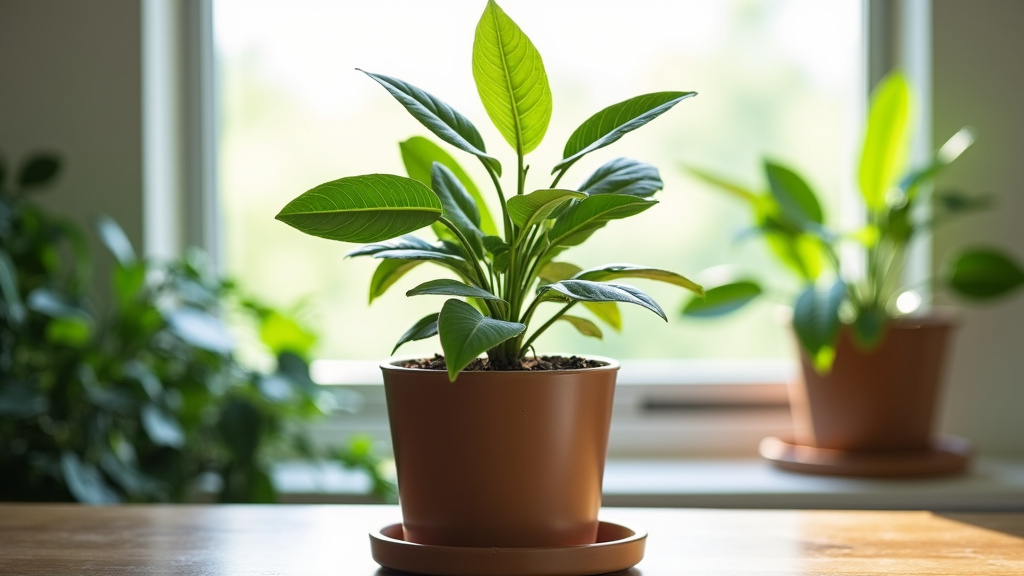
Maximizing Your Plants’ Air-Purifying Power
You’ve chosen your plants and you’re caring for them beautifully. Now, how do you really get the most out of their natural air-cleaning abilities? A few simple strategies can boost their effectiveness.
Placement and Quantity: More is Better?
Where you put your plants and how many you have can make a difference. Think strategically about plant placement to target areas where pollutants might be higher. More plants generally mean more cleaning power.
Strategic Plant Placement
Consider where new furniture, electronics, or cleaning products are used. Placing plants in these areas can help tackle pollutants at their source. For instance, a plant near your home office desk could be beneficial.
- Entryways: Capture pollutants brought in from outside.
- Bedrooms: Improve air quality where you spend a significant amount of time.
- Home Office: Counter chemicals from electronics and office supplies.
- Kitchen/Laundry Rooms: Help filter fumes from cleaning products.
How Many Plants Do You Need?
While there’s no magic number, generally, more plants provide a greater air-purifying effect. We found that for a noticeable difference, aim for at least one plant per 100 square feet (NCBI research). Larger plants also tend to be more effective than several small ones.
- Start Small: Begin with 2-3 plants and add more as you get comfortable.
- Mix and Match: Use a variety of plants to target a broader spectrum of pollutants.
- Consider Plant Size: A large plant has more leaf surface area, meaning more air-cleaning capacity.
Maintenance Beyond the Basics
Even with great light and water, a few extra steps will keep your plants in top air-purifying shape. These are like tune-ups for your living air filters. A healthy plant is a happy and effective plant!
Keeping Leaves Clean
Dust can accumulate on plant leaves, blocking light and reducing their ability to “breathe” and absorb pollutants. Think of it like a dusty air filter in your car or furnace. Cleaning them helps a lot.
- Wipe Leaves Gently: Use a soft, damp cloth to wipe down leaves every few weeks.
- Shower Them: For smaller plants, a gentle rinse in the shower can work wonders to remove dust.
Feeding Your Air Purifiers
Plants need nutrients to grow and perform their best. While potting mix provides some, regular feeding during the growing season can boost their vitality and, by extension, their air-cleaning abilities.
- Fertilize During Growing Season: Typically spring and summer. Follow the directions on your chosen plant food.
- Don’t Over-Fertilize: Too much fertilizer can burn roots and harm your plant. Less is often more.
Pest Patrol: A Quick Checklist
Pests can weaken your plants, making them less effective at cleaning the air. Regular checks can catch problems early. Healthy plants are resilient plants!
- Inspect leaves (top and bottom) regularly for tiny bugs.
- Look for sticky residue or webbing, which can signal pests.
- Isolate new plants for a few weeks before introducing them to others.
- Use insecticidal soap or neem oil for organic pest control if needed.
- Remove any dead or yellowing leaves promptly.
By following these steps, you’ll not only have a beautiful indoor jungle but also a much fresher and healthier living space. Your plants are working hard for you, so give them the love they deserve!
Conclusion
You’ve seen how much a few well-chosen plants can do for your home’s air quality. From selecting the right species like snake plants and peace lilies, to understanding their light and water needs, you now have the tools to create a healthier indoor environment. By keeping leaves clean and repotting when needed, you’re boosting their natural air-purifying superpowers.
Start small, pay attention to your plants, and watch your indoor air transform. Your green companions are ready to work for you!
Frequently Asked Questions
How quickly do indoor plants start cleaning the air?
Plants begin filtering air immediately once introduced into your home. However, noticeable improvements in air quality usually take time and depend on factors like the number and size of plants relative to your space. Consistency in care helps them perform at their best.
Do I need special soil for air-purifying plants?
No, you don’t need special “air-purifying” soil. Most air-cleaning houseplants thrive in a good quality, well-draining indoor potting mix. This type of soil provides essential nutrients and prevents waterlogging, which is key for healthy root growth.
Can plants remove all indoor air pollutants?
While plants are excellent natural air filters, they cannot remove 100% of all indoor air pollutants. They significantly reduce common VOCs but are most effective when combined with good ventilation practices and avoiding strong chemical sources. Think of them as a valuable part of a healthier home strategy.
Are there any plants that are bad for indoor air?
Generally, most common houseplants are beneficial or neutral for indoor air. The main concern might be with plants that produce strong pollens if you have allergies, or those that are toxic if ingested by pets or children. Always research a plant’s safety if you have vulnerable family members.
How often should I clean my plant’s leaves?
Aim to gently wipe your plant’s leaves with a soft, damp cloth every 2-4 weeks. Dust accumulation can block pores on the leaves, reducing the plant’s ability to absorb light and filter air. Regular cleaning keeps your green air filters working efficiently.
