
How to Grow a Salad Garden Indoors Year Round?
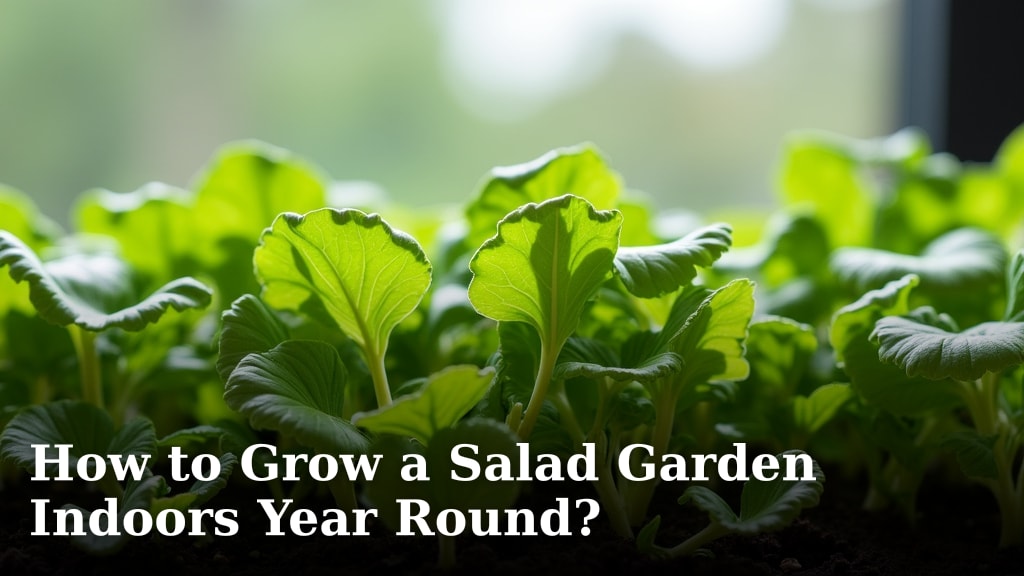
Yes, you can absolutely grow a salad garden indoors year-round, even if you have limited space or live in a cold climate. With the right setup and a few key steps, you can enjoy fresh greens anytime.
Imagine harvesting crisp lettuce or spicy arugula right from your kitchen counter. Indoor gardening makes it possible to have fresh produce at your fingertips, no matter the season. It’s a rewarding way to bring a little bit of the garden inside.
- Choose the right greens for indoor growing.
- Understand light, water, and nutrient needs.
- Select suitable containers and growing mediums.
- Learn about pest prevention indoors.
Ready to turn your home into a thriving salad bar? Let’s walk through exactly how to grow a salad garden indoors year-round, step by step.
Setting Up Your Indoor Salad Garden
Transforming a corner of your home into a productive salad patch is easier than you might think. You need a few essential items to get started.
First, think about where your garden will live. A sunny windowsill or a dedicated shelf unit works wonders. The right environment makes all the difference.
Choosing the Right Spot for Your Greens
Where will your plants thrive? Light is the most critical factor for indoor plants. Your greens need lots of it.
A south-facing window is often ideal, giving your plants many hours of natural sunlight. If that’s not available, don’t worry. Many indoor gardeners use artificial lights.
Natural Light vs. Grow Lights
Natural light is free and fantastic if you have enough of it. Aim for at least 6-8 hours of direct sun daily for most salad greens. Without enough light, your plants will stretch and look leggy.
For consistent growth, especially during shorter winter days, grow lights are your best friend. LED grow lights are energy-efficient and emit the full spectrum of light your plants crave (NASA).
Position your grow lights close to your plants, usually 6-12 inches above the tallest leaves. This ensures they get the intensity they need without getting too hot.
Selecting Your Containers and Growing Medium
What will your greens grow in? The right container and soil mix are key to healthy roots and abundant harvests.
Containers should have drainage holes to prevent waterlogging. This keeps your plant’s roots happy and healthy.
Best Containers for Indoor Salad Gardening
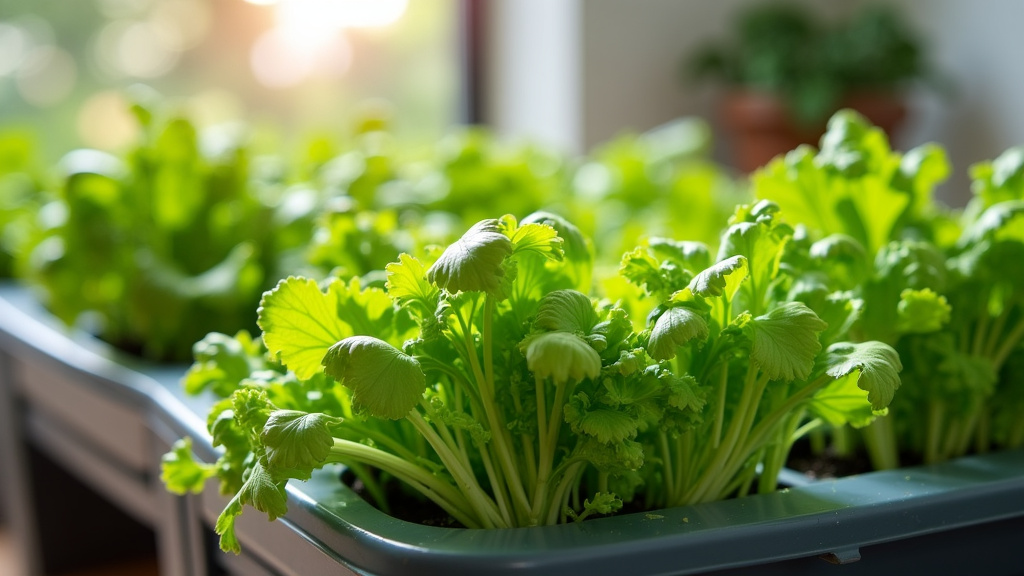
You have many options here! Small pots, window boxes, or even repurposed food containers can work. Just be sure they have drainage.
Shallow, wide containers are excellent for most salad greens. They allow you to plant many seeds without needing deep soil for roots. Think about trays or rectangular planters.
Consider self-watering planters. These can simplify watering and prevent your plants from drying out too quickly, especially if you’re busy.
Choosing Your Growing Medium
Potting mix, not garden soil, is essential for indoor plants. Garden soil can harbor pests and diseases not suitable for indoor use.
Look for a sterile, lightweight potting mix designed for containers. Many brands offer organic options that are great for edible plants.
Some growers prefer soilless mixes, like coco coir or rockwool. These are good for hydroponic setups but also work well in pots, often needing more added nutrients.
Hydration and Nutrition: Watering and Fertilizing Your Greens
Just like us, plants need food and water to thrive. Getting this balance right is crucial for a productive indoor garden.
Overwatering is a common mistake for new gardeners. Too much water can lead to root rot and other issues.
Watering Your Indoor Salad Garden
How do you know when to water? Feel the soil. If the top inch or two feels dry, it’s time to water.
Water thoroughly until you see water draining from the bottom of the pot. This ensures the entire root ball gets moist. Empty any excess water from saucers to prevent issues.
The frequency depends on your plant size, container, and indoor humidity. You might water every few days or once a week. Observe your plants; they’ll tell you what they need.
Feeding Your Indoor Salad Plants
Potting mixes often contain some nutrients, but your hungry greens will eventually use them up. Regular feeding supports continuous growth.
Use a balanced liquid fertilizer formulated for edibles. Look for options with N-P-K ratios like 5-5-5 or similar. Follow the package directions, often diluting it to half strength for indoor plants.
Apply fertilizer every 2-4 weeks during active growth. Too much fertilizer can burn plants, so less is often more. Healthy, green leaves are a good sign you’re doing it right.
Planting and Growing Your Salad Greens Indoors
Now for the fun part: getting your seeds into the soil! This is where your indoor salad garden truly begins to take shape.
Choosing the right varieties and planting them correctly sets you up for harvesting success.
Selecting the Best Greens for Indoor Growth
Not all salad greens are created equal when it comes to indoor success. Some tolerate lower light and smaller spaces better than others.
We found that leafy greens are generally the easiest and most rewarding for indoor salad gardens.
| Salad Green | Key Indoor Benefits | Tips for Success |
|---|---|---|
| Loose Leaf Lettuce (e.g., Black Seed Simpson) | Quick growth, ‘cut and come again’ harvesting, tolerates partial sun. | Plant seeds thinly; harvest outer leaves as needed. |
| Spinach | Nutrient-rich, relatively compact, enjoys cooler indoor temps. | Keep soil consistently moist; avoid too much heat. |
| Arugula | Spicy flavor, very fast growth, good for succession planting. | Can bolt (go to seed) in warm conditions; harvest young leaves. |
| Radishes (Leafy varieties or for microgreens) | Extremely fast, adds peppery flavor; greens are edible too! | Needs consistent moisture; harvest roots quickly. |
| Swiss Chard | Colorful, heat tolerant for a green, long harvesting period. | Tolerates slightly warmer indoor spots; harvest outer leaves. |
Consider smaller varieties if you have limited space. “Dwarf” or “baby” versions of many greens exist.
Planting Your Seeds and Starting Growth
Ready to get your hands dirty? Planting seeds is a simple process.
Always check your seed packet for specific planting depths and spacing. These instructions are there to help you.
The Planting Process
- Fill your containers with potting mix, leaving about an inch of space from the rim.
- Lightly moisten the soil before planting. This helps prevent seeds from washing away.
- Scatter small seeds thinly over the surface. For larger seeds, plant them individually at the recommended depth.
- Gently cover seeds with a thin layer of soil or vermiculite.
- Mist the surface with water to settle the seeds.
- Label your containers! You might forget what you planted where.
Ensuring Successful Germination
Most salad greens germinate quickly. Keep the soil consistently moist but not waterlogged during this stage.
Some people cover their seed trays with clear plastic domes or plastic wrap. This helps maintain humidity, creating a tiny greenhouse effect. Remove it once seedlings appear.
Once seedlings emerge, ensure they get plenty of light. This prevents them from stretching too much in search of light.
Harvesting Your Indoor Salad Greens
The best part of growing your own food is harvesting it! Most salad greens are ready for their first harvest in just a few weeks.
The ‘cut and come again’ method is perfect for indoor salad gardens. It means you can harvest repeatedly from the same plants.
The ‘Cut and Come Again’ Technique
Instead of pulling up the entire plant, you only harvest the outer leaves. This encourages the plant to grow new leaves from the center.
Use clean scissors or your fingers to snip off leaves about an inch above the soil line. Leave the central growing point intact.
This method gives you a continuous supply of fresh greens for weeks or even months from a single planting. It’s like magic!
Knowing When to Harvest
Harvest when the leaves are young and tender for the best flavor. Larger, older leaves can sometimes become bitter.
For most loose-leaf lettuces, spinach, and arugula, you can start harvesting leaves when they are 3-4 inches tall. Don’t wait too long, or the quality might drop.
Common Indoor Garden Challenges and Solutions
Every gardener faces a challenge now and then. Don’t be discouraged! Most indoor garden issues are fixable.
Keeping an eye on your plants helps you spot problems early.
Dealing with Pests and Diseases
Indoor gardens usually have fewer pest problems than outdoor ones. However, tiny invaders can still appear.
Check your plants regularly for common culprits like aphids, spider mites, or fungus gnats. These can hitch a ride on new plants or even come in through an open window.
If you spot pests, isolate the plant. For mild infestations, a strong spray of water can dislodge them. We found that a homemade insecticidal soap (a few drops of mild dish soap in water) can also be effective (University of California Agriculture and Natural Resources).
Proper air circulation can prevent fungal diseases. Avoid overcrowding your plants and ensure good airflow, perhaps with a small fan.
Addressing Leggy Growth or Yellowing Leaves
Are your plants looking stretched out and pale? This usually points to a lack of light.
Move them to a brighter window or adjust your grow lights closer. Longer light exposure can also help.
Yellowing leaves can indicate a few things: too much water, too little water, or a nutrient deficiency. Check the soil moisture first.
If the soil is very wet, let it dry out. If it’s dry, water it. If neither seems to be the case, your plants might need a gentle dose of fertilizer.
Conclusion
You now have a solid roadmap for cultivating your own indoor salad garden. We’ve walked through choosing the right spot, selecting containers, and providing essential light and nutrients. Remember, the journey from seed to harvest is rewarding. You can enjoy fresh, healthy greens year-round, right from your home.
Don’t be afraid to experiment with different greens and growing techniques. Your indoor garden is a living space that adapts to your environment. Take what you’ve learned and start growing your first batch of delicious, homegrown salads today!
Frequently Asked Questions
Can I grow herbs alongside my salad greens?
Yes, many herbs thrive in similar indoor conditions as salad greens. Basil, mint, and cilantro are great choices that enjoy bright light and consistent moisture. You can often plant them in the same containers or nearby, creating a versatile indoor culinary garden.
How often should I rotate my indoor salad plants?
You don’t necessarily need to “rotate” plants in the traditional sense like in an outdoor garden. However, if you’re using natural light, occasionally turning your containers can ensure all sides of the plant get adequate sun exposure. For grow lights, simply ensure the light source is centered and close enough.
What’s the ideal temperature for an indoor salad garden?
Most salad greens prefer cooler temperatures, generally between 60-70°F (15-21°C). This temperature range helps prevent bolting (going to seed) too quickly, especially for plants like arugula and lettuce. Avoid placing your plants near hot vents or drafty windows.
Can I use kitchen scraps to start my salad garden?
Some kitchen scraps, like the base of a romaine lettuce head or celery, can resprout in water. This is a fun experiment, but it often yields smaller harvests and shorter plant lifespans compared to growing from seed. For a productive garden, starting with quality seeds is best.
How can I make my indoor salad greens taste better?
Freshness is key, so harvesting just before you eat them makes a big difference. Adequate light ensures robust flavor development. Additionally, consistent feeding with a balanced liquid fertilizer will provide the necessary nutrients for vibrant, tasty leaves.
