
How to Grow Indoor Plants in Low Light Rooms?
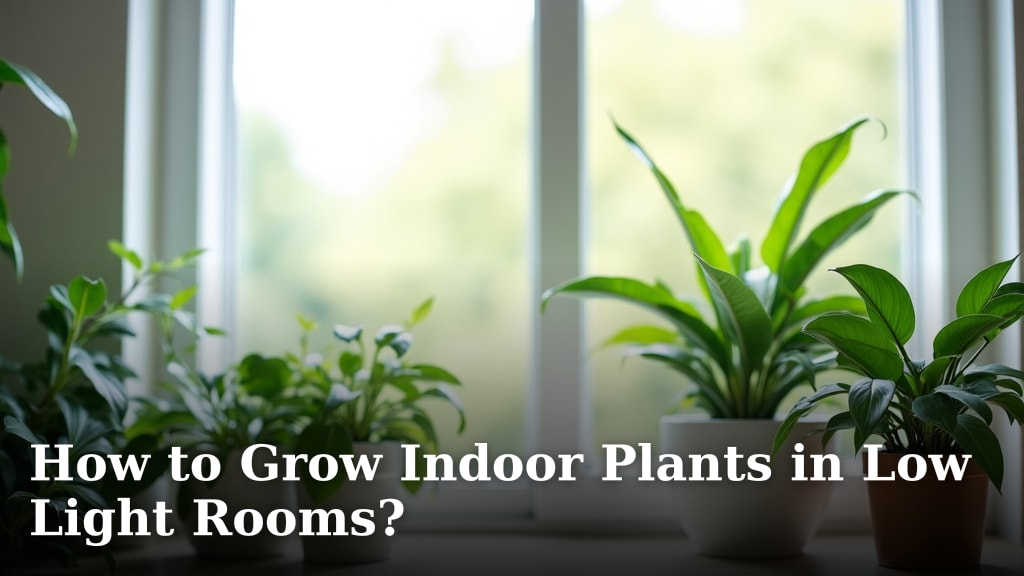
To grow indoor plants in low light rooms, you need to choose the right plant species that naturally thrive in dimmer conditions and provide them with consistent, minimal care. Many plants can flourish without direct sunlight.
You might think your home is too dark for any greenery, but that’s a common misconception. Many popular houseplants actually prefer indirect or low light, mimicking their natural forest floor habitats. With a little knowledge, you can easily turn those dim corners into a vibrant indoor garden.
- Choose plants known for low-light tolerance.
- Understand light levels in your home.
- Water sparingly to prevent root rot.
- Rotate plants for even growth.
- Clean leaves regularly for better light absorption.
Ready to discover which plants will brighten up your shadier spaces? Let’s walk through everything you need to know to successfully grow indoor plants in low light rooms.
Understanding Light Levels in Your Home
Before you bring home any new plants, it’s really helpful to understand the light conditions in your rooms. What seems “low light” to you might be different to a plant. Let’s break down what different light levels actually mean for your leafy friends.
You might be surprised to learn that even a north-facing window can provide enough light for some plants. The key is to know what kind of light you have and how long it lasts each day.
Defining Low Light for Plants
What exactly is low light? Think of it as a space where you can comfortably read a book without needing a lamp, but the light isn’t direct or bright. It’s often found several feet away from a window, or in rooms with small or north-facing windows.
Low light usually means a plant receives filtered or indirect light for only a few hours a day. It’s not about total darkness, but about the quality and duration of available light. Most plants won’t thrive in a closet, for example, even if it has a crack of light.
Identifying Different Light Zones
You have three main light zones indoors: bright, medium, and low. To figure out your zones, observe how light moves through your home at different times of day. This will help you place your plants correctly.
- Bright Light: Areas within a few feet of south or west-facing windows, often with direct sun for several hours. This is great for succulents.
- Medium Light: East-facing windows, or several feet away from south/west windows. These spots get bright, indirect light for much of the day.
- Low Light: North-facing windows, or rooms with very small windows, or corners far from any window. These areas receive minimal, indirect light.
Many plants prefer medium to low light, as direct sun can scorch their leaves. Always consider the plant’s natural habitat. Many popular houseplants grow under a forest canopy, meaning they naturally receive dappled, indirect light.
Selecting the Best Low-Light Indoor Plants
Now that you know your light levels, it’s time for the fun part: choosing your plants! Many beautiful and resilient plants actually prefer dimmer conditions. You don’t have to sacrifice style for shade.
We found that the most successful low-light plant parents start with varieties known for their tolerance and adaptability. Don’t try to force a sun-loving plant into a dark corner; it will only lead to disappointment.
Top Choices for Shady Spots
Here are some of the stars of the low-light world. These plants are generally easy to care for and forgiving, perfect for beginners or busy plant parents.
| Plant Name | Key Feature | Care Tip for Low Light |
|---|---|---|
| Snake Plant (Sansevieria) | Architectural, very hardy | Water very sparingly, almost forget about it. |
| ZZ Plant (Zamioculcas zamiifolia) | Glossy leaves, drought tolerant | Can go weeks without water, tolerates extreme neglect. |
| Pothos (Epipremnum aureum) | Vining, many varieties | Yellowing leaves mean too much water; brown means too little. |
| Peace Lily (Spathiphyllum) | Blooms in low light | Droopy leaves indicate it needs water; it will perk up quickly. |
| Prayer Plant (Maranta leuconeura) | Foliage moves daily | Prefers higher humidity; mist leaves occasionally. |
Each of these plants brings its own unique charm and can transform a dim room. Don’t be afraid to mix and match different leaf shapes and textures for visual interest.
Plants to Avoid in Low Light
Just as some plants thrive, others will struggle. Avoiding these sun-worshippers in your low-light areas will save you frustration. We often see people trying to make a fiddle-leaf fig happy in a dark room, and it rarely ends well.
- Succulents and Cacti: They need lots of direct sunlight to prevent stretching and decline.
- Flowering Plants: Most need bright light to produce blooms, though some like Peace Lilies are exceptions.
- Fiddle-Leaf Fig (Ficus lyrata): Requires very bright, consistent light to thrive and avoid leaf drop.
- Citrus Trees: These are outdoor plants that need intense sun to fruit and grow properly.
If you love these plants, consider finding a brighter spot for them or investing in a grow light. It’s all about matching the plant to its environment.
Essential Care for Low-Light Plants
Caring for plants in low light isn’t harder; it’s just different from caring for plants in bright spots. The biggest mistake is often overwatering, which is especially problematic when light is scarce.
Your plants will grow slower in low light, so they’ll have different needs. Think of it like a human needing less food when they’re less active. The same goes for your plants; less light often means less activity.
Watering Wisely
This is probably the most critical aspect of low-light plant care. Plants in dimmer conditions use less water than those in bright sun. Overwatering is the quickest way to kill a low-light plant.
Always check the soil moisture before watering. Stick your finger about an inch or two into the soil. If it feels damp, wait. If it’s dry, then water thoroughly until water drains from the bottom. This ensures the roots get enough to drink (University of California, Davis). Empty any standing water in the saucer to prevent root rot.
Fertilizing and Soil Needs
Because low-light plants grow slower, they need less fertilizer. Fertilizing too much can burn their roots. Think of fertilizer as a booster; if the plant isn’t actively growing, it doesn’t need a boost.
We recommend fertilizing only during the growing season (spring and summer) and at half strength or less than what the product label suggests. For soil, a good quality, well-draining potting mix is best. It should allow water to pass through easily, preventing soggy conditions.
Humidity and Temperature
Many low-light plants, like those from tropical regions, appreciate higher humidity. If your home is dry, especially in winter, consider misting your plants or placing them near a humidifier.
Most houseplants prefer consistent room temperatures, typically between 65-75°F (18-24°C). Avoid placing them near drafty windows or heating/cooling vents, as sudden temperature changes can stress them out.
Troubleshooting and Maintenance
Even with the best intentions, your plants might face challenges. Don’t worry; most issues have simple solutions. Learning to “read” your plant is part of the fun.
Common Problems and Solutions
Let’s look at a few common signs your low-light plant might be struggling and how to fix them.
- Yellowing Leaves: Often a sign of overwatering. Let the soil dry out more between waterings. Can also mean too little light.
- Drooping Leaves: Usually indicates the plant is thirsty. Water thoroughly. (Unless it’s a Peace Lily, then it’s normal to droop slightly before watering).
- Stretched, Leggy Growth: The plant is reaching for more light. This is called etiolation. Move it to a slightly brighter spot if possible, or rotate it often.
- Brown Edges on Leaves: Could be low humidity or inconsistent watering. Try misting or adjusting your watering schedule.
- No New Growth: This is normal for low-light plants, as they grow slowly. If it’s been months in the growing season, it might need a tiny bit more light or a very diluted fertilizer.
Maintenance Checklist for Happy Plants
To keep your low-light plants thriving, here’s a quick checklist you can follow regularly:
- Check soil moisture every few days before watering.
- Wipe dust off leaves monthly for better light absorption.
- Rotate plants weekly so all sides get some light.
- Prune any yellow or dead leaves to encourage new growth.
- Inspect for pests during your watering routine.
- Consider repotting every 1-2 years, or when root bound.
Following these simple steps will help you maintain a beautiful and healthy indoor garden, even in the shadiest corners of your home. You’ll soon find that nurturing these resilient plants is a rewarding experience.
Conclusion
You now have all the tools to transform your dimly lit spaces into thriving green sanctuaries. Remember, success in growing low-light plants comes down to choosing the right species and practicing mindful, consistent care. Don’t be afraid to experiment and observe how your plants respond to their environment. With a little patience, you’ll discover the joy of nurturing plants that truly thrive where others wouldn’t. Get ready to enjoy the calm and beauty your new indoor garden brings!
Frequently Asked Questions
Can any plant survive in a room with no windows?
While some plants tolerate very low light, no plant can thrive in complete darkness. They all need some amount of light for photosynthesis. If your room has absolutely no natural light, consider using an artificial grow light to supplement.
How often should I rotate my low-light plants?
Rotating your plants weekly is a good practice. This ensures all sides of the plant receive some light exposure, promoting more even growth and preventing it from leaning too much towards the light source.
Do low-light plants still need fertilizer?
Yes, but much less frequently than plants in brighter conditions. Fertilize only during the spring and summer growing seasons, and always use a diluted solution (half strength or less). Over-fertilizing can harm these slower-growing plants.
What are the signs I’m overwatering my low-light plant?
The most common signs of overwatering include yellowing leaves, soft or mushy stems, and a persistent damp smell from the soil. If you see these, let the soil dry out completely before watering again and reduce your watering frequency.
Can I use a regular LED bulb as a grow light for low-light plants?
While a regular LED bulb provides some light, it’s not ideal for plant growth. Grow lights are specifically designed to emit the light spectrum plants need for photosynthesis. For best results, choose an LED grow light if you need to supplement natural light.
