
What Plants Are Best for Low Light Apartments?
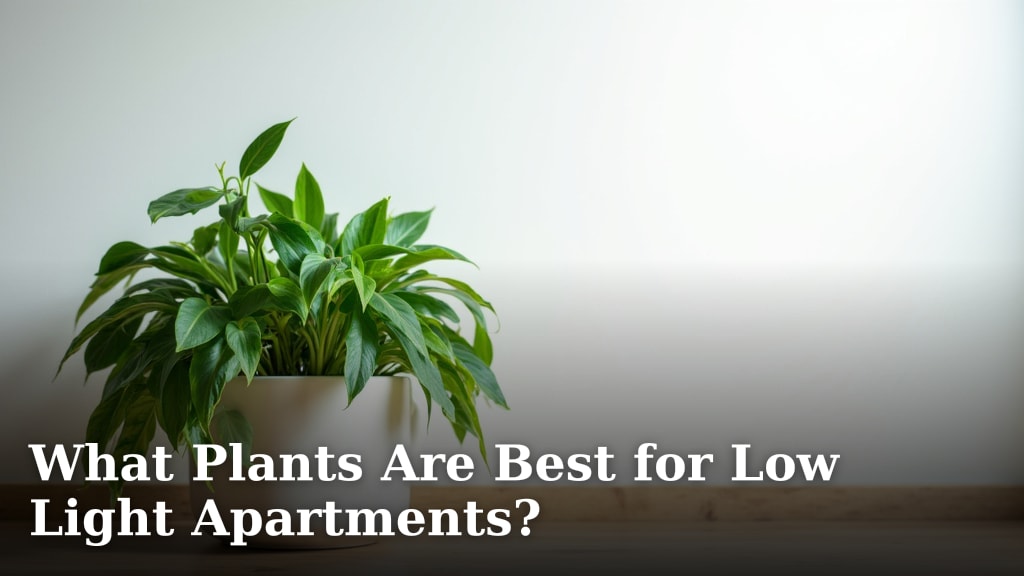
The best plants for low-light apartments are those that naturally thrive with minimal sunshine, making them perfect for dimmer indoor spaces. You can still create a lush, green oasis even if your windows don’t get much direct light. Don’t worry, a lack of sun doesn’t mean a lack of plant life!
Many popular houseplants actually prefer lower light conditions, mimicking their native environments under dense canopies. We’ve found that plants like the Snake Plant, ZZ Plant, and Pothos are incredibly forgiving and will happily brighten up your shadier corners. You don’t need a south-facing window to enjoy the benefits of indoor greenery.
- Low-light plants exist and thrive indoors.
- Many popular houseplants prefer indirect light.
- You can still have a green apartment without bright sun.
- Snake Plants and ZZ Plants are great low-light options.
- No need for perfect lighting to enjoy indoor plants.
Ready to discover which green companions will flourish in your cozy apartment? Let’s dive into our top picks for the best low-light plants and how to keep them happy!
Top Plant Picks for Dim Apartment Spaces
If your apartment lacks abundant sunshine, don’t despair! Many beautiful plants actually prefer dimmer conditions. We’ve gathered a list of stars that thrive without direct light, bringing life to your shadier spots.
The Unkillable Trio: Snake, ZZ, and Pothos Plants
These three are often recommended for a reason. They are incredibly forgiving and can handle quite a bit of neglect, making them perfect for beginners or busy individuals.
Snake Plant (Sansevieria trifasciata)
The Snake Plant, also known as “Mother-in-Law’s Tongue,” is famous for its stiff, upright leaves. It comes in many varieties, offering different patterns and heights. We found this plant can tolerate almost anything you throw at it, including very low light. It also helps purify your air (NASA Clean Air Study).
- Light: Low to bright indirect.
- Water: Let soil dry completely between waterings.
- Why we love it: Extremely hardy, architectural look.
ZZ Plant (Zamioculcas zamiifolia)
The ZZ Plant boasts waxy, dark green leaves that store water in its thick rhizomes. This means it can go for long periods without water, making it perfect for forgetful plant parents. It’s almost impossible to kill.
- Light: Very low to moderate indirect.
- Water: Water only when soil is bone dry.
- Why we love it: Super low maintenance, drought-tolerant.
Pothos (Epipremnum aureum)
Pothos is a classic for a reason. Its vining nature makes it perfect for hanging baskets or trailing from shelves. You’ll find it in many varieties, from solid green to variegated with yellow or white. It’s incredibly adaptable.
- Light: Low to bright indirect. Variegated types might need a bit more light.
- Water: Allow top soil to dry before watering.
- Why we love it: Versatile, easy to propagate, forgiving.
More Green Beauties That Don’t Need Much Sun
Beyond the “unkillable” plants, several other options flourish in less-than-sunny conditions. They add variety and texture to your indoor garden.
Peace Lily (Spathiphyllum)
Peace Lilies are well-loved for their elegant white “flowers” (which are actually modified leaves called spathes) and dark green foliage. They are excellent air purifiers and will tell you when they’re thirsty by drooping dramatically.
- Light: Low to medium indirect. Direct sun can scorch leaves.
- Water: Keep soil consistently moist, but not waterlogged.
- Why we love it: Beautiful blooms, good at communicating needs.
Spider Plant (Chlorophytum comosum)
Spider Plants are known for their long, arching leaves and the “spiderettes” that dangle from them. These little plantlets are easy to propagate, making them great for sharing. They adapt well to various light conditions.
- Light: Low to bright indirect.
- Water: Keep soil moist; avoid overwatering.
- Why we love it: Easy to care for, produces “babies” you can share.
Cast Iron Plant (Aspidistra elatior)
As its name suggests, the Cast Iron Plant is tough as nails. It can withstand significant neglect, including very low light, infrequent watering, and fluctuating temperatures. Its dark green leaves are a testament to its resilience.
- Light: Very low to medium indirect.
- Water: Water sparingly, allowing soil to dry out between waterings.
- Why we love it: Extremely durable, perfect for forgotten corners.
Choosing the Right Plant for Your Low-Light Corner
Even “low-light” doesn’t mean “no light.” All plants need some light to survive. Understanding the nuances of your apartment’s light can help you pick the perfect green friend.
Understanding Your Apartment’s Light Levels
Take a moment to observe your space throughout the day. Does any spot get a few hours of indirect light? Or is it consistently dim? Knowing this helps a lot.
- Low Light: A room with no windows, or only a north-facing window, far from the window. You might struggle to read a book comfortably.
- Medium Indirect Light: A few feet from an east or west-facing window, or a bright north-facing window. Enough light to read easily.
- Bright Indirect Light: Near a south or west-facing window, but with a sheer curtain to diffuse direct rays.
Low-Light Plant Care Checklist: Keeping Them Happy
Even though these plants are forgiving, a little care goes a long way. Here’s a quick checklist to keep your low-light beauties thriving.
- Water Wisely: Overwatering is the biggest killer. Always check soil moisture before watering.
- Dust Leaves: Dust can block light absorption. Gently wipe leaves with a damp cloth every few weeks.
- Fertilize Less: Low-light plants grow slower, so they need less fertilizer. Fertilize only during growing seasons (spring/summer) at half strength.
- Check for Pests: Even indoor plants can get pests. Inspect regularly, especially undersides of leaves.
- Rotate Occasionally: Turn your plant a quarter turn every few weeks so all sides get some light.
- Provide Drainage: Always use pots with drainage holes to prevent root rot.
Quick Comparison: Low-Light Plant Favorites
To help you decide, here’s a simple table comparing some key features of our top picks. This can help you match a plant to your lifestyle and space.
| Plant Name | Light Tolerance | Water Needs | Growth Habit | Special Features |
|---|---|---|---|---|
| Snake Plant | Very Low to Bright | Drought Tolerant | Upright, Stiff | Air purifier, architectural |
| ZZ Plant | Very Low to Medium | Highly Drought Tolerant | Upright, Bushy | Extremely low maintenance |
| Pothos | Low to Bright | Medium | Vining, Trailing | Very versatile, easy to propagate |
| Peace Lily | Low to Medium | Consistent Moisture | Bushy, Flowering | White “blooms,” air purifier |
| Spider Plant | Low to Bright | Medium | Arching, Dangling | Produces “spiderettes,” easy to share |
| Cast Iron Plant | Very Low to Medium | Drought Tolerant | Upright, Bushy | Extremely hardy, resilient |
A Note on Artificial Lighting
While natural light is ideal, don’t forget about artificial options. If a spot is truly dark, a small LED grow light can make a huge difference for many plants. You don’t need a fancy setup; even a simple desk lamp with the right bulb can help supplement light for your plant friends (Journal of Plant Physiology).
Conclusion
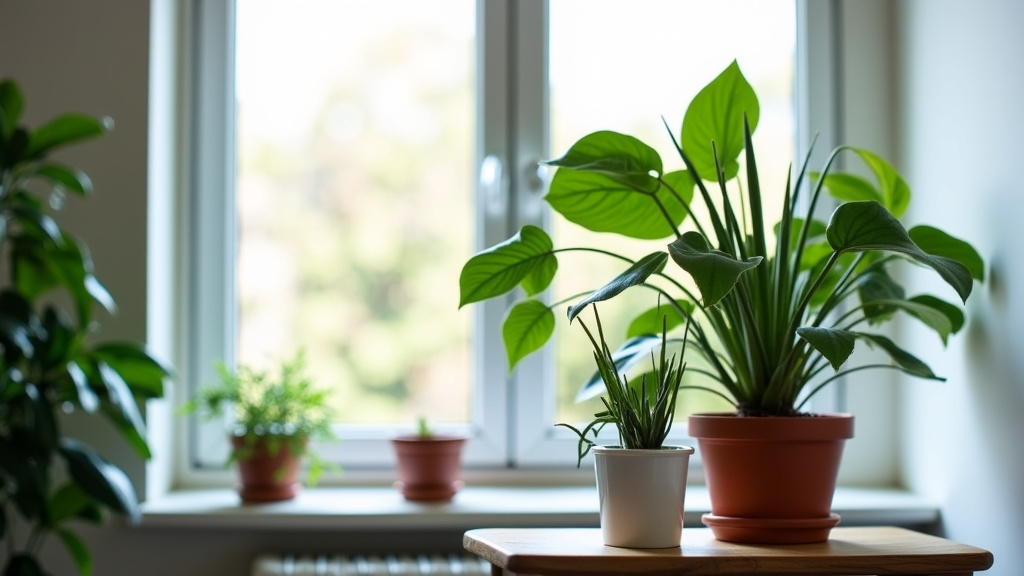
Transforming your low-light apartment into a green sanctuary is absolutely achievable! We’ve shown you a fantastic selection of plants like the Snake Plant, ZZ Plant, and Pothos that truly thrive in dimmer conditions. You don’t need a sun-drenched space to enjoy the beauty and benefits of indoor greenery.
Remember to match your plant to your specific light levels, water wisely, and give them a little dust-off now and then. With these hardy companions and a few simple care tips, you can confidently bring nature indoors. Go ahead, choose your favorite green friend and watch your apartment come to life!
Frequently Asked Questions
Can any plant survive in a room with no windows?
While some plants are extremely low-light tolerant, “no windows” often means “no light,” which is difficult for any living plant. Even the toughest plants need some ambient light to photosynthesize. For truly dark spaces, consider a small grow light to supplement, or opt for very realistic artificial plants.
How do I know if my low-light plant is getting enough light?
Look for signs like stunted growth, pale new leaves, or the plant “stretching” towards a light source (etiolation). If your variegated plants lose their patterns and turn solid green, it’s usually a sign they need a bit more light. Observe your plant’s overall vigor and leaf color.
Is it better to underwater or overwater low-light plants?
When in doubt, it’s generally better to underwater your low-light plants. They use water much slower in dim conditions, making them very susceptible to root rot from overwatering. Always check the soil moisture deeply before adding more water to be safe.
Do low-light plants still need fertilizer?
Yes, but much less frequently than plants in brighter conditions. Because they grow slower, their nutrient needs are lower. Fertilize only during their active growing season (typically spring and summer) and use a diluted solution, perhaps at half the recommended strength.
Can I rotate my low-light plant to a brighter spot sometimes?
You can! If you have a brighter spot available for a few hours a day or a few days a week, your low-light plants will appreciate the occasional boost. Just avoid moving them directly into intense, unfiltered sunlight, as this can scorch their leaves. Gradually introduce them to brighter conditions.
