
What Plants Do Well in Self Watering Planters?
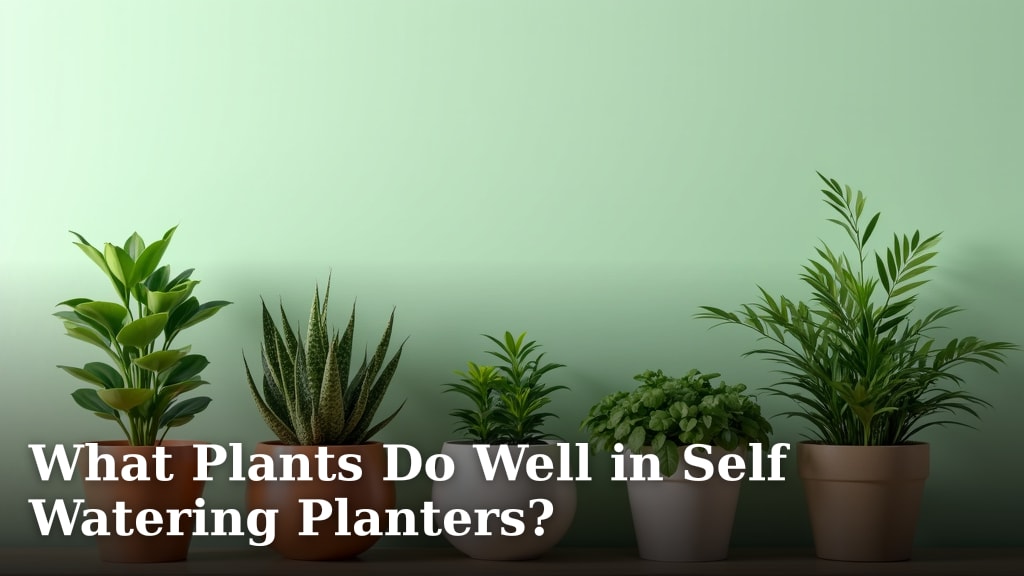
Many plants thrive in self-watering planters, especially those that prefer consistently moist soil, like ferns, African violets, and many herbs. We found that these planters are also great for plants that need regular hydration but are prone to being overwatered, as they take just what they need.
You’ll find that self-watering pots are a fantastic solution for busy plant parents or anyone who struggles with remembering to water. They help prevent both underwatering and overwatering, creating a more stable environment for roots. Certain plants, particularly those from tropical climates, really appreciate this consistent moisture.
- Self-watering planters are excellent for many indoor plants.
- Plants that like consistently moist soil do best.
- Great for busy people or those who forget to water.
- They help prevent common watering mistakes.
Let’s dive in and discover which plants will truly flourish in your self-watering system, and why they’re such a good match.
Optimal Plant Choices for Self-Watering Systems
Self-watering planters are a game-changer for many plant parents. They provide a consistent water supply, mimicking the natural hydration many plants love. But which plants truly flourish in these setups?
We found that plants preferring consistently moist soil without being waterlogged are ideal candidates. Think of plants that come from jungle environments or those that wilt quickly if they dry out.
The Thirsty and Tropical Crew
Many plants originating from tropical regions thrive with a steady moisture level. These plants are often used to regular rainfall and high humidity. A self-watering planter helps recreate that environment in your home.
Ferns: Humidity Lovers
Ferns are classic examples of plants that adore consistent moisture. Their delicate fronds can quickly turn crispy if the soil dries out too much. A self-watering pot ensures their roots always have access to water, keeping them lush and green.
- Boston Ferns are famous for needing damp soil.
- Maidenhair Ferns are even pickier about moisture.
- Staghorn Ferns also appreciate steady hydration, though they’re epiphytes.
You’ll notice your ferns staying vibrant and healthy without the daily watering routine. This consistency prevents the stress of drying out and then being flooded.
African Violets: Sensitive Sippers
African violets are known for their beautiful blooms and their dislike of water on their leaves. A self-watering planter delivers water directly to the roots from below, keeping their foliage dry and preventing unsightly spots. They prefer soil that is evenly moist, not soaking wet (Clemson Cooperative Extension).
This method also helps you avoid common problems like crown rot, which can happen when water sits around the plant’s base. It’s a gentle way to hydrate these pretty plants.
Peace Lilies: Drama Queens No More
Ever seen a peace lily dramatically droop when it’s thirsty? Self-watering planters can prevent this common occurrence. These plants communicate their needs clearly, but a consistent water source means you rarely see the “drama.” They prefer soil that is always slightly damp.
We found that peace lilies maintain their upright posture and beautiful white blooms much better when their watering is automated. It’s less stress for both you and the plant.
Herbs and Edibles: Freshness on Demand
Many popular herbs and some small edibles benefit greatly from self-watering systems. They often have high water needs, especially when actively growing and producing leaves. Consistent moisture leads to more flavorful, abundant harvests.
Basil and Mint: High Water Demands
Basil and mint are two culinary favorites that drink a lot of water. They grow quickly and use a lot of moisture to produce their aromatic leaves. If their soil dries out, they can quickly wilt and their leaves might become less flavorful.
A self-watering planter ensures they have a constant supply, encouraging vigorous growth. You’ll get more leaves for your pesto and mojitos!
Lettuce and Spinach: Consistent Growth
Leafy greens like lettuce and spinach need steady moisture to grow tender leaves. If they experience drought stress, their leaves can become tough or bitter. Self-watering pots provide the perfect environment for a continuous harvest of fresh greens.
You can often get multiple cuttings from these plants if they are well-watered. It’s a simple way to have fresh salad ingredients ready when you need them.
Flowering Plants: Boosted Blooms
Some flowering plants bloom more profusely when they receive consistent water. Self-watering planters help provide the stability these plants need to put their energy into producing beautiful flowers, rather than recovering from drought.
We’ve seen plants like impatiens and petunias thrive in these systems, producing a continuous display of color throughout their growing season. The steady hydration supports their energy-intensive flowering process.
The Science Behind the Success
Why do these plants do so well? It comes down to mimicking natural conditions and reducing common watering errors. Self-watering planters use capillary action to draw water up to the soil as needed. This means the plant roots take only what they require, preventing both under and overwatering.
This system also often leads to better aeration in the root zone. When you top-water, you can compact the soil, reducing air pockets. Self-watering maintains a lighter soil structure, which roots appreciate.
| Plant Category | Why They Love Self-Watering | Examples |
|---|---|---|
| Tropical Foliage | Mimics consistent jungle moisture; prevents crispy leaves. | Ferns, Calatheas, Prayer Plants |
| Flowering Sensitives | Consistent water without wetting leaves; promotes blooms. | African Violets, Impatiens, Begonias |
| Thirsty Herbs | Supports rapid growth and high water intake; prevents wilting. | Basil, Mint, Parsley, Cilantro |
| Leafy Greens | Maintains tender leaves; prevents bitterness or toughness. | Lettuce, Spinach, Swiss Chard |
| Common Houseplants | Reduces stress from fluctuating moisture; encourages steady growth. | Peace Lilies, Pothos, Spider Plants |
When to Consider a Self-Watering Planter
You might be wondering if a self-watering planter is right for you. It’s a great tool, but not every plant needs one. Consider these situations:
- You frequently forget to water. Life gets busy!
- Your plants wilt often. They’re telling you they need more consistent hydration.
- You travel a lot. Self-watering pots can keep plants happy for days or even weeks.
- You have humidity-loving plants. These systems often create a microclimate of higher humidity.
- You want to avoid overwatering. The plant takes what it needs, reducing your guesswork.
It’s about making plant care easier and more effective for your lifestyle. We found that many people enjoy the peace of mind these planters offer.
Plants That Are Not a Good Match
While many plants thrive, some prefer to dry out completely between waterings. These are generally not good candidates for self-watering planters. Placing them in one could lead to root rot and other problems.
- Cacti and Succulents: These store water in their leaves and stems and need dry periods.
- Snake Plants (Sansevieria): Highly drought-tolerant and prone to rot with too much water.
- ZZ Plants: Similar to snake plants, they prefer infrequent watering.
- Orchids (most types): Many prefer a “wet-dry” cycle and well-aerated roots, not constant moisture.
Always research your specific plant’s needs before putting it in a self-watering pot. The goal is to match the planter to the plant, not the other way around.
Tips for Success with Self-Watering Planters
Even with the right plants, a few tips can help you get the most out of your self-watering system. It’s not entirely hands-off, but it’s close!
- Use the right soil: A good quality potting mix that drains well but also retains some moisture is key. Avoid heavy garden soil.
- Initial top watering: For the first few weeks, it’s a good idea to top-water to help the roots establish and reach the water reservoir.
- Monitor the reservoir: Check the water level regularly. Don’t let it run dry for extended periods, especially with thirsty plants.
- Clean periodically: Over time, mineral buildup can occur. Empty and clean the reservoir and check the wicking system occasionally.
- Fertilize carefully: Since nutrients can leach more quickly, you might need to fertilize a bit more often or use a slower-release fertilizer (University of California Agriculture & Natural Resources).
Following these simple guidelines will help your chosen plants flourish and make your plant care routine even more enjoyable.
Conclusion
You’ve seen how self-watering planters can transform your plant care, especially for those plants that crave consistent moisture. By understanding which plants thrive in these systems—like your ferns, African violets, and many herbs—you can set yourself and your green companions up for success. We’ve found that they simplify watering and create a more stable, root-friendly environment, leading to healthier, happier plants.
Ready to make your plant care easier and watch your plants flourish? Consider adding a self-watering planter to your routine for your thirstiest plants. You’ll likely be amazed at the difference it makes!
Frequently Asked Questions
Can I use regular potting soil in a self-watering planter?
Yes, you can use regular potting soil, but a good quality mix that balances drainage and moisture retention works best. Avoid heavy garden soil, which can compact and hinder the wicking process. Look for potting mixes designed for containers.
How often do I need to refill the reservoir?
The refill frequency depends on the plant’s water needs, the planter size, and environmental factors like temperature and humidity. Thirsty plants in smaller planters might need refilling every few days, while less thirsty plants in larger planters could go for weeks. Always monitor the water level.
Do self-watering planters prevent all overwatering?
They significantly reduce the risk of overwatering because the plant takes water as needed through capillary action. However, constantly topping off the reservoir when the plant doesn’t need it or using a non-draining soil can still lead to issues. The system works best when you let the reservoir empty or get low before refilling.
Should I still fertilize plants in self-watering planters?
Yes, you should still fertilize. Water flowing through the system can sometimes leach nutrients more quickly than in traditional pots. You might consider using a slower-release granular fertilizer mixed into the soil or fertilizing a bit more frequently with a diluted liquid fertilizer.
Can I put outdoor plants in self-watering planters?
Absolutely! Many outdoor plants, especially annuals, vegetables, and herbs, do very well in self-watering planters. They are particularly useful for container gardens on patios or balconies, ensuring consistent moisture during hot summer days. Just ensure the planter has an overflow drain for heavy rain.
