
What Herbs Grow Best Indoors without Sunlight?
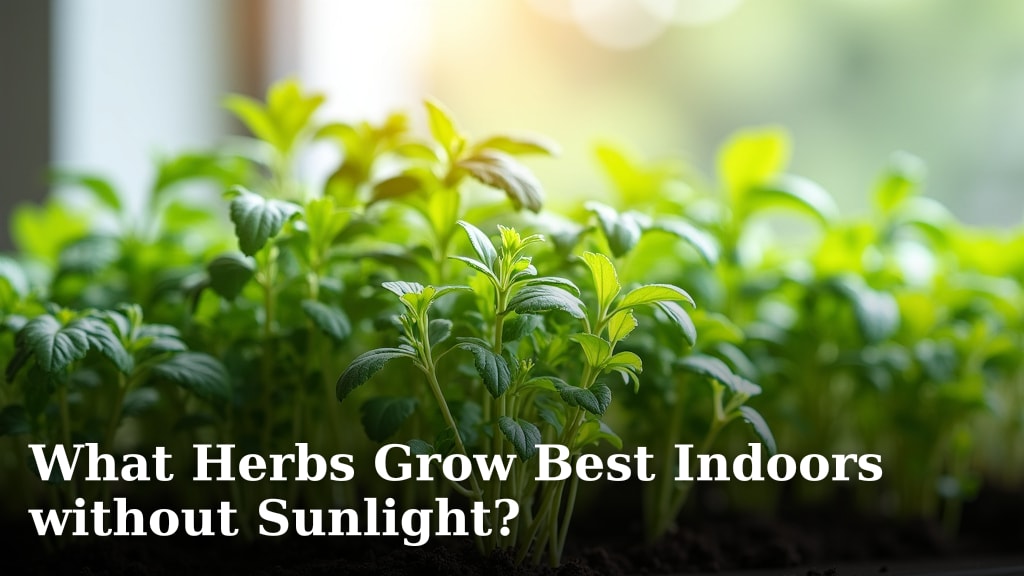
Yes, several herbs grow best indoors without sunlight, thriving in low-light conditions. You can still enjoy fresh herbs even with limited natural light, creating a vibrant indoor garden.
Many popular cooking herbs actually prefer shadier spots. We found that some thrive with minimal light, making them perfect for kitchens or rooms with north-facing windows. You don’t need a bright, sunny spot for every green friend.
- Certain herbs tolerate low light wonderfully.
- You can grow fresh herbs indoors without direct sun.
- These plants are often easy to care for.
- Think about herbs used in everyday cooking.
Let’s discover which specific herbs will flourish in your home, even in those darker corners. We’ll show you how to give them the best chance to grow.
Indoor Herbs That Thrive Without Direct Sun
You can absolutely grow a variety of herbs indoors, even if your space lacks bright, direct sunlight. Many popular culinary herbs actually prefer more subdued lighting conditions. We found that these herbs not only survive but truly flourish in lower light settings, making them perfect for your kitchen or any room with less natural illumination.
The key is understanding which plants are naturally adapted to these environments. You don’t need a professional greenhouse setup. With a little knowledge, you can enjoy fresh, homegrown herbs all year long.
Top Picks for Low-Light Indoor Herb Gardens
When you’re looking for herbs that don’t need much sun, think about their natural habitats. Many of these plants grow under taller foliage in the wild, so they’re already used to shade. Here are some excellent choices to get you started on your indoor herb garden.
Mint: Your Shady, Spreading Friend
Mint is probably one of the easiest herbs to grow indoors with minimal light. It’s incredibly forgiving and actually prefers a bit of shade. Too much direct sun can even scorch its leaves, so a less sunny spot is ideal for your mint plant.
- Low Light Tolerance: Mint thrives in indirect or partial light.
- Watering Needs: Keep the soil consistently moist but not waterlogged.
- Growth Habit: Mint tends to spread, so consider giving it its own pot.
- Uses: Perfect for teas, cocktails, and desserts.
You’ll love having fresh mint on hand for a refreshing drink or to garnish a dish. Just remember, it’s a vigorous grower! You might even need to prune it regularly to keep it happy and contained.
Parsley: A Green Culinary Staple
Parsley, whether curly or flat-leaf, is another fantastic choice for an indoor, low-light herb garden. It does best with about 3-4 hours of indirect light per day. You don’t need a windowsill bathed in sunshine for this one.
- Light Preference: Prefers bright, indirect light; tolerates low light well.
- Soil Conditions: Likes rich, well-draining soil.
- Humidity: Appreciates a bit of humidity, so misting can help.
- Harvesting: Snip outer stems as needed to encourage new growth.
We found that parsley can sometimes be a bit slower to germinate from seed, so starting with a small plant often works best. It’s a fundamental herb for many cuisines, adding a fresh, clean flavor to almost anything you cook.
Chives: The Onion Family’s Mildest Member
Chives are surprisingly resilient and don’t demand much light. They can grow well with just a few hours of indirect light. Their oniony flavor is a welcome addition to eggs, potatoes, and salads.
- Light Requirements: Tolerates low light but will grow faster with more.
- Watering: Water when the top inch of soil feels dry.
- Harvesting Tip: Cut the blades about an inch from the soil to encourage regrowth.
Imagine snipping fresh chives for your breakfast omelet right from your kitchen counter. It’s a small luxury that’s entirely achievable, even if your kitchen is on the shadier side. We’ve seen them do quite well in north-facing windows (University of Illinois Extension).
Cilantro: A Favorite for Mexican and Asian Dishes
Cilantro can be a bit finicky, but it can certainly grow in low-light conditions. In fact, too much direct sun can make it “bolt” or go to seed quickly, which reduces its leaf production. So, a shadier spot might actually be beneficial for extending its harvest.
- Light: Prefers cooler temperatures and indirect light.
- Soil: Needs consistently moist, well-draining soil.
- Bolting: Keep it away from intense heat and direct sun to prevent premature bolting.
If you love the distinctive flavor of cilantro in your tacos or curries, don’t let a lack of sun deter you. Just provide it with steady moisture and a spot away from harsh light, and you’ll be set.
Essential Care Tips for Your Shady Herb Garden
Growing herbs without abundant sunlight requires a slightly different approach than growing them outdoors or in very sunny windows. You’ll want to pay closer attention to a few key factors to ensure their success. It’s not just about the light; it’s about making the most of what you have.
Understanding Your Light Levels
Even “low light” isn’t total darkness. Your herbs still need some ambient light to perform photosynthesis. Think of it as a dimly lit room, not a closet. Observe your space throughout the day. Is there any natural light filtering in, even if it’s not direct? That makes a big difference.
- North-facing windows: Often provide consistent, indirect light.
- Interior rooms: Rely on light from other rooms or artificial sources.
- Light meters: Small, inexpensive tools can measure actual light intensity.
You don’t need fancy equipment to figure this out. Just pay attention. If you can comfortably read a book in a spot without turning on a lamp, it’s likely enough light for these shade-loving herbs.
Watering Smartly
In lower light, plants use less water. This means you need to adjust your watering schedule. Overwatering is a common killer of indoor plants, especially those not getting much sun. The soil stays wet for too long, leading to root rot. Nobody wants soggy roots.
Checking Soil Moisture: A Mini Checklist:
- Stick your finger an inch or two into the soil.
- Does it feel dry? Time to water.
- Does it feel moist? Wait a day or two.
- Is water dripping from the drainage holes? You’ve watered enough.
- Is the pot unusually heavy? Likely still plenty of water in there.
Always use pots with drainage holes. This is non-negotiable for healthy herb growth. Without them, water collects at the bottom, and your plant’s roots will drown. It’s like leaving your feet in wet shoes all day—uncomfortable and unhealthy!
Consider Supplemental Lighting (Optional)
While these herbs tolerate low light, they will always appreciate a little boost. If you notice your plants getting leggy (stretching towards a light source) or looking pale, a simple grow light can be a game-changer. You don’t need anything industrial. A small LED grow light can do wonders.
| Light Type | Benefits | Considerations |
|---|---|---|
| Ambient Room Light | Free, soft illumination | May not be enough for robust growth |
| North-Facing Window | Consistent, indirect light | Intensity varies with weather |
| Small LED Grow Light | Targeted light, promotes growth | Initial cost, needs an outlet |
Even just 4-6 hours under a grow light can make a big difference in the vitality and yield of your herbs. Think of it as giving them a little pick-me-up when they’re feeling sluggish. We found that most herbs respond very positively to even minimal supplemental light.
Maintaining Health and Harvesting Your Herbs
Once your herbs are happily growing in their low-light spot, the next steps are all about keeping them healthy and knowing when and how to harvest. This ensures a continuous supply of fresh flavor for your dishes.
Fertilizing Sparingly
Herbs grown in lower light conditions generally grow slower and therefore need less fertilizer. Too much fertilizer can burn their roots or lead to weak, leggy growth. Think of it like giving a less active person too many calories—it’s just not needed.
- Use a diluted liquid fertilizer, perhaps at half strength.
- Fertilize only once every 4-6 weeks during active growth.
- Avoid fertilizing in winter when growth naturally slows down.
A little goes a long way. You want to support their growth, not force it. Remember, these are herbs, not prize-winning vegetables!
Pruning for Bushier Growth
Regular pruning isn’t just for outdoor plants. It encourages your indoor herbs to grow bushier and produce more leaves. When you snip off the top growth, the plant sends energy to the side shoots, resulting in a fuller plant.
How to Prune (General Guide):
- Use clean, sharp scissors or pruners.
- Cut just above a leaf node (where two leaves emerge from the stem).
- Don’t remove more than one-third of the plant at once.
- Harvest regularly to keep the plant productive.
It’s like giving your herb a haircut. A little trim keeps it looking good and performing its best. Plus, the trimmings are fresh herbs for your cooking!
Conclusion
You now know that a flourishing indoor herb garden is entirely possible, even without abundant sunlight. We found that herbs like mint, parsley, chives, and cilantro readily adapt to shadier spots. By understanding your light levels, watering thoughtfully, and pruning regularly, you can keep these green companions thriving. Don’t let a lack of direct sun stop you from enjoying fresh, homegrown flavor. Start small, observe your plants, and soon you’ll have a delightful, edible oasis right inside your home.
Frequently Asked Questions
Do herbs grown indoors without sunlight taste the same?
Yes, herbs grown indoors in low light generally retain their full flavor. While direct sun can sometimes intensify flavors, adequate indirect light and proper care ensure your herbs are still delicious and potent. You’ll enjoy the same fresh taste in your cooking.
How often should I water herbs in low light?
You should water herbs in low light less frequently than those in bright light. Always check the soil moisture first by sticking your finger an inch or two deep. Water only when the top soil feels dry, and ensure your pots have good drainage to prevent root rot.
Can I grow any other herbs besides the ones mentioned in low light?
While the article highlights top performers, some other herbs like lemon balm, sorrel, and even some varieties of thyme can tolerate lower light. We recommend experimenting with single plants to see how they adapt to your specific conditions before committing to many.
What are common signs my low-light herb isn’t getting enough light?
If your low-light herbs aren’t getting enough ambient light, you might notice them becoming “leggy” (stretching thinly towards a light source) or their leaves turning pale or yellow. Their growth will also be significantly slower than expected. This is a good time to consider supplemental lighting.
Is it better to start low-light herbs from seed or buy small plants?
For success in low-light conditions, we found that starting with small, established plants is often easier than growing from seed. Seeds generally require more consistent light and warmth to germinate successfully. A small plant gives you a head start and is more forgiving.
