
Why Are My Houseplant Leaves Curling?
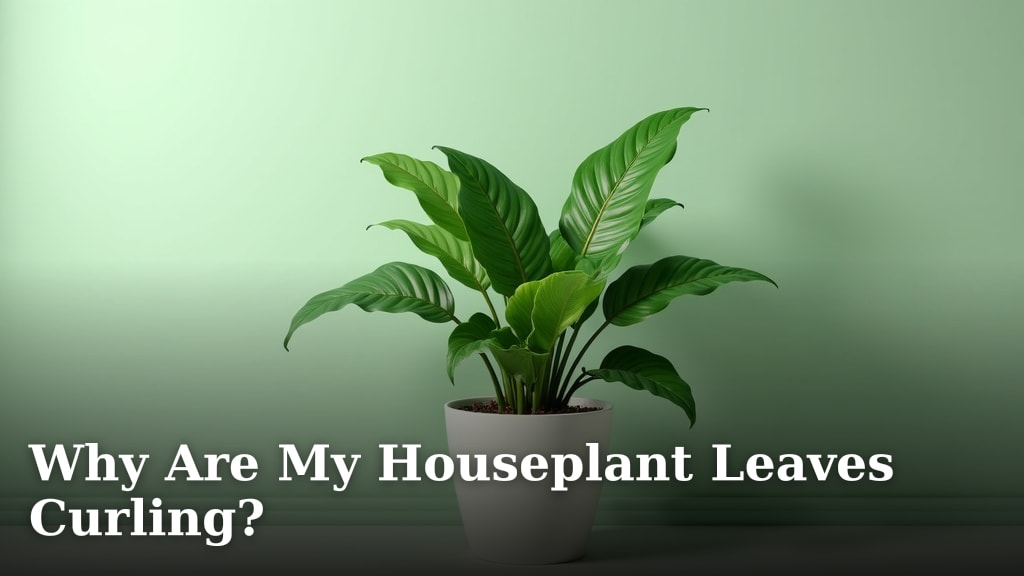
Your houseplant leaves are curling primarily because of stress, often from an imbalance in their environment. This stress can come from too much or too little water, improper light, or even temperature fluctuations. It’s your plant’s way of signaling that something isn’t quite right.
We understand how frustrating it can be to see your leafy friends looking less than vibrant. Curling leaves are a common cry for help among houseplants, and recognizing the specific cause is the first step toward a healthy recovery. You’re not alone in facing this plant puzzle.
- Watering issues (too much or too little).
- Light problems (too much sun, not enough).
- Temperature stress (drafts or heat).
- Pest infestations or diseases.
Let’s dive into the common reasons why your houseplant leaves might be curling and how you can fix them. We’ll help you diagnose the problem and get your plants thriving again.
Unraveling the Mystery of Curling Houseplant Leaves
Curling leaves are your plant’s main way of telling you it’s not happy. Understanding these signals helps you provide better care.
Thirsty or Drowning? Watering Woes
The most common culprits behind leaf curl often involve water. It’s a delicate balance, isn’t it?
Underwatering: The “Crispy Taco” Curl
When your plant doesn’t get enough water, its leaves curl inward. Think of it like a taco shell. This helps the plant reduce the surface area exposed to air, conserving what little moisture it has (University of California Agriculture and Natural Resources).
You might notice the leaves also feel crispy or brittle. The soil will likely be dry to the touch, often pulling away from the sides of the pot. Your plant might look generally droopy and sad.
To fix this, give your plant a good, thorough drink. Water until it flows out of the drainage holes at the bottom of the pot. Let it soak for a bit if the soil is very dry, then drain any excess. You might need to water more frequently, especially during warmer months or if your home is dry.
Overwatering: The “Soft Taco” Curl
Believe it or not, too much water can also cause leaves to curl. This usually looks different; the leaves might curl downward or have a softer, limper feel. They may also start to turn yellow or brown. Your plant is essentially suffocating its roots because they can’t get oxygen.
The soil will likely feel soggy or constantly wet. You might even see mold on the surface. If you suspect overwatering, check the drainage. Is the pot sitting in standing water? Is the pot too big for the plant, holding too much moisture?
To recover, stop watering immediately. Allow the soil to dry out significantly before watering again. Ensure your pot has adequate drainage holes. If the soil is severely waterlogged, you might need to repot your plant into fresh, drier soil. This gives the roots a chance to breathe.
The Right Light: Not Too Much, Not Too Little
Just like Goldilocks, plants need their light “just right.” Improper lighting is a frequent cause of leaf curling.
Too Much Light: Sunburn and Stress
If your plant is getting too much direct sunlight, especially sensitive varieties, its leaves may curl inward. This is another defense mechanism, similar to underwatering, to protect itself from intense light and reduce water loss through transpiration (Royal Horticultural Society). You might also see discoloration, like yellowing or white patches, where the sun has scorched the leaves.
Is your plant near a sunny window without any shade? Consider moving it further back or adding a sheer curtain to diffuse the light. Most houseplants prefer bright, indirect light rather than harsh, direct rays.
Not Enough Light: Stretching for Sun
While less common for curling, a lack of light can cause other issues that indirectly lead to curling or misshapen leaves. Plants will often stretch toward the light source, becoming leggy. This abnormal growth can sometimes result in distorted or poorly formed leaves that might appear to curl.
If your plant looks stretched out, pale, and isn’t growing well, it probably needs more light. Move it closer to a window or consider supplementing with a grow light. Pay attention to its natural growth habit.
Temperature and Humidity: Environmental Factors
Your plant’s natural environment often dictates its preferred temperature and humidity. Sudden changes can lead to stress.
Temperature Stress: Drafts and Extremes
Houseplants are sensitive to temperature fluctuations. A sudden drop in temperature, like a cold draft from a window or an air conditioning vent, can cause leaves to curl downward. They are trying to conserve warmth and protect themselves. Conversely, extreme heat can also cause leaves to curl as the plant attempts to prevent excessive moisture loss. Many varieties prefer consistent, moderate temperatures (USDA).
Check for drafts near windows or doors. Is your plant too close to a heat vent or a cold air return? Relocate your plant to a spot with a more stable temperature. Aim for room temperature environments, generally between 65-75°F (18-24°C) for most common houseplants.
Low Humidity: Desert-Like Conditions
Many popular houseplants, like ferns and tropical plants, originate from humid environments. If your home has dry air, especially in winter when heating systems are running, your plant’s leaves might curl. This is often an attempt to reduce the amount of water lost through their leaves. You might also notice crispy edges or brown tips.
There are several ways to boost humidity:
- Place a pebble tray with water beneath the plant.
- Mist your plant’s leaves regularly (though this is a temporary solution).
- Group plants together to create a microclimate.
- Use a humidifier in the room.
Even a small increase can make a big difference for humidity-loving plants.
Pests and Diseases: Unwelcome Visitors
Sometimes, the problem isn’t environmental but rather tiny invaders or unseen illnesses. These can cause a range of symptoms, including leaf curling.
Pest Infestations: Tiny Trouble Makers
Sap-sucking pests like aphids, spider mites, mealybugs, and whiteflies can cause leaves to curl. As they feed, they extract vital nutrients and fluids from the plant, stressing it out. The leaves might curl, distort, or become discolored. You often need to look very closely to spot them.
Turn over a leaf. Do you see tiny webs (spider mites)? Small, cottony masses (mealybugs)? Or tiny green, black, or white bugs clustered on stems (aphids/whiteflies)?
Treating pests involves careful cleaning and often an insecticide. Many experts suggest starting with a gentle approach, like wiping leaves with a damp cloth or spraying with insecticidal soap. For persistent infestations, stronger treatments might be necessary. Always isolate an infested plant to prevent spread.
Nutrient Deficiencies or Excesses
While less direct, an imbalance in nutrients can sometimes lead to leaf malformation, including curling. For instance, a lack of calcium can cause new leaves to emerge distorted and curled. Too much fertilizer (nutrient burn) can also stress a plant, leading to brown tips and overall decline, which may include curling.
If you’ve ruled out other causes, consider your fertilization routine. Are you fertilizing too much, too little, or with the wrong type of fertilizer? Always follow the product’s instructions and fertilize during the plant’s active growing season.
The Cure for the Curl: A Quick Checklist
It can feel like a puzzle, but a systematic approach helps. Here’s a quick checklist to help you troubleshoot your plant’s curling leaves:
| Potential Cause | Leaf Appearance/Symptoms | Quick Fix/Solution |
|---|---|---|
| Underwatering | Inward curl, crispy, dry soil, droopy | Water thoroughly until drainage; increase frequency. |
| Overwatering | Downward curl, soft/limp, yellow, soggy soil | Let soil dry out; check drainage; repot if necessary. |
| Too Much Light | Inward curl, scorched spots, bleached areas | Move to indirect light; add sheer curtain. |
| Low Humidity | Inward curl, crispy edges/tips, dry air | Mist, pebble tray, humidifier. |
| Temperature Stress | Downward curl, near draft/vent | Move to stable temperature spot. |
| Pests | Distorted curl, tiny bugs, sticky residue, webs | Identify pest; treat with insecticidal soap or other methods. |
Here’s a quick list to guide you:
- Check the soil moisture: Is it bone dry or soaking wet? This is your first clue.
- Assess the light exposure: Is it getting direct sun or not enough brightness?
- Feel the air: Is your home very dry? Any cold drafts or hot spots?
- Inspect for pests: Use a magnifying glass if needed; check under leaves and stems.
- Review your feeding schedule: When did you last fertilize, and how much?
By systematically going through these possibilities, you can narrow down the reason your plant’s leaves are curling and bring it back to its happy, healthy self.
Conclusion
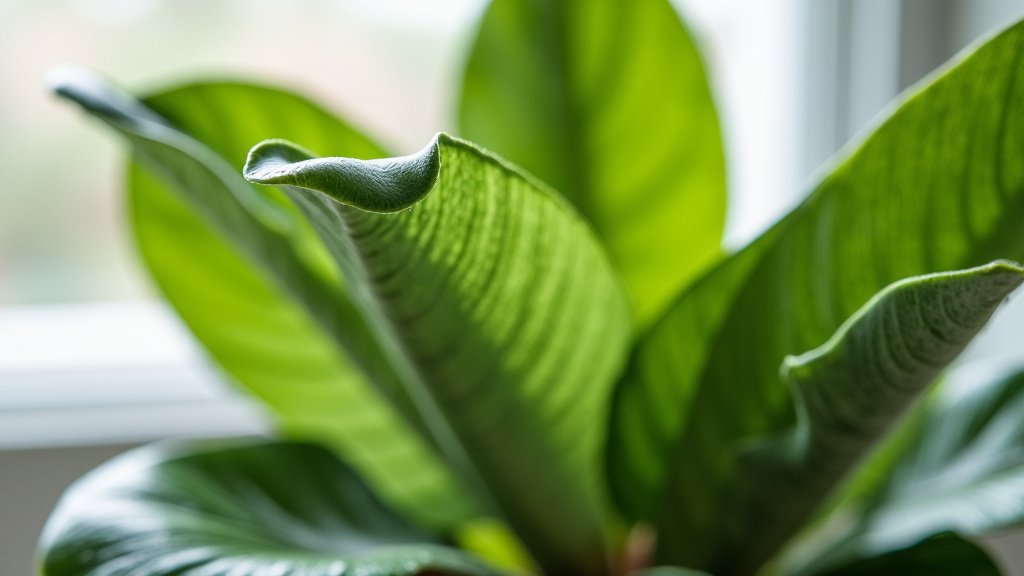
Curling leaves are your houseplant’s way of communicating distress. By understanding the common causes—like watering imbalances, lighting issues, temperature stress, or pests—you can quickly identify what your plant needs. Take a moment to observe your plant and its environment closely.
You now have the tools to troubleshoot and revive your green companions. Don’t be discouraged; every plant parent faces these challenges. With a little detective work and timely adjustments, you can help your plants thrive and bring vibrant life back to your home.
Frequently Asked Questions
Why are only the new leaves on my houseplant curling?
If only the new leaves are curling, it often points to a nutrient deficiency, particularly calcium, or an issue with very young, tender growth being exposed to harsh conditions. It could also signal a systemic pest problem that targets new shoots.
Can repotting cause leaves to curl?
Yes, repotting can cause temporary leaf curling due to transplant shock. The plant’s roots are disturbed, making it harder to absorb water initially. Give your plant time to adjust, ensure proper watering, and avoid further stress.
My plant’s leaves are curling and turning yellow. What does that mean?
Curling leaves combined with yellowing often indicate overwatering, nutrient deficiencies, or root rot. Check the soil moisture first; soggy soil is a strong sign of overwatering. Root issues prevent the plant from taking up essential nutrients.
How quickly can I expect leaves to uncurl after fixing the problem?
The speed of recovery depends on the severity of the issue and the plant species. Some plants may show improvement within a few days, while others might take a week or two. Severely damaged leaves may not fully uncurl but new growth should appear healthy.
Can indoor air conditioning or heating make houseplant leaves curl?
Absolutely. Both air conditioning and heating systems can drastically lower humidity levels and create drafts. These sudden changes in temperature and moisture in the air can stress your plants, causing their leaves to curl as a protective measure.
