
Can You Grow Vegetables Indoors Year Round?
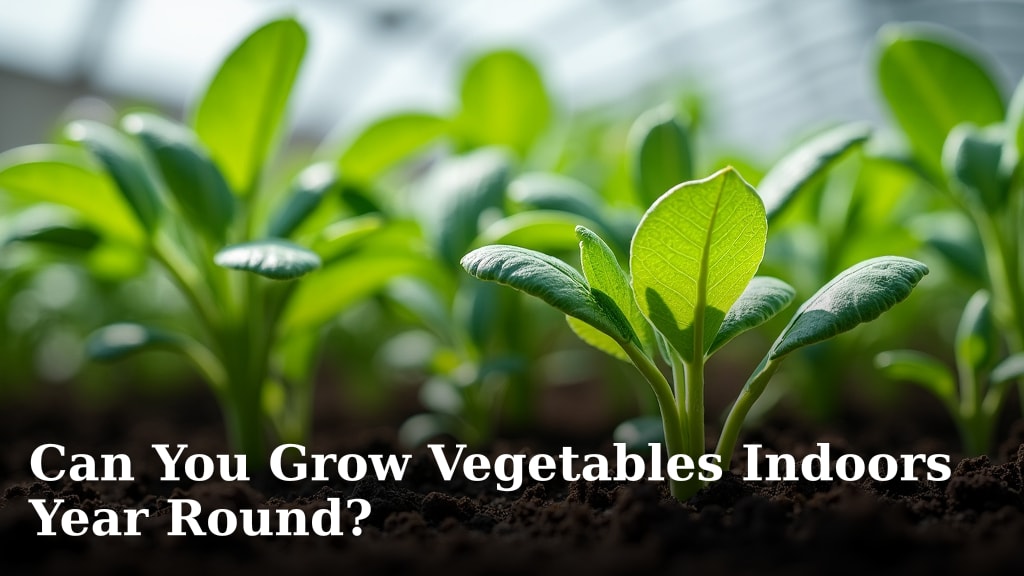
Yes, you absolutely can grow vegetables indoors year-round, even if you live in a cold climate or have limited outdoor space. With the right setup, you can enjoy fresh produce whenever you want.
Many people think indoor gardening is complicated, but it’s often simpler than you imagine. You just need to create the right conditions for your plants to thrive, making it an accessible hobby for almost anyone. We’ve found that proper lighting and consistent care are key for success.
- Indoor gardening is possible all year.
- You need proper lighting and care.
- It’s easier than you might think.
- Fresh produce is available anytime.
So, are you ready to turn your home into a thriving indoor garden? Let’s walk through everything you need to know to start growing your own vegetables indoors.
Cultivating Vegetables Indoors All Year Long
Yes, you can absolutely grow vegetables indoors all year. With the right techniques and a little planning, you can enjoy fresh, homegrown produce no matter the season or outside weather.
Many home gardeners are discovering the joy of indoor growing. It’s a wonderful way to have control over your food source. Plus, it brings a bit of nature inside your home.
Why Grow Vegetables Indoors?
There are many compelling reasons to start an indoor garden. You might be surprised at the benefits.
- Year-Round Freshness: No more waiting for summer to enjoy your favorite veggies.
- Pest Control: Indoor environments naturally have fewer pests. This means less worry for you.
- Weather Independence: Harsh winters or scorching summers won’t impact your harvest.
- Space Efficiency: You can grow a surprising amount in a small apartment or home.
- Educational: It’s a great way to learn about plant life cycles. Kids often love helping too.
- Stress Relief: Gardening can be a very calming and rewarding hobby.
We’ve found that indoor gardening offers a unique sense of satisfaction. There’s something special about harvesting food you grew yourself.
What You Need for a Thriving Indoor Garden
To succeed, you’ll need to create an optimal environment for your plants. Think about what they need to flourish outdoors.
Then, you’ll need to replicate those conditions inside. Don’t worry; it’s easier than it sounds.
Light: The Most Critical Element
Plants need light for photosynthesis. This is how they make their food.
Without enough light, your plants will be weak and won’t produce much. Natural sunlight from a window might not be enough, especially in winter.
Many indoor gardeners use grow lights. These specialized lights mimic natural sunlight. They provide the full spectrum of light your plants crave.
- LED Grow Lights: These are energy-efficient and produce little heat. They are a popular choice.
- Fluorescent Lights: Good for seedlings and leafy greens. They are less expensive upfront.
- High-Pressure Sodium (HPS) & Metal Halide (MH): More powerful, often used for fruiting plants. They can be more costly and produce more heat.
Consider a timer for your lights. Plants typically need 12-16 hours of light per day. Consistency is key for healthy growth.
Temperature and Humidity
Most vegetables prefer temperatures between 65-75°F (18-24°C). Keep your indoor garden away from drafts or heat vents.
Humidity is also important. Many plants like moderate humidity, around 40-60%. You can increase humidity with a humidifier or by misting your plants (Mayo Clinic).
Containers and Growing Medium
Choosing the right containers is important. They need drainage holes to prevent root rot. We found that fabric pots are excellent for air circulation.
Don’t use garden soil indoors. It can introduce pests and diseases. Instead, use a sterile, peat-free potting mix. Look for mixes designed for vegetables.
You can also explore hydroponics or aquaponics. These methods grow plants without soil. They often yield faster results but require a more advanced setup.
Watering and Nutrients
Watering correctly is vital. Overwatering is a common mistake for beginners. Check the soil moisture before watering. Stick your finger about an inch deep into the soil. If it feels dry, it’s time to water.
Since potting mixes have limited nutrients, you’ll need to fertilize. Use a balanced liquid fertilizer designed for vegetables. Follow the package instructions carefully (National Gardening Association).
Best Vegetables to Grow Indoors
Some vegetables are better suited for indoor growing than others. Start with these easier options for success.
We recommend beginning with plants that don’t need a lot of space or intense light.
Leafy Greens and Herbs
These are often the easiest and most rewarding. They grow quickly and don’t need deep pots.
- Lettuce (various types): Loose-leaf varieties are great for continuous harvesting.
- Spinach: Grows well in cooler indoor temperatures.
- Kale: Compact varieties are perfect for containers.
- Arugula: A peppery green that thrives indoors.
- Swiss Chard: Beautiful and productive.
- Herbs (Basil, Mint, Chives, Parsley, Cilantro, Thyme, Rosemary): Most herbs are fantastic for indoor growing. Place them near a sunny window if possible.
You can harvest individual leaves from these plants. This means you get a continuous supply without replanting often.
Fruiting Vegetables for the Dedicated Grower
These require more light and attention, but the reward is worth it. They often need larger pots too.
- Cherry Tomatoes: Look for “determinate” or “bush” varieties. They stay smaller.
- Dwarf Peppers (Bell, Chili): Some varieties are bred for container growing.
- Strawberries: Everbearing varieties can produce fruit year-round.
- Bush Beans: Grow quickly and don’t take up too much vertical space.
For fruiting plants, you might need to hand-pollinate the flowers. Use a small paintbrush or cotton swab to transfer pollen between blossoms.
Setting Up Your Indoor Garden Space
Where will you put your garden? Consider these factors when choosing a spot.
You’ll need space for plants, lights, and easy access for watering and care.
Location, Location, Location
A spare room, a corner in your living area, or even a bookshelf can work. Think about light availability first.
If you’re using grow lights, any dark corner can become a thriving garden. Just ensure it’s easy to reach your plants.
Vertical gardening systems are great for maximizing space. You can stack planters or use wall-mounted options.
Essential Tools and Supplies Checklist
Getting started is easy with the right tools. Here’s a basic checklist:
- Grow lights (LED are recommended for beginners)
- Timer for lights
- Containers with drainage holes
- High-quality potting mix (soil-free)
- Seeds or starter plants
- Watering can with a narrow spout
- Liquid vegetable fertilizer
- Small hand trowel or scoop
- Plant mister (optional, for humidity)
- Small fan (optional, for air circulation)
Having these items ready will make your gardening journey much smoother. You won’t have to stop and buy things constantly.
Common Challenges and How to Overcome Them
Every gardener faces challenges. Don’t get discouraged! Many issues are easy to fix.
Pests
Even indoors, pests can sometimes appear. Fungus gnats, spider mites, or aphids are the most common.
We found that good air circulation helps. A small fan can keep pests from settling. For existing pests, try neem oil spray or insecticidal soap (Oregon State University Extension Service).
Always inspect new plants before bringing them into your indoor garden. This prevents new pest introductions.
Diseases
Poor air circulation and overwatering can lead to fungal diseases. Ensure your plants have enough space between them.
Always use sterile potting mix. Disinfect your containers before reusing them. If a plant looks sick, it’s often best to remove it to protect others.
Nutrient Deficiencies
Yellowing leaves or stunted growth can signal a lack of nutrients. This is why regular fertilization is so important.
Follow the fertilizer instructions carefully. Too much can be as harmful as too little. Different plants have different needs, so observe your plants closely.
The Joys of Harvesting Year-Round
Imagine picking fresh basil for your pasta in January. Or enjoying homegrown lettuce in December. It’s entirely possible.
Indoor gardening allows you to experience the freshest produce. You control what goes into your food. No pesticides, just pure, wholesome goodness.
Start small, learn as you go, and you’ll soon be enjoying the fruits (and vegetables!) of your labor. What a delightful way to nourish yourself and your family.
Conclusion
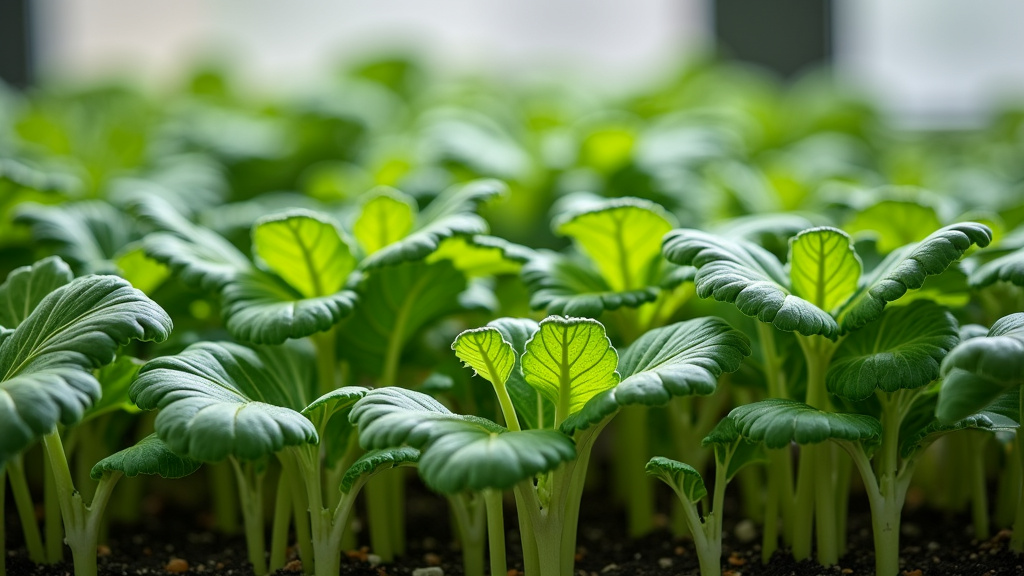
Growing vegetables indoors year-round is not just a dream; it’s a rewarding reality. By understanding your plants’ needs for light, water, and nutrients, you can create a thriving indoor garden. We’ve found that starting with easier leafy greens and herbs builds confidence and provides quick harvests. You’ll gain a deeper connection to your food source and enjoy fresh, homegrown produce regardless of the weather outside. So, pick your first plant, set up your light, and start enjoying the continuous bounty.
Frequently Asked Questions
Can I use regular potting soil for my indoor vegetables?
No, it’s best to avoid regular garden soil indoors. It can introduce pests and diseases into your home. Instead, opt for a sterile, peat-free potting mix specifically designed for container vegetables to ensure a healthy start.
How do I know if my indoor plants are getting enough light?
If your plants are stretching, looking leggy, or have pale leaves, they likely aren’t getting enough light. Healthy indoor vegetables will have compact growth and vibrant green foliage. Adjust your grow light’s height or duration to provide adequate light.
What’s the easiest indoor vegetable for beginners to grow?
Leafy greens like lettuce, spinach, and arugula, along with herbs such as basil and chives, are excellent choices for beginners. They grow quickly, don’t require intense light, and can be harvested continuously, providing consistent success.
Do indoor plants need a fan?
A small fan can be very beneficial for indoor plants. It helps with air circulation, strengthens plant stems, and can deter common indoor pests like fungus gnats. Good airflow also reduces the risk of fungal diseases.
How often should I fertilize my indoor vegetable garden?
The frequency depends on the plant and the fertilizer’s instructions, but generally, you’ll fertilize every 2-4 weeks. Since potting mixes have limited nutrients, regular feeding with a balanced liquid vegetable fertilizer is essential for healthy growth and good yields.
