
Can You Leave Grow Lights on 24 Hours a Day?
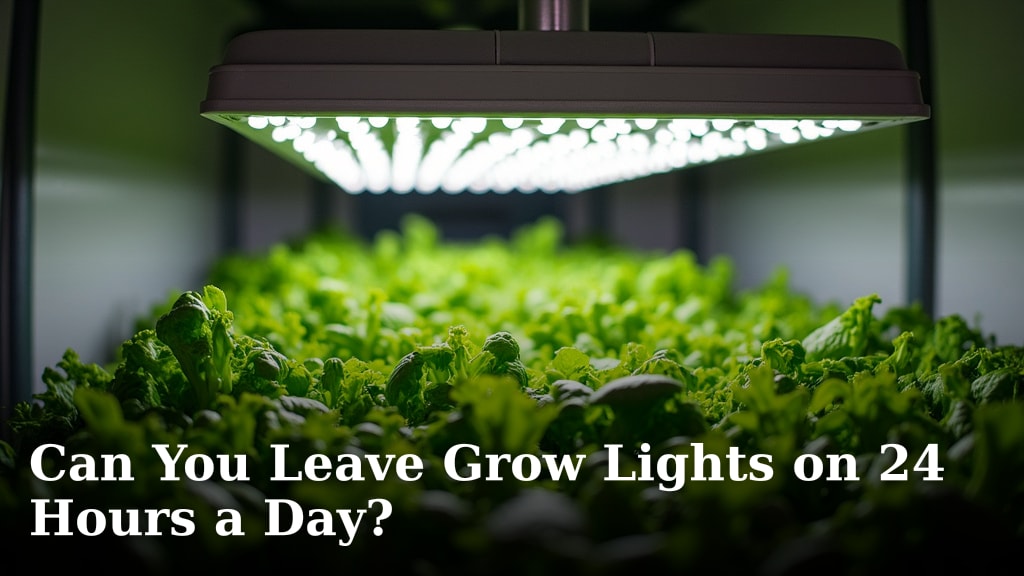
No, you generally should not leave grow lights on 24 hours a day. Plants need a period of darkness to complete essential biological processes, just like they do in nature. Skipping this dark period can stress your plants and hinder their growth.
While it might seem like more light equals faster growth, that’s not always true for plants. We found that most plants thrive on a cycle that includes both light and dark. Understanding this balance is key to healthy plant development and successful harvests.
- Plants need darkness for proper growth.
- Leaving lights on 24/7 stresses plants.
- It can disrupt natural plant cycles.
- Different plants have different light needs.
- A balanced light-dark cycle is best.
Want to know the perfect lighting schedule for your green friends? Let’s break down exactly why darkness is so important and how to set up an ideal grow light routine.
Why Can’t Plants Have Light All the Time?
Plants are amazing organisms, but they aren’t machines that simply absorb light endlessly. Just like you need sleep, plants need darkness to thrive. We found that this dark period is critical for several key biological functions.
Think of it like this: your plants need a proper bedtime. Without it, they get cranky, stressed, and their growth suffers. It’s a delicate balance of sun and rest.
The Science Behind Plant Sleep Cycles
You might wonder, what exactly happens when the lights go out? It’s more than just a break from photosynthesis. Darkness triggers a different set of processes.
Respiration and Energy Consumption
During the day, plants use light energy to create sugars through photosynthesis. This is like them making their food. But at night, a process called respiration kicks in. During respiration, plants actually consume some of those sugars they made during the day.
This is how they get the energy to grow, build new cells, and repair themselves. It’s a bit like your body burning calories while you sleep to keep everything running. Without this dark period for respiration, plants can’t efficiently use the energy they’ve stored (National Library of Medicine).
Photoperiodism and Flowering
Many plants rely on the length of light and dark periods to know what time of year it is. This is called photoperiodism. It tells them when to flower, produce fruit, or even go dormant.
If you disrupt this natural rhythm by providing constant light, your plants might get confused. They might not flower at all, or they might flower at the wrong time. This is especially true for “short-day” and “long-day” plants.
- Short-day plants need long periods of darkness to flower (e.g., chrysanthemums, poinsettias).
- Long-day plants need short periods of darkness to flower (e.g., spinach, lettuce, grains).
- Day-neutral plants aren’t affected by light duration for flowering (e.g., tomatoes, cucumbers).
Knowing your plant type is really important here. We found that most indoor growers benefit from understanding this natural timing.
Nutrient Transport and Water Uptake
Darkness also plays a role in how plants move water and nutrients. During the day, transpiration (water evaporation from leaves) pulls water up from the roots. At night, this process slows down. This shift allows the plant to efficiently redistribute nutrients throughout its structure.
Imagine a complex delivery system. The daytime is for receiving and making goods, and the nighttime is for organizing and sending them to where they’re needed most. Without this nighttime organizational period, the system can become less efficient.
What Happens When You Keep Grow Lights On 24/7?
You might think more light means more growth, right? Not exactly. We found that continuous light can actually harm your plants. It’s not a shortcut to bigger yields or faster development.
Symptoms of Light Stress on Plants
Just like people, plants show signs of stress. When subjected to constant light, you might notice some worrying changes in your green companions.
Leaf Discoloration and “Burning”
One of the first signs is often a yellowing or browning of the leaves. This isn’t always a nutrient deficiency. It can be a direct result of too much light exposure. The leaves can look “bleached” or burnt, especially around the edges. This happens because the plant’s photosynthetic machinery is working overtime with no break, leading to damage.
Stunted Growth and Reduced Yield
Instead of growing faster, your plants might stop growing altogether. Their growth can become stunted, and they might even start to wilt. For flowering or fruiting plants, you’ll likely see a significantly reduced yield. They won’t produce as many flowers or fruits, and what they do produce might be smaller or lower quality.
We found that this is a common pitfall for new growers who believe constant light is beneficial. It’s counter-intuitive, but plants really do need that rest.
Increased Susceptibility to Pests and Diseases
A stressed plant is a weak plant. When your plants are struggling with light stress, their natural defenses are lowered. This makes them more vulnerable to common pests like spider mites or aphids, and various plant diseases. Think of it as a tired immune system – less able to fight off invaders.
Maintaining a healthy light cycle is a simple way to help your plants stay strong and resilient.
The Cost of Continuous Lighting
Beyond the harm to your plants, running grow lights 24/7 also has practical drawbacks that impact your wallet.
Most obviously, your electricity bill will be much higher. Grow lights, especially powerful ones, consume a good amount of energy. Keeping them on all the time drastically increases your power usage, adding unnecessary expense.
Additionally, constant use shortens the lifespan of your grow lights. LED lights, while durable, still degrade over time. Running them non-stop means you’ll have to replace them more often, leading to higher maintenance costs in the long run.
Finding the Perfect Light-Dark Schedule for Your Plants
So, if 24/7 light isn’t the answer, what is? The ideal schedule depends on your specific plants and their growth stage. It’s about mimicking nature’s rhythm as closely as possible indoors.
General Guidelines for Grow Light Cycles
While specific needs vary, we found some general rules that apply to most indoor plants. These are great starting points for your grow setup.
| Plant Type / Stage | Recommended Light Cycle | Why This Works |
|---|---|---|
| Seedlings / Young Veg. Growth | 16-18 hours light / 6-8 hours dark | Encourages robust vegetative growth, mimics spring/early summer. |
| Mature Vegetative Growth | 18 hours light / 6 hours dark | Supports continued leaf and stem development, ample energy intake. |
| Flowering / Fruiting Plants | 12 hours light / 12 hours dark | Crucial for triggering flowering in many photoperiod-dependent plants. |
| Root Vegetables (e.g., carrots) | 14-16 hours light / 8-10 hours dark | Good balance for foliage and root development. |
| Day-Neutral Plants (e.g., tomatoes) | 14-16 hours light / 8-10 hours dark | They flower regardless of light length, but still need dark for health. |
Remember, these are guidelines. Always check the specific requirements for the plants you are growing. A quick search will usually give you the best advice for your particular variety.
Setting Up Your Grow Light Timer
You don’t need to babysit your grow lights. A simple and affordable solution is a timer. We found that timers take all the guesswork out of maintaining a consistent light schedule. They are truly a game-changer for indoor gardening.
Here’s a quick checklist for setting up your timer:
- Choose a reliable timer: Digital timers offer more precision.
- Plug your lights into the timer: Make sure it’s rated for your light’s wattage.
- Set your “on” time: Pick a time that’s convenient for you to observe your plants.
- Set your “off” time: Calculate the dark period needed for your specific plants.
- Test the cycle: Observe for a day to ensure it’s working correctly.
- Adjust as plants grow: Change the schedule as your plants move through different life stages.
A consistent schedule is much better than an inconsistent one. Your plants prefer routine, just like you do.
Observing Your Plants for Feedback
Even with the perfect schedule, your plants will tell you if something is off. You are their best observer! Pay attention to how they respond to your lighting. Are they thriving? Or are they showing signs of stress?
Look for healthy, vibrant green leaves and steady growth. If leaves are drooping, curling, or changing color, it might be a sign to adjust your light intensity or duration. Sometimes, less is truly more when it comes to artificial light.
