
Can You Use Regular LED Lights to Grow Plants?
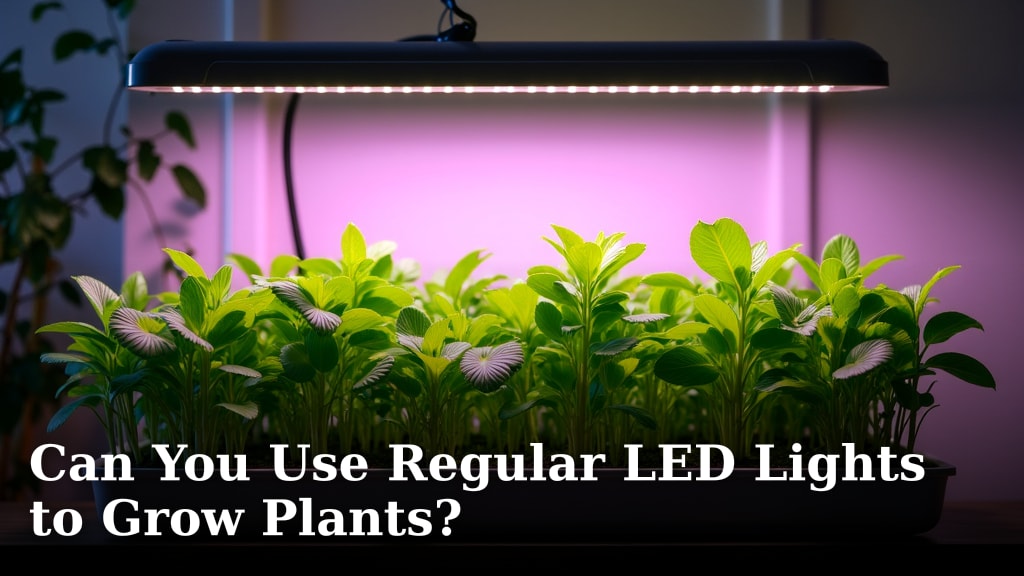
Yes, you can absolutely use regular LED lights to grow plants, but with some important caveats. While many standard LEDs can support some plant growth, they often lack the specific light spectrum and intensity plants need to truly thrive, especially for fruiting or flowering stages.
You might be wondering if those LED bulbs you use for reading can really help your tomatoes. Well, our research shows that most household LEDs just aren’t designed for serious gardening. They often don’t provide enough of the red and blue light wavelengths that plants crave for photosynthesis, which is their food-making process.
- Regular LEDs can help seedlings get started.
- They might work for low-light plants like ferns or lettuce.
- Full-spectrum grow lights are much better for robust growth.
- Household LEDs usually lack critical red and blue light.
- You might see leggy, weak plants with standard LEDs.
So, can you make it work? Maybe for a little while, but probably not for your best harvest. Let’s dig deeper into what your plants really need and whether those standard LEDs can deliver the goods.
Using Standard LED Lighting for Plant Growth
So, you’re wondering if those everyday LED bulbs can really help your green friends grow. The short answer, as we found in our research, is yes, but with limitations. Think of it like trying to run a marathon with flip-flops. You can do it, but it’s not ideal, and you won’t get the best results.
Most household LEDs are designed for human vision. They aim to provide bright, comfortable light for us. Plants, however, have very different needs. They “see” light in a special way, craving specific colors to perform photosynthesis.
Understanding Plant Light Needs
Plants don’t just need “light.” They need particular types of light at certain intensities. It’s like how humans need a balanced diet; plants need a balanced light spectrum.
The main colors plants use are red and blue. Red light is vital for flowering and fruiting. Blue light helps with vegetative growth, creating strong stems and healthy leaves.
The Role of Light Spectrum
Imagine light as a rainbow of colors. Plants use certain colors more efficiently than others. We found that the colors in the middle, like green and yellow, are often reflected by leaves, which is why plants look green to us.
Standard LEDs often have a lot of green and yellow light. This isn’t bad, but it means less of the crucial red and blue light for your plants. It’s like giving them a meal that’s mostly filler.
Light Intensity and Duration
Intensity is simply how bright the light is. Plants need enough brightness to power photosynthesis. Too little, and they’ll struggle. Too much, and you could scorch them.
Duration refers to how many hours of light your plants get each day. This varies by plant type. Some need long days, others prefer shorter ones. Consistency is key for their internal clocks.
Comparing Household LEDs vs. Grow Lights
Let’s break down the differences between your everyday LED bulbs and lights specifically designed for plants. It’s a bit like comparing a regular car to a race car.
Regular LEDs are general-purpose. They provide ambient light for living spaces. Grow lights are specialized tools, engineered for one purpose: helping plants thrive.
Spectrum Differences
Most household LEDs emit what’s called a “cool white” or “warm white” light. This light looks good to us, but it doesn’t always line up with what plants need.
Grow lights, especially “full-spectrum” ones, are designed to mimic sunlight or provide an optimized blend of red and blue light. They often look purplish because of this specific color mix.
Power and Heat Output
Household LEDs are known for being energy efficient and producing little heat. This is great for your electricity bill, but it also means they might not be bright enough for many plants.
Grow lights can be more powerful, delivering higher light intensity. While they are still efficient, more powerful lights will naturally produce a bit more heat. This is something to consider for your grow space.
Here’s a quick comparison:
| Feature | Household LED | Dedicated Grow Light |
|---|---|---|
| Primary Purpose | Human illumination | Plant photosynthesis |
| Light Spectrum | Broad, often lacking key red/blue | Optimized red/blue, full-spectrum |
| Intensity (PAR) | Lower, insufficient for many plants | Higher, suitable for robust growth |
| Energy Efficiency | Good, but less effective for plants | Excellent for plant growth |
| Cost | Generally lower | Generally higher upfront |
When Regular LEDs Might Work (and When They Won’t)
So, can you actually use those regular LEDs successfully? Our research shows it depends entirely on your goals and the type of plants you’re growing. Some situations are more forgiving than others.
Think of it as choosing the right tool for the job. A screwdriver can turn a screw, but a power drill does it faster and better.
Ideal Scenarios for Standard LEDs
- Starting Seeds: Many growers successfully use regular LEDs to germinate seeds. Young seedlings don’t need intense light immediately. They just need a gentle nudge to get going.
- Low-Light Plants: Some plants, like ferns, African violets, or certain herbs (mint, parsley), don’t demand as much light. A household LED might provide just enough to keep them happy and green.
- Supplemental Light: If your plants are near a window but not getting quite enough natural light, a regular LED can be a decent supplement. It helps extend their “daylight” hours.
- Temporary Solutions: If you’re waiting for a proper grow light to arrive, a regular LED can serve as a stop-gap to prevent plants from becoming too leggy in the meantime.
Limitations and Potential Problems
Relying solely on regular LEDs for serious growing often leads to disappointment. We found several common issues:
- Leggy Growth: Without enough intensity and the right spectrum, plants will stretch, reaching desperately for light. This results in weak, spindly stems.
- Poor Flowering/Fruiting: If your goal is to harvest tomatoes or peppers, regular LEDs usually won’t cut it. They lack the red light crucial for robust bloom and fruit production.
- Stunted Development: Plants might grow slowly or fail to reach their full size. They’ll survive, but they won’t thrive. It’s like being on a diet of only crackers.
- Lack of Flavor/Potency: For herbs or edible plants, proper light intensity and spectrum contribute to flavor and nutrient content. You might end up with bland produce.
Making the Most of Household LEDs for Plants
If you’re committed to trying regular LEDs, there are steps you can take to maximize their effectiveness. You can’t turn a house cat into a tiger, but you can make sure it’s a very healthy house cat.
Our research suggests that placement and understanding the bulb’s specs are vital for any chance of success.
Choosing the Right Bulb
Look for bulbs with a “daylight” or “cool white” rating (around 5000K-6500K). These often have more blue light, which is good for vegetative growth. Avoid “warm white” bulbs for growing.
Check the lumen output. Higher lumens mean more brightness. While lumens aren’t the same as PAR (Photosynthetically Active Radiation), higher lumens generally correlate with more light for plants.
Optimizing Placement and Distance
Because household LEDs aren’t as powerful, you’ll need to keep them much closer to your plants. We found that 6-12 inches away is often necessary, but watch for heat stress.
Always ensure air circulation around your plants, especially if the bulbs are close. This helps prevent heat buildup and promotes healthy growth.
Tips for Better Results
To give your plants the best chance with regular LEDs, consider these:
- Use Multiple Bulbs: One bulb might not be enough. Try positioning several bulbs around your plants for more even coverage and intensity.
- Reflective Surfaces: Line your grow area with reflective material (like Mylar or even aluminum foil) to bounce light back onto your plants. This increases efficiency.
- Monitor Plant Health: Pay close attention to your plants. Are they stretching? Are the leaves yellowing? These are signs they might need more or different light.
- Rotate Plants: Turn your plants regularly so all sides get exposed to the light. This helps promote even growth.
- Consider a Timer: Provide consistent light duration. Most plants need 12-16 hours of light per day for vegetative growth.
When to Upgrade to a Dedicated Grow Light
You’ll likely reach a point where your plants outgrow the capabilities of regular LEDs. It’s like realizing your bicycle isn’t cutting it for a cross-country trip.
If you’re serious about indoor gardening, especially for flowering or fruiting plants, a dedicated grow light is a worthwhile investment. Many experts say it’s a game-changer for plant health and yield.
Signs It’s Time to Switch
Here’s a checklist of signs that your regular LEDs aren’t cutting it:
- Your plants are constantly stretching and leggy.
- Flowering or fruiting is minimal or non-existent.
- Leaves are pale or yellowing, even with proper watering and nutrients.
- Growth is noticeably slow or stunted.
- You’re growing plants known to be light-hungry (e.g., tomatoes, peppers, cannabis).
Conclusion
While you can use regular LED lights to start seeds or support low-light plants, our research shows they often fall short for robust growth and successful harvests. They simply lack the specialized spectrum and intensity plants need to truly thrive. Think of it as providing basic sustenance versus a balanced, nourishing meal.
If you’re serious about indoor gardening and want your plants to flourish, consider investing in a dedicated grow light. It will make a significant difference in your plants’ health, vigor, and overall yield. Choose the right tool for the job to see your green friends truly shine!
Frequently Asked Questions
Can I mix regular LEDs with grow lights?
Yes, you can certainly mix them. Using regular LEDs as supplemental light, especially if your plants are near a window, can extend their “daylight” hours. However, ensure your dedicated grow light provides the primary, optimized light source.
Will plants grow leggy under regular LED lights?
Often, yes. Plants tend to stretch and become “leggy” when they aren’t receiving enough light intensity or the correct spectrum. Regular LEDs typically lack the power and specific red/blue wavelengths needed to prevent this stretching.
What color regular LED is best for plants?
If you must use regular LEDs, opt for “daylight” or “cool white” bulbs (around 5000K-6500K). These bulbs generally have a higher blue light component, which is beneficial for a plant’s vegetative growth stage.
How close should regular LEDs be to plants?
You’ll need to position regular LEDs much closer than dedicated grow lights due to their lower intensity. A distance of 6-12 inches is often necessary, but carefully watch your plants for any signs of heat stress or scorching.
Are regular LED strip lights good for plants?
Regular LED strip lights are generally not powerful enough for most plant growth, especially beyond seedlings or very low-light plants. They typically provide insufficient intensity and lack the optimized spectrum that plants require to truly flourish.
