
What Is the Best Soil for Indoor Plants?
The best soil for indoor plants is a well-draining potting mix that provides good aeration and retains some moisture, usually a blend of peat moss, perlite, and vermiculite. You want a mix that supports healthy root growth and prevents common issues like root rot.
Choosing the right soil is key to helping your houseplants thrive. We found that the ideal mix balances drainage and water retention, providing the perfect environment for your plants. A good potting mix is often the difference between a struggling plant and a flourishing green friend.
- The right soil prevents root rot.
- A good mix drains well but holds some water.
- Ingredients like peat, perlite, and vermiculite are common.
- Different plants have different soil needs.
Let’s walk through exactly what makes a good potting mix and how to choose the perfect one for your indoor plants.
Optimal Potting Mix for Thriving Indoor Plants
The very best soil for your indoor plants isn’t just dirt from your backyard. It’s a carefully crafted blend, often called potting mix, designed to give roots exactly what they need to flourish indoors.
Think of it as a custom-made meal for your plant. It offers a balance of air, water, and nutrients that typical garden soil simply can’t provide inside a pot.
Understanding the Core Ingredients of Potting Mix
Most commercial potting mixes share a few common ingredients. Each one plays a vital role in creating that perfect environment for your plant’s roots.
Knowing these components helps you choose the right mix or even create your own special blend if you’re feeling adventurous.
Organic Matter: The Water and Nutrient Holders
Organic matter is the backbone of most potting mixes. It helps hold moisture and nutrients, slowly releasing them to your plant’s roots. It also adds a bit of structure.
- Peat Moss: This is a very common ingredient. It’s excellent at holding water and nutrients, and it breaks down slowly. However, some gardeners are looking for alternatives due to environmental concerns about peat harvesting.
- Coco Coir: Made from coconut husks, coco coir is a sustainable alternative to peat moss. It has similar water retention properties and also provides good aeration. It’s becoming increasingly popular.
- Compost or Humus: These add a rich source of nutrients and beneficial microbes. They improve soil structure and can be a fantastic addition to any mix, especially for hungry plants.
These components are like the sponge in your soil, soaking up moisture and making it available to roots over time.
Aeration Components: Giving Roots Room to Breathe
Roots need oxygen just like we do. Without proper aeration, they can suffocate, leading to common problems like root rot. These ingredients create tiny air pockets in the soil.
- Perlite: Those little white bits in potting mix? That’s perlite. It’s volcanic rock that’s been heated to expand. Perlite is lightweight and excellent for improving drainage and aeration. It doesn’t absorb water itself, but it creates space for air and water to flow freely.
- Vermiculite: Similar to perlite, vermiculite also improves aeration. However, unlike perlite, vermiculite can absorb a good amount of water and nutrients, slowly releasing them. It’s like a tiny, absorbent flake.
- Pumice: Another volcanic rock, pumice offers good drainage and aeration, similar to perlite. It’s a bit heavier and more durable, making it a good choice for larger plants that need a stable base.
- Coarse Sand or Grit: For some plants, especially succulents and cacti, adding coarse sand or fine gravel can significantly improve drainage. Make sure it’s horticultural sand, not play sand, which can compact too much.
These materials are the “fluff” that keeps your potting mix from becoming a dense, suffocating brick.
pH Balancers and Nutrients: Fine-Tuning the Mix
Some ingredients are added in smaller amounts to adjust the soil’s pH or provide initial nutrients.
- Lime: Often added to peat-based mixes to raise the pH slightly, as peat moss can be quite acidic.
- Slow-Release Fertilizers: Some commercial mixes include a small amount of slow-release fertilizer to give your plant a head start. These beads slowly release nutrients over several months.
These components ensure your plant has the right chemical environment and a little energy boost from the start.
Characteristics of a Great Indoor Plant Soil
When you’re looking at a bag of potting mix, what should you be looking for? It boils down to a few key characteristics that support healthy root development and overall plant vigor.
A good potting mix is about creating the perfect home, not just a place to sit.
Excellent Drainage: Preventing Soggy Feet
This is probably the most critical factor for indoor plants. Plants in pots don’t have the vast underground network that outdoor plants do to wick away excess water. If water sits around the roots, they drown and rot.
You want water to pass through the soil fairly quickly, leaving just enough moisture behind for the roots to absorb.
Good Aeration: Roots Need to Breathe
Hand-in-hand with drainage is aeration. Even if water drains away, if the soil is too dense, there’s no room for air. Plant roots need oxygen for cellular respiration, a vital process for growth (University of California Agriculture and Natural Resources).
A well-aerated soil feels light and somewhat fluffy, not heavy and compact.
Moisture Retention: Not Too Much, Not Too Little
While drainage is crucial, the soil still needs to hold some water. It’s a delicate balance. The soil should hold enough moisture to keep your plant hydrated between waterings, but not so much that it becomes waterlogged.
Think of it like a sponge that you’ve squeezed out – damp, but not dripping.
Nutrient Availability: Fuel for Growth
Potting mixes often contain some initial nutrients or have components that help hold onto added fertilizers. While not as rich as garden soil, a good potting mix provides a foundation for plant nutrition.
You’ll still need to fertilize your plants over time, but the soil gives them a healthy start.
Matching Soil to Your Plant’s Specific Needs
Not all plants are created equal, and neither are their soil preferences. A “one-size-fits-all” potting mix often leads to unhappy plants.
Consider what kind of environment your plant naturally grows in. Is it a desert dweller, a rainforest native, or something in between?
General Purpose Potting Mixes: The Versatile Choice
For most common houseplants like Pothos, Philodendrons, or Spider Plants, a high-quality, general-purpose indoor potting mix works well. These mixes usually contain a blend of peat moss (or coco coir), perlite, and vermiculite.
They offer a good balance of drainage, aeration, and moisture retention for a wide range of plants.
Specialized Potting Mixes: When You Need More
For plants with very particular needs, specialized mixes are your best bet. These are formulated to mimic the natural growing conditions of specific plant types.
- Cactus and Succulent Mix: These mixes are designed for plants that thrive in dry conditions. They contain a higher percentage of inorganic materials like sand, perlite, or pumice for very fast drainage. They dry out quickly, preventing root rot in these drought-tolerant plants.
- Orchid Mix: Orchids are often epiphytes, meaning they grow on other plants, not in soil. Their “mix” usually consists of large, chunky materials like bark, charcoal, and sphagnum moss. This provides excellent air circulation and quick drainage.
- African Violet Mix: These plants prefer a slightly richer, consistently moist soil. Their mixes often have more organic matter like peat or coco coir, with just enough perlite for aeration, but less than a general mix.
- Aroid Mixes (for Monsteras, Philodendrons, etc.): Many popular tropical houseplants are aroids. They love a chunky, well-draining, yet moisture-retentive mix. These often include orchid bark, perlite, coco coir, and a bit of compost.
It’s worth investing in these specialized mixes if you want your particular plants to truly thrive. They’re not just a marketing gimmick.
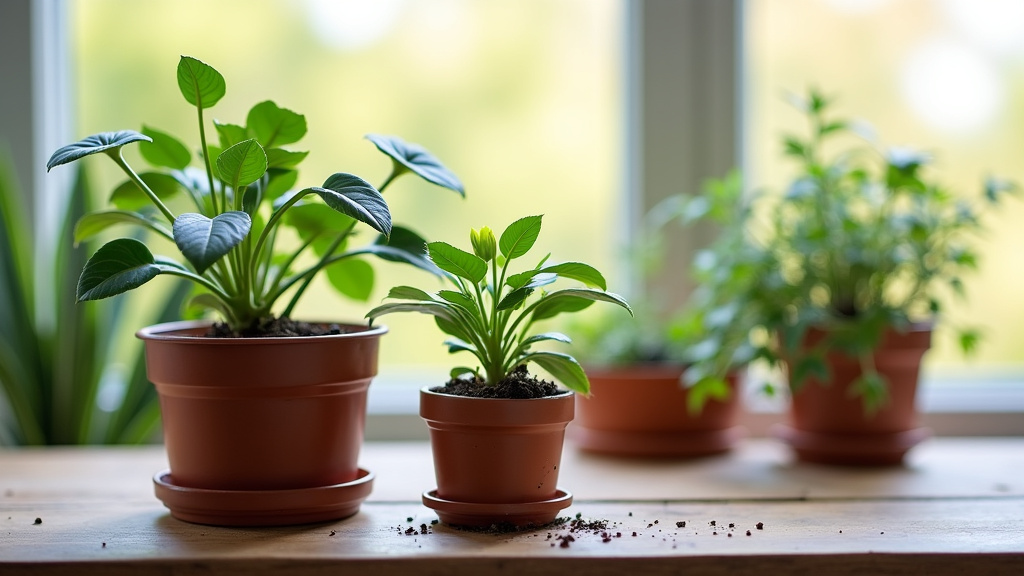
When to Consider Making Your Own Potting Mix
While commercial mixes are convenient, sometimes you might want to mix your own. This can be more cost-effective if you have many plants or want to fine-tune a mix for a specific plant collection.
It’s also a rewarding experience to customize your plant’s environment.
Advantages of Custom Potting Mixes
- Tailored to Your Plants: You can create the perfect blend for each specific plant type, addressing their unique drainage and moisture needs.
- Cost Savings: Buying bulk ingredients can be cheaper than purchasing many small bags of specialized mixes.
- Quality Control: You know exactly what goes into your mix, avoiding fillers or low-quality ingredients.
- Sustainable Choices: You can opt for more sustainable ingredients like coco coir over peat moss.
If you’re a seasoned plant parent, mixing your own can be a game-changer.
Basic DIY Potting Mix Recipe
A great starting point for a general-purpose mix that works for many common houseplants is a simple 1-1-1 ratio:
Mix equal parts:
- Peat Moss or Coco Coir: For moisture retention and nutrients.
- Perlite or Pumice: For drainage and aeration.
- Compost or Worm Castings: For a nutrient boost and beneficial microbes.
For succulents or cacti, you’d increase the perlite/pumice to a 2-1-1 or even 3-1-1 ratio. For plants that like more moisture, you might go 2 parts coco coir, 1 part perlite, 1 part compost.
Always mix thoroughly in a large container. Wear gloves and a mask to avoid inhaling fine particles.
Key Factors to Consider When Buying Potting Mix
Navigating the aisle of potting mixes can be a little overwhelming. Here’s a quick checklist to help you make the best choice for your plants.
Don’t just grab the cheapest bag; your plants will thank you for being discerning.
| Factor | What to Look For | Why It Matters |
|---|---|---|
| Type of Plant | General, Succulent, Orchid, African Violet, etc. | Ensures the mix meets specific moisture/drainage needs. |
| Ingredients List | Peat/Coco Coir, Perlite, Vermiculite, Bark, Sand | Helps you understand drainage & water retention properties. |
| Texture | Light, fluffy, chunky, not dense or heavy. | Indicates good aeration and drainage. |
| Odor | Earthy smell; avoid strong chemical or sour odors. | A sour smell can indicate anaerobic decomposition, meaning poor quality. |
| Pest/Disease Free | Reputable brands are less likely to have issues. | Prevents introducing pests or pathogens to your home. |
| Sustainability | Look for coco coir over peat moss if important to you. | An eco-conscious choice for gardeners. |
A Quick Checklist for Choosing Your Potting Mix
- Does it say “potting mix” or “potting soil”? (Choose mix!)
- Is it formulated for your specific plant type (e.g., succulent mix)?
- Does it feel light and airy, not heavy and compact?
- Can you see visible chunks of perlite, pumice, or bark?
- Is there any sign of fungus gnats or mold in the bag (unlikely in new bags, but check)?
- Does the brand have good reviews or recommendations from other plant enthusiasts?
By keeping these points in mind, you’ll be well on your way to selecting the perfect foundation for your indoor plant collection.
Conclusion
Choosing the best soil for your indoor plants doesn’t have to be complicated. You’ve learned that a balanced potting mix, rich in organic matter and aeration components, is essential. Understanding your plant’s specific needs—whether it’s a moisture-loving fern or a drought-tolerant succulent—guides your choice.
Whether you opt for a specialized commercial blend or mix your own, prioritizing good drainage and aeration will prevent common issues like root rot. Take this knowledge and confidently select or create the perfect growing environment. Your plants will truly thank you for it!
Frequently Asked Questions
How often should I repot my indoor plants with fresh soil?
Most indoor plants benefit from repotting every 1-2 years. This gives them fresh nutrients and prevents the soil from becoming compacted. Watch for roots growing out of drainage holes or stunted growth as signs it’s time.
Can I reuse old potting soil for new plants?
It’s generally not recommended to reuse old potting soil without amending it. Old soil can be depleted of nutrients, compacted, and might harbor pests or diseases. For best results, use fresh potting mix for each new planting.
What’s the difference between “potting mix” and “potting soil”?
“Potting mix” is typically soilless, made from ingredients like peat, coco coir, perlite, and vermiculite. “Potting soil” sometimes contains actual garden soil, which can be too heavy and compact for potted plants. Always choose “potting mix” for indoor containers.
My soil has white mold on top; what does that mean?
White mold on the soil surface is usually harmless fungal growth, often a sign of consistent moisture and poor air circulation. You can gently scrape it off. Reduce watering frequency and ensure good airflow around your plant to prevent its return.
Should I sterilize store-bought potting mix before using it?
No, you generally do not need to sterilize commercial potting mixes. Reputable brands are already processed to be sterile and free from pests and diseases. Sterilizing it yourself can kill beneficial microbes and alter its structure.
